
If your electric oven and stove suddenly stop working, it can feel frustrating—especially when you need to cook. These appliances are central in most kitchens, so when they fail, you want answers fast. But before calling a technician, it helps to understand the possible causes, how to check them, and whether you can fix the problem yourself. By breaking down common issues, sharing practical steps, and explaining key differences between electric ovens and stoves, this guide will help you find solutions and avoid future trouble.
Understanding How Electric Ovens And Stoves Work
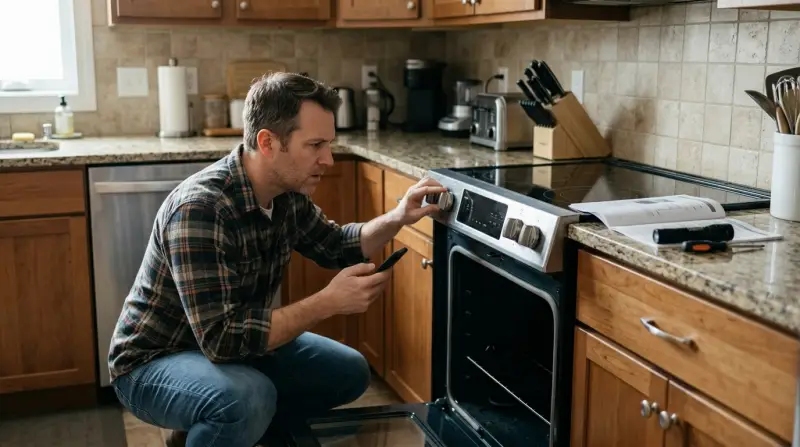
Electric ovens and stoves use electricity to heat elements for cooking. The oven heats food inside a chamber, while the stove (or cooktop) has burners on top for pots and pans. Knowing the basics makes troubleshooting easier.
- Oven: Contains heating elements (usually top and bottom), a thermostat, and controls for temperature and functions.
- Stove: Has coil or glass-ceramic burners, switches or dials, and sometimes indicator lights.
When these appliances fail, the problem could be with the power supply, internal components, or user settings. Let’s look at the most common causes.
Common Reasons Why Electric Ovens And Stoves Stop Working
Many issues can cause your electric oven and stove to stop functioning. Here are the main ones:
- Power supply problems
- Faulty heating elements
- Broken control knobs or switches
- Blown fuse or tripped circuit breaker
- Malfunctioning thermostat
- Loose or damaged wiring
- Electronic control board failure
Each of these can affect either the oven, the stove, or both.
Power Supply Problems
If both the oven and stove are not working, the issue is often with the power supply. Electric appliances need a steady current. If the outlet or wiring is faulty, nothing will operate.
- Check if other kitchen appliances work. If not, it may be a broader electrical issue.
- Look for signs like no lights or no display on the oven.
Faulty Heating Elements
The heating element is what heats up to cook food. If it burns out, the oven or stove won’t heat.
- For ovens: The top or bottom elements may fail.
- For stoves: Individual burners may stop heating.
Broken Control Knobs Or Switches
If a knob or switch is broken or stuck, the appliance might not start. This is more common on older models.
Blown Fuse Or Tripped Circuit Breaker
Electric ovens and stoves often have a dedicated circuit breaker. If it trips, power is cut off.
- Check your home’s circuit breaker panel.
- Some ovens have internal fuses that can blow.
Malfunctioning Thermostat
The thermostat controls temperature. If it’s faulty, the oven may not heat properly, or not at all.
Loose Or Damaged Wiring
Wiring can loosen or wear out over time. This can cause intermittent or total failure.
Electronic Control Board Failure
Modern ovens and stoves have electronic control boards. If these fail, the appliance may not respond to settings or buttons.

How To Diagnose The Problem
Before you panic, try these steps to diagnose your electric oven and stove:
- Check the power: See if the appliance is plugged in and if the outlet works. Try plugging in another device.
- Inspect the circuit breaker: Look for a tripped breaker or blown fuse.
- Look for error codes: Modern ovens may display error codes. Refer to your manual for meaning.
- Test controls and knobs: Ensure knobs are not loose or broken.
- Check heating elements: Look for visible damage or discoloration.
- Listen for sounds: If you hear clicking or buzzing, it may indicate electrical problems.
These steps can often pinpoint the issue. If you’re unsure, stop and call a professional.
Comparison: Electric Oven Vs Stove Failure
Sometimes only the oven or only the stove stops working. Understanding the differences helps you troubleshoot faster.
| Feature | Electric Oven | Electric Stove |
|---|---|---|
| Heating Element Location | Inside chamber (top/bottom) | On cooktop (burners) |
| Typical Failure | Element, thermostat, control board | Burner, switch, wiring |
| Controls | Digital or analog, timer | Dials or touch controls |
| Symptoms | No heat, uneven cooking, error code | One or all burners fail, no heat |
Step-by-step Troubleshooting Guide
You can often solve simple problems yourself. Here’s a practical approach:
Check The Power Source
- Unplug the oven/stove and plug it back in.
- Test the outlet with a lamp or other appliance.
- If the outlet is dead, check your circuit breaker.
Inspect The Circuit Breaker And Fuses
- Locate your breaker box.
- Find the switch labeled “Oven” or “Range.”
- Flip it off and back on. If it trips again, there may be a short circuit.
Examine Heating Elements
- For ovens: Look for cracks, burns, or swelling in the elements.
- For stoves: Remove and inspect coil burners. Swap with another burner to check if the problem follows.
Test Controls And Knobs
- Turn each knob slowly. If they feel loose or spin without resistance, they may be broken.
- Replace damaged knobs.
Look For Error Codes
- Check your oven’s display panel for codes like “F1,” “F3,” or “E1.”
- Consult your user manual or manufacturer website.
Inspect Wiring
- Only do this if you feel confident and the appliance is unplugged.
- Look for frayed wires, loose connections, or burn marks.
Try Resetting The Appliance
Some ovens and stoves have a reset button. Press it according to your manual. This can sometimes clear errors.
When To Call A Professional
Not every problem can be fixed at home. Call a qualified technician if:
- You smell burning or see smoke
- The appliance trips the breaker repeatedly
- You see exposed wiring or sparks
- There are persistent error codes you don’t understand
- The oven or stove is under warranty
Trying to fix serious electrical issues yourself can be dangerous. For complex repairs, professional help is safer and often required by law.
Preventing Future Electric Oven And Stove Problems
You can avoid many issues with regular care and smart habits.
Keep It Clean
- Wipe spills on burners and inside the oven regularly.
- Grease can cause heating problems or even fires.
Use Proper Cookware
- Flat-bottomed pots work best on electric stoves.
- Avoid oversized pans that cover multiple burners.
Don’t Overload Outlets
- Only plug the oven or stove into its dedicated outlet.
- Avoid using extension cords for large appliances.
Schedule Maintenance
- Have a technician check wiring and components every 2–3 years.
- Replace old or damaged parts promptly.
Learn Your Appliance’s Limits
- Don’t set the oven to extreme temperatures for long periods.
- Watch for signs like slow heating, uneven cooking, or flickering lights.
Data: How Often Electric Ovens And Stoves Fail
According to the National Fire Protection Association, kitchen appliances cause about 48% of home fires. Electric ranges and ovens are responsible for thousands of service calls each year. The most common issues:
| Problem | % of Service Calls | Typical Cost |
|---|---|---|
| Heating Element Failure | 40% | $120–$250 |
| Control Board Malfunction | 25% | $200–$400 |
| Wiring Issues | 20% | $100–$300 |
| Thermostat Problems | 10% | $80–$180 |
| Other | 5% | Varies |
Non-obvious insight: Many beginners believe the oven and stove are always linked. In truth, even on a “range,” the oven and stove can fail separately. Another overlooked fact: Using wet hands or metal tools when testing can cause electric shock—always stay safe.

Cost Comparison: Repair Vs Replacement
When your electric oven and stove fail, you may wonder if you should repair or replace. Here’s a quick comparison:
| Scenario | Repair Cost | Replacement Cost | Best Option |
|---|---|---|---|
| Simple Heating Element | $120 | $700–$2,000 | Repair |
| Control Board Failure | $300 | $700–$2,000 | Repair (if under warranty) |
| Multiple Failures, Old Appliance | $600+ | $700–$2,000 | Replacement |
| Wiring Issues | $200 | $700–$2,000 | Repair |
If your appliance is over 10 years old and needs expensive repairs, replacing it is usually smarter.
Real-life Example: Troubleshooting Success
Maria’s electric stove stopped working after a storm. She checked the circuit breaker—found it had tripped. After resetting, the stove worked again. Later, her oven wouldn’t heat. The top element was burned out. She replaced it for $150. Both appliances now work perfectly.
This shows that simple checks can solve many problems. If you act quickly and carefully, you may avoid big repair bills.
Frequently Asked Questions
Why Is My Electric Oven And Stove Not Working After A Power Outage?
After a power outage, the circuit breaker may trip to protect your appliances. Reset the breaker and check if the oven and stove work. If not, check for internal fuses or error codes.
Can I Fix A Heating Element Myself?
You can replace simple heating elements if you have basic tools and the correct part. Always unplug the appliance first and follow manufacturer instructions. If unsure, call a professional.
Is It Safe To Use The Stove If Only One Burner Works?
If only one burner works, others may have failed elements or wiring issues. Using the working burner is usually safe, but avoid using damaged ones to prevent electrical risks.
How Do I Know If The Control Board Is Broken?
Symptoms include unresponsive controls, error codes, or random beeping. Control board failures are complex and often require professional repair.
Where Can I Find Replacement Parts For My Electric Oven And Stove?
Many replacement parts are available online or from appliance stores. Use your model number to search. For reliable sources, see Consumer Reports.
Final Thoughts
When your electric oven and stove stop working, it’s easy to feel overwhelmed. But with careful checks and understanding, you can identify most issues quickly. Simple problems like a tripped breaker or burned-out element are often fixable at home. For more serious faults, professional help is best. Regular cleaning, proper use, and maintenance prevent many breakdowns. By staying proactive, you save money, avoid stress, and keep your kitchen running smoothly.
1 thought on “Electric Oven And Stove is Not Working? Quick Fixes to Try”