
A well-balanced refrigerator door is more important than you might think. When a door is not aligned, it can cause cooling problems, energy waste, and even trouble closing or sealing. If you own an LG refrigerator and notice your doors are uneven, don’t worry—adjusting them is a task most people can handle at home.
You don’t need special tools or technical skills, just a careful approach and a bit of patience. In this guide, you’ll learn how to adjust the door on an LG refrigerator, step by step, with practical tips and solutions to common problems.
With these instructions, you’ll not only solve the immediate issue but also maintain your appliance for years to come.
Why Door Alignment Matters
An LG refrigerator door should close tightly for proper cooling. If it’s not aligned, cold air escapes, making your fridge work harder. This can lead to:
- Higher energy bills
- Food spoiling faster
- Excess frost buildup
- Difficulty opening or closing the door
Many users overlook this issue until they notice uneven doors or cooling problems. Correcting the alignment improves performance and keeps your refrigerator running efficiently. You may also notice that poorly aligned doors let moisture in, creating condensation and sometimes even mold around the seals.
This is not just an inconvenience—it can affect food safety and overall kitchen hygiene.
Proper door alignment is especially important for families with young children, who might not always close the door carefully. Even small gaps in the seal can lead to temperature drops, affecting both the fridge and freezer compartments. Over time, your refrigerator may need to run longer cycles, which not only increases electricity use but can wear out the compressor faster.
Identifying Door Alignment Problems
Before adjusting, check if your LG refrigerator door actually needs alignment. Here’s how to spot signs:
- Uneven Door Height: One door is higher than the other.
- Gaps in Seals: The rubber gasket doesn’t sit flush.
- Door Doesn’t Close Properly: You feel resistance, or it bounces back.
- Visible Tilt: The door looks slanted compared to the body.
- Frost or Moisture: Excess condensation inside the fridge.
If you notice any of these, adjustment is likely needed. To be more certain, try sliding a thin piece of paper along the seal when the door is closed. If it slips out easily or you see daylight, the seal isn’t tight and needs fixing.
Sometimes, you might also hear a soft whistling sound as air escapes, especially if the kitchen is quiet.
Another symptom is temperature fluctuations inside the fridge. If you find that certain shelves or compartments are warmer than others, it could be due to a misaligned door letting warm air in. This is often overlooked but can lead to uneven cooling and food spoilage.
Tools And Materials Needed
Most LG refrigerators can be adjusted using common household tools. Gather these before you start:
- Phillips screwdriver
- Flathead screwdriver
- Adjustable wrench
- Spirit level (bubble level)
- Soft cloth
- Optional: Non-slip gloves for better grip
Having these ready saves time and makes the process smoother. If your model has decorative covers or special hinge caps, keep a small container handy to store screws and small parts. For some built-in models, you may also need a flashlight to see hinge areas clearly.
A spirit level is especially important; many people skip this tool, but even small tilts can cause door misalignment. If you don’t have one, download a level app for your smartphone. The adjustable wrench should fit the hinge nuts easily—avoid using pliers as they can damage the bolts.
Safety Precautions
Working with your refrigerator means handling heavy parts and possible electrical components. Keep these safety tips in mind:
- Unplug the fridge before making adjustments.
- Move food away from the door area to avoid spills.
- Use caution when lifting or shifting the appliance.
- Avoid force—gentle adjustments prevent damage.
- If you’re unsure, call a professional.
It’s always better to be safe, especially if your refrigerator is large or built-in. Consider asking a family member or friend to help if your fridge is heavy or difficult to move. Wearing non-slip gloves can improve your grip and protect your hands from sharp edges.
If your refrigerator sits on a slippery floor, place a rubber mat underneath before adjusting. This adds stability and prevents accidental movement. When unplugging the appliance, check that the power cord is fully clear from your workspace to avoid trips.
Preparing The Refrigerator For Adjustment
Start with a few simple steps to make the process easier:
- Empty Door Shelves: Remove bottles, jars, and items from the door.
- Clear Surrounding Area: Move objects so you have space to work.
- Check Floor Level: Ensure the refrigerator is on a flat, stable surface.
- Remove Toe Grille: Some LG models have a front grille—take it off if needed.
A clean workspace helps you focus and prevents accidents. If you have pets or children at home, keep them away from the area while you work. Place removed items on a towel or mat to avoid spills and make it easier to return them later.
Check the floor around the fridge for debris or small objects that could affect leveling. Sometimes, a stray utensil or toy under the fridge can cause uneven support. Removing the toe grille gives you better access to leveling legs and hinges, which is crucial for precise adjustment.
Understanding Lg Refrigerator Door Mechanisms
LG uses several hinge designs, depending on the model—French door, side-by-side, and top freezer. Most follow a similar principle:
- Upper hinge: Holds the top of the door.
- Lower hinge: Supports the bottom.
- Adjustment bolts: Allow height and tilt changes.
- Center hinge: Found in French door models.
Here’s a quick overview:
| LG Model Type | Door Adjustment Location | Typical Tools Needed |
|---|---|---|
| French Door | Lower hinge, center hinge | Phillips screwdriver, wrench |
| Side-by-Side | Upper and lower hinges | Phillips screwdriver, wrench |
| Top Freezer | Upper and lower hinges | Phillips screwdriver, wrench |
Knowing your model helps you find the right adjustment points. Some newer LG models have hidden hinges for a sleek look, but the principle remains the same. Look for small plastic covers that snap off, revealing the adjustment bolts underneath.
If your refrigerator has a water dispenser or ice maker on the door, be extra careful when adjusting, as internal lines can be sensitive. Avoid excessive force, and always check the user manual for specific instructions. This helps prevent accidental leaks or damage to internal components.
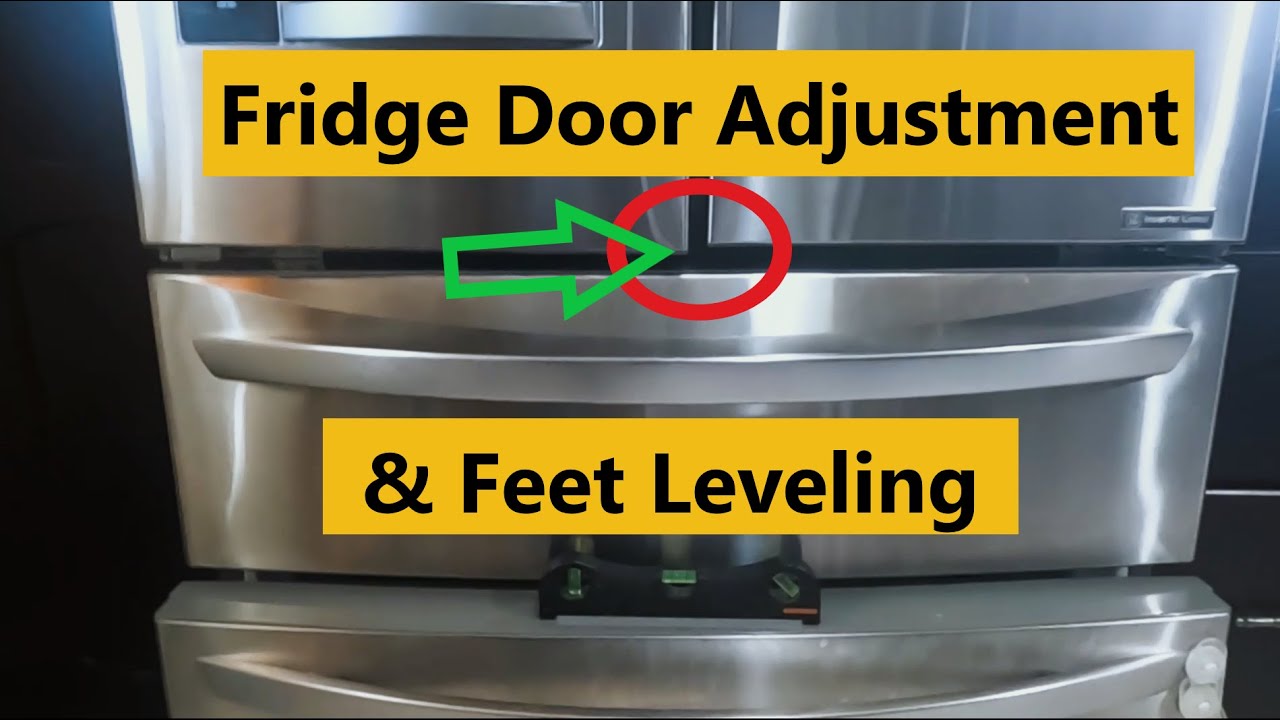
Step-by-step Guide To Adjusting Lg Refrigerator Doors
Let’s break down the process so you can follow along easily.
Level The Refrigerator
Door misalignment often starts with the fridge itself not being level. Here’s how to check:
- Place a spirit level on top of the refrigerator.
- If the bubble is off-center, adjust the leveling legs under the fridge.
- Turn the legs clockwise to lower and counterclockwise to raise.
- Check again until the fridge is perfectly level.
This basic step solves many alignment issues. If your fridge is on tile or uneven flooring, consider using small shims or rubber pads under the legs. Make minor adjustments and recheck with the level after each change. Sometimes, patience is needed to get the bubble exactly centered.
If your refrigerator is against a wall, check both front-to-back and side-to-side alignment. Floors in older homes can be uneven, so check both directions for the best result. Don’t rush; take your time to ensure a solid foundation.
Inspect Door Hinges
Open the door fully and inspect the hinges. Look for:
- Loose screws
- Worn-out bolts
- Signs of rust or damage
Tighten any loose screws with a Phillips screwdriver. Replace damaged parts if needed. If you notice rust, clean the area with a soft cloth and a mild cleaner, then dry thoroughly. Lubricate moving parts with a tiny amount of food-safe oil if needed.
Examine the hinge covers and brackets for cracks or wear. If a hinge feels wobbly or moves excessively, it may need full replacement. Taking time to inspect now prevents bigger problems later.
Adjust Door Height
Many LG models let you adjust door height using a bolt at the bottom hinge.
- Locate the adjustment bolt or nut under the door.
- Use an adjustable wrench to turn the nut.
- Turn clockwise to raise the door, counterclockwise to lower.
- Go slowly and check the height after each turn.
If you have a French door model, repeat for both doors. Make small changes and check alignment visually and with a level. Sometimes, doors settle after adjustment—wait a few minutes and recheck before final tightening.
If you are adjusting a freezer door, remember that a slightly higher door prevents sagging over time. For side-by-side models, check both doors even if only one seems uneven.
Align Door Tilt
If the door tilts inward or outward, adjust the tilt:
- Loosen the screws on the upper hinge slightly.
- Gently shift the door into the correct position.
- Tighten screws once the door is straight.
Use a spirit level vertically against the door to confirm alignment. If the tilt persists, check the lower hinge for movement. Sometimes, adjusting both top and bottom hinges is necessary for perfect alignment.
For French door models, coordinate adjustments for both doors to ensure they meet evenly in the center. It can help to ask someone to hold one door steady while you adjust the other.
Adjust Center Hinge (french Door Models)
Some LG French door refrigerators have a center hinge that affects both doors:
- Remove the center cover to access the hinge.
- Loosen the hinge screws.
- Adjust both doors together, then re-tighten.
If doors still don’t line up, check the lower hinges for further adjustment. It’s common for the center hinge to require extra attention after moving or installing the fridge.
If your doors are difficult to align, try adjusting one door slightly higher and then balancing with the other. This method can fix minor gaps where the doors meet.
Check Door Seal
After adjusting, inspect the door gasket:
- Close the door and look for gaps in the rubber seal.
- Run your hand along the edge to feel for air leaks.
- If the seal is uneven, repeat the hinge adjustments.
A tight seal is essential for energy efficiency. If you find stubborn gaps, use a hair dryer on low heat to gently soften and reshape the gasket. Avoid overheating, as this can damage the material. Cleaning the gasket with warm soapy water removes dirt that can affect sealing.
Test Door Operation
Open and close the door several times:
- The door should move smoothly.
- It should close without resistance or bouncing.
- Both doors should line up horizontally.
If you notice problems, revisit earlier steps. Pay attention to how the door sounds—clicks or bumps may mean screws are loose or hinges are misaligned. Check the door’s movement at different speeds to ensure consistent operation.
Reinstall Toe Grille And Items
Once adjustments are complete:
- Reinstall any covers or grilles you removed.
- Put food and items back in the door.
Your LG refrigerator door should now be properly aligned. Place heavier items on lower shelves to reduce strain on hinges. Double-check alignment after loading, as added weight can shift the door slightly.
Common Problems And Solutions
Even with careful adjustments, some issues may arise. Here’s how to tackle them:
Door Still Uneven After Adjustment
If the door remains uneven, check for:
- Bent hinges: Replace the hinge.
- Damaged leveling legs: Fix or replace.
- Heavy items in the door: Remove excess weight.
Sometimes, minor differences are normal, but large gaps need fixing. If you notice persistent misalignment, measure the gap with a ruler—anything above 3–4 mm usually needs more adjustment.
Door Won’t Stay Closed
This often happens when:
- The fridge isn’t level.
- The door gasket is dirty or damaged.
- Items inside block the door.
Clean the gasket, rearrange items, and check leveling legs. Also, check if the shelves are installed correctly—misplaced shelves can push against the door, preventing closure.
Door Makes Noise
Noises can indicate:
- Loose screws
- Debris in hinge area
- Worn-out parts
Tighten screws and clean hinges. If the noise persists, consider replacing the hinge. Sometimes, applying a small amount of silicone lubricant can reduce squeaks, but avoid oil-based products near food.
Seal Not Tight
A loose seal wastes energy. Try:
- Heating the gasket gently with a hair dryer to reshape.
- Cleaning with warm soapy water.
- Repeating alignment steps.
If the gasket is torn, replace it. For stubborn seals, press and hold the gasket in place for a few minutes after heating to help it set.
French Door Models: Doors Not Even
French door alignment is tricky. Adjust both doors together and focus on the center hinge. If your doors are still off, check the installation manual for model-specific instructions. Sometimes, reinstalling the doors from scratch is the best solution if alignment is severely off.
Comparing Lg Refrigerator Door Adjustment With Other Brands
LG refrigerators are designed for easy home adjustment, but how do they compare to other brands? Here’s a quick look:
| Brand | Door Adjustment Ease | Tools Required | Typical Issues |
|---|---|---|---|
| LG | Easy (most models) | Screwdriver, wrench | Height, tilt, seal gaps |
| Samsung | Moderate | Screwdriver, special tool | Door sag, uneven height |
| Whirlpool | Moderate | Screwdriver, pliers | Door tilt, noisy hinges |
| GE | Difficult (some models) | Screwdriver, wrench, shims | Misaligned doors, hard to adjust |
LG stands out for simple adjustment and wide user support. Some competitors require special tools or unique hinge parts, which can make DIY adjustments harder. LG’s user manuals and online resources make it easier for homeowners to tackle problems themselves.
Tips For Long-term Door Performance
Once your LG refrigerator door is aligned, keep it that way with these tips:
- Avoid Overloading Door Shelves: Heavy items can stress hinges.
- Clean Door Gaskets Monthly: Prevents seal gaps.
- Check Leveling Annually: Floors can shift over time.
- Inspect Hinges for Wear: Replace parts as needed.
- Don’t Slam Doors: Gentle closing protects alignment.
Following these practices helps maintain performance and prevents future issues. For best results, add reminders to your calendar to check alignment and seals every six months. If you live in an area with frequent earthquakes or floor movement, check more often.
Regular cleaning prevents sticky gaskets, which can cause doors to stick or not close fully. A quick wipe with warm water and a soft cloth removes debris and maintains flexibility.
Non-obvious Insights For Beginners
Most guides cover the basics, but here are two insights that many beginners miss:
- Temperature Fluctuations Affect Door Seal: If your kitchen gets very hot or cold, the rubber gasket can expand or shrink, affecting alignment. During seasonal changes, check and adjust as needed.
- Check Under the Refrigerator: Sometimes, dirt or debris under the fridge can cause uneven leveling. Clean underneath before adjusting doors.
These small steps can save you trouble and improve efficiency. Also, remember that new refrigerators often settle in the first few weeks after installation. Recheck alignment after one month to catch any shifts early.
Another overlooked tip: Use a flashlight to check gaps at night, when ambient light makes leaks easier to spot.
When To Call A Professional
While most door adjustments are simple, some situations need expert help:
- The door is severely bent or damaged.
- Hinges are broken and require replacement.
- The refrigerator is built-in and hard to access.
If you’re uncomfortable or stuck, contact LG customer support or an appliance technician. It’s better to pay for professional help than risk damaging your refrigerator. Professionals have the tools and experience to fix complex problems quickly.
If your refrigerator is still under warranty, repairs or adjustments may be free. Always check your warranty terms before starting a major fix.
Troubleshooting Unusual Door Problems
Sometimes, issues aren’t obvious. Here’s how to troubleshoot:
Door Sticks Or Won’t Open Easily
This can be caused by:
- High humidity making the gasket sticky
- Items inside blocking movement
- Misaligned hinges
Clean the gasket and rearrange items. Adjust hinges if needed. If the door sticks only in summer, humidity may be the culprit. Try using a dehumidifier in the kitchen.
Door Closes Too Quickly
If the door slams shut:
- Check for strong magnets in the seal
- Make sure the fridge is not tilted forward
Adjust leveling legs and inspect the seal. Some models have adjustable tension springs—refer to your manual if available.
Door Rubs Against Cabinet
If the door rubs or scrapes:
- Move the refrigerator slightly to one side
- Adjust the hinge position
- Add felt pads if needed
These fixes prevent wear and make opening easier. If you have a built-in fridge, check cabinet alignment as well.
Data On Refrigerator Door Alignment
Door misalignment is more common than many realize. According to appliance repair statistics, up to 30% of refrigerator service calls involve door issues, including alignment, seal gaps, and hinge problems. Proper adjustment can reduce energy use by up to 15%, and extend the life of your appliance by several years.
A poorly aligned door can add up to $50–$100 per year in extra energy costs. For households with multiple users, the impact is even greater. Investing a little time in alignment saves money and keeps your kitchen running smoothly.
Examples Of Real-life Door Adjustment
Consider these scenarios:
- Family with Young Children: Kids often slam doors or hang on them, causing misalignment. Regular checks and gentle closing prevent issues.
- Home Renovation: Moving your fridge during construction can shift its position. Always re-check alignment after moving.
- Rental Apartment: Previous tenants may have overloaded doors or damaged hinges. Inspect and adjust when you move in.
Learning from these examples can help you avoid common mistakes. Another example: When buying a used refrigerator, always check door alignment before moving it into your kitchen. Sellers may not mention small issues, but fixing them early prevents bigger problems.
Lg Official Guidance And Support
LG provides official guides and video tutorials for door adjustment. If you need detailed instructions for your model, visit the official LG support site for manuals and troubleshooting. For complex cases, LG’s customer service can walk you through the process or recommend a technician.
For more information on appliance maintenance, you can explore resources like Consumer Reports.

Step-by-step Recap For Quick Reference
Here’s a condensed version for quick access:
- Unplug refrigerator
- Empty door shelves
- Check refrigerator level
- Inspect and tighten hinges
- Adjust door height and tilt
- Test door seal
- Open and close door to check alignment
- Reinstall covers and items
This checklist can be printed or bookmarked for future use. Keep it handy after moving or cleaning your refrigerator, as realignment may be needed.
Comparing Lg French Door Vs Side-by-side Models
LG offers several refrigerator styles. Each has unique adjustment points:
| Model Type | Key Adjustment Features | Typical Challenges |
|---|---|---|
| French Door | Center hinge, adjustable lower bolts | Both doors must be even, tricky center adjustment |
| Side-by-Side | Upper and lower hinge screws | Height and tilt issues, easier single-door adjustment |
| Top Freezer | Simple hinge bolts | Door height, tilt less common |
Understanding your model helps you find the best adjustment method. French door models require more patience, as both doors need to align perfectly for a good seal. Side-by-side models are easier for single adjustments, but tilt issues can still occur.
Frequently Asked Questions
How Often Should I Check My Lg Refrigerator Door Alignment?
It’s best to check alignment every 6–12 months or whenever you notice uneven doors, difficulty closing, or seal gaps. Seasonal changes and moving the fridge can affect alignment. If you live in an area with high humidity or temperature swings, check more frequently.
Can I Adjust The Door Without Unplugging The Refrigerator?
For safety, always unplug the refrigerator before making adjustments. This prevents electrical accidents and keeps you safe while working near moving parts.
What Should I Do If The Door Gasket Is Damaged?
If the door gasket is torn, cracked, or not sealing properly, replace it. You can buy LG-compatible gaskets online or from appliance stores. Installation is usually straightforward, but if you’re unsure, call a technician.
Are Lg Refrigerator Door Adjustments Covered By Warranty?
Door alignment issues caused by installation or normal use may not be covered, but defective hinges or gaskets often are. Check your LG warranty or contact customer support for details.
Why Does My Refrigerator Door Keep Getting Misaligned?
Common reasons include overloading door shelves, moving the fridge, uneven floors, or frequent door slamming. Regular maintenance and gentle use prevent misalignment.
A well-adjusted LG refrigerator door not only keeps your food fresh but also saves energy and reduces wear. With the steps above, you can fix door alignment quickly and confidently at home. Remember, most issues are easy to solve if you go step by step.
If you ever feel unsure, don’t hesitate to reach out to LG support or a professional technician. Keeping your refrigerator door properly aligned is a small effort that brings big benefits for your home and kitchen. With regular care, you’ll enjoy reliable performance, lower energy bills, and peace of mind every time you open your fridge.