
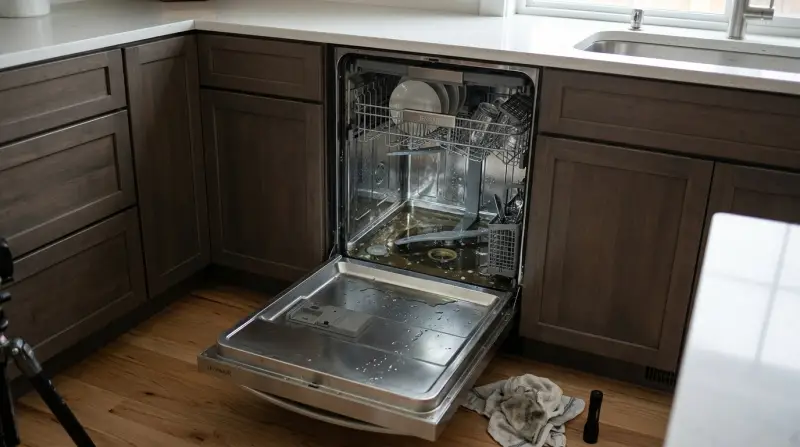
A clogged drain hose or a blocked filter is almost always why you find your Jenn Air Dishwasher Not Draining after a cycle. In most cases, you can solve this by clearing debris from the bottom filter or checking the hose for kinks. If the water stays inside even after cleaning these parts, you should inspect the air gap or the garbage disposal connection for blockages. When you can’t clear the path yourself, check your Jenn-Air dishwasher owner manual for specific model instructions on resetting the drain cycle.
Why your Jenn Air dishwasher isn’t draining
| Cause | How common | How to confirm it | Fix it yourself? |
|---|---|---|---|
| Dirty filter | Very common | Check for food debris | Yes |
| Kinked drain hose | Common | Look behind the unit | Yes |
| Blocked air gap | Common | Check for sink overflow | Yes |
| Clogged disposal | Common | Run disposal while draining | Yes |
| Faulty drain pump | Rare | Listen for humming sound | No |
| Failed control board | Very rare | Check for error codes | No |
A dirty filter is the leading cause of standing water. If your machine finishes a cycle with a pool at the bottom, pull the filter out and inspect the mesh for grease buildup. You should scrub it with hot water and soap monthly.
Many owners mistake a kinked hose for a pump failure. If the hose is pinched against the wall, the water can’t exit. Move the unit slightly to ensure the line has a clear, downward path.
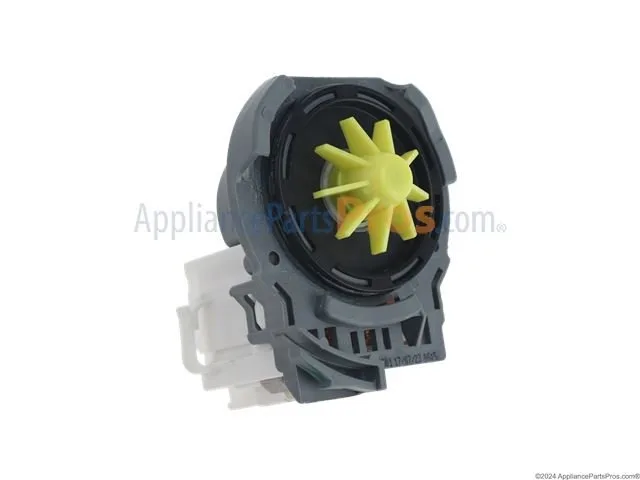
If you hear a loud, grinding noise during the drain cycle, the pump is likely obstructed by a piece of glass or a small bone. Don’t force the cycle to continue. If the pump remains silent when it should be active, the motor has likely burned out. You must replace the entire pump assembly in that case.
If your unit displays a specific error code, consult your manual immediately. Ignoring these codes often leads to a blown control board, which is a costly repair that usually requires a professional technician.
Food debris blocking the filter
A dirty filter is the most frequent reason for standing water. The filter sits at the bottom of the tub and catches food particles to prevent them from entering the pump. When this screen becomes covered in grease or solid waste, the water simply can’t pass through to the drain system.
To confirm this, remove the bottom rack and locate the cylindrical filter assembly. Turn it counter-clockwise to unlock it, then pull it straight up. If you see a buildup of fats or food scraps, this is your culprit. Wash the filter under hot running water using a soft brush to remove the grime. Don’t use harsh metal scrapers, as these can tear the fine mesh. Once clean, lock it back into place by turning it clockwise until it clicks. This task usually takes about ten minutes and costs nothing but your time. If the water still doesn’t drain after this, the blockage is likely further down the line. Note that this varies by model — check the label on your filter housing to see if it requires a specific alignment before you lock it down.
Kinks in the drain hose
The drain hose carries water from the pump to your home plumbing, and a kink prevents flow. This happens if the dishwasher was pushed too far back against the wall or if the hose was pinched during installation.
Check for this by gently pulling the dishwasher forward to see the hose connection at the back. Look for any sharp bends that restrict the diameter of the tube. If you find a kink, straighten the hose and ensure it has a smooth, gradual path to the drain.
If the hose is brittle or cracked, you must replace it with a new one designed for your specific unit. This assumes the hose has enough slack; if it’s stretched tight, you may need to reposition the unit or use a longer hose. If you aren’t comfortable moving the appliance, ask a helper to assist you, as pulling too hard can damage the water supply line.
A mistake people often make is using a standard garden hose for a replacement, which can’t handle the high-temperature water; always use a manufacturer-approved drain hose to prevent leaks.
When inspecting the line, look specifically for a “kink memory.” If the plastic has been bent for months, it may retain a permanent crease that restricts flow even after you straighten it. If the hose doesn’t return to a perfect circle, replace it immediately. A restricted hose forces the pump to work harder, which can lead to premature motor failure. If the pump makes a grinding noise during the drain cycle, the restriction is likely severe.
Obstructions in the air gap
An air gap is a small cylinder on your sink deck that prevents dirty water from flowing back into the dishwasher. If this device is blocked, the dishwasher can’t push water out.
To check this, remove the decorative cap from the air gap and unscrew the plastic cover beneath it. Look for lint, food, or plastic debris inside the opening. If you find anything, remove it with tweezers or a small brush.
If the air gap is clear, the problem might be the connection to your garbage disposal. If you have a disposal, run it for fifteen seconds before starting a new drain cycle on the dishwasher. This clears the entry point where the two systems meet.
Distinguishing between a simple blockage and a system failure is vital. If the air gap overflows during the cycle, the clog is downstream in your house plumbing. If the dishwasher fails to drain but the air gap remains dry, the issue is likely a kinked hose or a failed pump.
If you still see water in the tub, the blockage may be deep inside the house plumbing. This is the point where you should call a plumber. If you try to force a wire or a drain snake into the dishwasher plumbing yourself, you risk damaging the internal seals or the pump impeller. Such amateur interventions often turn a minor clog into a multi-hundred-dollar repair bill.
The less likely causes
The drain pump motor has burned out, which you can identify if there’s no sound at all when the machine tries to drain. If you hear a faint hum but no water moves, the motor is likely jammed by debris rather than dead.
A failed check valve allows water to flow back into the tub, often signaled by water returning after the pump stops. Check if the drain hose is positioned lower than the water level in the drum, as this creates a siphon effect that mimics a valve failure.
The control board has stopped sending a signal to the drain pump, which usually shows as a blinking light or error code. If the display remains blank despite these codes, check your breaker box first.
The house plumbing is completely blocked, which you can confirm if the sink itself is draining slowly. If the sink clears fine, inspect the standpipe for a localized clog caused by lint buildup.
What a fix usually involves
Fixing a drainage issue ranges from a simple cleaning to replacing hardware. Clearing a filter or a kinked hose costs nothing but time and requires only basic household tools like a screwdriver or a pair of pliers.
If the drain pump is the failure point, you need a replacement part. This part is a moderate expense, but installing it’s complex. Because the pump is located inside the base, it requires removing panels and disconnecting electrical terminals. The electrical connections must be handled with care, so this is strictly technician-only work.
The decision rule is simple: if the machine drains slowly but makes no noise, start by checking the filter for debris. If you hear a loud grinding sound or the machine hums without moving water, the pump motor has likely seized. In that case, don’t attempt a DIY fix unless you’re comfortable with electrical components.
To get a real cost estimate, look up your specific model number on the manufacturer’s website or check your local appliance repair service listings. Avoid buying generic parts online, as they often don’t fit correctly and can cause leaks. Always verify the part number against your manual before ordering to ensure compatibility. If you’re unsure of your repair skills, a professional service call is the safest path to ensure the job is done right.
Frequently asked questions
Can I use drain cleaner in my dishwasher?
No, you should never use chemical drain cleaners in your dishwasher. These products are designed for metal or PVC sink pipes and can eat through the plastic seals, hoses, and pump components of your appliance. They also pose a chemical burn risk to you when you open the door to check the progress. Stick to manual cleaning methods for the filter and hoses.
How long does it take for a dishwasher to drain?
A standard drain cycle lasts between two and five minutes. If your machine runs for much longer than this or stops halfway through, it’s likely struggling against a blockage. This assumes the pump is functioning at full power; if the pump is failing, it may take longer or fail to empty the tub entirely before the cycle ends.
Is it safe to run the dishwasher with standing water?
No, it isn’t safe to run the dishwasher with standing water already inside. The water may be contaminated with food waste, and the pump isn’t designed to operate while submerged in heavy debris. Running the cycle can cause the pump to overheat or burn out. Always clear the water manually using a cup and a towel before you start any troubleshooting.
What happens if I ignore the standing water?
Ignoring standing water leads to bad odors and potential mold growth inside the tub. Over time, the stagnant water can also corrode the metal components of the filter assembly or the bottom of the tub. If you leave it for more than a day, you may also find that the water begins to leak onto your kitchen floor.
Does it matter if I have a garbage disposal?
Yes, the way your dishwasher connects to the disposal changes how you clear a clog. If you have a disposal, the drain hose connects to a port on the side of that unit. If the disposal is clogged, water can’t exit the dishwasher. Always ensure your disposal is running freely before you assume the problem is with the dishwasher itself.
How do I know if the pump is broken?
You’ll know the pump is broken if you hear a loud grinding noise or no sound at all during the drain phase. If the filter is clean and the hose is free of kinks, but the water doesn’t move, the motor has likely failed. This is a technical repair that requires a professional to replace the pump assembly safely.
Final Thoughts
If these simple fixes don’t get your machine running smoothly again, it’s time to call a professional technician. They’ll have the right tools to find hidden clogs deep in your plumbing. Don’t hesitate to reach out for help, as you shouldn’t have to deal with standing water in your kitchen for long.