
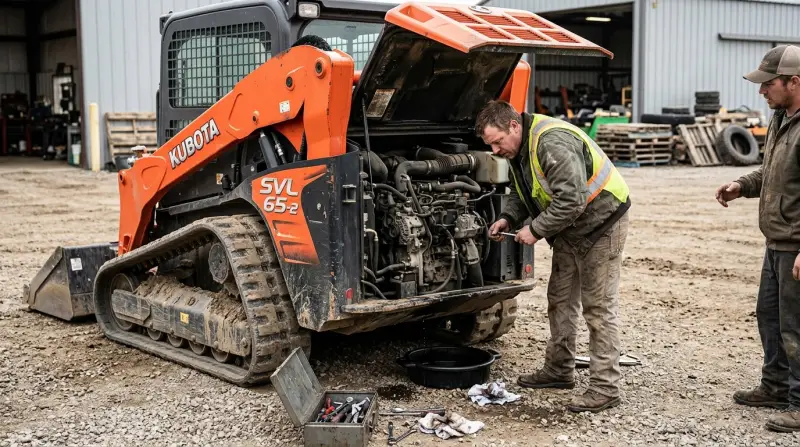
Most of the time, the common Kubota Svl65 2 Problems involve minor electrical sensor faults or hydraulic pressure inconsistencies rather than major engine failures. You can usually identify these issues by checking the error codes on the dashboard display panel or by inspecting the fluid levels against the manufacturer’s official maintenance specifications. If the machine stops responding or throws a warning light, don’t ignore it, as running it under load with a fault can cause permanent damage to the hydraulic pumps.
The causes, most likely first
| Cause | How common | How to confirm it | Fix it yourself? |
|---|---|---|---|
| Dirty air filter | Very common | Check air restriction gauge | Yes |
| Low hydraulic fluid | Common | Inspect sight glass level | Yes |
| Faulty door sensor | Common | Check door latch switch | Yes |
| Loose battery terminals | Frequent | Inspect for corrosion | Yes |
| Clogged fuel filter | Occasional | Check fuel pressure light | Yes |
| Hydraulic pump wear | Rare | Consult service diagnostic | No |
If the air restriction gauge shows red, replace the filter immediately. Operating with a restricted intake increases fuel consumption by up to 10% and risks engine overheating.
For hydraulic fluid, always check the level while the machine is on level ground. If the fluid appears milky, don’t just top it off; you likely have a seal leak letting water into the system.
When inspecting battery terminals, look for white or blue crust. If you find it, clean the connection with a wire brush and baking soda solution. Neglecting this leads to a “click-no-start” condition that leaves you stranded.
If your fuel pressure light flickers only under heavy load, the filter is partially clogged. Change it before the engine stalls completely, as running dry can damage the high-pressure pump. If the pump is the culprit, you’ll hear a high-pitched whine during operation.
Airflow restriction and engine power
The most frequent performance drop occurs when the engine can’t breathe, leading to a loss of power or sudden stalling. If the machine starts blowing black smoke or loses torque under load, you should immediately inspect the primary and secondary air cleaner elements.
To confirm this, look at the air restriction indicator located on the engine air intake housing. If the yellow indicator has moved into the red zone, the filter is blocked. You must replace the filter element rather than trying to blow it out with compressed air, as thin paper media often tears, allowing dust to enter the engine. This is a maintenance task that takes about 15 minutes. If you’re working in high-dust environments, check these filters every 10 hours; if your work is in clean, paved areas, you can stretch this to every 50 hours. This varies by model — check the label on the air filter housing for the exact part number. A mistake many owners make is ignoring the indicator until the machine stalls, which risks long-term engine wear from grit ingestion.
Hydraulic pressure and fluid levels
Inconsistent bucket movement or slow lift speeds usually point to low hydraulic fluid or trapped air in the lines. This is distinct from engine issues because the motor will continue to run at normal RPMs while the implements remain sluggish or unresponsive. You can check this by parking the loader on level ground, retracting all cylinders, and viewing the hydraulic oil level through the sight glass on the rear of the machine.
If the oil level is below the center mark, top it off using the specific hydraulic fluid grade recommended in your operator’s manual. A common mistake is using generic fluid, which can cause the internal seals to swell or degrade over time. If you see foam in the sight glass, you have air in the system, which often happens after a hose replacement. To clear it, cycle the bucket and lift arms to their full extent five times while the engine idles. If the pressure remains low after filling to the correct mark, you may have a failing hydraulic pump. This is a significant trade-off because while you can replace hoses yourself, a pump failure requires specialized equipment to test flow rates. If you suspect a pump issue, stop using the machine to prevent metal shavings from circulating through the valve body, which would turn a simple pump repair into a total hydraulic system overhaul.
Electrical sensor and safety interlocks
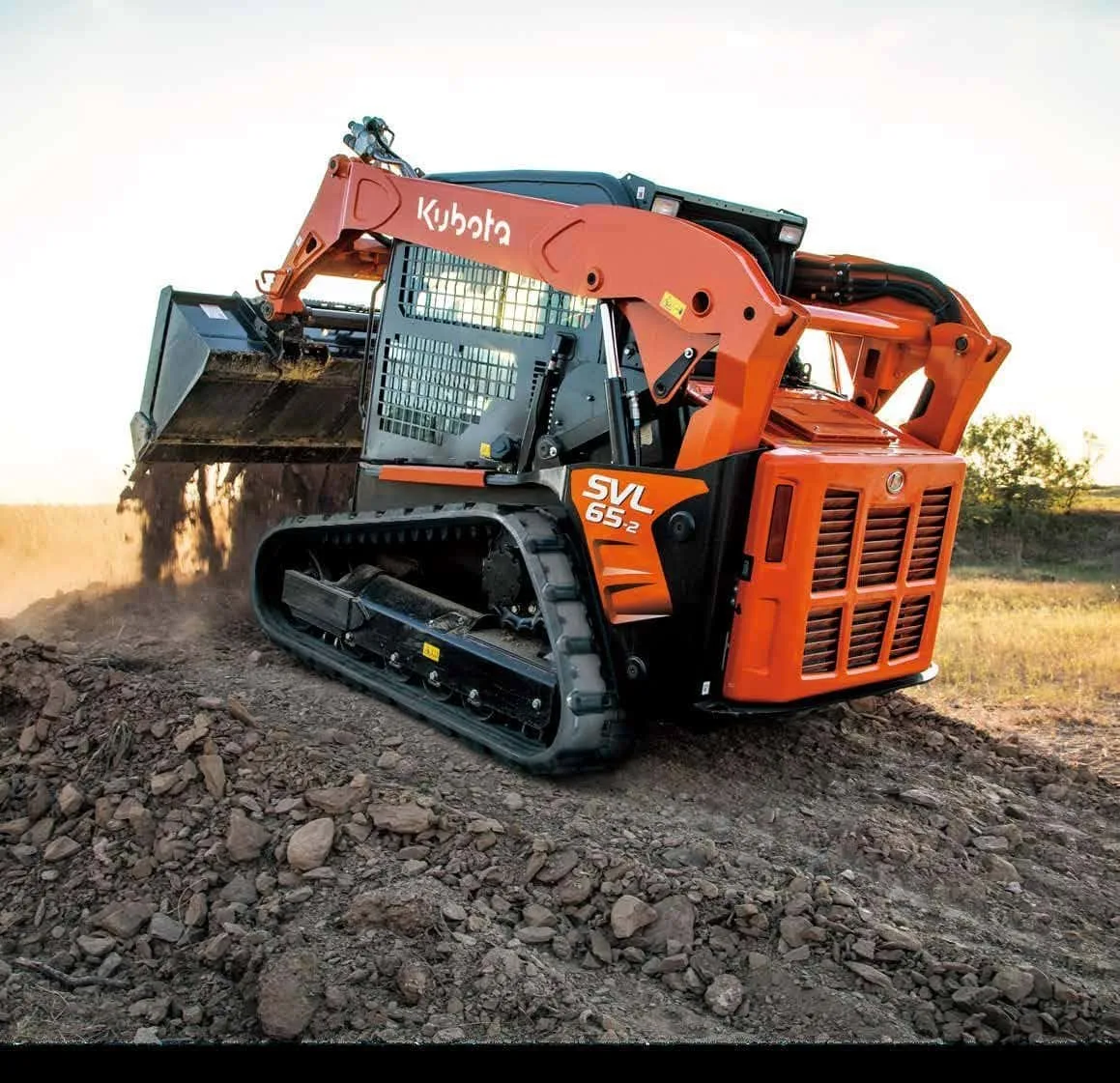
The loader may refuse to start or move because the safety interlock system detects an open door or a faulty seat switch. You can tell this is the cause if the engine turns over but the hydraulics don’t activate, or if the dashboard flashes a specific error code related to the operator presence system. These safety features are designed to prevent the machine from moving while the operator isn’t seated or the door isn’t locked.
To fix this, check the door latch sensor for debris. If the door isn’t fully latched, the switch won’t close, and the machine will lock the hydraulic controls as a safety precaution. If the sensor is clean and the door is latched but the error persists, check the wiring harness under the seat for loose connections. You’ll need a multimeter to check for continuity if the visual inspection reveals nothing. This is for users comfortable with basic electrical diagnostics. If you aren’t familiar with reading schematic diagrams, don’t bypass these sensors, as doing so voids your safety protections and can lead to serious accidents. If the wiring is intact and the sensors appear functional but the machine still locks out, the control unit may need a reset. This is a limit: if the computer board itself is faulty, only a dealer with the proprietary diagnostic software can perform the reset or replacement.
The less likely causes
-
Degraded fuel quality: If the engine surges at high idle, the fuel may be contaminated with water. Drain the water separator immediately. If the fuel appears cloudy or leaves a residue on a white paper towel, you must flush the entire tank to prevent permanent injector damage.
-
Worn drive motor seals: A machine that pulls to one side while driving indicates a leak in the travel motor. If you notice hydraulic fluid pooling near the tracks, stop operation. This requires professional shop service, as internal pressure failure often leads to catastrophic gear box seizure.
-
Damaged joystick controllers: If the implements move on their own, the internal springs in the joystick might be broken. This creates a dangerous safety hazard. You must replace the full control handle assembly rather than attempting a spring repair.
-
Faulty alternator: If the battery light stays on while the engine runs, the charging system is failing. Don’t attempt to test this yourself; contact a qualified technician to inspect the system.
What a fix usually involves
Fixing these issues ranges from simple maintenance to complex shop repairs. Simple tasks like replacing air filters or topping off fluids require only basic hand tools and a small part, costing very little in terms of shop labor.
Electrical fixes often involve checking connections or replacing a small sensor. These are inexpensive parts, but they can be time-consuming to troubleshoot if the wiring fault is hidden deep in the harness. A common mistake is replacing the sensor before testing the ground wire; this costs you the price of a new part while leaving the underlying short circuit active.
If your repair involves hydraulic pumps or the engine control module, the cost can quickly become a significant portion of the machine’s value. These tasks require specialized diagnostic tools that most owners don’t possess. If the machine shows a “check engine” code but runs smoothly, start with a simple voltage test at the battery terminals.
When you need a professional, always ask for a quote that includes both the labor hours and the cost of OEM parts. You can verify the availability of these parts through the official Kubota service network. Never accept a repair quote that doesn’t itemize the parts, as this makes it impossible to compare the cost against the value of the repair.
Frequently asked questions
Can I bypass the door sensor to keep working?
No, you should never bypass safety sensors. Doing so disables the interlock system intended to keep you safe during operation and voids your warranty. If the sensor is faulty, replace it with the correct part. You can find the exact part number for your specific serial range in your operator’s manual or by contacting a local dealer to ensure you have the right fitment for your machine.
How long does it take to replace a hydraulic filter?
About 30 to 45 minutes is the standard time for a filter change. You must let the machine cool down before you start to avoid burns from hot oil. Ensure you have a drain pan ready to catch the excess fluid, and always clean the area around the filter housing before you remove the old one to prevent dirt from entering the hydraulic system.
Is it safe to operate with a low hydraulic fluid warning?
No, it isn’t safe. Operating with low fluid can cause the hydraulic pump to draw in air, which leads to cavitation and catastrophic internal damage to the pump components. If the warning light comes on, stop the machine immediately on level ground, allow the system to settle, and check the sight glass to confirm the fluid level before adding more.
Why does my machine stall when I lift the bucket?
The engine is likely struggling because of a restricted air intake or a clogged fuel filter. When you engage the hydraulics, the engine experiences a sudden load increase. If the engine can’t produce enough power due to a lack of air or fuel, it will stall. Check the air restriction indicator and the fuel filter first, as these are the most common culprits.
Does the serial number matter for parts?
Yes, the serial number is critical because Kubota updates components throughout the production life of the model. Using a part for a different serial range might cause fitment issues or operational failures. Always provide your specific machine serial number to the parts department when ordering replacements to ensure you get the component that matches your exact build configuration and production year.
Final Thoughts
Keeping your machine in top shape shouldn’t feel like a chore. If you aren’t sure how to handle a specific warning, reach out to your local dealer for guidance. They’ve got the right tools to get you back on the job quickly, so don’t hesitate to ask for a professional opinion.