
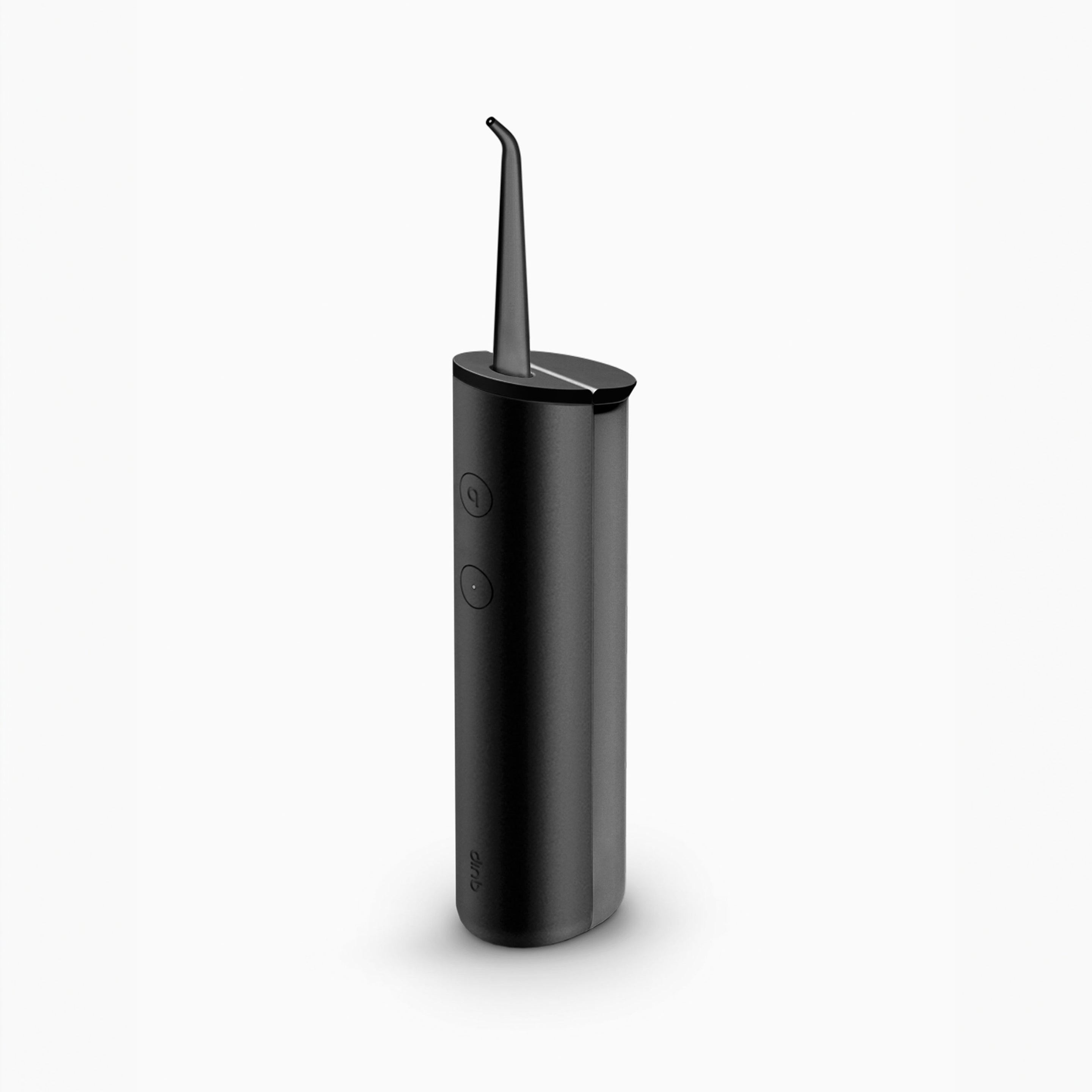
If your Quip Water Flosser is not working, it can be frustrating and confusing. Many people rely on this tool for better oral hygiene, so when it fails, it affects your daily routine. This guide will help you find out why your water flosser isn’t working, how to fix common issues, and what to do if it’s broken. You’ll find practical steps, useful tips, and clear explanations to get your device working again. Whether you’re new to water flossers or have used them for years, this article will give you the answers you need.
Common Reasons Why Quip Water Flosser Stops Working
There are several reasons why your water flosser might not work. Some are simple problems that you can fix in minutes. Others may require more attention or even replacement. Let’s look at the most common causes:
- Battery Problems: If your flosser won’t turn on, the battery may be dead or not charged properly. Rechargeable models sometimes lose power quickly if the battery ages.
- Clogged Nozzle: Mineral deposits or food debris can block the water flow. This is a frequent issue, especially if you don’t clean the nozzle regularly.
- Water Reservoir Issues: If the reservoir isn’t attached correctly, water can’t flow. Sometimes the seal is loose or the tank is empty.
- Pump Failure: The internal pump moves water from the reservoir to the nozzle. If it’s malfunctioning, you won’t get any spray.
- Electrical Faults: Wiring problems or a broken switch can prevent the device from powering up.
- Button Malfunction: If the power button is stuck, dirty, or broken, you may not be able to start the flosser.
- Incorrect Assembly: If parts aren’t fitted together properly, the device may not operate as designed.
Troubleshooting Steps For Quip Water Flosser
Before you contact support or buy a new device, try these steps to fix the most common issues.
Check The Battery And Charging
- Plug your flosser into the charger and wait at least 4 hours.
- Make sure the charger is connected to a working outlet.
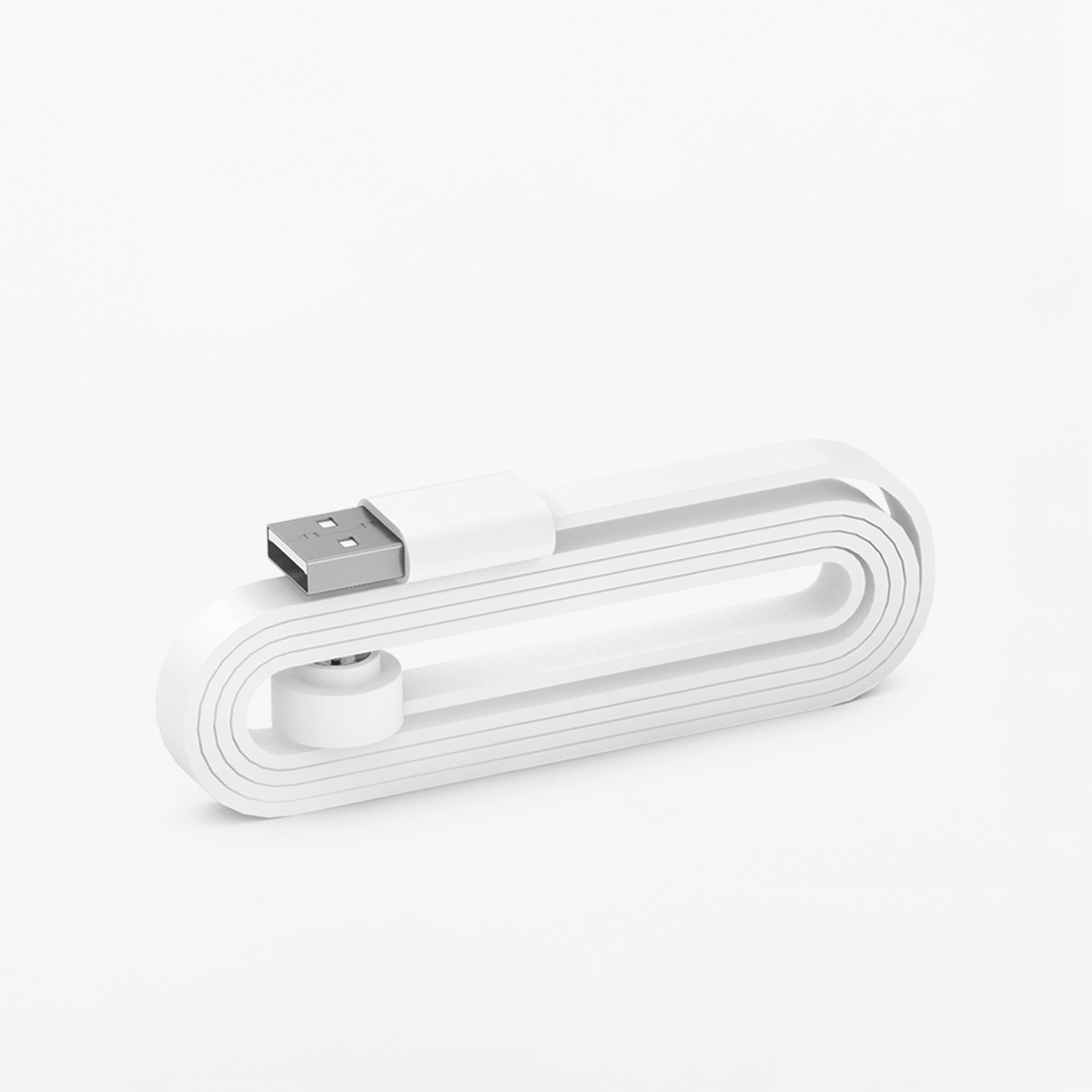
- If the device still doesn’t turn on, try a different cable or charger.
- If you see a blinking light, the battery is charging; a solid light means it’s fully charged.
Inspect The Water Reservoir
- Remove the reservoir and check for cracks or leaks.
- Ensure it’s filled with clean water and attached securely.
- Look at the rubber seal for damage or misplacement.
- Reattach the reservoir firmly and test the device.
Clean The Nozzle
- Remove the nozzle and rinse it under warm water.
- Use a toothpick or brush to remove any visible debris.
- Soak the nozzle in a mix of water and vinegar for 30 minutes to dissolve mineral buildup.
- Rinse again and reattach.
Test The Power Button
- Press the button several times to check if it’s stuck.
- Wipe the area with a damp cloth to remove dirt.
- If the button feels loose or broken, it may need replacement.
Reset The Device
- Some Quip models allow a reset. Hold the power button for 10 seconds.
- Wait for the indicator light to flash, then release.
Examine The Pump
- Listen for any motor sound when you press power.
- If the motor runs but no water comes out, the pump may be clogged.
- Try cleaning the internal parts as described in the manual.

Data: Most Common Quip Water Flosser Issues
Here is a summary of what users report most frequently:
| Issue | Percentage of Cases | Ease of Fix |
|---|---|---|
| Battery Not Charging | 35% | Medium |
| Nozzle Clogged | 28% | Easy |
| Water Reservoir Leak | 16% | Medium |
| Pump Failure | 12% | Hard |
| Electrical Fault | 9% | Hard |
How To Clean And Maintain Your Quip Water Flosser
Proper care can prevent most problems. Here’s how to keep your device running smoothly:
- Clean the nozzle weekly by soaking in vinegar and water.
- Empty and rinse the reservoir after each use.
- Wipe the exterior with a soft, damp cloth.
- Charge the battery fully at least once a month.
- Store the flosser in a dry place.
Tips For Deep Cleaning
- Once a month, run a mix of water and vinegar through the device.
- Disassemble all removable parts and soak them for 30 minutes.
- Use a small brush to clean hard-to-reach areas.
Table: Cleaning Frequency Vs. Device Lifespan
| Cleaning Frequency | Expected Lifespan | Performance |
|---|---|---|
| Weekly | 2+ years | Optimal |
| Monthly | 1-2 years | Good |
| Rarely | <1 year | Poor |
When To Replace Or Repair Your Quip Water Flosser
Sometimes, fixing isn’t possible, and you need a new device. Here’s how to decide:
- If the battery won’t hold a charge after several attempts, replacement may be needed.
- Cracked or leaking reservoir usually means buying a new part.
- If the pump or motor is silent, internal damage is likely.
- Broken buttons or electrical faults are hard to fix at home.
Repair Vs. Replace: What’s Better?
| Condition | Repair Cost | Replacement Cost | Recommendation |
|---|---|---|---|
| Dead Battery | $15-$25 | $40-$60 | Repair if possible |
| Leaking Reservoir | $10-$20 | $40-$60 | Replace part |
| Pump Failure | $30-$40 | $40-$60 | Replace device |
| Electrical Fault | $50+ | $40-$60 | Replace device |
Real Examples And Non-obvious Insights
Many users ignore minor leaks or slow water flow, thinking it’s normal. But these signs often mean a bigger problem is starting. If you catch these early, you can prevent full breakdown. Another point: using tap water with high minerals causes nozzle clogs faster. Try filtered water to reduce this risk.
People often forget to check the charger itself. A faulty cable or adapter is a hidden cause for “not working” complaints. Swapping the charger before troubleshooting the device can save time.
Some Quip models require you to assemble the nozzle until it clicks. If you don’t hear the click, the nozzle may not work. This assembly detail is easy to miss but critical.
How Quip Water Flosser Compares To Other Brands When Problems Occur
Quip is a popular choice, but how does it stack up against other water flossers?
| Brand | Ease of Repair | Parts Availability | Customer Support |
|---|---|---|---|
| Quip | Medium | Limited | Good |
| Waterpik | Easy | Wide | Excellent |
| Philips Sonicare | Medium | Moderate | Good |
| Oral-B | Medium | Moderate | Good |
This shows that Waterpik offers easier repairs and better parts access, while Quip provides solid customer support but fewer replacement parts. If you want easy fixes, consider brands with better parts availability.
Contacting Quip Support And Warranty
If you’ve tried all steps and your device still won’t work, reach out to Quip support. Most products come with a limited warranty, covering defects in materials and workmanship. You’ll need your purchase receipt and device serial number.
Visit the official Quip website for warranty details and support options: Quip Official Support.
Frequently Asked Questions
Why Is My Quip Water Flosser Not Spraying Water?
This usually means the nozzle is clogged or the reservoir isn’t attached correctly. Remove the nozzle, clean it, and check if the reservoir is full and secure.
How Can I Fix A Dead Battery In My Quip Water Flosser?
Try charging with a different cable and outlet. If it still won’t charge, the battery may need replacement. Contact Quip support for battery replacement options.
Is It Safe To Use Vinegar To Clean My Water Flosser?
Yes, vinegar and water is safe for cleaning nozzles and reservoirs. Mix equal parts, soak for 30 minutes, then rinse well.
What Should I Do If My Water Flosser Leaks?
Check the reservoir seal and look for cracks. If the leak continues, replace the reservoir or contact Quip for help.
Does Quip Offer Replacement Parts?
Quip offers some replacement parts like nozzles and reservoirs, but not all internal parts. Visit the Quip website to see what’s available.
Getting your Quip Water Flosser working again is usually possible with some simple checks and cleaning. Most issues are easy to fix at home, but if your device is truly broken, don’t hesitate to contact support or consider a replacement. Regular maintenance and careful assembly will help your flosser last longer and work better. Remember, catching small problems early is the best way to avoid bigger repairs. With these tips, you can keep your oral care routine strong and avoid unnecessary hassle.