
A toilet that does not fill with water is more than just a minor inconvenience. It can disrupt daily routines, cause frustration, and even lead to higher water bills if left unresolved. Many homeowners and renters experience this issue at some point, and understanding the causes and solutions can save time, money, and stress.
Whether your toilet is slow to refill, not refilling at all, or making unusual noises, this guide will help you diagnose the problem, explain the mechanisms involved, and show you how to fix it confidently. With practical advice and clear steps, you will learn how to restore normal function and prevent future problems.
How A Toilet Tank Fills With Water
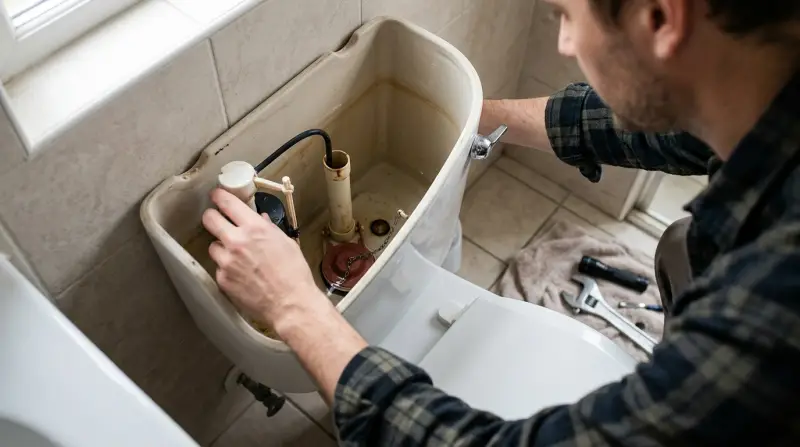
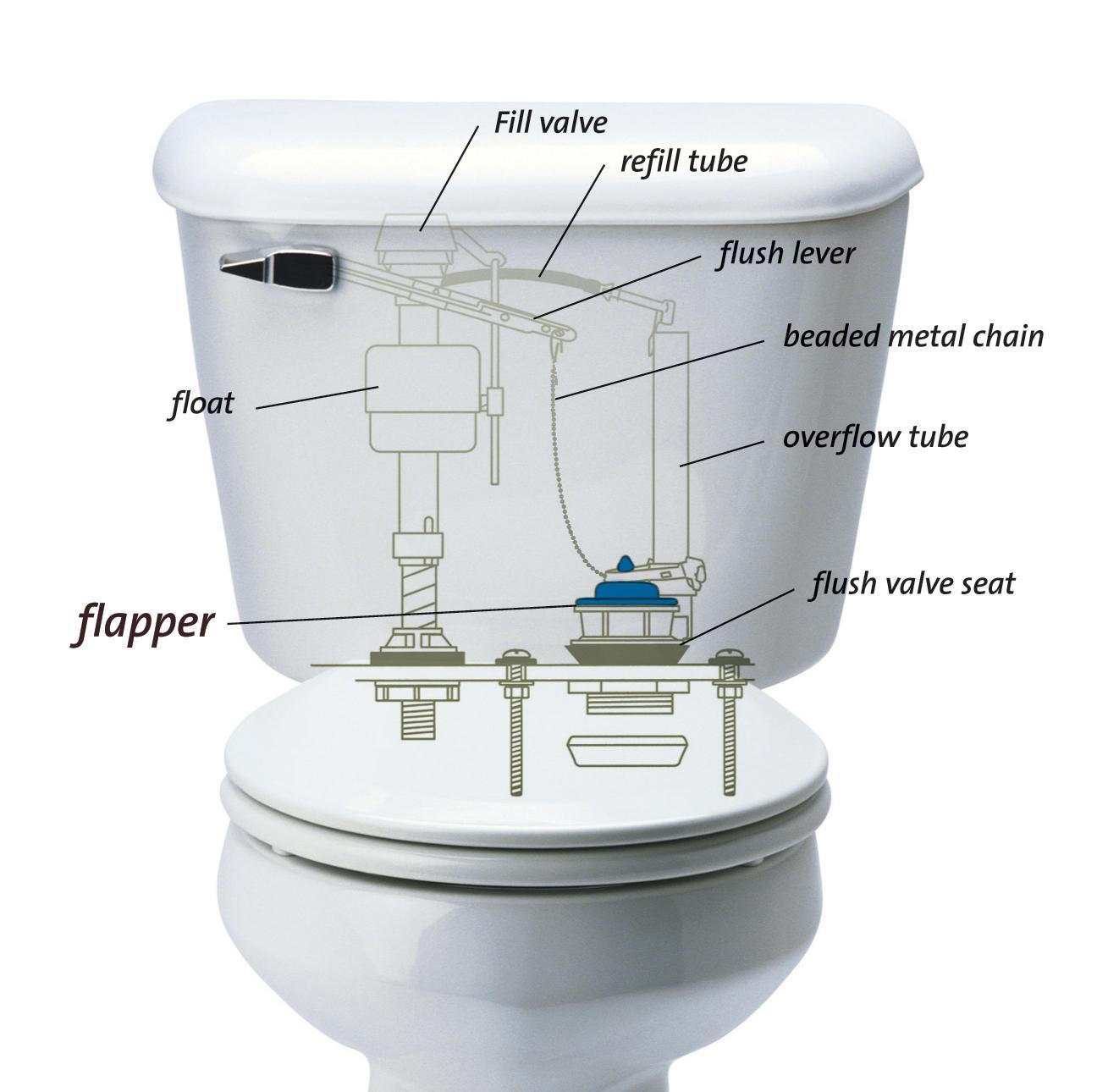
Before diving into problems, it helps to know how a toilet tank works. When you flush, water leaves the tank and goes into the bowl. The tank empties, and a mechanism called the fill valve opens, allowing water to flow in and refill the tank. The float rises with the water level, and once it reaches the set height, it signals the fill valve to shut off. A flapper at the bottom of the tank controls the release of water into the bowl.
The process involves several parts:
- Fill valve: Controls water entering the tank.
- Float: Measures water level and signals when to stop filling.
- Flapper: Seals the tank, opens during flush, closes afterward.
- Overflow tube: Prevents tank from overflowing.
If any part malfunctions, the tank may not refill correctly.
Common Reasons A Toilet Tank Isn’t Filling
Several factors can cause a toilet tank to stay empty or fill slowly. Let’s look at the most frequent culprits.
1. Water Supply Turned Off
Sometimes, the simple reason is that the water supply valve is closed or partially closed. Check the shutoff valve located near the wall behind your toilet.
2. Faulty Fill Valve
The fill valve can wear out or get clogged, stopping water from entering the tank. Modern fill valves last around 5–7 years, but hard water can shorten their lifespan.
3. Stuck Or Broken Float
If the float is stuck or broken, it may signal the fill valve to stay closed. A bent or misaligned float arm can also cause issues.
4. Damaged Flapper
A flapper that doesn’t seal properly lets water leak into the bowl, causing the tank to stay empty.
5. Clogged Supply Line
Mineral buildup or debris in the supply line can restrict water flow. Older homes with galvanized pipes are especially prone to this.
6. Low Water Pressure
If your home’s water pressure drops below 40 psi, the tank may fill slowly or not at all.
7. Broken Overflow Tube
A cracked or broken overflow tube can cause water to drain continuously, preventing the tank from filling.
8. Fill Valve Misadjusted
Incorrectly set fill valves can cut off water prematurely.
9. Leaky Tank-to-bowl Gasket
If the seal between the tank and bowl is leaking, water may escape before the tank is full.
10. Frozen Pipes
In cold climates, supply lines can freeze, blocking water flow entirely.
Diagnosing The Problem
To fix a toilet tank that isn’t filling, you must first identify the cause. Here is a practical step-by-step guide:
Step 1: Check The Water Supply
- Locate the shutoff valve behind the toilet.
- Turn it counterclockwise to open fully.
- If you hear water rushing, the valve was partly closed.
Step 2: Inspect The Fill Valve
- Remove the tank lid.
- Flush the toilet and observe the fill valve.
- Is water entering the tank? If not, the valve may be clogged or broken.
Step 3: Examine The Float
- The float can be a ball (older toilets) or a cup (newer toilets).
- Move the float up and down gently. It should move freely.
- If stuck, check for debris or misalignment.
Step 4: Check The Flapper
- Look for cracks, warping, or wear.
- A flapper that does not seal lets water leak into the bowl.
Step 5: Inspect The Overflow Tube
- Make sure the tube is intact, not cracked or loose.
Step 6: Assess Water Pressure
- Turn on a sink or shower nearby. If water flow is weak, your home may have low water pressure.
Step 7: Look For Leaks
- Check around the base of the toilet and under the tank for signs of water.
How To Fix A Toilet Tank That Isn’t Filling
Once you’ve identified the issue, you can try several solutions. Here’s how to fix the most common problems.
Fixing The Water Supply
If the valve is closed or partly closed, open it fully. If the valve is stuck, you may need to replace it. Most shutoff valves cost $10–$20 and can be installed with simple tools.
Repairing Or Replacing The Fill Valve
Fill valves are usually easy to replace. Here’s how:
- Shut off the water supply.
- Flush the toilet to drain the tank.
- Unscrew the fill valve from the tank.
- Remove and replace with a new fill valve (cost $15–$30).
- Tighten the nut, reconnect the supply line, and turn on the water.
Many modern fill valves come with clear instructions and can be installed in under 30 minutes.
Adjusting The Float
If the float is stuck, clear any debris and make sure the float arm is straight. You can bend it gently to adjust the height. For cup-style floats, turn the adjustment screw to raise or lower the float.
Replacing A Damaged Flapper
Flappers are inexpensive ($5–$15). To replace:
- Turn off the water supply.
- Remove the old flapper.
- Install the new one by hooking it onto the overflow tube.
- Turn the water back on.
Clearing A Clogged Supply Line
If you suspect a clog, turn off the water and disconnect the supply line. Run water through the line to flush out debris. If the line is severely blocked, replace it.
Fixing Low Water Pressure
Low water pressure can be caused by many things. Check for leaks, closed valves, or issues with your main water supply. If the problem is not just in the toilet, contact a plumber.
Repairing The Overflow Tube
If the tube is broken, replace it. Overflow tubes cost $10–$20 and can be installed with basic tools.
Correcting Fill Valve Adjustment
Set the fill valve to the recommended water level (usually marked inside the tank). Adjust the screw or clip on the fill valve until the float sits at the proper height.
Fixing A Leaky Tank-to-bowl Gasket
If you see water leaking between the tank and bowl, replace the gasket. This job requires removing the tank, so be sure to follow instructions carefully.
Dealing With Frozen Pipes
If pipes are frozen, thaw them slowly using a hair dryer or warm towels. Never use open flames. Insulate pipes to prevent future freezing.
Comparing Fill Valve Types
Choosing the right fill valve can make a big difference in performance and durability. Here’s a comparison of common types:
| Fill Valve Type | Average Lifespan | Noise Level | Ease of Installation | Price Range |
|---|---|---|---|---|
| Ballcock (older style) | 5–10 years | Moderate | Medium | $10–$20 |
| Float cup | 5–7 years | Low | Easy | $15–$30 |
| Diaphragm | 7–10 years | Very low | Easy | $20–$35 |
Float cup and diaphragm valves are quieter and more efficient than ballcock models. When replacing, check compatibility with your toilet.
Key Signs And Symptoms To Watch For
Recognizing early signs can help you fix problems before they get worse:
- Tank not filling at all: Often a closed supply valve or broken fill valve.
- Tank fills slowly: Usually clogged supply lines or low water pressure.
- Continuous running: Indicates a leaky flapper or broken overflow tube.
- Water on the floor: Could mean a leaky gasket or cracked tank.
If you notice any of these symptoms, act quickly to prevent water waste and damage.

Practical Tips For Preventing Toilet Tank Issues
Prevention is always better than cure. Here are some smart ways to keep your toilet running smoothly:
- Clean The Tank Regularly: Mineral deposits and debris can clog parts. Clean the tank every 6–12 months.
- Check For Leaks: Inspect for leaks under the tank and around the base every few months.
- Replace Parts Promptly: Don’t wait for a complete failure. Replace worn parts as soon as you notice issues.
- Avoid Harsh Chemicals: Chemical cleaners can damage rubber and plastic parts. Use mild cleaners.
- Insulate Pipes In Winter: Prevent freezing by wrapping pipes with insulation.
- Test Water Pressure Annually: If you live in an older home, check water pressure once a year.
Cost Comparison: Repair Vs. Replacement
Repairing a toilet tank is usually cheaper than replacing the whole toilet. Here’s a breakdown:
| Repair Type | Average Cost | DIY Difficulty | Time Required |
|---|---|---|---|
| Replace fill valve | $15–$30 | Easy | 30 minutes |
| Replace flapper | $5–$15 | Very easy | 15 minutes |
| Clear supply line | $0–$20 | Medium | 30–60 minutes |
| Replace overflow tube | $10–$20 | Medium | 30 minutes |
| Replace tank-to-bowl gasket | $15–$30 | Medium | 1–2 hours |
| Replace entire toilet | $100–$400 | Hard | 2–4 hours |
Most repairs are easy to do yourself, saving money on plumber fees.
Mistakes To Avoid When Fixing Toilet Tanks
Even experienced DIYers make mistakes. Avoid these common pitfalls:
- Forgetting to shut off water: Always turn off the supply before repairs to avoid flooding.
- Using the wrong parts: Match replacement parts to your toilet’s brand and model.
- Over-tightening bolts: Too much force can crack the tank.
- Ignoring leaks: Small leaks can quickly become big problems.
- Skipping regular maintenance: Neglect leads to bigger repairs.
Real-life Example: Slow Filling Toilet
Maria lives in a 30-year-old house. Her toilet tank started filling slowly, taking over five minutes. She checked the supply valve—it was fully open. After inspecting the fill valve, she found mineral buildup. Maria replaced the fill valve and cleaned the supply line.
The tank now fills in under one minute. Maria also learned to check for buildup every six months, preventing future issues.
This example shows how simple checks and maintenance can solve annoying problems quickly.

Credit: diy.stackexchange.com
How Water Quality Affects Toilet Tank Performance
Hard water, which contains minerals like calcium and magnesium, can cause mineral buildup in the supply lines, fill valve, and other parts. This leads to clogs, slow filling, and premature wear. If your area has hard water, consider installing a water softener or cleaning the tank more often.
According to the US Geological Survey, over 85% of homes in the US have hard water. Regular cleaning and maintenance are especially important in these areas.
Differences Between Modern And Older Toilets
Modern toilets use less water and have improved fill valves compared to older models. Older toilets (pre-1992) use 3. 5–5 gallons per flush, while modern ones use 1. 28–1. 6 gallons.
Here’s a quick comparison:
| Toilet Type | Gallons per Flush | Fill Valve Type | Maintenance Frequency |
|---|---|---|---|
| Pre-1992 | 3.5–5.0 | Ballcock | Annually |
| Post-1992 | 1.28–1.6 | Float cup/diaphragm | Twice a year |
Modern toilets are more efficient and require less water to fill, but may need more frequent maintenance due to smaller parts.
When To Call A Plumber
While most repairs are easy, some problems require professional help:
- Persistent leaks: If you cannot stop a leak after replacing parts.
- Low water pressure throughout the home: May signal bigger plumbing issues.
- Cracked tank or bowl: Needs replacement, not repair.
- Flooding or severe water damage: Immediate professional intervention is needed.
Plumbers charge $75–$150 per hour, so DIY repairs are often more economical for simple issues.
Environmental Impact Of Toilet Tank Issues
A malfunctioning toilet can waste thousands of gallons of water each year. According to the EPA, a leaky toilet can waste up to 200 gallons per day. Fixing leaks and ensuring the tank fills properly helps save water and reduces your environmental footprint.
Non-obvious Insights
- Water hammer effect: Sudden noises after flushing may indicate air trapped in the pipes, affecting fill valve function. Bleeding air from the system can restore normal operation.
- Invisible leaks: Sometimes, water leaks silently from the tank to the bowl. Use food coloring in the tank. If color appears in the bowl without flushing, you have a leak.
Recommended Brands For Replacement Parts
When buying new parts, choose well-known brands for reliability:
- Fluidmaster: Popular for fill valves and flappers.
- Korky: Known for durable rubber parts.
- American Standard: Widely available replacement parts.
- Toto: High-quality valves and gaskets.
These brands offer warranties and clear instructions, making repairs easier.
Safety Precautions
Always take safety seriously:
- Use gloves when working inside the tank.
- Avoid mixing cleaners; some combinations create dangerous fumes.
- If you smell gas or see sparks, stop and call a professional.
Troubleshooting Unusual Problems
Some issues are rare but important:
- Tank not filling after power outage: If you have a pressure-assist toilet, check the power supply.
- Tank fills but does not flush: The flapper or flush handle may be broken.
- Tank fills intermittently: Could be a faulty fill valve or pressure fluctuations.
If you experience these, check the relevant parts or contact a plumber.
Upgrading To A Modern Fill Valve
If your toilet is old, upgrading to a modern fill valve can improve efficiency and reduce noise. Modern valves are easier to adjust and less prone to leaks.
Installation steps:
- Shut off the water supply.
- Drain the tank.
- Remove the old fill valve.
- Install the new valve according to instructions.
- Adjust the float to the correct height.
Many homeowners report quieter operation and faster filling after upgrading.
Useful External Resource
For detailed diagrams and instructions, visit the Family Handyman site. They offer step-by-step guides for common toilet repairs.
Frequently Asked Questions
Why Does My Toilet Tank Fill Slowly?
Slow filling is usually caused by mineral buildup or a clogged supply line. It can also be due to low water pressure or a partly closed shutoff valve. Cleaning or replacing the supply line and fill valve often solves the problem.
Can I Use Household Cleaners Inside The Tank?
It’s best to use mild cleaners. Harsh chemicals can damage rubber and plastic parts, causing leaks or premature failure. Stick to vinegar or gentle toilet tank cleaners.
How Often Should I Check My Toilet Tank For Problems?
Check the tank every 6–12 months. Look for leaks, mineral buildup, and worn parts. Regular checks prevent larger issues and water waste.
What If My Toilet Tank Never Fills, Even After Trying These Steps?
If the tank still does not fill, check your main water supply and look for frozen pipes. If you cannot find the issue, it’s time to call a plumber.
Are Modern Fill Valves Worth Upgrading To?
Yes, modern fill valves are quieter, more efficient, and easier to adjust. They cost around $15–$35 and can be installed by most homeowners.
Solving a toilet tank that isn’t filling with water doesn’t have to be complicated. With the right knowledge, you can diagnose and fix most problems yourself. Regular maintenance and timely repairs help avoid bigger issues and save water. If you ever feel uncertain or face persistent problems, don’t hesitate to reach out to a professional.
A properly functioning toilet keeps your home comfortable and efficient for years to come.