
If you own a washing machine, you expect it to finish cycles in a set amount of time. But sometimes, you notice something odd: the washing machine keeps adding time to its cycle. Maybe your clothes should be done in 45 minutes, but the display suddenly jumps to 60, then 70, or even more. This can be confusing and frustrating, especially if you need your laundry done on schedule. Why does this happen? Is your machine broken, or is there a simple explanation? Let’s explore the real reasons behind this problem, how to fix it, and what you can do to prevent it in the future.
Why Washing Machines Add Time During Cycles
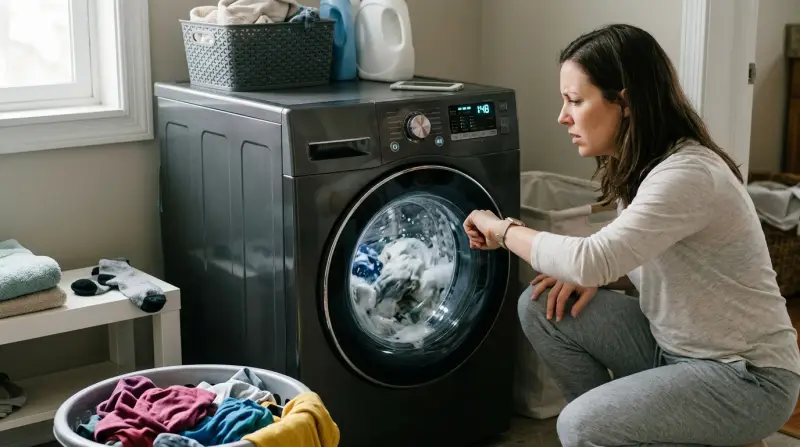
Modern washing machines are smarter than older models. They have sensors and computer chips that help them work better and use less water and energy. But these same features can also lead to cycles that last longer than expected. Here are the main reasons why your washing machine keeps adding time:
- Load Sensing Technology: Many washing machines now use sensors to measure how much laundry is inside. If the load is heavy or uneven, the machine may add more time to balance and wash the clothes properly. For example, if you throw in a big blanket with a few shirts, the machine will sense the weight and adjust the cycle.
- Unbalanced Loads: If the laundry is clumped together on one side, the drum can’t spin smoothly. The machine may pause, try to redistribute the load, and then restart the spin. Each time this happens, more minutes get added.
- Excess Suds: Too much detergent can cause extra bubbles, or “suds.” The machine will rinse more to remove these suds, which means more time is added to the cycle.
- Water Fill Issues: If the water pressure is low, or if the inlet filters are dirty, the machine takes longer to fill. Some machines will pause the timer or add extra minutes until the correct amount of water is inside.
- Dirty Sensors or Filters: Sensors that detect water level, temperature, or dirtiness can get clogged over time. When this happens, the machine may not “know” the cycle is complete and will keep adding time.
- Eco and Adaptive Modes: Many washers have “Eco” or “Smart” settings that change the cycle time based on soil level or fabric type. If the machine senses your clothes are very dirty, it will extend the wash.
Real-life Example
Consider a family of four using a front-loading washer. On a normal day, their 8 kg machine takes 60 minutes per wash. After a few months, they notice the display jumps to 90 or even 110 minutes. They check and find their kids are loading heavy towels and jeans together.
The machine keeps trying to balance the drum, adding more and more time. Once they start sorting the clothes better, the cycle time returns to normal.
Common Causes In Detail
To help you diagnose your own machine, let’s look closer at the most frequent causes:
Load Sensing And Balance Problems
Most modern washers use load sensing. This means:
- The machine spins briefly at the start.
- It “feels” the weight and distribution of the laundry.
- If the load is too big, too small, or uneven, it may add time to adjust.
Unbalanced loads are one of the top reasons for repeated time extensions. If the drum shakes or rattles, the washer stops spinning and tries to redistribute the load. It may repeat this several times, adding 5–15 minutes each time.
How To Fix:
- Spread clothes evenly in the drum.
- Avoid mixing heavy items (like towels) with light ones (like T-shirts).
- Don’t overload or underload the machine.
Suds And Detergent Mistakes
Too much detergent is a silent troublemaker. High-efficiency (HE) washers need only a small amount. If you use regular detergent or too much soap, suds build up. The washer then runs extra rinses, each adding several minutes.
How To Fix:
- Use only HE detergent if your machine needs it.
- Measure detergent carefully—never “eyeball” it.
- Clean out detergent trays and run a cleaning cycle monthly.
Water Supply Issues
If your washer is slow to fill, it may pause or add time. Common reasons:
- Low household water pressure (often below 20 psi causes problems)
- Clogged inlet screens or hoses
- Hot or cold water taps not fully open
How To Fix:
- Check both hot and cold water are turned on fully.
- Clean water inlet filters every few months.
- If your area has low pressure, consider a booster pump.
Sensor And Filter Problems
Washing machines use several sensors to run correctly: water level, temperature, and dirt sensors. Over time, these get dirty.
Dirty filters can also block water flow, leading to delays.
How To Fix:
- Clean lint filters, pump filters, and inlet screens regularly.
- If your washer has a self-cleaning cycle, use it monthly.
- If you see error codes, check your user manual for sensor cleaning steps.
Eco And Adaptive Cycles
“Smart” cycles sound great, but they can be unpredictable. For example, Eco Mode may run longer to use less water and energy. Adaptive cycles measure soil levels and add time if clothes are very dirty.
How To Fix:
- Use standard cycles if you’re in a rush.
- Only use Eco or Heavy Duty when truly needed.
- Clean sensors and keep the machine in good condition for accurate readings.

Credit: www.youtube.com
Comparing Washing Machine Cycle Times
Different machines and cycles have different default times. Here’s how standard cycle times compare across models:
| Machine Type | Normal Cycle (mins) | Eco Cycle (mins) | Heavy Duty (mins) |
|---|---|---|---|
| Front Loader | 50–70 | 90–120 | 80–100 |
| Top Loader | 35–55 | 60–90 | 60–80 |
| High-Efficiency | 45–70 | 100–140 | 90–110 |
As you can see, a cycle that starts at 70 minutes may go longer if the machine detects issues. If your normal cycle often takes over 90 minutes, it’s worth checking for one of the problems listed above.
Practical Steps To Prevent Time Extensions
If your washing machine keeps adding time, you can take action. Here’s what you can do today:
- Sort Loads Properly: Don’t mix heavy and light items. Wash towels, blankets, and jeans separately from shirts and socks.
- Check Detergent Use: Use the right type and amount. Too much soap is worse than too little.
- Clean Filters Regularly: Clean lint and pump filters monthly. Dirty filters slow everything down.
- Don’t Overload: Fill the drum about three-quarters full. Overloading leads to balance issues and more time.
- Check Water Flow: Make sure both hot and cold water are flowing well. Clean inlet screens twice a year.
- Choose The Right Cycle: Avoid Eco or Heavy cycles if you don’t need them. Use Quick Wash for small, lightly soiled loads.
- Keep The Machine Level: If your washer isn’t sitting flat, it will shake and add time as it tries to balance.
Advanced Troubleshooting
If you’ve tried all the easy fixes and your machine still adds time, it may be a deeper issue. Here are some advanced checks:
Software Or Firmware Glitch
Modern washers have control boards. Sometimes, software bugs cause time errors.
- Try unplugging the washer for 5 minutes to reset.
- Check for firmware updates (some brands let you update via USB).
Faulty Sensors
A water level, temperature, or balance sensor may be faulty.
- Look for error codes on the display.
- If you see codes, refer to your manual or contact support.
Mechanical Issues
Worn-out shock absorbers, belts, or bearings can cause shaking and time extensions.
- Listen for loud noises or grinding.
- If you suspect a mechanical issue, call a technician.
Comparing Common Problems And Fixes
Here’s a summary of the most common causes and what you can do about them:
| Problem | Typical Symptom | Quick Fix | Needs Technician? |
|---|---|---|---|
| Unbalanced Load | Shaking, time added | Redistribute laundry | No |
| Too Much Detergent | Lots of suds, extra rinses | Use less, run rinse cycle | No |
| Dirty Filters | Slow fill, long cycles | Clean filters | No |
| Sensor Fault | Error codes, time jumps | Reset, clean sensors | Maybe |
| Mechanical Failure | Loud noises, shaking | Check parts | Yes |
When To Call A Professional
Not every problem needs a repair call. But if you notice these signs, it’s time to get help:
- The washer is under warranty and keeps having the same problem.
- You see error codes that don’t clear after resetting.
- The machine makes loud banging or grinding noises.
- There is water leaking or the drum won’t spin at all.
A good technician can quickly check sensors, control boards, and mechanical parts. This can save you time and money in the long run.
Credit: inthewash.co.uk
Preventing Future Issues
Once you’ve fixed your current problem, keep your washer running smoothly with a few easy habits:
- Run a cleaning cycle with vinegar or washer cleaner monthly.
- Use the right detergent and measure carefully.
- Sort laundry by weight and type.
- Clean filters and check hoses every few months.
- Keep the machine level and stable.
If you want more details on washing machine care, the Wikipedia page on washing machines is a helpful resource.

Frequently Asked Questions
Why Does My Washing Machine Timer Keep Going Up Instead Of Down?
This usually happens because the machine senses an issue, like an unbalanced load, too much detergent, or a slow water fill. It pauses or repeats parts of the cycle, making the timer go up.
Will Using Less Detergent Really Help My Washer Finish Faster?
Yes. Too much detergent causes excess suds, which makes the washer run extra rinses. Using the right amount helps your machine finish on time.
Is It Bad To Stop The Washer And Restart If It Keeps Adding Time?
It’s safe, but if you don’t fix the underlying problem (like an unbalanced load), the issue will keep happening. Always check for overloaded drums or tangled items before restarting.
How Often Should I Clean My Washing Machine Filters?
For most homes, cleaning filters every 1–2 months is enough. If you use your washer daily, check them more often.
What If My New Washer Keeps Adding Time To Every Cycle?
If your washer is new and still under warranty, contact the manufacturer. Sometimes, there’s a software update or a faulty part that needs to be fixed.
A washing machine that keeps adding time can be annoying, but it’s usually easy to fix once you know what to look for. By following these steps, you can keep your laundry routine on track and avoid unnecessary delays.