
The Ninja Creami has quickly become a favorite kitchen gadget for making homemade ice cream, sorbet, gelato, and more. With its unique design, it turns frozen bases into creamy desserts in minutes. But like any appliance, it’s not perfect. Users often face problems that are frustrating, especially if you’re new to the Ninja Creami. If you find your ice cream too icy, your machine won’t spin, or you’re seeing error lights, you’re not alone. This guide explains common Ninja Creami troubleshooting steps, offers practical solutions, and shares expert tips to help you master your machine.
Understanding How The Ninja Creami Works
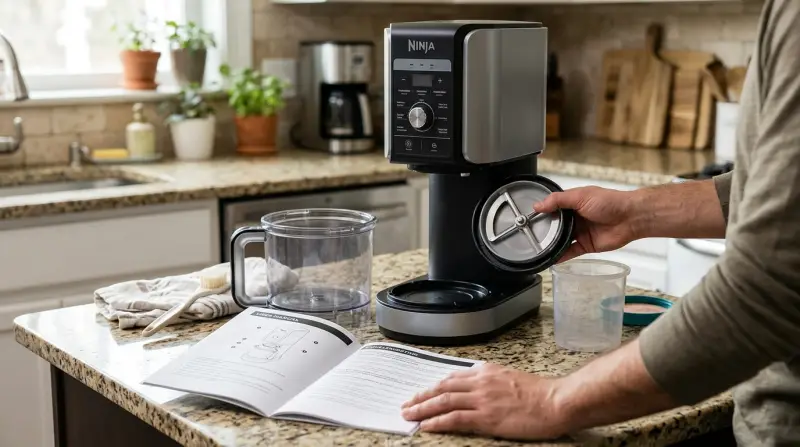
Before fixing problems, it helps to know the basics. The Ninja Creami works differently than traditional ice cream makers. Instead of churning a liquid, you freeze your base solid, then the Creami’s blade spins and shaves it into a creamy texture.
Here’s a quick summary of the process:
- Mix your base ingredients and pour into a Ninja Creami pint container.
- Freeze the pint for at least 24 hours until solid.
- Place the frozen pint in the machine and lock it in place.
- Select your desired function (Ice Cream, Sorbet, Gelato, etc. ).
- The Creami’s blade spins and shaves the frozen block into a smooth dessert.
Knowing these steps helps you spot where things can go wrong.
Common Ninja Creami Problems And How To Fix Them
Most issues with the Ninja Creami fall into a few main categories. Let’s look at each one, what causes them, and how to solve them.
Ice Cream Is Too Icy Or Hard
One of the most frequent complaints is icy texture instead of a creamy one. This usually happens because of:
- Not enough sugar or fat in the base.
- Base not fully frozen before spinning.
- Overfilling or underfilling the pint container.
How to Fix:
- Always use the recommended amount of sugar or sweetener. Sugar lowers the freezing point, making your dessert creamier.
- Add some cream, whole milk, or nut butter for extra fat.
- Freeze the pint for at least 24 hours. If your freezer is warmer than 0°F (-18°C), it may take longer.
- Fill the pint to the fill line, no more and no less.
If your first spin is icy, use the “Re-Spin” function. Often, running the cycle a second time makes it much smoother.
Machine Won’t Turn On Or Start
Sometimes the Ninja Creami seems dead or unresponsive. This can be caused by:
- The pint is not inserted correctly.
- The lid isn’t locked.
- The machine isn’t plugged in properly.
- Safety features prevent starting if something’s not right.
How to Fix:
- Double-check the pint is seated flat and the lid is locked. The handle should click into place.
- Make sure the power cord is plugged in securely and the outlet works.
- If you see flashing lights, remove the pint, reseat it, and try again.
- If the issue continues, unplug the machine for 1-2 minutes, then try again.
Loud Noise Or Unusual Sounds
The Ninja Creami is naturally a bit loud because it shaves through a solid block. But if you hear grinding, rattling, or screeching, something might be wrong.
Causes:
- Blade not installed correctly.
- Frozen base is too hard (sometimes happens with low-sugar recipes).
- Foreign object or ice chunk in the pint.
How to Fix:
- Remove the blade assembly and reattach it, making sure it’s secure.
- Let the pint sit at room temperature for 5–10 minutes before spinning.
- Inspect the pint for ice chunks or debris before starting.
Error Lights And Codes
The Ninja Creami uses indicator lights to show problems. Here are the most common signals:
| Error Light | What It Means | What To Do |
|---|---|---|
| Flashing Power | Something is misaligned | Check pint and lid; reseat both |
| Flashing Cycle Button | Pint not frozen enough or too hard | Let base thaw 5–10 min; try again |
| All Lights Flash | System error | Unplug, wait, and restart |
If a reset doesn’t help, contact Ninja support.
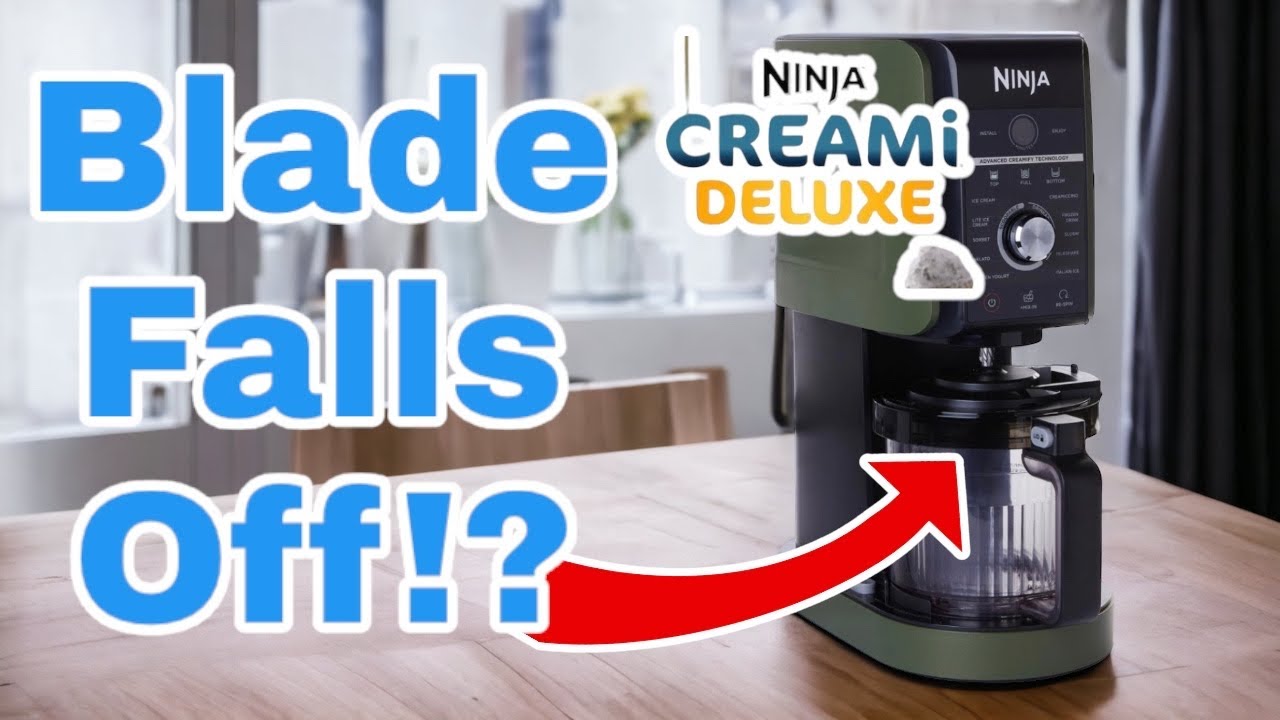
Blade Stuck Or Won’t Lower
A stuck blade is frustrating and can damage the machine if forced.
Causes:
- Overfilled pint.
- Frozen base expanded and blocked movement.
- Blade not aligned.
How to Fix:
- Never force the blade. Remove the pint and check for blockages.
- Let the pint sit at room temperature for a few minutes, then try again.
- Wipe the edges of the pint so nothing blocks the blade path.
Uneven Or Chunky Results
If you find large chunks or uneven texture, it’s usually due to:
- Ingredients not mixed well before freezing.
- Add-ins (like chocolate chips) added at the wrong time.
How to Fix:
- Always mix your base thoroughly before freezing.
- For add-ins, use the “Mix-In” function after the first spin. Don’t freeze with large chunks already inside.
- Scrape down the sides of the pint before spinning to help even out results.
The Machine Smells Or Tastes Off
Occasionally, users notice a plastic smell or odd taste in their desserts.
Causes:
- New machine (normal during first few uses).
- Parts not cleaned well.
- Residue from previous recipes.
How to Fix:
- Wash all removable parts with warm, soapy water before first use and after every batch.
- Run a pint of plain water through a spin cycle to help remove new-plastic smell.
- Avoid using strong-smelling cleaners.
Troubleshooting By Dessert Type
Different recipes may cause unique issues. Here’s how to troubleshoot by dessert style.
Ice Cream
- Too dense: Add a bit more cream or milk.
- Too soft: Use less sugar or alcohol in the mix.
Sorbet
- Grainy: Add more sugar or a tablespoon of corn syrup.
- Won’t spin: Let thaw a few extra minutes; fruit bases freeze harder than dairy.
Gelato
- Not creamy: Use more egg yolks or full-fat milk.
- Ice crystals: Chill your base before freezing for a smoother finish.
Milkshake
- Not blending: Add a splash of milk before running the cycle.
- Too thin: Use less liquid or a thicker base.
Essential Maintenance Tips
Good care prevents many problems before they start. Here are some best practices:
- Clean all parts after each use, especially the blade and pint.
- Inspect the blade for wear or damage. Replace if needed.
- Store the machine in a dry place, unplugged.
- Check the pint containers for cracks or warping. Damaged pints can cause errors or leaks.
- Don’t overfill or underfill pints—follow the fill line for best results.

Comparison: Ninja Creami Vs Traditional Ice Cream Maker
Understanding the differences can help you troubleshoot issues unique to the Creami.
| Feature | Ninja Creami | Traditional Maker |
|---|---|---|
| Base Preparation | Freeze solid, then spin | Churn liquid, freeze during churning |
| Speed | Ready in minutes (after freezing base) | 30–60 minutes churning |
| Texture Problems | Icy or chunky if under-processed | Can be icy if not churned enough |
| Cleaning | Blade and pint must be cleaned after every use | Bowl and paddle need cleaning |
Advanced Tips For Consistent Results
Even if you follow the basics, a few extra steps can help you get perfect desserts every time.
- Weigh your ingredients: Measuring by weight (grams) is more accurate than volume (cups).
- Chill your base: Before freezing, let your mixture chill in the fridge for a few hours. This helps prevent large ice crystals.
- Avoid alcohol: Even small amounts of alcohol can make your base too soft to process properly.
- Use stabilizers: A pinch of xanthan gum or cornstarch can help create a smoother texture.
- Adapt for altitude: At higher elevations, freezing and spinning times might change. You may need to experiment.
When To Call Ninja Support
Most issues can be fixed at home. But some problems require expert help:
- Machine won’t power on after all troubleshooting steps.
- Blade assembly is damaged or cracked.
- Repeated error codes that don’t clear with a reset.
- Electrical smell, smoke, or overheating.
Ninja’s customer service is known for being helpful. Have your model number and proof of purchase ready when you call.
For more details on the Ninja Creami’s design and troubleshooting, you can visit the official Ninja Kitchen Support page.
Frequently Asked Questions
Why Is My Ninja Creami Ice Cream Powdery Or Dry?
If your ice cream comes out powdery, it usually means there wasn’t enough sugar or fat in your base. Sugar and fat make the texture smooth. Try adding more sugar, honey, or full-fat dairy. Also, use the “Re-Spin” function to improve the texture.
Can I Process An Unfrozen Pint In The Ninja Creami?
No. The Ninja Creami is designed to process solid, frozen bases. Using a liquid or semi-frozen pint can damage the machine. Always freeze your base for at least 24 hours, or until it’s completely solid.
What Should I Do If The Blade Won’t Spin Or Is Stuck?
First, check if the pint is overfilled or if the blade is misaligned. Do not force it. Remove the pint, let it thaw for 5–10 minutes, and check for any blockages or ice build-up. If the blade still won’t move, contact customer support.
How Can I Make My Ninja Creami Desserts Less Icy?
Use enough sugar and fat in your recipes, chill your base before freezing, and avoid adding too much water or juice. If needed, use a stabilizer like a pinch of xanthan gum. The “Re-Spin” function can also help make the texture smoother.
My Ninja Creami Is Making A Loud Noise. Is This Normal?
Some noise is normal as the machine spins a solid frozen block. However, if you hear grinding, rattling, or metallic sounds, stop and check that the blade is installed correctly and the pint is not overfilled. If the noise continues, inspect for damage or contact support.
Final Thoughts
The Ninja Creami is a powerful tool for creating custom frozen treats at home. While problems can happen, most are easy to fix with a few quick checks and the right ingredients. Remember, the key to success is using the right base, freezing properly, and following the machine’s instructions. With these troubleshooting tips and best practices, you’ll be able to enjoy creamy, delicious desserts every time—without frustration. If you ever get stuck, don’t hesitate to reach out to Ninja’s support or check trusted resources for extra help. Happy spinning!