
If your Bosch refrigerator ice maker is not working, you’re not alone. Many people face this issue and feel unsure where to start. The ice maker is a convenient feature, but when it fails, it can turn into a daily frustration. Whether you rely on ice for drinks, food storage, or medical needs, knowing how to fix or troubleshoot your Bosch ice maker can save time and money. This article will guide you step by step, explain common causes, and help you decide whether to repair yourself or seek professional help. You’ll also find practical tips and clear answers to common questions. By the end, you’ll feel confident about handling this problem.
How Bosch Refrigerator Ice Makers Work
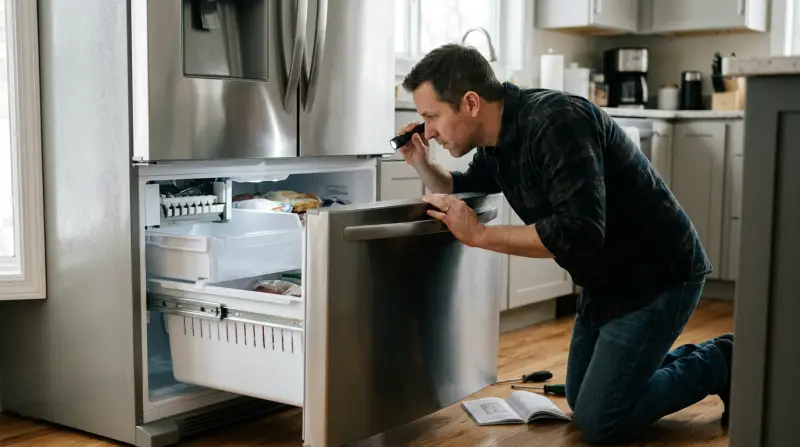
Understanding the basics of your Bosch ice maker helps with troubleshooting. Most Bosch models use an automatic ice maker connected to the water supply. When you activate the ice maker, it starts a cycle:
- Water inlet valve opens and fills a mold.
- Water freezes into cubes.
- An ejector mechanism pushes the cubes into the ice bin.
- The cycle repeats when the bin is not full.
Sensors and switches control these steps. If one part fails, the entire ice maker can stop working. Bosch models often use advanced sensors and efficient freezing technology, but even small issues can cause the ice maker to malfunction.
Common Reasons Your Bosch Ice Maker Stops Working
Several problems can cause your Bosch refrigerator’s ice maker to stop producing ice. Knowing these helps you focus your troubleshooting.
- Water supply issues: No water means no ice. Check the water line for kinks or blockages.
- Water filter problems: Old or clogged filters slow or stop water flow.
- Temperature problems: If the freezer is too warm, ice won’t form.
- Ice maker switch off: Sometimes, the ice maker gets turned off by accident.
- Faulty door sensor: If the refrigerator thinks the door is open, it may stop making ice.
- Broken ice maker components: Motors, valves, or sensors can fail.
- Frozen water line: Ice can block the water supply tube.
- Full or jammed ice bin: If the bin is full or cubes are stuck, new ice won’t be made.
These issues range from simple to complex. Start with easy fixes before moving to advanced troubleshooting.

Step-by-step Troubleshooting Guide
If your Bosch ice maker is not working, follow these steps. Most problems can be solved with basic checks.
1. Check The Ice Maker Switch
Bosch refrigerators often have an ice maker power switch. Make sure it’s ON. Some models use a lever or button inside the freezer.
2. Inspect The Water Supply
Look at the water line behind the fridge. Is it connected and straight? A bent or kinked tube will block water. Also, make sure the water shut-off valve is open.
3. Replace Or Clean The Water Filter
Filters remove impurities, but they can clog after a few months. Bosch recommends changing the filter every 6 months. If your filter is older or dirty, replace it.
4. Adjust Freezer Temperature
Ice forms best at 0°F (-18°C). Check your freezer’s temperature setting. If it’s too high, lower it. Avoid stacking items near the ice maker, as poor air flow can affect freezing.
5. Look For Frozen Water Line
Sometimes, the water tube inside the freezer gets blocked by ice. If so, use a hair dryer (on low) or let the freezer defrost for a few hours. Never use sharp objects to clear ice.
6. Inspect The Ice Bin
Remove the ice bin and check for stuck cubes or frost. Clean the bin and make sure it’s seated properly. Some Bosch models have sensors that detect bin position.
7. Test The Door Sensor
Bosch fridges use door sensors to control the ice maker. If the sensor is faulty or dirty, the ice maker may stop. Clean the area around the sensor and check for damage.
8. Reset The Ice Maker
Many Bosch refrigerators have a reset button. Press and hold it for 10 seconds. If your model doesn’t have a button, unplug the fridge for 5 minutes, then plug it back in.
9. Check For Error Codes
Modern Bosch fridges display error codes on their panels. Refer to your user manual or Bosch’s website for meanings. These codes can quickly pinpoint the issue.
10. Listen For Unusual Noises
Strange sounds can mean a motor or valve is failing. If you hear clicking, grinding, or buzzing, note when it happens and check the manual.
Many users miss the importance of filter replacement and freezer temperature settings. These are two areas beginners often overlook but are easy fixes.
When To Call A Professional
Some problems need expert help. If you’ve tried all steps and your Bosch ice maker still doesn’t work, consider these signs:
- Water leaks under the fridge
- Electrical faults or burning smell
- Error codes you can’t clear
- Ice maker parts visibly damaged
Professional repair costs for Bosch ice makers can range from $150 to $400. The most common repairs are replacing the water inlet valve or the ice maker unit.
Comparison: Diy Vs Professional Repair
Here’s a quick look at typical costs and success rates.
| Repair Type | Average Cost | Success Rate |
|---|---|---|
| DIY (simple fix) | $0–$50 | 80% |
| DIY (parts replacement) | $50–$150 | 60% |
| Professional repair | $150–$400 | 95% |
DIY repairs are cheaper, but professional service offers higher success, especially for complex issues.
Bosch Ice Maker Maintenance Tips
Regular care prevents most problems. Here are some tips for keeping your Bosch ice maker running smoothly:
- Change the water filter every 6 months.
- Clean the ice bin monthly.
- Check the water line for leaks or kinks twice a year.
- Keep the freezer temperature at 0°F.
- Avoid overfilling the freezer near the ice maker.
- Test the ice maker function after power outages.
A non-obvious tip: Use filtered water in homes with hard water. This reduces mineral buildup and extends ice maker life.
Bosch Refrigerator Models And Ice Maker Differences
Bosch offers several refrigerator models, each with unique ice maker features. Knowing your model helps with troubleshooting.
| Model | Ice Maker Type | Special Features |
|---|---|---|
| B36CL80ENS | Automatic | Sensor bin detection, built-in water filter |
| B21CL81SNS | Automatic | Fast freeze, door alarm |
| B24CB80ESS | Manual | Simple tray, no sensors |
| B36CT81SNS | Automatic | Touch control panel, error codes |
Most newer Bosch models use automatic ice makers with sensors and digital controls. Older models may require manual filling and lack error codes.
What To Avoid When Fixing Your Bosch Ice Maker
Some mistakes can cause more harm than good. Avoid these common errors:
- Using sharp tools to clear ice blocks (can damage tubes)
- Ignoring water leaks (can lead to mold or electrical issues)
- Overloading the freezer near the ice maker (blocks air flow)
- Replacing parts without checking compatibility
- Skipping filter replacements
Many beginners replace the ice maker without checking the water supply. Always start with the basics.
How Bosch Ice Makers Compare To Other Brands
Bosch is known for quality, but how does its ice maker stack up against competitors like Samsung and Whirlpool?
| Brand | Ice Maker Reliability | Typical Troubles | Average Repair Cost |
|---|---|---|---|
| Bosch | High | Sensor faults, filter clogs | $200 |
| Samsung | Medium | Water line freezing, bin jams | $250 |
| Whirlpool | Medium | Valve issues, manual reset needed | $180 |
Bosch ice makers are reliable but sensitive to sensor and filter issues. Samsung models tend to freeze water lines more often. Whirlpool ice makers often require manual resets.

Credit: www.partselect.com
When To Replace Your Bosch Ice Maker
If your ice maker fails repeatedly, it may be time to replace it. Signs you need a new unit:
- Multiple repairs within a year
- Parts are no longer available
- Ice maker is over 7 years old
- Water damage inside the freezer
Replacement units cost between $150 and $350. Always check if your refrigerator’s warranty covers ice maker replacement.
Frequently Asked Questions
Why Does My Bosch Ice Maker Make Small Or Misshapen Ice Cubes?
This usually happens when the water supply is low or the filter is clogged. Check your water pressure and replace the filter. Also, make sure the freezer is set to 0°F.
How Often Should I Clean My Bosch Ice Maker?
Clean the ice bin and ice maker components every month. This prevents odors, mold, and stuck cubes. Wipe with warm water and mild soap. Avoid harsh chemicals.
Can I Use A Universal Filter In My Bosch Refrigerator?
It’s best to use Bosch-approved filters. Universal filters may not fit correctly and can reduce water flow, causing ice maker problems. Always check compatibility.
What Should I Do If My Bosch Ice Maker Is Leaking Water?
Turn off the ice maker and check for loose connections or cracks in the water line. If the leak continues, contact a professional. Water leaks can damage flooring and create mold.
Are Bosch Ice Makers Covered Under Warranty?
Most Bosch refrigerators have a one-year warranty for parts and labor. Some models offer extended warranties for ice maker components. Check your warranty documents or the Bosch website for details.
For more detailed Bosch ice maker troubleshooting and model information, visit the official Bosch website.
Having a Bosch refrigerator ice maker that does not work can feel stressful, but most problems are easy to fix or prevent. Start with simple checks like the switch, water supply, and filter. Regular maintenance keeps your ice maker running smoothly.
If you face repeated or complex issues, professional repair or replacement may be best. With these steps and tips, you’ll enjoy reliable ice from your Bosch refrigerator for years.