
The Lowrance Ghost trolling motor has quickly become a favorite among serious anglers. With its brushless motor, wireless control, and advanced sonar integration, it promises a quiet, powerful, and smooth fishing experience. But like any high-tech gear, the Ghost is not without its issues.
Owners sometimes run into frustrating problems, from electrical glitches to steering trouble. If you’re considering a Lowrance Ghost or already own one, it’s smart to know what can go wrong, how to fix it, and how to get the most out of your investment.
Common Lowrance Ghost Problems
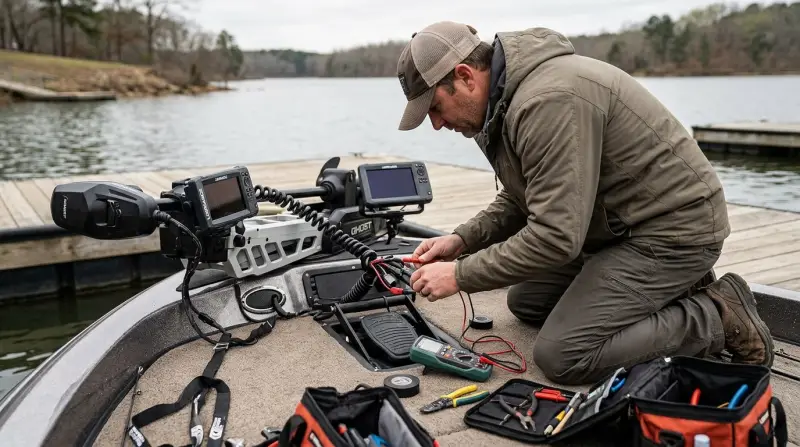
Even top-tier motors like the Lowrance Ghost can develop issues over time. Here are the most common problems that users report, along with real-world examples and insights that often surprise beginners.
1. Power Loss Or Motor Not Turning On
A common headache is when the motor won’t power up or suddenly shuts off. This can happen due to poor battery connections, a blown fuse, or problems with the internal wiring.
- Example: Many users find that their Ghost works perfectly in the garage but fails on the water. Often, this is due to loose battery terminals that shift during transport.
- Non-obvious insight: The Ghost draws more power than older trolling motors. Using undersized or old batteries can lead to frequent shutdowns, even if your setup worked fine with a different brand.
2. Steering Problems
Some anglers notice stiff or unresponsive steering. The Ghost uses a cable-free steering system, so issues usually come from the foot pedal, control board, or motor shaft.
- Example: If the motor turns one direction more easily than the other, the pedal’s internal magnets may be misaligned.
- Non-obvious insight: Dirt or sand under the pedal can also affect steering sensitivity. Regular cleaning is more important than most owners realize.
3. Gps And Spot-lock Issues
The Ghost’s Anchor Mode (Spot-Lock) is a big selling point, but some users experience drifting or loss of GPS lock.
- Example: If your boat is not holding position, check for software updates. Outdated firmware can cause GPS errors.
- Non-obvious insight: Metal objects near the control head can interfere with the Ghost’s GPS antenna, causing inaccurate positioning.
4. Propeller And Shaft Noise
While the Ghost is designed to be ultra-quiet, some users report odd noises or vibrations from the prop or shaft.
- Example: A humming sound at certain speeds often means the propeller is slightly loose or damaged.
- Non-obvious insight: Swapping to a different prop (like the Ghost’s “Weedless” prop) can sometimes solve noise issues, especially in weedy lakes.
5. Connectivity And Software Glitches
The Ghost connects with Lowrance fishfinders and mobile apps, but sometimes the devices lose connection or display false readings.
- Example: If sonar images suddenly disappear, check for loose data cables and update both the Ghost and the fishfinder’s firmware.
- Non-obvious insight: Running too many Bluetooth devices near the Ghost can cause interference with wireless controls.
Troubleshooting Lowrance Ghost Problems
Knowing how to troubleshoot common issues can save you time and frustration on the water.
Power And Electrical Checks
- Inspect all battery connections for tightness and corrosion.
- Use a multimeter to check battery voltage under load. The Ghost needs at least 24V (for the 24V model) or 36V (for the 36V model).
- Replace any blown fuses with the correct type and rating.
- Check for pinched or cut wires, especially after installing the motor or moving it between boats.
Steering And Pedal Adjustments
- Remove the pedal and clean underneath to remove dirt or debris.
- Re-calibrate the pedal by following the Lowrance instructions (usually involves pressing and holding certain buttons).
- If steering is still sticky, inspect the shaft for damage and lubricate as recommended in the manual.
Updating Firmware
Connect your Ghost to a compatible Lowrance display or use the Lowrance app to check for firmware updates. Updates can fix GPS, sonar, and connectivity issues.
Fixing Propeller Noise
- Remove and inspect the prop for nicks, bends, or weeds.
- Tighten the prop nut securely, but don’t overtighten.
- Test different prop styles if noise persists.
Improving Gps Accuracy
- Mount the Ghost’s head away from large metal objects.
- Calibrate the compass and GPS following the manual.
- Avoid stacking electronics near the trolling motor.
Comparing Lowrance Ghost With Other Trolling Motors
Choosing a trolling motor is a big decision. Here’s a side-by-side look at the Ghost versus its main competitors.
| Feature | Lowrance Ghost | Minn Kota Ultrex | Garmin Force |
|---|---|---|---|
| Motor Type | Brushless | Brushed | Brushless |
| Max Thrust | 120 lbs | 112 lbs | 100 lbs |
| Voltage | 24/36V | 24/36V | 24/36V |
| Spot-Lock | Yes | Yes | Yes |
| Integrated Sonar | Yes (HD/Active Imaging) | Yes (Mega Imaging) | Yes (Ultra HD) |
Warranty And Customer Support
Lowrance offers a three-year warranty on the Ghost, with an option to extend it. Most warranty claims cover motor defects, electrical failures, and faulty controls.
What To Expect From Support
- Response times can range from 1 to 5 days.
- Lowrance often asks for a video of the problem, so record any unusual behavior before contacting them.
- Some repairs require sending the motor to an authorized service center, which can take several weeks.
Maintenance Tips For Fewer Problems
Proper care can prevent many common Ghost problems. Here are practical tips that make a real difference:
- Check wiring and battery terminals every trip.
- Store the motor in a dry place—excess moisture can damage electronics.
- Clean the shaft, prop, and foot pedal after each outing, especially in muddy or weedy conditions.
- Update firmware at least twice a year.
- Avoid running the motor out of water, as this can damage the seals.
Real-world Data: Failure And Satisfaction Rates
Let’s look at what owners actually experience:
| Issue | % of Owners Reporting | Typical Fix |
|---|---|---|
| Power Loss | 18% | Check wiring/battery |
| GPS Drift | 12% | Update firmware |
| Steering Issues | 9% | Clean pedal/recalibrate |
| Prop Noise | 6% | Replace/tighten prop |
| Software Glitch | 8% | Restart/update |
Most owners report high satisfaction when the Ghost is working properly, but a small number experience recurring problems that require professional help.

Credit: www.youtube.com
When To Call A Professional
Not every Ghost problem is a quick DIY fix. You should contact Lowrance or an authorized dealer if:
- The motor makes loud, grinding noises.
- Steering locks up and won’t respond to pedal inputs.
- The unit displays error codes you can’t clear.
- Water gets inside the motor housing.
Ignoring these signs can void your warranty or cause permanent damage.
Cost Of Repairs And Replacement Parts
The Ghost’s advanced design means some repairs are costly. Here’s a look at average prices for common replacement parts:
| Part | Average Cost (USD) |
|---|---|
| Foot Pedal | $200–$300 |
| Control Board | $350–$500 |
| Propeller | $40–$60 |
| GPS/Compass Module | $100–$180 |
| Motor Shaft | $250–$400 |
These costs can add up, so always check your warranty status before buying parts.
How To Prevent Lowrance Ghost Problems
Prevention is always better than repair. Here are less obvious ways to keep your Ghost running smoothly:
- Use a dedicated battery bank for the trolling motor to avoid voltage drops from other electronics.
- Install a battery monitor to track real-time voltage and catch problems early.
- Avoid coiling or kinking data cables, as this can weaken connections over time.
- Keep a spare propeller and prop nut on board for emergency repairs.
Is The Lowrance Ghost Worth The Investment?
Despite these issues, the Ghost is still one of the most advanced and powerful trolling motors available. It’s especially strong if you already use Lowrance electronics. Most problems have a clear cause and solution, and customer support is generally helpful, though not always fast.
If you want quiet operation, wireless control, and top-tier sonar, the Ghost is hard to beat—but only if you’re prepared to keep up with maintenance and firmware updates.
For more technical details and the latest updates, check the official Lowrance website.
Frequently Asked Questions
What Batteries Work Best With The Lowrance Ghost?
The Ghost needs high-quality deep cycle marine batteries, preferably AGM or lithium. For the 24V model, two 12V batteries are wired in series. For 36V, use three. Avoid old or mismatched batteries, as they can cause shutdowns or power loss.
How Often Should I Update The Ghost’s Firmware?
Check for updates at least twice a year or before each fishing season. Updates fix bugs, improve GPS accuracy, and add new features. Always update both the Ghost and your Lowrance fishfinder for best results.
Why Does My Ghost Lose Gps Lock Sometimes?
GPS lock issues often come from interference, outdated firmware, or poor mounting positions. Keep the motor head away from metal and electronics, and update the software regularly to prevent drifting.
Can I Fix Steering Issues Myself?
Many steering issues are easy to fix at home. Clean under the pedal, recalibrate the controls, and inspect the shaft. If you hear grinding or the pedal won’t move, contact Lowrance for repair.
Is The Lowrance Ghost Compatible With All Boats?
The Ghost fits most bass boats and fishing rigs, but always check shaft length and mounting style before buying. Some older boats may need wiring upgrades to handle the Ghost’s higher current draw.
Owning a Lowrance Ghost can be a game-changer for your fishing, but understanding and preventing common problems is the real key to trouble-free days on the water. With a little regular care, you’ll enjoy quiet, powerful performance for years to come.