
Every refrigerator is designed to keep your food fresh, but not everyone thinks about the air quality inside. The air filter in your LG refrigerator does an important job: it helps remove odors, bacteria, and airborne particles, making sure your food smells and tastes better. Over time, this filter gets full and stops working well. Many owners ignore this small part, but changing the air filter is an easy task that can make a big difference in your kitchen.
If you’ve never replaced the air filter before, you’re not alone. Many people don’t realize how simple it is or how much it matters. Some worry about damaging the fridge, while others just don’t know where to start. This guide will show you, step by step, how to change the air filter on your LG refrigerator, explain why it’s important, and help you avoid common mistakes.
By the end, you’ll know exactly what to do and why it matters for your home.
Understanding The Lg Refrigerator Air Filter
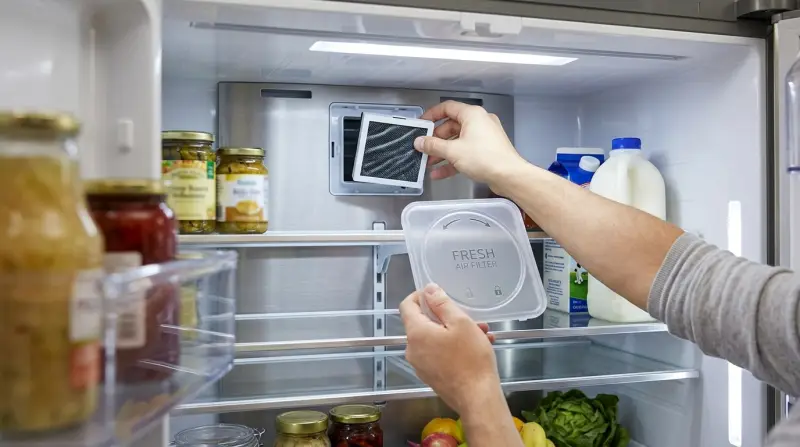
The air filter in an LG refrigerator is not the same as the water filter. While the water filter cleans the water for your ice and dispenser, the air filter removes unwanted smells and some bacteria from the air inside your fridge. Most LG refrigerators use a carbon-based filter that absorbs odors and helps keep the air inside fresh.
How The Air Filter Works
When the doors are closed, air circulates inside your refrigerator. Without a filter, any strong-smelling foods—like onions or cheese—can quickly spread their scent to everything else. The air filter traps these smells and some bacteria, so the air stays cleaner and your food is less likely to pick up unwanted flavors.
Where To Find The Air Filter
In most LG refrigerators, the air filter is located inside the fridge compartment, usually on the back wall, near the top or center. It often sits inside a round or rectangular plastic housing labeled “Fresh Air Filter. ” The filter cover may have a small notch or tab for easy removal.
Signs It’s Time To Replace The Air Filter
Many people forget to change the air filter until they notice problems. Here are clear signs your air filter needs replacing:
- Persistent odors inside the fridge, even after cleaning
- Food smells mixing together
- The air filter indicator light is on (for models with a filter reminder)
- More visible condensation or mold growth
Most manufacturers, including LG, recommend replacing the air filter every 6 months. However, if you store a lot of strong-smelling foods, you might need to do it more often.
Why Changing The Air Filter Matters
Some homeowners wonder if replacing the air filter really makes a difference. The answer is yes—for several reasons.
Improved Food Quality And Shelf Life
A fresh air filter helps your food last longer. Spoiled air can speed up the spoilage process, especially for fruits, vegetables, dairy, and leftovers. Odors can also transfer from one food item to another, making everything taste and smell similar.
Healthier Fridge Environment
The air filter reduces the amount of bacteria and mold spores in the air. This doesn’t mean your fridge is completely germ-free, but it does help lower the risk of contamination, especially for foods eaten raw.
Better Smelling Refrigerator
No one wants a refrigerator that smells bad every time you open the door. A clean filter keeps the air inside fresh, so your kitchen doesn’t fill with unwanted odors.
Preventing Common Problems
Neglecting the air filter can lead to mold growth, sticky residue, and even mechanical issues if moisture builds up. Changing the filter is an easy way to avoid these problems.
Credit: www.lg.com
Types Of Lg Refrigerator Air Filters
LG uses a few different air filter designs across its refrigerator models. Knowing which one fits your fridge is important before you start.
| Filter Type | Common Models | Approx. Replacement Cost | Lifespan |
|---|---|---|---|
| LT120F (Round) | French Door, Side-by-Side | $10–$25 | 6 months |
| ADQ73214404 (Rectangular) | Some older LG models | $8–$20 | 6 months |
| Custom/Proprietary | High-end & Smart models | $15–$35 | 6 months |
Before buying a filter, check your refrigerator’s user manual or look for the model number inside the fridge. Using the wrong filter can reduce performance or even cause the cover not to close properly.
Tools And Supplies You’ll Need
Changing the air filter on an LG refrigerator is a quick DIY project. Most people won’t need any special tools, but it’s best to be prepared.
- Replacement air filter (check the exact model)
- Soft cloth (for cleaning the filter area)
- Mild cleaner (optional, for wiping down the compartment)
- Step stool or ladder (if your fridge is tall or hard to reach)
For most LG models, the filter cover is designed to open and close by hand, so no screwdriver is required. However, if your filter housing is stuck, a flathead screwdriver can help pry it open—just be gentle to avoid breaking the plastic.
Step-by-step Guide: How To Change The Air Filter On An Lg Refrigerator
This section covers the entire process, from start to finish. Always check your owner’s manual for your specific model, but these steps will work for most LG refrigerators.
1. Locate The Air Filter Housing
Open your refrigerator door and look for the air filter compartment. It’s usually:
- On the back wall, near the top center
- Labeled “Fresh Air Filter” or similar
- A round or rectangular plastic cover, often with a twist or push tab
If you can’t find it, refer to your owner’s manual or search your model number online for a diagram.
2. Remove The Old Air Filter
To access the filter, you’ll need to open the housing cover. There are two common styles:
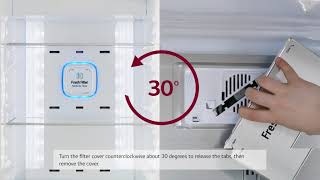
- Twist-to-open: Turn the cover counterclockwise (left) until it pops off.
- Push-to-release: Press the tab and gently pull the cover off.
Once the cover is off, you’ll see the old filter inside. Pull it straight out. If it’s stuck, wiggle it gently—don’t force it or you could break the holder.
3. Clean The Filter Area
Before installing the new filter, use a soft cloth to wipe away any dust or debris inside the housing. If you see mold or sticky residue, use a little mild cleaner. Make sure the area is dry before you continue.
Non-obvious tip: This is a good time to check for hidden spills or old food pieces that may have slipped behind the filter housing. Cleaning here can prevent future smells.
4. Insert The New Air Filter
Take the new air filter out of its packaging. Look for arrows or labels showing which side should face out. Most filters are designed to fit only one way.
- Align the filter with the holder and slide it in gently.
- If it doesn’t fit, make sure you have the correct filter model.
- For round filters (like LT120F), the flat side usually faces out.
5. Reattach The Filter Cover
Put the cover back on:
- Twist-to-open covers: Line up the notches, then turn clockwise (right) until it clicks.
- Push-to-release covers: Snap the cover back into place until it locks.
Check that the cover is secure and flush with the fridge wall.
6. Reset The Filter Indicator (if Applicable)
Many newer LG refrigerators have a filter replacement indicator on the control panel. After changing the filter, you need to reset this light:
- Press and hold the Air Filter button on the control panel for 3 seconds.
- The indicator should turn off or change color.
If your fridge doesn’t have a reset button for the air filter, just make a note of the date so you remember to change it again in 6 months.
7. Monitor For Issues
After installing the new filter, pay attention over the next few days:
- Has the odor improved?
- Is the indicator light off?
- Is the cover secure and not loose?
If you notice any problems, double-check that the filter is installed correctly and matches your refrigerator model.
Common Mistakes To Avoid
Even though changing the air filter is simple, some common errors can reduce its effectiveness or cause other issues.
1. Using The Wrong Filter Type
Not all LG refrigerators use the same filter. Always check your model before buying a replacement.
2. Forgetting To Reset The Filter Indicator
If you don’t reset the indicator, you might forget when the next change is due.
3. Skipping The Cleaning Step
Dust and mold can build up in the filter compartment. Wiping it clean helps your new filter work better.
4. Forcing The Filter Or Cover
If something doesn’t fit, stop and double-check. Forcing parts can crack the plastic or damage the mechanism.
5. Ignoring Persistent Odors
If your fridge still smells bad after changing the filter, you might have old spills or spoiled food hidden somewhere. Take the time to clean shelves, drawers, and behind bins.
Non-obvious insight: Some LG refrigerators need a special “air filter reset” sequence on the digital display. If pressing the button doesn’t work, check your model’s manual for the right method.
How To Choose The Right Replacement Air Filter
Choosing the correct filter is essential. A poor-quality or incorrect filter can leave odors and even harm your fridge’s performance.
Check Your Model Number
The best way to find the right filter is by checking your refrigerator’s model number, usually found:
- Inside the fridge, on a sticker near the door frame
- In your owner’s manual
Search online or at the store for filters that match this model.
Compare Oem Vs. Aftermarket Filters
You’ll see two main types of replacement filters:
| Filter Type | Pros | Cons | Typical Price |
|---|---|---|---|
| OEM (Original Equipment Manufacturer) | Guaranteed fit, best performance | More expensive | $15–$35 |
| Aftermarket/Generic | Cheaper, widely available | May not fit perfectly, lower quality | $8–$20 |
If your refrigerator is still under warranty, using non-OEM filters may affect your coverage. Always read the fine print.
Trusted Brands And Where To Buy
LG recommends using their official filters. However, you can find reliable third-party brands online or at appliance stores. Look for filters with positive reviews and a clear return policy.
For more information on filter compatibility and quality, visit Consumer Reports.
How Often Should You Replace The Air Filter?
Most LG refrigerators recommend replacing the air filter every 6 months. However, this can vary based on your usage and the types of food you store.
Factors That Affect Filter Lifespan
- Heavy use: If your fridge is opened often or you store lots of leftovers, the filter will work harder.
- Strong-smelling foods: Storing onions, fish, or spicy foods can clog the filter faster.
- High humidity: Moist air can reduce filter life.
Setting A Reminder
To avoid forgetting, set a reminder on your phone or calendar for 6 months after your last change. Some LG models have a built-in reminder on the control panel. If yours doesn’t, a simple sticky note inside the fridge can help.
What Happens If You Don’t Replace It?
If you leave the old filter in too long:
- Odors will return and spread quickly.
- Mold and bacteria can build up.
- The filter may become clogged, reducing air flow and making your fridge less efficient.
Credit: www.lg.com
Troubleshooting: If The Air Filter Won’t Fit Or The Indicator Won’t Reset
Sometimes, things don’t go as planned. Here’s how to handle common problems after changing your LG refrigerator’s air filter.
The New Filter Won’t Fit
- Double-check the filter model number and compare it to your refrigerator’s user manual.
- Make sure you’ve removed all packaging materials.
- Some filters need to be turned or pressed firmly into place—don’t force it, but make sure it’s fully inserted.
The Cover Won’t Close
- Check for any obstructions or misalignment.
- If the cover is warped or damaged, you may need a replacement cover.
- Try reinstalling the filter; sometimes it’s not seated properly.
The Filter Indicator Light Stays On
- Hold down the Air Filter button for a full 3 seconds. If it doesn’t work, try unplugging the fridge for a minute, then plugging it back in.
- Some models require a different reset sequence. Check your manual for details.
Persistent Odors After Changing The Filter
- Remove all food and clean the interior with a mixture of baking soda and water.
- Check under shelves and drawers for hidden spills.
- If the smell continues, the problem may be with the defrost drain or another part of the fridge.
Non-obvious insight: Sometimes, a new filter needs a few hours or a day to start working at full strength. Give it time before deciding there’s a problem.
Tips For Maximizing Air Filter Performance
A new air filter works best when your fridge is clean and organized. Here’s how to get the most out of your replacement:
- Keep food sealed: Use airtight containers for leftovers and strong-smelling foods. This reduces odor and helps the filter last longer.
- Don’t overfill the fridge: Good air circulation is key. Too much food blocks the flow, making the filter less effective.
- Clean spills quickly: Wipe up any leaks or drips right away to prevent mold growth and strong smells.
- Check for expired items: Old or spoiled food can overwhelm even a new filter.
- Maintain regular cleaning: Wipe down shelves, bins, and the door every few weeks.
Practical tip: If you notice your fridge still smells after following all these steps, place an open box of baking soda inside as a backup deodorizer.
Comparing Lg’s Air Filter System To Other Brands
LG refrigerators are known for their fresh air filter system, but how does it stack up against the competition? Here’s a quick comparison:
| Brand | Filter Type | Replacement Frequency | Odor Removal Effectiveness |
|---|---|---|---|
| LG | Carbon-based, snap-in | 6 months | Very good |
| Samsung | Carbon or HEPA, slot-in | 6 months | Good |
| Whirlpool | Carbon, slide-in | 6 months | Good |
| GE | Carbon, twist-in | 6 months | Average |
LG’s system is simple to use, with clear reminders and easy-to-replace filters. Some high-end models from other brands may use HEPA filters for added protection, but for most homes, LG’s carbon-based filter provides a good balance of odor removal and cost.
Environmental Impact: What To Do With Used Air Filters
Throwing away used air filters might seem wasteful, but most are not designed to be recycled because they contain activated carbon and plastic. However, here are a few environmentally friendly steps you can take:
- Check with your local recycling center: Some programs accept used appliance filters.
- Reduce waste: Only replace the filter when needed—don’t change it too often.
- Buy in bulk: Purchasing filters in multi-packs can reduce packaging waste.
If you’re concerned about environmental impact, look for filters with recyclable packaging and eco-friendly materials. Some brands now offer biodegradable filter casings.
Safety Precautions When Changing The Air Filter
Changing your refrigerator’s air filter is safe, but a few precautions will make the process even smoother:
- Unplug the fridge if you need to use water or spray cleaners inside.
- Avoid using harsh chemicals near food storage areas.
- Handle plastic parts carefully to prevent cracking or breaking.
- Wash your hands after touching an old filter, especially if it’s dirty or moldy.
These simple steps keep your appliance, your food, and your hands safe.
When To Call A Professional
Most air filter changes are easy, but there are times when you might need help:
- The filter housing is broken or missing
- You can’t get the filter or cover off, even after trying gently
- The indicator light won’t reset after several attempts
- There are signs of mold or damage you can’t clean
If you’re unsure, it’s better to call an appliance technician than risk damaging your refrigerator. Many repairs are quick and inexpensive when handled early.

Credit: www.youtube.com
Frequently Asked Questions
How Do I Know Which Air Filter Fits My Lg Refrigerator?
Check your refrigerator’s model number, usually found on a sticker inside the door. Search for that number in your owner’s manual or online to find the correct filter type. Using the wrong filter can cause poor fit or reduced performance.
Can I Clean And Reuse My Old Air Filter?
No, LG refrigerator air filters are designed for single use. Trying to clean and reuse them will not restore their odor-absorbing ability. Always replace with a new filter every 6 months for best results.
Why Does My Refrigerator Still Smell After Changing The Air Filter?
Persistent odors may be caused by hidden food spills, expired items, or mold in hard-to-reach areas. Clean the interior thoroughly and check under shelves and bins. If the problem continues, check the drain or call a technician.
Is It Okay To Use Generic Or Off-brand Air Filters?
Generic filters can work, but they may not fit as well or last as long as OEM (original LG) filters. If your fridge is under warranty, using non-LG filters could void coverage. Always check reviews and ensure compatibility before buying.
How Do I Reset The Air Filter Indicator On My Lg Refrigerator?
Most LG models require you to press and hold the Air Filter button on the control panel for 3 seconds. If that doesn’t work, consult your owner’s manual for the specific reset process for your model.
Replacing the air filter in your LG refrigerator is a small task that brings big benefits. It keeps your food fresher, your kitchen smelling clean, and your appliance running well. With the clear steps and tips above, you can handle this simple maintenance job with confidence. Remember, a fresh filter is an easy way to take care of your home—and your health.