
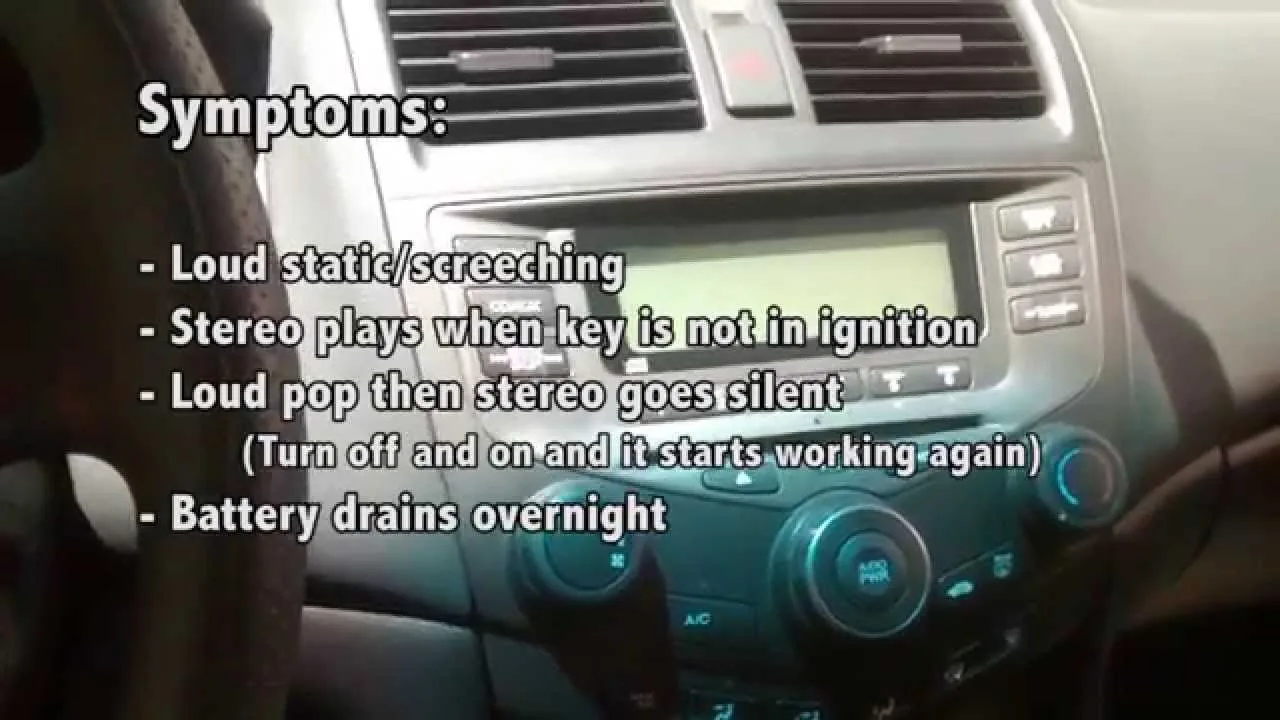
A blown fuse is the most common reason for a Honda Accord Stereo Not Working, accounting for the vast majority of power-related issues in these vehicles. You can confirm this quickly by checking the fuse box diagram in your owner’s manual to locate the specific fuse for the audio system. If the metal filament inside the fuse is broken or burnt, it needs a replacement. Always check your vehicle’s official Honda owner’s manual for the exact fuse location and amperage ratings, as these vary by model year and trim level.
Why your Honda Accord stereo not working
| Cause | How common | How to confirm it | Fix it yourself? |
|---|---|---|---|
| Blown radio fuse | Most common | Visual inspection of fuse | Yes |
| Loose power wire | Occasional | Jiggle harness connections | Yes with care |
| Internal unit failure | Occasional | No power or lights | No |
| Faulty ground wire | Rare | Check for corrosion | No |
| Software system crash | Rare | Perform hard reset | Yes |
| Antenna disconnect | Rare | Check antenna cable | Yes |
Check your fuse panel first. Most vehicles use a 10-amp or 15-amp fuse specifically for the head unit. If the metal filament inside the fuse appears broken or charred, replace it with one of the exact same amperage. Using a higher rating risks melting your wiring harness.
If the fuse is intact, check the ground connection. A loose ground often causes intermittent power loss that cuts out when you hit a bump. You can confirm this by checking for rust or paint buildup where the wire meets the chassis.
Many drivers mistake a simple software lock for a hardware failure. If your screen is frozen but the buttons remain backlit, perform a hard reset by disconnecting the negative battery terminal for sixty seconds. This clears the volatile memory and forces the system to reboot, which resolves most temporary glitches without requiring a professional repair.
Safety: Inside a mains-powered machine, the parts behind the outer cover can hold a dangerous electrical charge even after it has been unplugged — that’s why they sit behind a cover. Opening the housing, or testing or replacing anything behind it, is a job for a qualified technician, never a home repair.
Blown electrical system fuses
A blown fuse is a safety feature designed to protect your car’s wiring from electrical surges. When the current exceeds the limit allowed by the fuse, the thin metal strip inside melts to break the circuit. If your radio suddenly stops working alongside other interior features like the clock or interior lights, a shared circuit fuse has likely tripped.
To confirm this, find the fuse panel located either under the dashboard on the driver’s side or inside the engine bay, depending on your specific model. Pull the fuse labeled “Radio” or “Audio” using a fuse puller tool. Hold it up to the light; if the wire inside is severed or the plastic casing looks charred, the fuse is dead. Replacing it’s simple: buy a new fuse with the exact same color and amperage rating as the original. If you use a fuse with a higher amperage, you risk melting the wiring harness, which is a major fire hazard. This fix takes about ten minutes and costs very little. If the new fuse blows immediately upon installation, you have a short circuit somewhere in the wiring, and you must stop and seek professional help.
Disconnected or loose wiring
A loose wire behind the dashboard is the second most likely cause if your radio seems to flicker before dying. Over time, road vibrations can wiggle the main power harness or the ground cable loose from the back of the head unit. You can tell this apart from a blown fuse because the radio might work intermittently when you hit a bump or turn a corner.
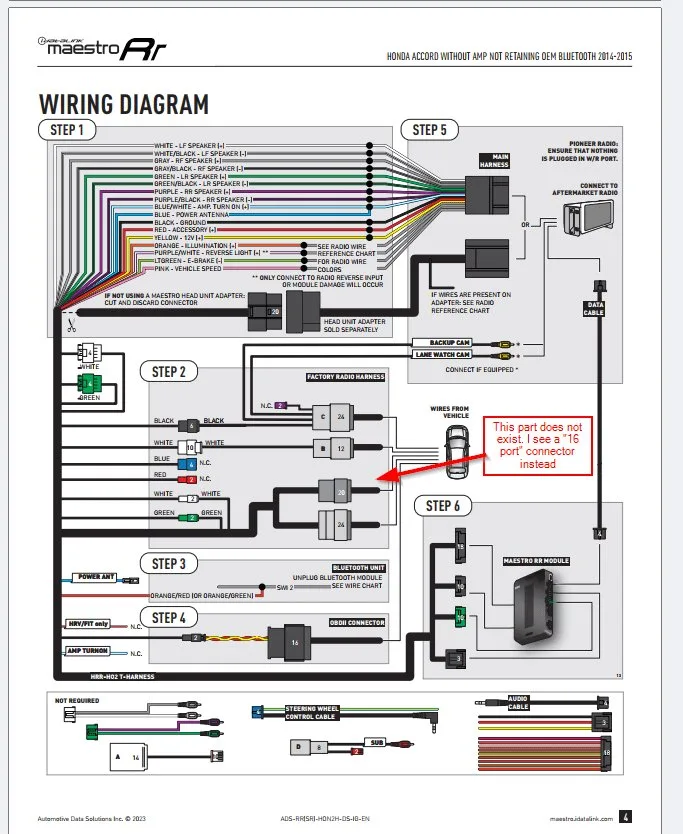
If you suspect a loose connection, you must access the rear of the stereo. This varies by model; some require removing trim panels, while others involve removing the entire center console assembly. Once the unit is accessible, push firmly on the large plastic connectors at the back to ensure they’re seated correctly. If the unit powers on, the connection was the problem. If it remains dead, the issue is internal. This task is for those comfortable with interior trim removal. If you aren’t careful, you can easily scratch the dashboard or break the plastic clips that hold the trim in place. If the clips break, the trim will rattle or sit unevenly forever. If you find frayed wires or burnt pins on the connector, don’t attempt to repair these yourself, as improper splicing can cause electrical fires.
Internal hardware malfunction
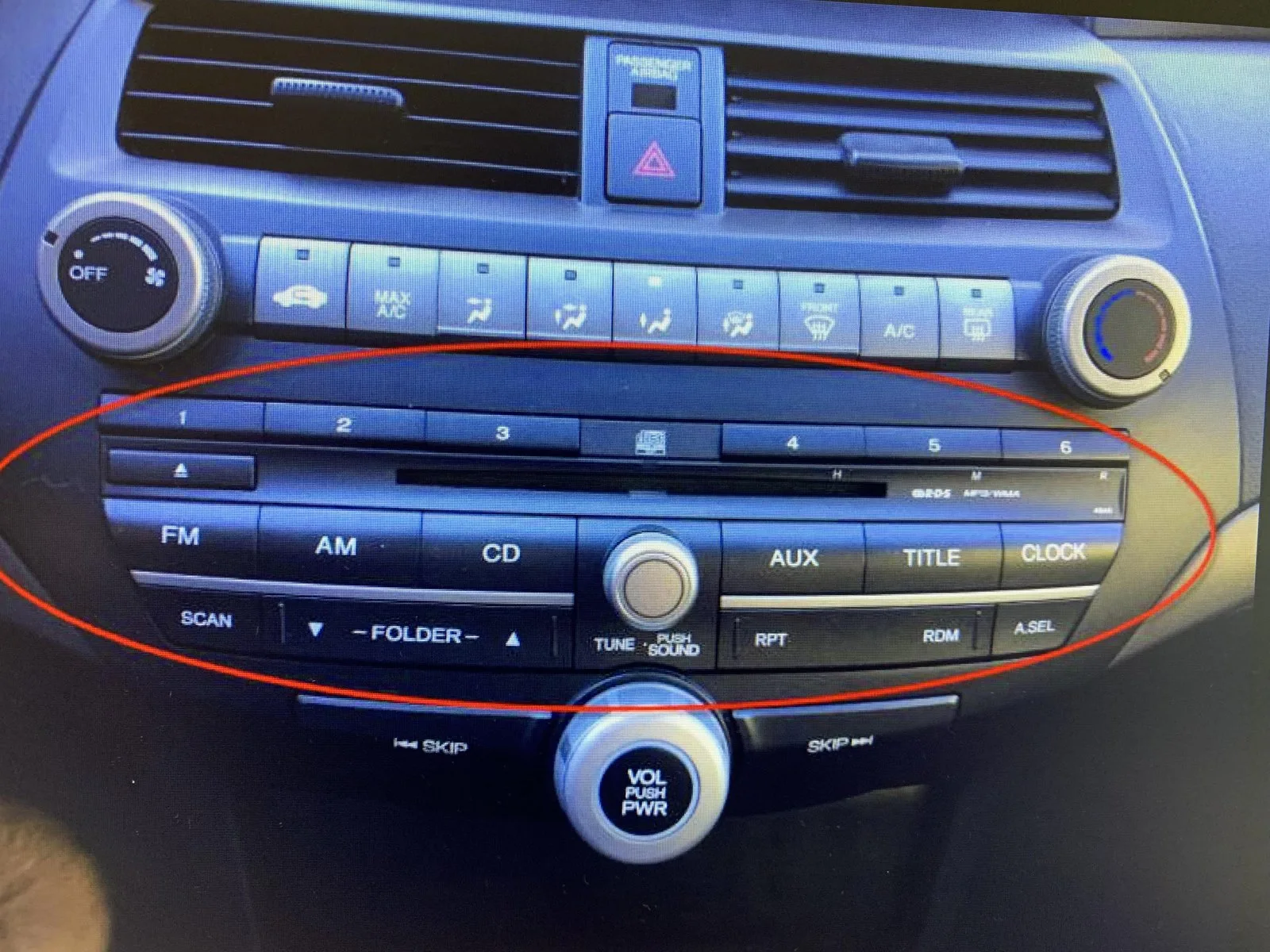
Internal hardware failure occurs when the electronic components inside the radio unit itself stop functioning. Unlike a blown fuse or a loose wire, this typically happens without warning. You can confirm this if the radio receives power—meaning the buttons light up—but no sound comes out, or the screen remains frozen or black.
This issue is common in older vehicles where the internal capacitors or the amplifier chip have reached the end of their service life. If the unit has power but no function, a reset might help. Disconnect the negative terminal of your car battery for ten minutes to clear the system’s memory, then reconnect it. If the radio still fails to function after this, the internal circuitry is likely damaged. Repairing the internal components of a stereo requires specialized soldering equipment and technical knowledge of circuit boards. For most owners, the cost of professional repair is often higher than the price of a modern aftermarket replacement unit. If you choose to replace the unit, ensure you have the radio security code provided by the manufacturer, or the new unit will remain locked and unusable.
The less likely causes
-
Faulty ground connection: This happens when the metal contact point for the radio’s ground wire rusts or gets covered in debris, preventing a complete circuit. If your radio intermittently cuts out when you hit a bump, check the chassis bolt. A loose connection often causes the unit to reboot randomly while driving.
-
Antenna cable detachment: If the radio works but you can’t pick up any stations, the antenna cable has likely unplugged from the back of the unit. Inspect the connection port for a bent center pin. If the pin is straight but reception remains static-heavy, the cable shielding may be frayed.
-
System software glitch: A rare software hang can freeze the screen, which often resolves by performing a hard reset through the battery terminal method. Disconnect the negative battery cable for ten minutes to clear the volatile memory.
-
Steering wheel control interference: A short in the steering wheel audio controls can sometimes send a “mute” signal to the radio, making it appear broken. If your volume fluctuates without input, unplug the steering wheel harness to isolate the fault.
What a fix usually involves
Fixing a stereo issue depends entirely on the root cause. A blown fuse requires a small, inexpensive part that you can find at any auto parts store. Replacing a fuse is a simple task that requires no special skills beyond knowing the correct amperage for your vehicle. If the radio unit itself is the problem, you face a trade-off: you can pay for a professional to diagnose the internal board, or you can replace the entire unit. Replacing the unit is often the most cost-effective path, as modern aftermarket stereos offer more features than the original factory equipment. However, getting a professional quote is wise if you prefer to keep the dashboard looking original. You can find the exact part numbers and compatibility information on the official manufacturer website by entering your VIN. Always ensure you have the correct trim removal tools before attempting to access the radio, as using household items like screwdrivers will almost certainly damage your car’s interior finish.
Frequently asked questions
Can I fix my car radio if it has no power?
Yes, you can fix it if the cause is a blown fuse or a loose harness connection. Check your fuse box first, as this is the most common point of failure. If the fuse is intact and the harness is tight, the internal components of the radio may have failed, which usually requires a full unit replacement.
Is it safe to replace a car fuse myself?
Yes, it’s safe as long as you use a replacement fuse with the exact same amperage rating as the one you removed. Never substitute a fuse with a higher rating or a piece of metal, as this creates a serious fire hazard. Always turn the ignition off before you touch any fuses to avoid an electrical short.
How long does it take to check the radio fuse?
About five to ten minutes is the standard time needed to locate, remove, and inspect a fuse. You’ll need to consult your owner’s manual to find the fuse box location. If you don’t have the manual, look for a diagram printed on the inside of the fuse box cover to identify the radio circuit.
Does it matter if I use a different brand of fuse?
Yes, it matters because you must match the physical size and the amperage rating specified by the manufacturer. A fuse that doesn’t fit perfectly will create a poor connection, leading to intermittent power. Always match the amperage rating stamped on the top of the fuse to ensure the circuit protection remains at the correct level.
What happens if I disconnect the car battery?
The radio may enter a security lock mode if it’s a factory-installed unit. Many Honda radios require a specific security code to turn back on after the battery has been disconnected. Check your glove box or owner’s manual for a small card containing this code before you perform a battery reset to avoid locking yourself out.
Is it safe to drive with the radio removed?
Yes, it’s safe to drive, but you’ll have an open hole in your dashboard and exposed wiring. Cover any loose wires with electrical tape to prevent them from touching metal surfaces and causing a short. Keep in mind that some modern vehicles integrate climate controls into the same screen, which may stop working if the unit is removed.
Final Thoughts
If these simple checks don’t bring your music back to life, it’s time to visit a professional technician. They’ll have the specialized tools to inspect your wiring or internal hardware. Don’t worry if you can’t fix it yourself; getting an expert opinion will ensure your car’s sound system stays reliable.