
Low coolant levels are the most common reason for a Jeep Liberty Heater Not Working, accounting for the vast majority of cases where the cabin air stays cold. You can confirm this quickly by checking the level in the coolant reservoir when the engine is cool. If the reservoir is empty or below the minimum line, the system can’t circulate enough hot fluid to the heater core to warm the air.
Why your Jeep Liberty heater isn’t working
| Cause | How common | How to confirm it | Fix it yourself? |
|---|---|---|---|
| Low coolant level | Very common | Check reservoir level | Yes |
| Air in cooling system | Common | Feel hoses for heat | Yes |
| Stuck thermostat | Common | Watch engine temperature | Yes with care |
| Clogged heater core | Occasional | Feel inlet/outlet hoses | No |
| Broken blend door | Occasional | Listen for clicking | No |
| Failed blower motor | Rare | Listen for fan noise | Yes with care |
Low coolant is the primary culprit. If your reservoir is below the minimum line, top it off with the manufacturer-specified fluid. Don’t use water, as it lacks the necessary anti-corrosive properties.
Air pockets often trap heat in the engine block. If your heater hoses feel cold while the engine is hot, you likely have trapped air. You must use a spill-free funnel or a vacuum-fill tool to bleed air from the system, as running an engine with the radiator cap off can cause pressurized coolant to spray out.
A stuck thermostat is a common trap. If your temperature gauge stays low or fluctuates wildly, the valve is likely stuck open. Replacing this is a standard DIY task, but you must wait for the engine to cool completely to avoid severe burns.
If the heater core is clogged, the inlet hose will typically be hot while the outlet hose is cold, indicating a lack of flow through the core. This indicates a circulation failure, not an air pocket. Don’t attempt a chemical flush yourself; you risk rupturing the core and leaking coolant into your cabin.
Low coolant levels and air pockets
Low coolant prevents the heater core from receiving the hot fluid it needs to warm the cabin air. If your engine is running at a normal temperature but the vents blow cold, the coolant may be too low to reach the heater core, which sits high in the dashboard. You should always check the coolant level only when the engine is completely cold to avoid serious burns from pressurized steam.
If the reservoir is low, top it off using the specific coolant type listed in your Jeep owner manual. Don’t mix different colors or types of coolant, as this can cause sludge to form in the radiator. After filling the reservoir, run the engine with the heater set to the highest temperature. If the heat returns, you likely had a simple leak or evaporation. If the air stays cold, you may have trapped air in the cooling system. This often happens after a recent repair or a slow leak that let air enter the lines.
If you have a leak, you must find it before it causes the engine to overheat. A small leak in a hose or radiator is a common mistake that people ignore until the engine overheats, which can lead to a blown head gasket. If you see puddles under the car or white smoke from the exhaust, stop driving and contact a professional mechanic immediately.
Stuck thermostat issues
A thermostat that stays stuck in the open position prevents the engine from reaching its proper operating temperature. The engine needs to be hot to provide heat to the cabin. If your dashboard temperature gauge stays low or takes a very long time to rise while driving, the thermostat is likely the culprit.
To check this, let the engine idle for about ten minutes. If the temperature gauge remains in the lower range, the thermostat is likely stuck open. If the gauge shows a normal temperature but the air is still cold, the thermostat isn’t the cause, and you should look elsewhere. Replacing a thermostat is a task that varies by model; check the label on your engine housing or your service guide to see if yours is accessible. If you decide to replace it yourself, ensure the engine is cold and you have the correct replacement part for your specific year and engine size.
There’s a trade-off here: while a thermostat is a relatively inexpensive part, a mistake during installation can lead to air pockets or leaks. If you aren’t comfortable working with cooling lines or bleeding air from the system, this is a job for a shop. If you choose to do it, always use a new gasket to prevent leaks. If the engine temperature is normal but the heater is still cold, the problem lies deeper in the heater core or the cabin controls.
Clogged heater core circulation
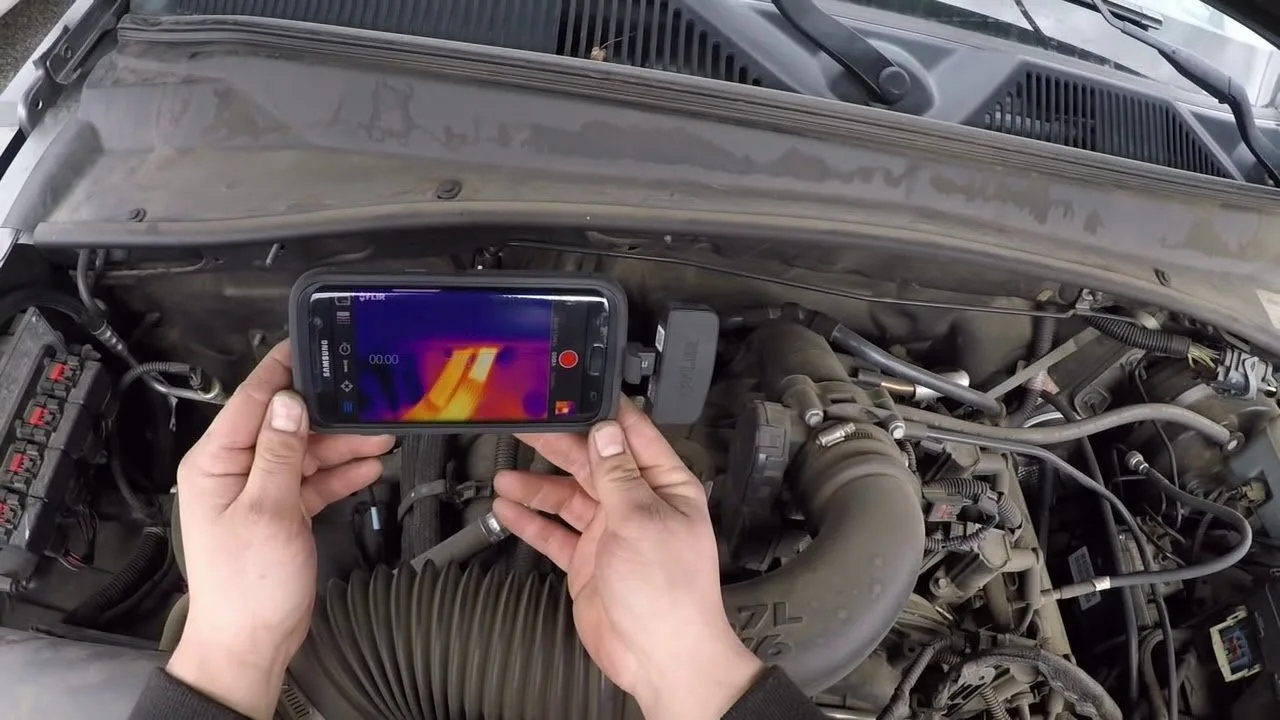
A clogged heater core happens when debris or old coolant creates a blockage inside the small tubes that heat the cabin air. You can test this by touching the two rubber hoses that run from the engine into the firewall. If one hose is hot and the other is cold to the touch, the coolant isn’t flowing through the core. This is a common issue in older vehicles where the cooling system hasn’t been flushed as recommended.
If both hoses are cold, it indicates that the coolant isn’t circulating through the heater circuit, which may be caused by a closed heater control valve or a blockage in the supply line. If both hoses are hot but the air is cold, the issue is likely with the air blend doors inside the dash. The heater core is a small radiator, and if it’s internally blocked, it can’t be cleaned by a home user.
This isn’t for the person who wants a quick fix. Removing the heater core often requires taking apart the dashboard, which is a major job. If you confirm the core is blocked, you should seek a professional technician. They have the tools to flush the system or replace the unit without damaging the sensitive plastic clips and components found behind the dashboard. A clogged core is a permanent failure that won’t resolve itself with simple maintenance.
The less likely causes
-
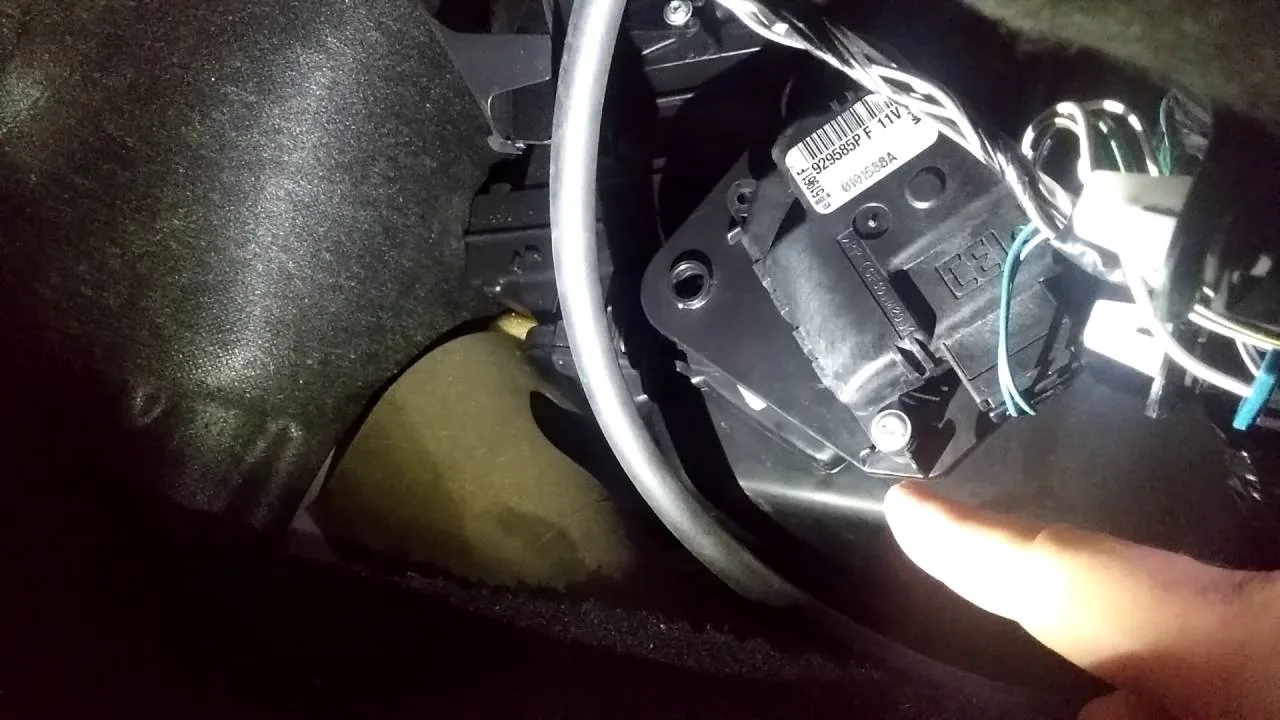
Broken blend door: The plastic door that mixes hot and cold air has snapped, leaving it stuck in the cold position. You can often hear a rhythmic clicking sound behind the dash when changing temperature settings. If you hear this noise, the actuator motor is likely spinning against a broken plastic stop.
-
Failed blower motor: The fan that pushes air through the vents has stopped working entirely, meaning you’ll feel no airflow at all. Test this by turning the fan speed to maximum. If you hear a faint hum but feel nothing, the motor is seized. If there’s total silence, check the fuse first to avoid an unnecessary repair.
-
Faulty control head: The buttons or dials on your dashboard aren’t sending the signal to the heater system. This is common in vehicles with digital climate control. If the display flickers or ignores inputs, the internal circuit board has likely failed.
-
Water pump failure: The pump isn’t moving coolant through the engine, which usually causes the engine to overheat very quickly. If your temperature gauge spikes within ten minutes of driving, stop immediately. A failed pump prevents hot coolant from ever reaching the heater core, leaving your vents blowing ice-cold air despite a scorching engine.
What a fix usually involves
Fixing a heating issue involves either simple fluid maintenance or complex mechanical repairs. If the problem is low coolant, the fix is a small part—the coolant itself—and your own time. If you need a new thermostat, the part is inexpensive, but you’ll need basic hand tools and a catch pan for the old fluid. A shop will charge for labor and the cost of flushing the system, which is a standard procedure to ensure no debris remains.
When the heater core is the problem, the cost becomes a significant portion of the vehicle’s value because it requires many hours of labor to access the dashboard. Always ask a shop for a written estimate before they start, and confirm they will test the system under pressure once the repair is finished. You can find the specific maintenance schedule for your model in your service manual to see if a flush was missed. If you’re ever unsure about a step, stop and call a professional to avoid costly damage.
Frequently asked questions
Can I drive with the heater not working?
Yes, you can drive the car, but you must confirm the engine isn’t overheating first. The heater isn’t required for the engine to run, but it’s a vital part of the cooling system. If the engine temperature gauge moves into the red zone, pull over immediately to prevent permanent engine damage.
Is it safe to use stop-leak additives?
No, it’s generally not recommended because these additives can clog your heater core and radiator. While they might stop a small leak temporarily, they often create larger problems in the narrow passages of the heater core. It’s better to find the source of the leak and replace the damaged hose or component.
How long does it take to fix?
About one hour for simple tasks like topping off coolant or changing a thermostat, but much longer for deeper repairs. If you’re doing the work yourself, allow extra time to let the engine cool down completely. If a professional performs the work, they can usually finish a standard thermostat replacement in a single afternoon.
What happens if I ignore a cold heater?
The underlying issue, such as a coolant leak or a failing thermostat, will likely get worse over time. Ignoring a small coolant leak can lead to an overheated engine and a blown head gasket, which is a very expensive repair. Always address cooling system problems as soon as you notice them.
Does it matter if the coolant is the wrong color?
Yes, it matters because mixing different chemical types can create a thick sludge that blocks your heater core. Jeep vehicles require a specific formula found in your owner manual. Always check the bottle to ensure it meets the manufacturer’s specifications for your specific year and engine model to avoid severe system damage.
Final Thoughts
If these quick checks don’t bring back the warmth, it’s likely time to have a professional inspect your blend door actuator or flush the core. Don’t wait too long to get it fixed, as you’ll definitely want a cozy cabin once the coldest days of winter finally arrive.