
Common issues with the torque converter or valve body account for most Chevy Suburban Transmission Problems, often appearing as shifting delays or shuddering at highway speeds. This usually happens because of fluid degradation or internal wear inside the transmission unit. If you feel a hesitation when the vehicle switches gears, check the transmission fluid level and color first. Dark, burnt-smelling fluid is a clear sign that the system needs immediate attention. You can find your specific fluid type and capacity requirements in the Chevrolet Owner Center portal by entering your vehicle identification number.
Common Chevy Suburban transmission issues
| Cause | How common | How to confirm it | Fix it yourself? |
|---|---|---|---|
| Low fluid level | Frequent | Check dipstick level | Yes |
| Torque converter failure | Frequent | Shuddering under load | No |
| Worn valve body | Common | Hard or delayed shifts | No |
| Solenoid malfunction | Common | Erratic gear selection | Yes with care |
| Overheating | Occasional | Warning light on dash | Yes |
| Internal seal failure | Rare | Fluid leaks underneath | No |
Low fluid is the primary culprit. If the level is low, check for external leaks before topping off. Adding fluid to a leaking system only masks the underlying seal failure.
Torque converter issues often feel like a misfiring engine. If the vehicle shutters specifically between 35 and 45 miles per hour, the converter lock-up clutch is likely slipping. Don’t ignore this, as metal shavings will quickly contaminate the entire transmission.
Solenoid failure is distinct because it’s usually intermittent. If the transmission acts normally when cold but fails once it reaches operating temperature, the solenoid or its control circuit may be failing due to thermal resistance changes or internal hydraulic leaks. You can replace these units by dropping the oil pan, but you must keep the valve body perfectly clean. Even a microscopic speck of dirt can cause a new solenoid to jam immediately. If your fluid smells burnt, skip the DIY attempts and consult a professional rebuilder.
Torque converter internal damage
A failing torque converter is the most frequent mechanical failure point in these transmissions, causing a distinct vibration or “shudder” when the vehicle reaches cruising speeds. This happens because the internal lock-up clutch inside the converter loses its grip, leading to slippage between the engine and the transmission. You can often observe this as a rhythmic fluctuation of the tachometer needle while holding a steady speed, which suggests the converter clutch is failing to maintain a locked state.
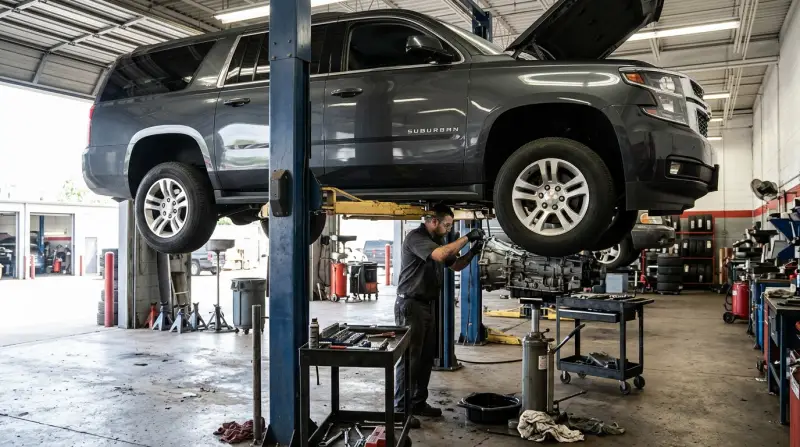
To confirm this, drive the vehicle until it reaches operating temperature. If the shuddering starts only when the transmission tries to engage its final gear, the converter clutch is the primary suspect. You can’t fix this with a simple fluid change. The torque converter is a sealed unit, so the fix involves removing the transmission and replacing the converter assembly. This task takes a professional technician about eight to ten hours of labor. This isn’t for a home mechanic, as it requires specialized transmission jacks and the ability to drop the heavy transmission housing safely. If you ignore this shudder, the friction material from the clutch will circulate through the fluid, which eventually clogs the valve body and destroys the entire transmission. The cost of this repair is significant, often reaching half the price of a full transmission rebuild. Always verify your specific model year’s torque converter part number, as late-model versions use different designs than those from a decade ago.
Valve body wear and tear
The valve body acts as the brain of your transmission, using pressurized fluid to tell the gears when to shift. When the internal channels become clogged with debris or the seals harden, the transmission will struggle to find the right gear, resulting in “clunking” or long delays when moving from park to drive. You can distinguish this from a torque converter issue because valve body problems usually happen at low speeds and during stop-and-go driving, rather than at highway speeds.
Testing this involves a diagnostic scan tool that reads transmission-specific error codes. If the computer shows solenoid circuit faults, the valve body is likely the root cause. This repair requires opening the bottom pan of the transmission to access the valve body assembly. If you’re comfortable working with sensitive hydraulic components, you can replace the valve body yourself, but it’s a delicate process. You must be extremely careful to keep the internal channels free of any dust or dirt. If you drop a single check ball or misalign a gasket, the transmission will fail to shift entirely. This job requires significant focused work and a clean, lint-free environment. If you aren’t confident working on hydraulic systems, a shop will charge for several hours of labor plus the cost of the replacement valve body unit. This is a common failure point for vehicles with high mileage, especially those used for towing heavy trailers frequently.
Overheating and fluid breakdown
Transmission fluid is designed to operate within a specific temperature range, and exceeding this limit causes the fluid to lose its lubricating properties. You’ll notice this symptom if the transmission begins to shift poorly only after driving for long distances or while towing a heavy load in hot weather. The heat causes the metal parts to expand and the fluid to thin out, preventing the internal clutches from grabbing firmly.
To test for this, check the fluid condition immediately after a long drive. If the fluid is dark brown or smells like burnt toast, the heat has already damaged the chemical structure of the fluid. The fix is to replace the fluid and the filter, and ideally, install an auxiliary transmission cooler to keep temperatures down. If you don’t add an external cooler for heavy towing, the new fluid will likely burn up again within a few thousand miles. This assumes you’re using the exact fluid specification listed in your owner’s manual; using the wrong grade will cause immediate, permanent damage to the clutch packs. This is a job for a DIY enthusiast who has space to lift the vehicle safely and a way to dispose of old oil properly. If your vehicle lacks a factory-installed cooler, adding one is a smart move, but it requires cutting into cooling lines. If you aren’t comfortable with plumbing and fluid seals, have a professional shop perform the installation to avoid leaks that could lead to a total fluid loss.
The less likely causes
-
Solenoid electrical failure: This happens when the electronic controls stop responding, causing the transmission to stay stuck in one gear. If your vehicle suddenly refuses to shift past second gear despite high engine RPMs, the solenoid is the primary suspect. A simple diagnostic scan will show a specific fault code, saving you from an unnecessary mechanical overhaul.
-
Worn clutch packs: These internal friction plates wear down over time, which usually results in a complete loss of power in specific gears. You’ll notice this when the engine revs freely without a corresponding increase in speed. If you smell a distinct, acrid burning odor during acceleration, the clutch material has likely degraded beyond recovery.
-
Broken input shaft: A rare mechanical break that results in zero movement in any gear, requiring a complete teardown of the unit. This failure is almost always preceded by a loud, metallic snapping sound.
-
Clogged transmission filter: This restricts fluid flow and causes low pressure, though it’s often just a symptom of deeper internal wear. If the fluid appears dark or gritty, replacing the filter is only a temporary patch. You must inspect the pan for metal shavings to determine if the transmission requires a full rebuild.
What a fix usually involves
Fixing these problems involves a trade-off between time and money. A simple fluid and filter change is a small part of the total cost and takes a few hours, but it only solves issues related to contaminated fluid. Replacing a valve body or a torque converter is a major job that requires a significant portion of the price of a new transmission. Most shops will provide a quote based on the labor hours required to drop the transmission from the chassis. You should ask for a “hard parts” estimate versus a “labor” estimate to understand where your money is going. If the transmission has internal metal shavings in the pan, a simple fix is rarely enough, and you’re looking at a full rebuild or replacement. Always check the official service intervals in your owner’s manual, as neglecting these schedules is the most common mistake that leads to these expensive repairs.
Frequently asked questions

Can I drive with transmission shuddering?
No, you shouldn’t continue driving if the transmission is shuddering. This vibration indicates internal slippage, which creates heat and metal debris that quickly spreads throughout the entire system. Continued driving will turn a small, repairable issue into a total failure that requires a complete replacement. If you feel this shudder, have the vehicle inspected immediately to avoid the higher costs associated with a full transmission rebuild.
How long does a transmission repair take?
A minor repair like a filter change takes a few hours, while a major component replacement takes several days. The time depends on whether the shop has the necessary parts in stock or needs to order them. If the transmission requires a full removal and rebuild, expect the vehicle to be in the shop for at least a week to allow for proper testing and quality control.
Is it safe to use aftermarket transmission fluid?
No, you must use only the fluid specified in your owner’s manual or on the dipstick. Modern transmissions are highly sensitive to fluid viscosity and chemical additives. Using the wrong type of fluid will cause your transmission to slip, overheat, or fail prematurely. Always match the fluid to the exact year and model of your Suburban to ensure the internal clutches function as the manufacturer intended.
Why is my transmission slipping in higher gears?
Slipping in higher gears often indicates that the torque converter clutch is failing to lock up properly. This happens because the internal seals have hardened or the pressure control solenoid is malfunctioning. When the computer can’t maintain the correct hydraulic pressure, the clutch pack can’t grip the gear, causing the engine RPM to rise without an increase in vehicle speed. This requires a professional diagnostic scan.
What happens if I ignore a transmission fluid leak?
Ignoring a leak will lead to low fluid pressure, which causes the transmission to overheat and eventually stop moving entirely. Fluid is the lifeblood of the transmission; it provides both lubrication and the pressure needed to engage the gears. Once the level drops below the minimum mark, the internal components will grind against each other, creating metal shavings that destroy the valve body and pump.
Does towing heavy loads cause these problems?
Yes, towing heavy loads increases the operating temperature of the transmission significantly, which accelerates the breakdown of the fluid. If you tow regularly, the heat can cause the internal seals to shrink and the clutches to wear out much faster than in a vehicle used only for commuting. To prevent this, always ensure your transmission cooling system is in perfect condition and change your fluid more frequently.
Final Thoughts
If these symptoms persist after a simple fluid check, don’t wait for a total breakdown. It’s best to have a trusted mechanic perform a diagnostic scan to pinpoint the exact internal fault. Taking care of these small warning signs today will help you avoid a much larger, more expensive repair bill later.
Related guides