
Most Chevrolet Suburban transmission problems stem from premature wear of the internal clutch plates or torque converter failure, which happens in a small number of cases for high-mileage units. You can confirm these mechanical issues by checking for delayed engagement when shifting from park to drive or by listening for a distinct whining noise while accelerating. If you’re uncertain about the current state of your gearbox, check your owner’s manual or visit the official Chevrolet Owner Center to review the recommended service intervals for your specific production year and model.
Common reasons for Chevrolet Suburban transmission failure
| Cause | How common | How to confirm it | Fix it yourself? |
|---|---|---|---|
| Torque converter failure | Common | High-pitched whining sound | No |
| Worn clutch plates | Frequent | Slipping during gear shifts | No |
| Low fluid level | Common | Check dipstick for level | Yes with care |
| Solenoid failure | Occasional | Diagnostic scanner error codes | No |
| Overheating fluid | Rare | Burnt smell from fluid | Yes with care |
| Valve body damage | Rare | Rough shifting patterns | No |
Torque converter issues often present as a metallic whine that changes pitch with engine RPM. If the noise vanishes when you shift into neutral, the converter is the primary suspect.
Clutch plate wear is distinct because it feels like a momentary loss of power. You’ll notice the engine revs climb without a corresponding increase in vehicle speed. Don’t ignore this, as metal shavings will quickly contaminate the entire system.
Fluid levels are the most frequent culprit. If the dipstick shows bubbles or a milky appearance, you likely have a coolant leak inside the transmission. This is a critical failure that requires immediate professional intervention.
Solenoid failure triggers a “check engine” light. Use an OBD-II scanner to look for P0700-series codes. These indicate electrical faults rather than mechanical breakage.
Overheating is usually caused by a clogged cooler line. If the fluid smells like burnt toast, it has lost its lubricating properties. Replace the fluid and the filter immediately. If the smell returns within 50 miles, the internal seals are already cooked.
Valve body damage manifests as “flare” shifts, where the transmission hangs in neutral between gears. This is almost always caused by debris blocking the hydraulic channels. It’s rarely a DIY fix because the internal springs are under high tension.
Internal clutch pack deterioration
Internal clutch pack wear is the primary source of shifting instability in these heavy-duty vehicles. These plates rely on friction material to engage gears; as this material wears down over time, the transmission struggles to maintain a solid connection between the engine and wheels. You’ll notice this as a “flare” or a sudden jump in engine RPM without a corresponding increase in vehicle speed.
If the engine revs freely without the vehicle trying to pull forward, the internal clutches are likely slipping. This condition often results from high-heat cycles over many years of towing or heavy hauling. A mechanic typically addresses this by performing a full teardown and rebuild, which is a labor-intensive process that requires specialized tools.
If your Suburban has over 150,000 miles, this degradation is often expected, but aggressive driving can force this failure to happen much sooner. This isn’t for the home mechanic, as even a small mistake during reassembly can cause the entire unit to fail again within a few hundred miles. The cost is high because it involves replacing the entire internal friction set, which is a significant portion of the price of a new transmission. If you notice this, you should stop driving immediately to prevent metal shavings from damaging the pump and valve body, which would make the repair costlier.
Torque converter hydraulic issues
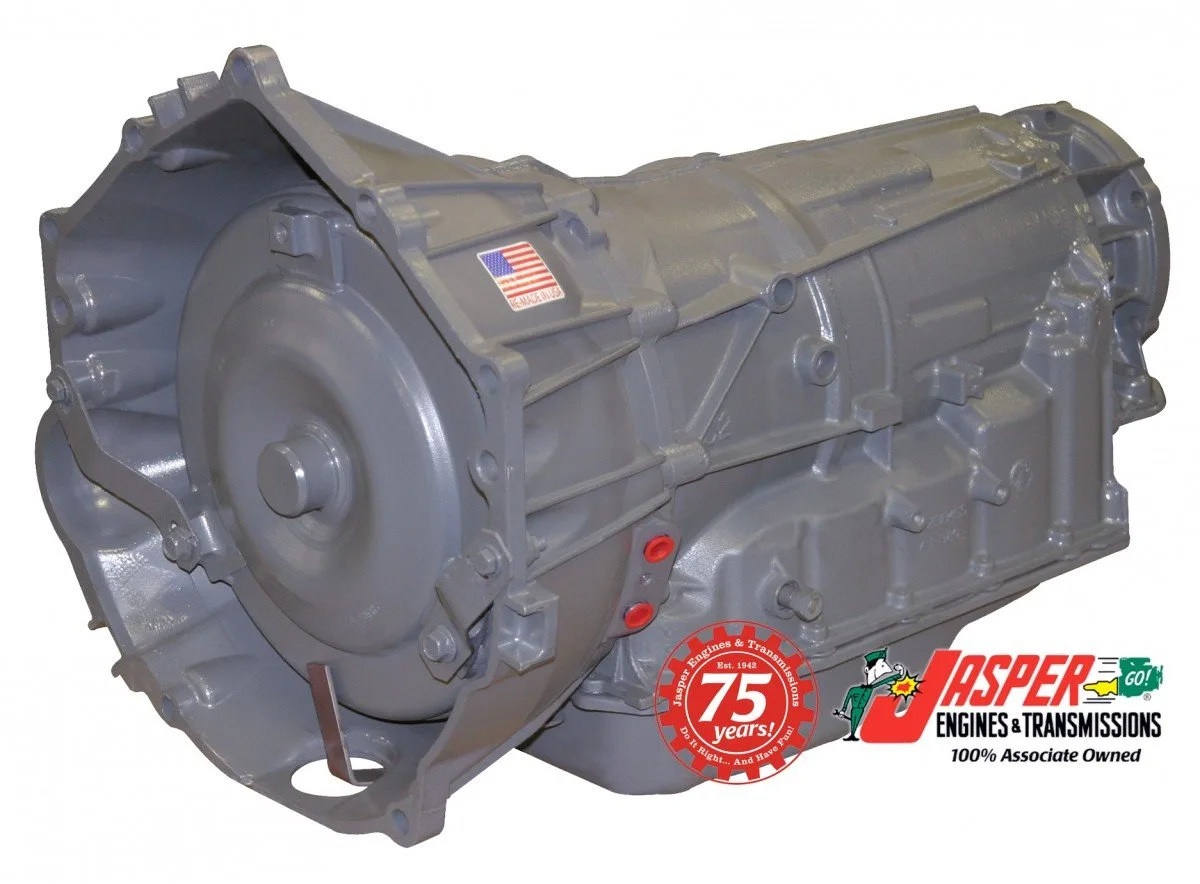
A failing torque converter often presents as a shuddering sensation at highway speeds, usually between 40 and 60 miles per hour. You can distinguish this from clutch failure because the shuddering feels like driving over small rumble strips, whereas clutch failure feels more like a loss of power or slipping. The torque converter uses fluid pressure to lock the engine to the transmission, and when the internal lock-up clutch fails, it creates vibrations that travel through the entire drivetrain.
Check the transmission fluid condition on the dipstick to rule out simple contamination. If the fluid is dark brown or smells like burnt toast, the torque converter has likely already shed debris into the system. This varies by model—check the label on your transmission pan for the specific series, as later 6-speed and 10-speed variants have different lock-up profiles than older 4-speed designs.
If you confirm the shudder, don’t ignore it. The cost to replace a torque converter is lower than a full transmission rebuild, but it still requires lifting the vehicle and removing the transmission from the engine block. A common mistake people make is trying to use “shudder fix” additives. These chemicals only mask the symptoms for a few hundred miles while the mechanical damage continues to worsen, often leading to a total pump failure.
If the shudder occurs only when the engine is cold, the issue is likely a sticking solenoid. If it occurs only when the engine is at operating temperature, the internal seals have hardened and are leaking pressure. This distinction determines whether you can perform a valve body service or require a complete converter replacement. This repair requires a transmission jack and a hoist; if you don’t have access to these, you must take the vehicle to a professional shop.
Improper fluid volume and quality
Low fluid levels are the most preventable cause of transmission problems, yet they remain a frequent oversight. The transmission requires a precise volume of fluid to generate the hydraulic pressure needed to actuate gear changes. If the level is even one quart low, the pump may draw air, leading to delayed engagement or missed shifts.
You can check this by running the engine until it reaches operating temperature, shifting through all gears, and then checking the dipstick while the vehicle is on level ground. If the fluid is below the crosshatched area, add only the specific type of fluid recommended in your manual. Adding too much is just as harmful as too little, as it can cause the fluid to foam, leading to overheating and internal seal failure.
A common mistake is checking the level while the engine is cold. Because transmission fluid expands significantly as it warms, a cold check often results in a false reading that leads owners to overfill the system.
This is a manageable task, but you must ensure the area around the dipstick tube is clean before opening it. If dirt falls into the transmission, it can clog the delicate filter or damage the valve body.
Always verify the exact fill requirement for your specific VIN. If your vehicle is equipped with an auxiliary tow package cooler, the total fluid capacity is higher than the standard model. If you add fluid and the problem persists, the issue is likely mechanical rather than a simple maintenance oversight. If the fluid appears dark brown or smells like burnt toast, don’t simply top it off. That indicates internal clutch material degradation, and adding fresh fluid won’t reverse the damage.
The less likely causes
-
Solenoid electronic faults: These components regulate hydraulic pressure. A failure typically triggers a P0700-series diagnostic code. If your scanner shows a specific solenoid circuit fault, such as P0750, the issue is likely electrical rather than mechanical.
-
Valve body blockages: Fine metal shavings or degraded clutch material can clog narrow fluid channels. This causes erratic, harsh shifting or “flaring” between gears. If the transmission shifts smoothly when cold but worsens as it warms up, debris is the primary suspect. A professional valve body rebuild is usually cheaper than replacing the entire transmission.
-
Transmission range sensor misalignment: This sensor tells the ECU which gear you have selected. If the vehicle fails to crank in Park but starts in Neutral, the sensor is likely misaligned. Don’t replace the unit immediately; often, simply adjusting the mounting bolts restores the signal.
-
External cooler leaks: A damaged cooling line causes a rapid drop in line pressure. If you see red fluid pooling under the front bumper, stop driving immediately. Continuing to operate the vehicle with low pressure causes the clutch packs to slip, which destroys the transmission within miles. Always check the cooler fittings for seepage before assuming internal failure.
What a fix usually involves
Fixing transmission problems requires a mix of diagnostic time and mechanical labor. A fluid flush or sensor replacement is a small part of the total investment, often taking only a few hours of shop time. However, if the fix involves a full rebuild or a replacement unit, the cost is a significant portion of the price of a new vehicle.
Most professional shops will first perform a computer diagnostic to see if the problem is electronic. If the computer reports a mechanical error, they will perform a pressure test. Before you agree to any repair, ask the shop for a written quote that breaks down parts versus labor.
Because parts for these transmissions can be expensive, verify if they’re using OEM-certified components or aftermarket alternatives. You can check the current recommended service procedures on the manufacturer’s official support portal to ensure the shop is following the correct steps for your specific model year.
A common mistake is authorizing a “teardown” before the shop confirms the specific failure. This diagnostic step alone can cost a significant amount in labor, and once the transmission is disassembled, you’re often committed to the repair because reassembling a broken unit is rarely cost-effective.
Use this decision rule: if the shop can’t identify the fault through external pressure tests or sensors, ask for a second opinion before authorizing internal work. If the estimate exceeds 50% of your vehicle’s current market value, prioritize a complete replacement unit over a rebuild to secure a longer warranty. Never settle for a verbal estimate; always get a detailed breakdown so you know exactly what is being replaced and why.
Related guides