
Modern engines are full of technology. One big change in the last 20 years is cylinder deactivation. This system helps save fuel by turning off some cylinders when the engine doesn’t need full power. General Motors (GM) was one of the first to use this feature in their V6 and V8 engines. But many owners have faced problems with GM’s cylinder deactivation, also known as Active Fuel Management (AFM) or Dynamic Fuel Management (DFM). If you own a GM car or truck, or plan to buy one, you need to know the risks, symptoms, and solutions.
This article will help you understand why cylinder deactivation can cause trouble, which models are affected, how to spot issues early, and what you can do to protect your engine. We’ll also share some insider tips and real-world examples that most guides miss.
What Is Gm Cylinder Deactivation?
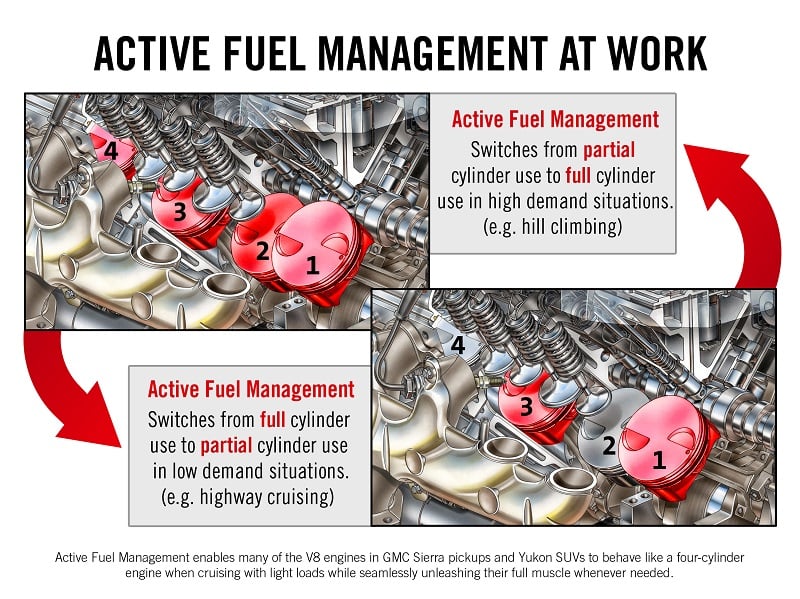
GM’s cylinder deactivation system is designed to improve fuel economy. When you drive at steady speed or under light load, it shuts down half the cylinders. For example, in a V8, only four cylinders run. When you need more power, the system reactivates all cylinders instantly.
The technology started with AFM in 2005, mainly in trucks, SUVs, and some sedans. Later, GM introduced DFM, which is more advanced and can deactivate any number of cylinders. This feature is present in many Chevrolet, GMC, Cadillac, and Buick vehicles.
Common Gm Cylinder Deactivation Problems
While cylinder deactivation sounds good, it has led to several problems, especially in AFM-equipped engines. Here are the most frequent issues:
Excessive Oil Consumption
Many GM owners report their engines use too much oil. Some need to add oil every 1,000–2,000 miles. This is not normal. The cause is often the AFM system. When cylinders shut off, oil can seep past the piston rings and burn away. Over time, this leads to low oil levels and possible engine damage.
Lifter Failure
The AFM lifters are special parts that open and close valves. They get more stress than regular lifters because they switch on and off. In GM engines, lifters can fail, causing ticking noises, misfires, or even total engine shutdown. Repair is expensive—sometimes over $2,000.
Carbon Build-up
Shutting down cylinders reduces air flow. This can cause carbon deposits inside the engine, especially on the valves and pistons. Too much carbon affects performance and can trigger check engine lights.
Check Engine Light And Misfire Codes
Owners often see the check engine light with codes like P0300 (random misfire) or P0430/P0420 (catalytic converter efficiency). These codes are linked to cylinder deactivation issues, including bad lifters or carbon build-up.
Engine Stalling And Rough Idle
When AFM or DFM malfunctions, the engine may stall, hesitate, or idle roughly. This is common after lifter failure or if the system gets stuck between modes.
Premature Engine Wear
Long-term use of cylinder deactivation can cause uneven wear on the engine’s internals. This leads to early engine failure, especially in vehicles with high miles.
Which Gm Models Are Most Affected?
GM has used cylinder deactivation in many vehicles. The problems are most common in these:
- Chevrolet Silverado (2007–2021)
- GMC Sierra (2007–2021)
- Chevrolet Tahoe and Suburban (2007–2021)
- GMC Yukon (2007–2021)
- Cadillac Escalade (2007–2021)
- Chevrolet Impala (2006–2020)
- Chevrolet Camaro (2010–2023)
- Buick Enclave (2008–2021)
Not all engines are affected equally. The 5.3L V8 and 6.0L V8 are known for AFM issues. Later models with DFM have fewer complaints but still face some risks.
Symptoms Of Cylinder Deactivation Problems
If your GM vehicle has cylinder deactivation, watch for these signs:
- Oil level drops quickly between oil changes
- Ticking or knocking sounds from the engine
- Engine misfires, especially at low speed
- Check engine light with codes related to misfire or emissions
- Rough idle or stalling after stopping
- Decreased fuel economy (sometimes AFM sticks and disables cylinders permanently)
Some symptoms are subtle. For example, you may not notice oil loss until the engine starts making noise. Always check your oil level regularly.
Real Data: Gm Afm Failure Rates
Let’s look at some numbers. According to a 2020 survey by Consumer Reports, about 18% of owners of GM trucks with AFM had engine problems before 100,000 miles. In comparison, trucks without cylinder deactivation had a failure rate of 7%.
Here’s a comparison of AFM vs. non-AFM engine reliability:
| Engine Type | Failure Rate (before 100,000 miles) | Common Issues |
|---|---|---|
| AFM-equipped (5.3L V8) | 18% | Lifter failure, oil consumption |
| Non-AFM (4.3L V6) | 7% | Minor leaks, sensor faults |
You can see AFM engines are more likely to face expensive repairs.
Why Do These Problems Happen?
GM’s system relies on complex hardware and software controls. The AFM lifters switch on/off thousands of times per drive. This causes mechanical wear, especially if oil quality drops or maintenance is skipped.
Also, when cylinders shut off, they don’t burn fuel. This lets oil slip past the rings, causing oil loss and carbon build-up. The advanced DFM system uses more sensors and controls, but still faces similar risks.
One insight many miss: AFM problems are worse in vehicles used for short trips or heavy towing. Engines need to reach full temperature to burn off moisture and deposits. If you drive mostly in city traffic or tow trailers, problems can appear sooner.
How To Prevent Cylinder Deactivation Issues
You can take steps to reduce risks, even if your vehicle has AFM or DFM.
- Change oil often: Use high-quality oil and change it every 5,000 miles (or sooner).
- Check oil level regularly: Don’t wait for the oil light—check at least once a month.
- Use AFM lifter-safe oil: Some brands make oil with additives to protect lifters.
- Avoid short trips: Let the engine run long enough to reach full temperature.
- Install an AFM disabler: Devices like Range Technology plug into the OBD port and keep all cylinders active. This prevents AFM from turning off cylinders, saving lifters and reducing oil use.
- Don’t ignore warning signs: If you hear ticking or see the check engine light, fix it early.
Here’s a comparison of oil types for AFM engines:
| Oil Type | Protection Level | Recommended Change Interval |
|---|---|---|
| Standard Synthetic 5W-30 | Good | 5,000 miles |
| AFM Lifter-Safe Synthetic | Excellent | 5,000 miles |
| Conventional 5W-30 | Fair | 3,000 miles |
Repair Options: What To Do If Your Engine Has Problems
If your GM engine shows symptoms, here’s what you can do:
- Diagnose the issue: Use an OBD scanner to read error codes.
- Inspect lifters: If you hear ticking or misfires, the lifters may need replacement.
- Clean carbon deposits: A mechanic can perform a top-end cleaning.
- Install AFM delete kit: This replaces AFM parts with standard ones, but it’s expensive ($3,000–$5,000).
- AFM disabler device: Cheaper and easy to install, but it doesn’t fix existing damage.
- Replace engine: For severe damage, a full engine swap may be needed.
Here’s a quick comparison of repair options and their costs:
| Repair Option | Estimated Cost | Effectiveness |
|---|---|---|
| Lifter replacement | $1,500–$2,500 | High (if caught early) |
| AFM delete kit | $3,000–$5,000 | Very high (prevents future issues) |
| Disabler device | $200–$300 | Good (prevents new damage) |
| Engine swap | $5,000–$8,000 | Highest (for severe failure) |
Should You Buy A Gm Vehicle With Cylinder Deactivation?
If you plan to buy a used GM truck or SUV, ask if the engine has AFM or DFM. Look for service records showing oil changes and repairs. If possible, choose models without cylinder deactivation, or newer ones with DFM (which has fewer complaints).
Some dealers offer AFM delete as a selling point. However, deleted engines may not pass emissions tests in some states. Check local laws before buying.
A non-obvious tip: If you test-drive a GM vehicle, listen for engine noise after a cold start and check for blue smoke from the exhaust. These signs often mean AFM or lifter problems.
What Gm Is Doing About Cylinder Deactivation Issues
GM has released technical service bulletins (TSBs) about AFM problems. In some cases, they offer free repairs under warranty. But most fixes are not covered after 36,000 miles. GM’s newer DFM system is more reliable, but still not perfect.
For more details on GM’s AFM/DFM technology, visit the official Wikipedia Cylinder Deactivation page.
Frequently Asked Questions
What Is Cylinder Deactivation And Why Does Gm Use It?
Cylinder deactivation is a system that shuts off some engine cylinders to save fuel when full power is not needed. GM uses it to improve fuel economy and reduce emissions in their larger engines.
How Can I Tell If My Gm Vehicle Has Afm Or Dfm?
You can check your owner’s manual or look up your engine code online. Most GM V8 engines from 2007–2021 have AFM. Newer models may have DFM. If unsure, ask your dealer or mechanic.
Is It Safe To Use An Afm Disabler Device?
Yes, AFM disablers are popular and generally safe. They keep all cylinders active, reducing risk of lifter failure and oil consumption. However, they may affect emissions and fuel economy slightly.
What Happens If I Ignore Cylinder Deactivation Problems?
Ignoring issues can lead to severe engine damage, including lifter failure, misfires, and even total engine failure. Repairs can cost thousands of dollars. Always fix problems early.
Are Cylinder Deactivation Problems Covered By Gm Warranty?
Some issues may be covered if your vehicle is under factory warranty (usually 36,000 miles). After that, repairs are out-of-pocket. Extended warranties may cover some repairs, but not all.
GM’s cylinder deactivation system offers real benefits, but it also brings serious risks. If you own or plan to buy a GM vehicle with AFM or DFM, stay informed, check your oil often, and act quickly if problems appear. With the right steps, you can protect your engine and avoid costly repairs.