
If your oven igniter is not working, cooking dinner can quickly turn into a headache. You press the button, wait for the heat—but nothing happens. Many families depend on their oven, so when the igniter fails, it can affect daily life. Fixing the issue is not always easy, but understanding the problem helps you decide whether to tackle it yourself or call a professional. Let’s explore why the oven igniter stops working, how to diagnose the problem, and practical ways to fix it.
How Does An Oven Igniter Work?
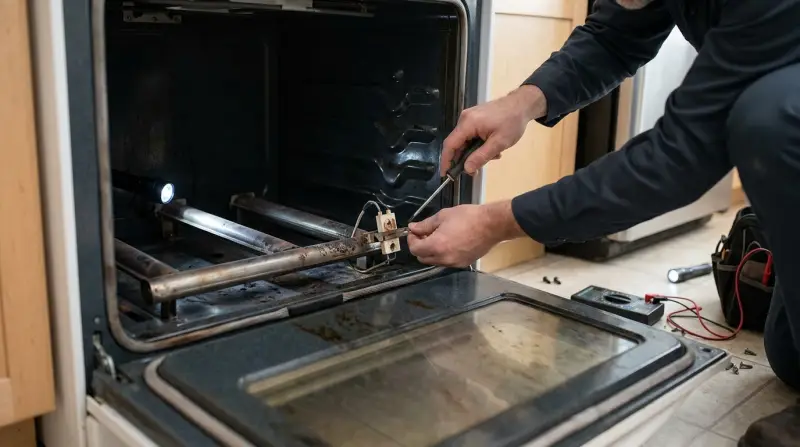
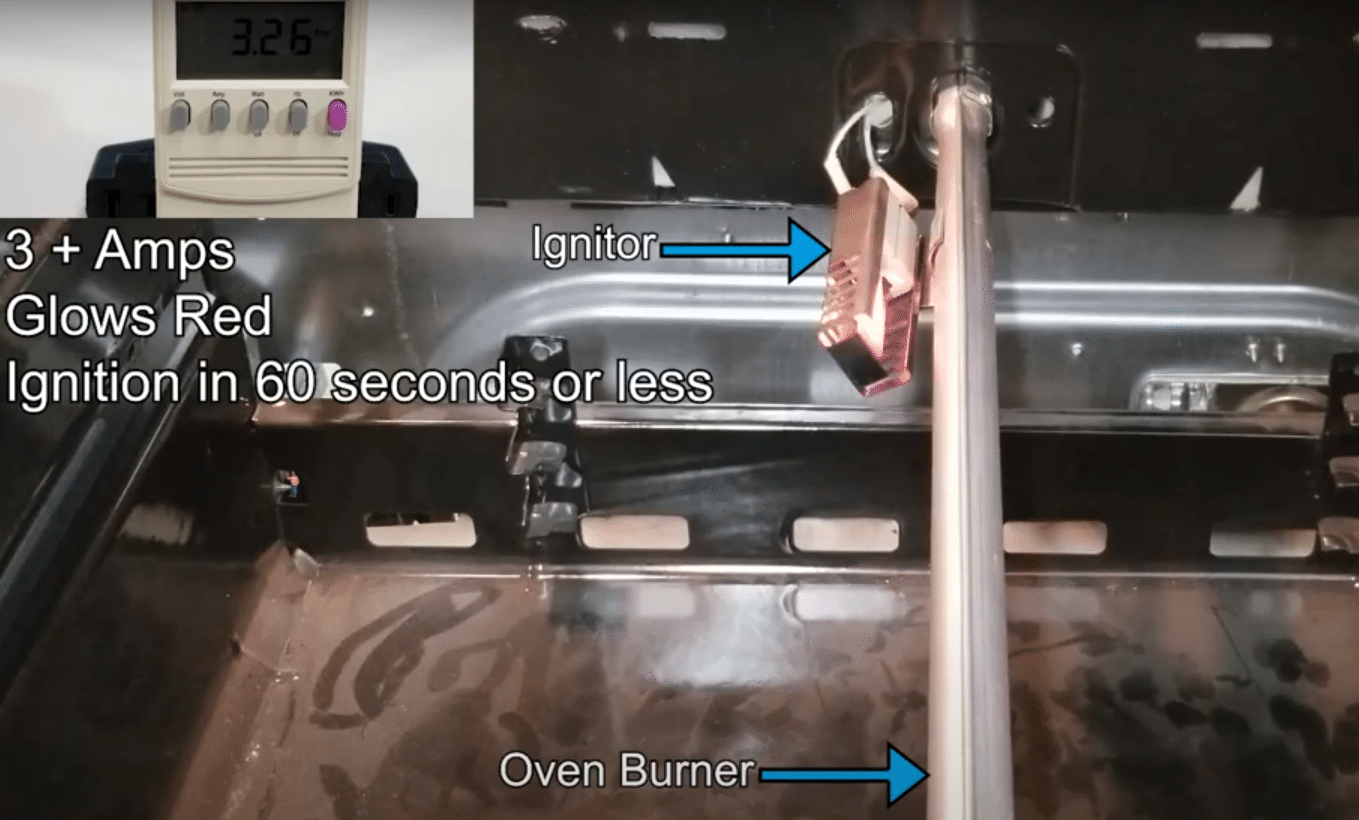
The oven igniter is a crucial part of a gas oven. Its job is to light the gas, so the oven can heat up. Igniters draw electrical current, glow hot, and then ignite gas released by the valve. If the igniter fails, the oven will not heat, even though you hear clicks or see lights.
There are two main types:
- Hot Surface Igniter: Most modern ovens use this. It glows orange and lights the gas.
- Spark Igniter: Older or some special models use a spark to ignite the gas.
If the igniter is not working, the oven cannot cook food. This can happen suddenly or after many years of use.
Common Causes Of Oven Igniter Failure
Understanding why an igniter fails is the first step. Here are the most common causes:
- Wear and Tear: Igniters usually last 3–5 years. Over time, the ceramic element inside breaks down.
- Electrical Problems: Loose wires, faulty connections, or problems with the control board can stop the igniter from getting power.
- Gas Valve Issues: If the valve is faulty, the igniter may not get enough current to heat up.
- Moisture and Dirt: Grease, food spills, or water can coat the igniter and prevent proper function.
- Incorrect Replacement Parts: If an igniter was replaced before, a wrong type or poor-quality part can fail quickly.
In many cases, the igniter is simply too old. But sometimes, the issue is with something else in the oven.
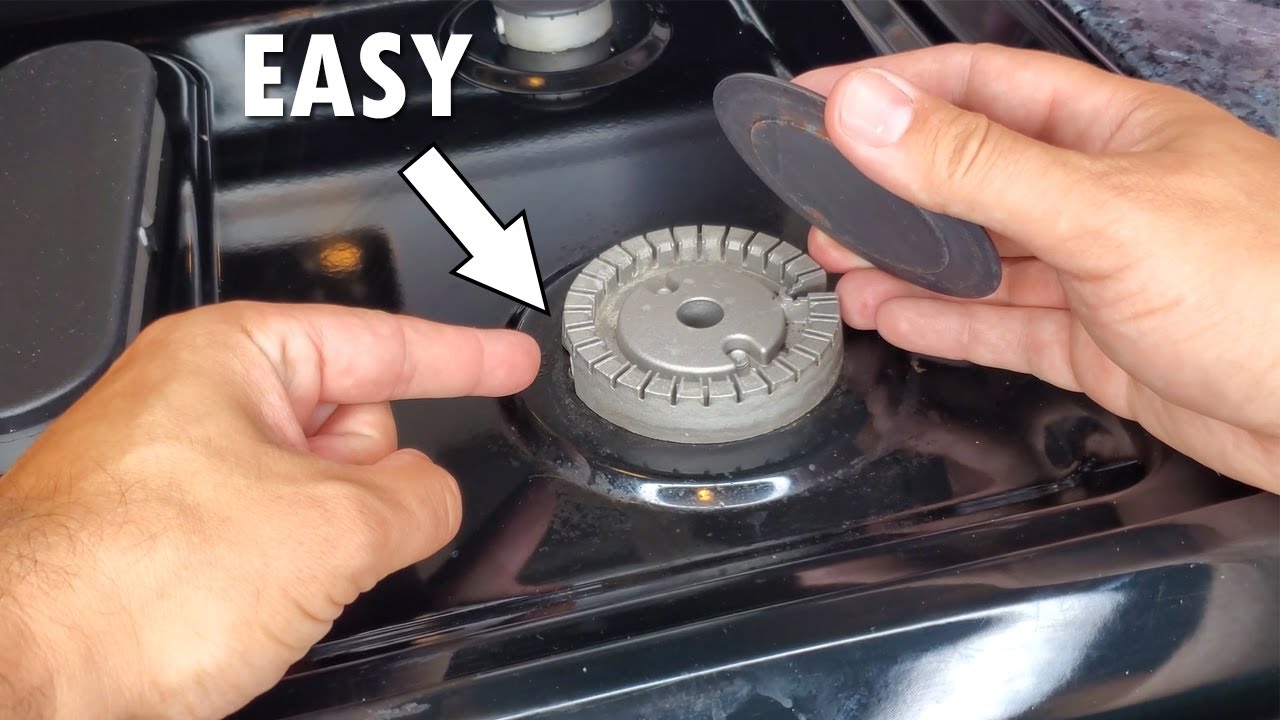
Signs Your Oven Igniter Is Not Working
It is important to recognize the symptoms early. Here are clear signs:
- Oven does not heat up
- Igniter does not glow
- You smell gas but it does not ignite
- Oven takes too long to heat
- Clicking sounds but no flame
If you see one or more of these, the igniter could be the problem. Some beginners miss the detail that a weak igniter may glow, but not hot enough to open the gas valve.
Diagnosing The Problem
Before replacing the igniter, check these steps. Many ovens share similar designs, so the process is often the same.
Safety First
Always disconnect the oven from electricity and turn off the gas. Wear gloves and make sure the area is ventilated.
Visual Inspection
Look for obvious damage:
- Broken ceramic parts
- Black marks or burns
- Loose wires
If the igniter is cracked or covered in grease, it likely needs replacement.
Test The Igniter
You need a multimeter to check for continuity. This tool measures if electricity flows through the igniter.
- Disconnect the igniter from the oven.
- Set the multimeter to “Ohms” or resistance.
- Touch both probes to the igniter’s terminals.
- If the meter shows no continuity (infinite resistance), the igniter is dead.
Most oven igniters should read between 3.2–3.6 Ohms. If the reading is outside this range, replace the igniter.
Compare Igniter Types
Here is a quick comparison of hot surface and spark igniters:
| Igniter Type | How It Works | Common Problems | Repair Cost (Estimate) |
|---|---|---|---|
| Hot Surface | Glows to light gas | Breaks, weak glow | $30–$60 |
| Spark | Sparks to light gas | No spark, faulty wiring | $40–$80 |
How To Fix An Oven Igniter
If you confirm the igniter is faulty, follow these steps to replace it.
Step 1: Buy The Correct Igniter
Find your oven’s model number, usually inside the door or on the back. Buy an igniter that matches. Avoid cheap generic parts—they often fail faster.
Step 2: Remove The Old Igniter
- Disconnect power and gas.
- Remove oven racks.
- Locate the igniter near the burner (usually at the bottom).
- Unscrew the igniter and carefully disconnect wires.
Step 3: Install The New Igniter
- Connect wires to the new igniter, matching colors if possible.
- Screw the igniter in place.
- Reassemble racks and panels.
Step 4: Test The Oven
Turn on power and gas, set the oven to bake, and watch for the igniter to glow and gas to ignite. If it works, you fixed the problem.
Step 5: Clean Around The Igniter
Wipe away grease and food debris. A clean area prevents future failures.
When To Call A Professional
Not every oven issue is easy to fix. If you see these signs, call a technician:
- Igniter works but oven still won’t heat
- Gas smell does not go away
- Igniter replacement does not solve the problem
- Electrical problems or burning smells
A professional can test the control board, gas valve, and wiring. Sometimes, the problem is deeper than just the igniter.
Practical Tips For Oven Igniter Maintenance
Keeping your oven in good shape helps the igniter last longer. Here are some tips:
- Clean regularly: Wipe spills and crumbs after use.
- Avoid water: Do not use too much water near the igniter.
- Use proper replacement parts: Always buy the correct igniter for your oven model.
- Check for loose connections: Inspect wires once a year.
- Do not slam oven doors: This can shake and damage the igniter.
Some beginners do not realize that the oven’s self-clean cycle can stress the igniter. If you use self-clean often, the igniter may fail sooner.
Comparing Diy Vs Professional Repair
Many people wonder if they should fix the igniter themselves or hire a professional. Here is a comparison to help decide:
| Option | Cost Range | Time Needed | Skill Level | Risk |
|---|---|---|---|---|
| DIY Repair | $30–$80 (part only) | 30–60 minutes | Basic tools, careful | Medium (wrong part, electrical shock) |
| Professional | $120–$250 (labor + part) | 1–2 hours | None | Low (guaranteed work) |
If you are comfortable with basic tools and safety, DIY is possible. Otherwise, professional repair is safer.
Why Igniter Problems Are More Common Today
Ovens today use more electronics and safety features than older models. This means more parts can fail. According to appliance industry data, igniter failure is the top cause of gas oven breakdowns. Nearly 40% of gas oven repairs involve replacing the igniter.
Some ovens use dual igniters (for bake and broil), so one may fail while the other works. This confuses some owners who think the oven is heating only on one setting. Always check both igniters if your oven has two.
Non-obvious Insights For Beginners
Many new DIYers miss these points:
- A weak igniter may still glow, but cannot open the gas valve. Test with a multimeter, not just your eyes.
- Cheap igniters often fail quickly. Spending a little more on an original part saves money in the long run.
Also, some ovens need the igniter to draw enough current (3.2A or higher) to open the gas valve. If the igniter is weak, the valve stays closed, and you smell gas.

Safety Risks And Precautions
Gas ovens can be dangerous if handled poorly. Here are key safety tips:
- Always turn off gas and power before any repair.
- Do not use the oven if you smell gas for more than a few seconds.
- If you replace the igniter and the oven still does not work, do not keep trying. Call a technician.
For more safety details, you can check out NFPA Appliance Safety.
Frequently Asked Questions
Why Does My Oven Igniter Glow But The Oven Doesn’t Heat?
A glowing igniter may not be hot enough to open the gas valve. Test the igniter with a multimeter. If it is weak, replace it.
How Long Should An Oven Igniter Last?
Most igniters last 3–5 years. Frequent use, self-clean cycles, and cheap parts shorten lifespan.
Can I Use A Generic Igniter Instead Of The Original?
Generic igniters may fit, but they often fail faster and can cause other problems. Use the original part or one recommended by the manufacturer.
Is It Dangerous To Fix An Oven Igniter Myself?
It is safe if you follow precautions: turn off power and gas, use gloves, and avoid touching wires with wet hands. If unsure, call a professional.
What Should I Do If Replacing The Igniter Does Not Fix My Oven?
If the oven still does not heat, the problem may be the gas valve, control board, or wiring. Call a technician for advanced troubleshooting.
Final Thoughts
An oven igniter not working is a common problem, but the fix is often straightforward. Identifying the symptoms, testing with the right tools, and replacing the igniter can restore your oven. Remember, safety comes first. If you are unsure or the problem is deeper, seek help from a professional.
With these steps, you can keep your oven reliable and avoid future breakdowns.