
A Frigidaire stove is an essential appliance in many American homes. It helps families cook meals every day, and its reliability is one reason people choose this brand. But even the best stoves can have problems. If your Frigidaire stove isn’t working as expected, it can disrupt your routine and make cooking stressful. The good news is that most issues are easy to fix if you know what to look for. This article will guide you through Frigidaire stove troubleshooting, from simple solutions to more advanced steps. Whether your stove won’t turn on, heats unevenly, or has error codes flashing, you’ll find answers here. We’ll use clear language, practical advice, and real examples to help you get your stove back to working smoothly.
Understanding Frigidaire Stove Models
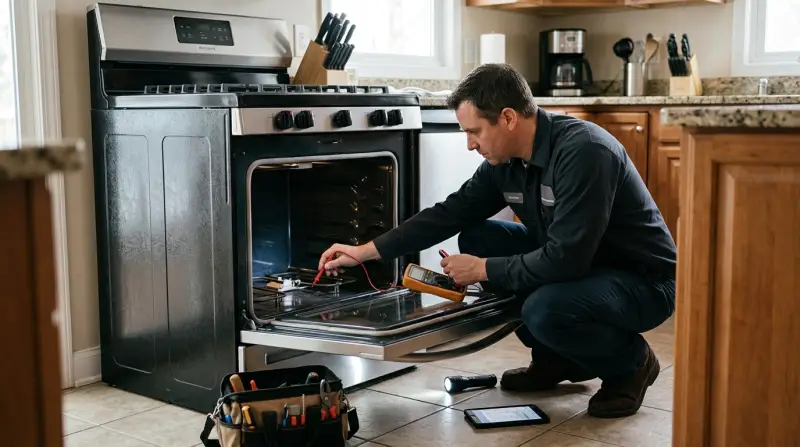
Frigidaire produces a range of stove types. Knowing which model you own makes troubleshooting easier. The main types are:
- Electric ranges: Use electricity to heat burners and oven.
- Gas ranges: Burn natural gas or propane.
- Induction ranges: Use electromagnetic energy for heating.
Each model has unique parts and common issues. For example, electric stoves often have problems with elements, while gas stoves can have ignition trouble. If you’re not sure which model you have, check the label inside the oven door or look for the serial number on the back.
Key Features And Differences
Here’s a quick comparison of the main types:
| Type | Heating Method | Main Benefits | Common Issues |
|---|---|---|---|
| Electric | Heating elements | Even heat, easy to clean | Element failures, wiring faults |
| Gas | Open flame | Fast heating, precise control | Ignition problems, gas leaks |
| Induction | Electromagnetic | Quick response, energy efficient | Power issues, cookware compatibility |
Knowing your stove type helps you find the right solution. Always check your manual for the exact model number before starting any troubleshooting.
Safety First: Precautions Before Troubleshooting
Before you touch your stove, remember that safety comes first. Stoves use electricity or gas, both of which can be dangerous if handled incorrectly.
- Unplug electric stoves before opening panels or checking wiring.
- For gas stoves, turn off the gas supply before working on burners or ignition.
- Make sure the stove is completely cool before touching any parts.
- Wear gloves to protect your hands from sharp edges.
- Keep children and pets away while troubleshooting.
If you ever smell gas, leave the area immediately, open windows, and call your gas provider. Never try to fix a gas leak yourself.
Common Frigidaire Stove Problems And Solutions
Frigidaire stoves are reliable, but they can have issues like any appliance. Here are the most frequent problems and how to solve them.
Stove Won’t Turn On
If your stove is completely dead, check these steps:
- Power supply: Make sure the outlet is working. Plug another device in to test.
- Circuit breaker: Look for a tripped breaker. Reset it if needed.
- Fuse: Some stoves have internal fuses. Check your manual to find them and replace if blown.
If your stove still won’t turn on, there may be a wiring issue or a faulty control board. This usually needs professional help.
Burner Won’t Heat
This is common for electric stoves. Try these fixes:
- Check the element: Remove the burner and look for signs of damage.
- Test with another burner: Swap burners to see if the problem follows the element or stays with the socket.
- Inspect the socket: Look for burned spots or loose connections.
For gas stoves:
- Igniter: Listen for clicks when you turn the knob. No sound means the igniter may need replacement.
- Clogged burner: Clean with a pin or brush. Never use water, as it can rust parts.
- Gas supply: Make sure the gas is turned on.
Oven Not Heating Properly
If the oven heats unevenly or doesn’t reach the set temperature:
- Check the bake element: For electric ovens, look for glowing red or signs of burn damage.
- Test the temperature sensor: Use an oven thermometer. If actual temperature is off by more than 25°F, the sensor may be faulty.
- Gas ovens: Make sure the igniter glows. If not, replace it.
Sometimes, calibration is needed. Adjust the oven’s temperature settings following your manual.
Error Codes And Display Issues
Frigidaire stoves have digital displays that show error codes. These codes help you diagnose problems faster.
Some common codes:
- F10: High oven temperature. Check the sensor and control board.
- F30: Sensor failure. Replace the temperature sensor.
- F1: Control board issue. Reset the stove; if the code returns, the board may need replacement.
Find the list of codes in your manual or online at Frigidaire’s support site.
Oven Door Won’t Close Properly
If your oven door is loose or won’t seal:
- Check hinges: Look for broken or bent hinges and replace if needed.
- Inspect the gasket: Clean the door seal. Replace if it’s cracked or worn.
- Alignment: Make sure the door lines up with the frame.
A tight seal is important for keeping heat inside. If the door won’t close, food may cook unevenly.
Stove Making Strange Noises
Unusual sounds can mean trouble:
- Clicking: For gas stoves, this is normal during ignition. Continuous clicking means a stuck igniter or moisture.
- Buzzing: Electric stoves may buzz if there’s a loose wire.
- Rattling: Check for loose panels or screws.
If you hear loud pops or hissing, turn off the stove and check for gas leaks or electrical faults.
Self-cleaning Cycle Not Working
Frigidaire ovens have a self-cleaning feature. If it doesn’t start or finish:
- Door lock: The oven won’t clean unless the door is locked. Check for broken lock mechanisms.
- Control panel: Error codes may show. Reset the oven or check for faulty buttons.
- Cleaning duration: Make sure you set enough time for the cycle.
If the oven stays dirty after cleaning, wipe residue with a damp cloth.
Troubleshooting Step-by-step: Practical Guide
Let’s walk through a typical troubleshooting process. Here’s how you can solve most stove problems in a logical order.
Step 1: Identify The Problem
- Observe carefully. Is it a single burner? The whole stove? The oven?
- Note any error codes or unusual sounds.
- Check if the issue happens every time or only sometimes.
Step 2: Check Basics First
- Ensure power or gas supply is on.
- Test the outlet or gas valve.
- Look for visible damage (burn marks, broken parts).
Step 3: Isolate The Faulty Component
- Swap burners or use an oven thermometer.
- Disconnect and reconnect parts to see if the issue changes.
Step 4: Clean And Inspect
- Remove dirt, grease, or food particles from burners, oven cavity, and control panel.
- Clean sensor and contacts with a dry cloth.
Step 5: Reset And Re-test
- Turn off the stove for 10 minutes and restart.
- After cleaning, check if the problem is fixed.
Step 6: Replace Or Repair
- If a part is broken, order a replacement from Frigidaire or a trusted supplier.
- Follow the manual for installation.
Step 7: Call A Professional
- If you suspect gas leaks or major electrical issues, don’t risk your safety.
- Some repairs need special tools and skills.
Advanced Troubleshooting: Deeper Issues
Some problems need more skill or tools. Here are advanced tips:
Control Board Failures
The control board is the stove’s “brain.” If your stove is unresponsive or shows random codes, this part may be faulty.
- Check for burnt spots or corrosion.
- Reset the board (unplug for 10 minutes).
- Replace only if you’re confident; boards are expensive.
Sensor And Thermostat Problems
If your oven temperature swings wildly:
- Use a multimeter to test the sensor’s resistance.
- Compare readings to the manual’s specifications.
Gas Ignition Troubles
For gas stoves, ignition is a frequent issue. If burners don’t light:
- Inspect the igniter for cracks.
- Test with a lighter. If the burner ignites, the igniter is weak.
- Clean the igniter tip gently.
Wiring Issues
Wires can wear out or break. Signs include flickering lights, buzzing, or no power.
- Open the back panel and look for loose or broken wires.
- Tighten connections. Replace wires if needed.
If you’re not comfortable with electrical work, hire a qualified technician.
Maintenance Tips To Prevent Future Problems
Regular maintenance keeps your Frigidaire stove running smoothly. Here’s what you can do:
- Clean burners and oven weekly to prevent buildup.
- Inspect door seals monthly for cracks.
- Check power cords and gas lines every six months.
- Keep vents clear. Blocked vents cause overheating.
- Avoid harsh chemicals. Use mild soap and water.
A well-maintained stove lasts longer and has fewer problems.
How To Read Frigidaire Error Codes
Understanding error codes can save time. Here’s a handy reference:
| Error Code | Meaning | Action |
|---|---|---|
| F10 | High temperature | Check sensor and control board |
| F30 | Sensor failure | Replace sensor |
| F1 | Control board issue | Reset or replace board |
| F5 | Door lock error | Inspect lock mechanism |
| F9 | Oven not heating | Check heating element |
Find more codes in your manual or online at Frigidaire’s official site.
When To Replace Vs. Repair
Sometimes, fixing an old stove isn’t worth the cost. Here’s how to decide:
- If repair costs exceed 50% of new stove price, consider replacing.
- For stoves over 10 years old, newer models may be more efficient.
- If multiple parts fail, replacement is often better.
Compare these points to help your decision:
| Repair | Replace |
|---|---|
| Lower cost if only one part | More reliable, under warranty |
| Quick fix | Latest features and efficiency |
| Possible for minor issues | Recommended for old or unsafe stoves |
If you choose to buy a new stove, check energy ratings and reviews before purchase.
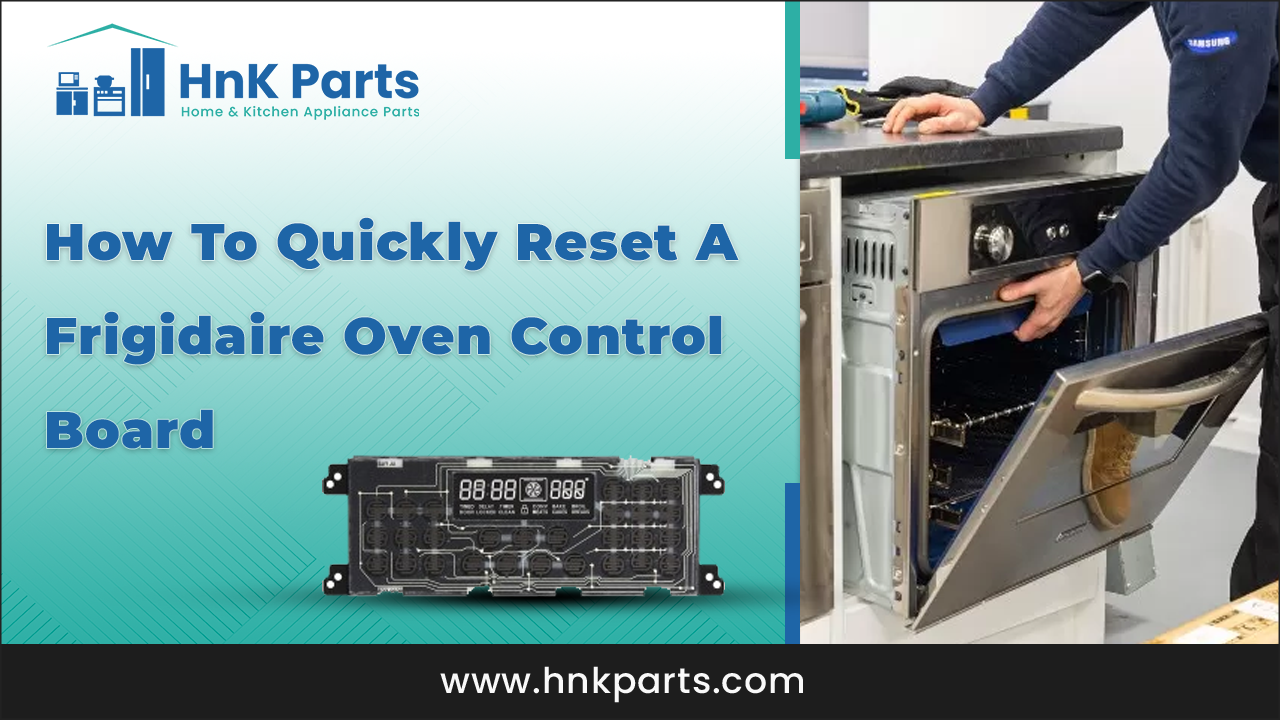
Real Examples: Troubleshooting In Action
Here are some real-life cases to show how troubleshooting works:
Example 1: Electric Burner Not Heating
Maria noticed her front-left burner didn’t heat. She unplugged the stove, swapped the burner with another, and found the burner worked in a different socket. She replaced the socket, and the problem was solved.
Example 2: Gas Oven Not Igniting
John’s gas oven wouldn’t light. He checked the igniter, saw no glow, and replaced it following the manual. The oven started working again.
Example 3: Oven Door Won’t Close
Ashley’s oven door was loose. She found a broken hinge, ordered a replacement, and installed it. The door now seals tightly.
Example 4: Error Code F10
Mike’s oven showed F10. He checked the temperature sensor, found it faulty, replaced it, and cleared the code.
These examples show that many problems can be fixed with simple steps.
Frigidaire Stove Troubleshooting: Non-obvious Insights
Most guides tell you to check power and clean burners. But here are some tips beginners often miss:
- Moisture in Igniter: After cleaning, moisture can stay in gas igniters and cause clicking. Dry with a hair dryer for 10 minutes.
- Control Lock Feature: Some Frigidaire stoves have a control lock. If buttons don’t respond, check if the lock is activated.
- Calibration Mode: Ovens may drift from accurate temperatures. Use the calibration mode in settings to adjust without replacing the sensor.
- Cookware Compatibility: Induction stoves need magnetic pots. If a burner won’t heat, test with a magnet on your pan.
- Hidden Fuses: Some stoves have fuses hidden behind panels. Always check your manual for their location.
Knowing these details can save time and prevent frustration.
Diy Vs. Professional Repair: What To Expect
You can fix most stove problems yourself. But some repairs are best left to professionals.
DIY repairs are suitable for:
- Replacing burners, sockets, or sensors.
- Cleaning and realigning doors.
- Resetting control boards.
Professional repairs are needed for:
- Gas leaks or major gas line issues.
- Control board replacement.
- Internal wiring problems.
Most technicians charge $75–$150 per hour. Parts cost extra. If your stove is under warranty, contact Frigidaire for free service.
Where To Find Replacement Parts
Always use genuine parts for best results. You can buy from:
- Frigidaire’s official website
- Appliance repair shops
- Online retailers like Amazon
Check the part number in your manual. If you’re unsure, ask customer support.
For reliable information and parts, see Frigidaire’s official support page.

Energy Efficiency Tips For Frigidaire Stoves
A well-working stove saves energy and money. Here’s how:
- Use the right burner size for your pans.
- Keep burners and oven clean to improve efficiency.
- Avoid opening the oven door often; it wastes heat.
- Use convection mode for faster, even cooking.
- Replace old parts with energy-efficient models.
A stove in good condition uses up to 20% less energy than one with faulty parts.
Frequently Asked Questions
Why Does My Frigidaire Stove Keep Clicking?
Continuous clicking usually means the igniter is wet or stuck. Dry the igniter with a hair dryer and check for food debris. If the clicking continues, the igniter may need replacement.
What Does Error Code F10 Mean?
Error code F10 signals high oven temperature. Check the temperature sensor and control board. If the sensor is faulty, replace it. If the board is damaged, call a professional.
How Do I Reset My Frigidaire Stove?
To reset, unplug the stove for 10–15 minutes. Plug it back in and check if the problem is fixed. For models with a reset button, press and hold for 5 seconds.
Can I Use Any Pan On An Induction Stove?
No, induction stoves only work with magnetic cookware. Test your pan with a magnet. If it sticks, it’s compatible.
Is It Safe To Repair A Gas Stove Myself?
Simple cleaning and burner replacement are safe. For gas leaks or major repairs, always call a licensed technician. Gas can be dangerous if not handled properly.
Getting Your Frigidaire Stove Back To Work
Your Frigidaire stove is built for reliability, but every appliance needs care. With the troubleshooting steps above, you can fix most problems yourself and avoid costly repairs. From checking power supply to reading error codes, each tip helps you understand your stove better.
Remember to follow safety rules and call a professional for gas or electrical issues. Regular maintenance keeps your stove efficient and extends its life. If you need parts or more advice, visit the official support page. With these practical solutions, your kitchen will be ready for family meals again.