
If your washing machine makes a loud noise when draining, you’re not alone. Many people experience this problem, and it can be both annoying and worrying. Loud noises can mean something is wrong inside your machine, and if ignored, it might lead to expensive repairs or even a broken washer. Understanding what causes these noises and how to fix them can save you time, money, and stress.
In this article, you’ll learn why your washing machine is noisy during draining, how to diagnose the issue, and practical steps to fix it. We’ll also cover some expert tips that most beginners miss, compare common causes, and answer your most frequent questions.
By the end, you’ll have the confidence to tackle loud draining noises and keep your washing machine running smoothly.
Common Causes Of Loud Noise When Draining
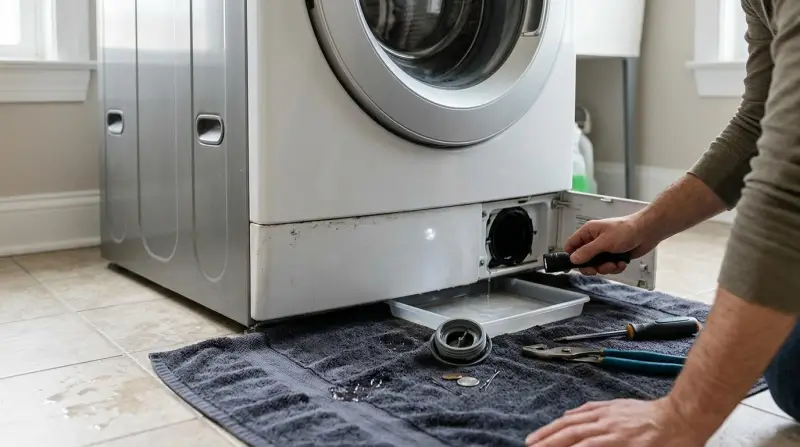
When your washing machine drains, several parts work together. If any part is damaged or blocked, the machine may make loud sounds. Here are the most common reasons:
1. Drain Pump Problems
The drain pump moves water out of the washer. If it’s faulty, clogged, or worn out, it can make grinding, buzzing, or rattling noises. Small objects like coins or hair pins often get stuck in the pump, causing noise.
2. Foreign Objects In The Pump Or Hose
Loose items can travel from the drum into the drain hose or pump. These objects bang around and make loud noises. Socks, coins, and even small toys are frequent culprits.
3. Blocked Or Twisted Drain Hose
A blocked hose slows water flow, causing the pump to strain and make noise. Twisted hoses can also create loud vibration or whistling sounds.
4. Pump Impeller Damage
Inside the drain pump is an impeller, a small rotating blade. If it’s chipped or broken, it can vibrate and hit the pump housing, leading to loud noises.
5. Loose Parts Or Mounts
If the pump mounts or screws are loose, the pump can vibrate against the washer body. This often causes a knocking or rattling sound when draining.
6. Worn Bearings
Some washers have bearings in the pump or motor. Worn bearings can cause a rough, grinding noise during draining.
7. Clogged Filter
Many machines have a drain filter that catches debris. If clogged, water struggles to pass, making the pump noisy.
Each cause has its own symptoms. Knowing these signs can help you diagnose your machine quickly.
How To Diagnose The Noise
To fix the problem, you first need to find out what’s causing the noise. Follow these steps:
- Listen Carefully: Different noises mean different issues. Grinding usually means a stuck object. Buzzing can mean a blocked pump. Rattling often points to loose parts.
- Check For Error Codes: Modern washers show error codes if something is wrong. Look up the code in your manual.
- Inspect The Drain Hose: Pull the washer away from the wall and check the hose for twists or blockages.
- Open The Pump Filter: Most front-load machines have a filter at the front. Open it and look for debris.
- Look For Leaks Or Movement: If the washer moves or leaks during draining, the pump mounts may be loose.
- Manual Spin Test: Turn the drum by hand. Listen for grinding or rubbing sounds.
Here’s a simple comparison to help you spot the issue:
| Noise Type | Likely Cause | Quick Test |
|---|---|---|
| Grinding | Foreign object, damaged impeller | Check pump filter |
| Buzzing | Blocked hose, clogged filter | Inspect hose & filter |
| Rattling | Loose mounts or screws | Check pump mounts |
| Whistling | Twisted hose | Straighten hose |
| Thumping | Large object stuck | Inspect drum & filter |
Step-by-step Solutions
Once you’ve identified the cause, you can fix the noise. Here’s how to address each common issue:
1. Clearing Blockages
- Unplug the washer for safety.
- Locate the drain filter (usually at the front-bottom).
- Place a towel and bowl under the filter to catch water.
- Open the filter and remove debris.
- Check the drain hose for blockages. Use a thin, flexible brush to clear it.
- Reattach everything and run a short cycle to test.
2. Repairing The Drain Pump
- If you find damage to the pump or impeller, it may need replacement.
- Pumps are inexpensive (usually $20–$50) but replacing them takes some skill.
- Remove the washer’s back panel, locate the pump, and check for cracks or broken blades.
- Replace the pump if needed. Make sure to use the correct model for your washer.
3. Fixing Loose Mounts
- Inspect the pump’s attachment points.
- Tighten any loose screws or bolts.
- If rubber mounts are worn, replace them for better vibration control.
4. Unclogging The Hose
- Disconnect the hose from both the washer and the drain.
- Flush water through it or use a flexible snake to clear blockages.
- Reconnect and secure the hose to avoid future twisting.
5. Addressing Worn Bearings
- Bearings are harder to access and often require professional help.
- Listen for rough, grinding sounds during draining and spinning.
- If bearings are the issue, contact a technician or your washer’s support line.
Here’s a quick table comparing repair difficulty:
| Repair Type | Skill Level | Estimated Cost |
|---|---|---|
| Clear blockage | Beginner | $0–$10 |
| Replace drain pump | Intermediate | $20–$50 |
| Fix loose mounts | Beginner | $0–$10 |
| Unclog hose | Beginner | $0–$10 |
| Replace bearings | Advanced | $100–$200 |
Non-obvious Insights Most People Miss
Many beginners focus only on the drum and forget about the drain system. Two key insights:
- Regular Maintenance Prevents Noise:
Cleaning the filter and hose every few months can stop loud noises before they start. Most people wait until there’s a problem, but a little maintenance goes a long way.
- Water Quality Matters:
Hard water builds up minerals inside the pump and hoses. This can make the pump noisy and reduce its lifespan. Using a water softener or running a descaling cycle can help.

When To Call A Professional
Some issues are simple, but others need expert help:
- If you suspect bearing failure, don’t try to fix it yourself unless you’re confident.
- If you see water leaks, electrical problems, or strange smells, call a technician.
- If your washer is under warranty, contact the manufacturer for safe repairs.
Repair shops usually charge $100–$200 for pump or bearing replacements. You can save money by fixing small problems yourself, but don’t risk your safety or warranty.
Preventing Loud Drain Noise In The Future
You can avoid future problems with these habits:
- Check Pockets Before Washing: Remove coins, keys, and other items to prevent blockages.
- Clean The Filter Regularly: Most manufacturers suggest cleaning every 2–3 months.
- Use Recommended Detergents: Too much detergent creates excess suds, which can clog filters and hoses.
- Keep The Drain Hose Straight: Avoid twisting or kinking the hose when moving the washer.
- Inspect After Each Wash: Listen for new noises and check for leaks.
Many people ignore these steps, but following them keeps your washer healthy and quiet.

Comparing Washing Machine Brands For Drain Noise
Not all washing machines are the same. Some brands are quieter during draining due to better pump design or insulation. Here’s a comparison:
| Brand | Average Drain Noise (dB) | Drain Pump Quality |
|---|---|---|
| LG | 50 | Excellent |
| Samsung | 52 | Very Good |
| Whirlpool | 55 | Good |
| Maytag | 57 | Average |
| GE | 60 | Average |
Noise levels differ due to insulation and pump technology. If you’re looking for a new washer, consider these numbers.
Frequently Asked Questions
Why Does My Washing Machine Suddenly Make Loud Noises When Draining?
Sudden loud noises usually mean something is stuck in the pump or hose. Check the drain filter and hose for coins, socks, or other debris. If you find nothing, the pump or impeller may be damaged.
How Do I Clean The Drain Filter In My Washing Machine?
Find the filter door (often at the front-bottom). Open it, place a towel underneath, and turn the filter cap slowly. Remove any debris and rinse the filter before putting it back.
Can A Blocked Drain Hose Cause Loud Noises?
Yes, a blocked drain hose forces the pump to work harder, which creates buzzing or rattling sounds. Clearing the blockage usually fixes the noise.
Is It Safe To Fix The Drain Pump Myself?
If you have basic skills and follow safety steps (unplugging the machine, handling water carefully), you can fix or replace the pump. For motor or bearing issues, it’s best to call a professional.
How Often Should I Clean My Washing Machine’s Drain System?
Cleaning the drain filter and hose every 2–3 months prevents most loud noise issues. If you wash heavy items or use hard water, clean more often.
Fixing a washing machine that makes loud noise when draining is easier when you know what to look for and how to solve it. Most problems are caused by small objects, blockages, or worn parts. With regular maintenance and careful listening, you can keep your washer quiet and efficient. If you ever feel unsure, don’t hesitate to call a technician or look for trusted advice from sources like Consumer Reports. Remember, your washer is a hardworking machine—taking care of it pays off in the long run.
1 thought on “Washing Machine Makes Loud Noise When Draining: Quick Fixes”