
A trapped object or debris inside the drain pump impeller is the most common cause of a dishwasher making buzzing noise. You can safely keep using the machine if the sound doesn’t change into a grinding or burning smell, but you should clear the blockage before the next cycle to prevent pump motor damage. To check this, remove the bottom rack and filter, then reach into the pump housing to see if the plastic blades move freely or feel obstructed by a hard object like a seed or piece of glass.
Why your dishwasher is making that buzzing noise

| What you notice | What it usually means | What to do first |
|---|---|---|
| Low hum during drain | Debris in pump | Clear the filter |
| Constant buzzing during cycle | Stuck pump impeller | Rotate blades manually |
| Buzzing only when filling | Water inlet valve issue | Check water pressure |
| Loud buzzing when empty | Worn pump motor | Call a technician |
| Rattling and buzzing | Loose spray arm | Tighten spray arm |
Most homeowners mistake a worn pump motor for a simple clog. If the buzzing persists after you clear the filter, check the motor housing temperature. A motor that’s hot to the touch indicates a seized bearing, which requires an immediate replacement rather than a cleaning.
When the water inlet valve buzzes, verify your home water pressure first. If the pressure exceeds 80 PSI, the valve can’t close properly, leading to a persistent hum. Install a pressure regulator if you notice this sound occurring across multiple appliances.
Distinguish between a mechanical rattle and an electrical buzz by pausing the cycle mid-drain. If the noise stops instantly when the power cuts, the issue is electrical. Ignoring a mechanical rattle will eventually strip the plastic pump gears, turning a twenty-dollar repair into a full unit replacement.
Safety: Inside a mains-powered machine, the parts behind the outer cover can hold a dangerous electrical charge even after it has been unplugged — that’s why they sit behind a cover. Opening the housing, or testing or replacing anything behind it, is a job for a qualified technician, never a home repair.
Debris blocking the pump blades
Small food particles or broken glass often enter the sump area and prevent the pump impeller from spinning smoothly. This creates a buzzing sound because the motor is trying to turn but hitting a physical stop.
To confirm this is the problem, turn off the power at the breaker before you touch anything near the pump. Remove the bottom rack and the circular filter basket at the base of the tub. Shine a flashlight into the small opening beneath the filter. You should see the plastic impeller blades. Use a dull tool, like a wooden spoon handle, to gently push the blades. If they don’t rotate or you feel a hard object, you have found the cause.
Many users make the mistake of reaching in with their bare fingers. This is dangerous because glass shards are often hidden in the sludge. Always use needle-nose pliers to extract debris.
Once the path is clear, replace the filter and restore power. If the buzzing stops during the next drain cycle, you have successfully fixed the issue. This assumes a standard debris clog; if the impeller itself is broken or loose on its shaft, the motor will need a replacement part. If the motor hums but the impeller spins freely, the fault lies in the electrical windings rather than a blockage.
Water inlet valve restriction
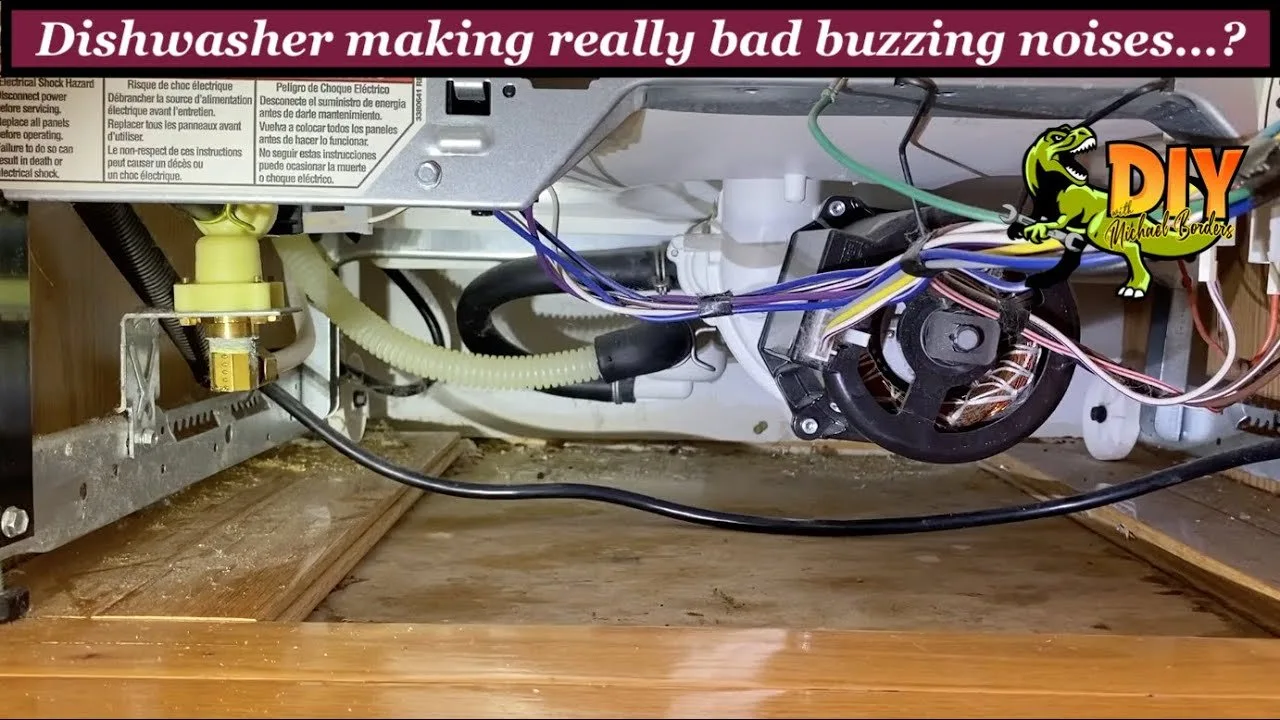
A buzzing sound that happens specifically while the dishwasher is filling with water often points to a failing water inlet valve. This valve uses an electromagnetic coil to open and close the water line. If the coil starts to fail or the diaphragm inside is clogged with mineral deposits, the valve will vibrate or buzz under the pressure of the incoming water.
You can tell this apart from a pump issue because it only occurs during the fill stage. A pump blockage buzzes during the drain or wash circulation phases. To check this, verify that your home water pressure is set to the manufacturer’s recommended range, usually between 20 and 120 PSI.
If the pressure is correct but the noise persists, the valve is likely struggling to open fully. Many people mistakenly replace the pump when the issue is actually the valve. This error costs the average homeowner a significant amount in unnecessary parts and wasted labor time.
The decision rule is simple: if the buzzing only happens when the unit is taking in water, target the valve. If the noise occurs while the spray arms are moving or during the final drain, focus on the pump motor or debris in the impeller housing.
If you suspect the valve, you must have it replaced by a professional. It’s connected directly to your home’s water supply and electrical system. The sound will stop once the valve is replaced with an identical model. If you don’t fix this, the valve may eventually seize, leaving you with a dishwasher that won’t fill at all. A seized valve can also lead to a slow leak, potentially causing floor damage behind the cabinet.
Spray arm obstruction
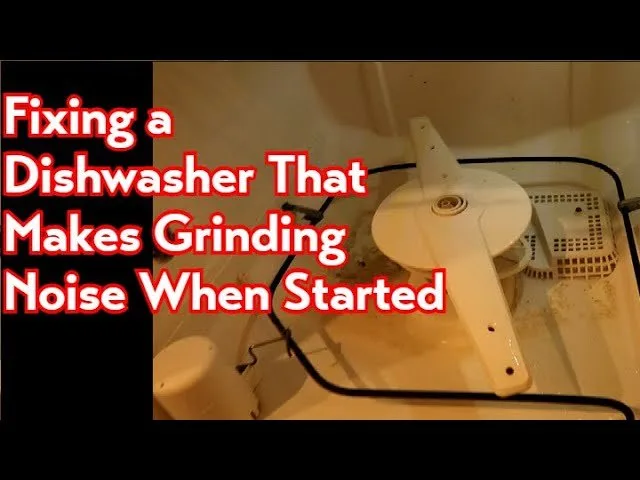
Sometimes a buzzing noise isn’t coming from the motor but from a spray arm that’s hitting a dish or a piece of cutlery. This happens when a tall item in the bottom rack blocks the rotation of the arm, forcing the motor to strain against the resistance.
You can tell this apart from the other causes because it’s often accompanied by a scraping sound or a rhythmic thumping. Check this by manually spinning the spray arm with your hand while the dishwasher is empty. If it hits an object, adjust your loading pattern so that no items hang over the edge of the rack.
A common mistake is assuming the arm is level when it’s actually sagging. If the arm spins freely but still buzzes, check the mounting nut to ensure it’s tight. If the arm is loose, it will vibrate against its plastic housing, creating a high-pitched buzz during the wash cycle.
If the arm is warped or cracked, it won’t distribute water properly, and you’ll notice that your dishes aren’t getting clean. A warped arm often dips low enough to clip the rack only when the water pressure is high.
Simply replacing the spray arm or tightening the nut resolves this issue immediately. Use the decision rule of checking the center hub first; if the hub shows visible plastic fatigue or white stress marks, don’t waste time tightening the nut. Replace the entire assembly to prevent permanent damage to the pump housing.
When to stop and get help
If you smell burning plastic or electrical smoke, stop the cycle immediately and turn off the power at the breaker to prevent a fire. Don’t flip the breaker back on to test the unit, as this can trigger a secondary short circuit that damages your home’s wiring.
If water is leaking onto the floor while the buzzing occurs, don’t attempt further use. This indicates a failed pump seal or cracked housing. If the water reaches the motor assembly, the repair cost often triples due to secondary electrical damage.
If the buzzing is accompanied by a loud grinding or metallic screeching, the motor bearings are likely failing. This requires professional repair. Running the machine in this state will eventually seize the motor, turning a simple bearing replacement into a full pump assembly swap.
If the electrical cord or the wall outlet feels hot, call an electrician. This suggests a loose connection or an overloaded circuit.
If the dishwasher fails to drain after you clear the debris, the pump motor is likely burnt out. If the unit remains silent during the drain cycle, the motor has likely reached its end of life.
Frequently asked questions
Can I keep running the dishwasher if it makes a buzzing noise?
No, it isn’t recommended to keep using the machine until you identify the source of the sound. A buzzing noise often means a motor is struggling, which can lead to a total motor failure if ignored. You should perform the basic checks listed above to ensure that a simple blockage isn’t causing the motor to overheat or draw too much power.
How long does a dishwasher pump usually last?
Most dishwasher pumps are designed to last for many years, though this depends entirely on the hardness of your water and how well you clean the filter. If you live in an area with hard water, mineral buildup can shorten the lifespan of the pump significantly.
Is it safe to reach into the pump housing?
Yes, it’s safe to reach into the housing only if you have turned off the power at the circuit breaker first. Never attempt to touch the internal components while the machine is plugged in or switched on. If you can’t see the obstruction clearly or if the blades feel stuck due to a mechanical failure, stop immediately and contact a professional service technician.
What happens if I ignore the buzzing sound?
If you ignore the noise, you risk burning out the pump motor, which is a much more expensive repair than simply clearing a piece of debris. In some cases, a continuously straining motor can cause the control board to trip or fail. It’s always better to address the sound early to avoid a complete machine breakdown that leaves you without a working dishwasher.
Does it matter if the noise only happens during the drain cycle?
Yes, it matters because it tells you exactly which component is failing. If the noise only happens during the drain, the problem is almost certainly inside the drain pump or the drain hose. If the noise happens during the entire cycle, the issue is likely with the main circulation pump. Use these symptoms to narrow down your search before deciding on the next step.
How do I know if the motor is actually broken?
The motor is likely broken if you have cleared all debris, verified that the impeller spins freely, and the machine still produces a loud, strained buzzing sound. If the motor makes a grinding noise or fails to move water after you have cleared the filter, it has reached its limit. At this point, you should consult a professional to confirm if a part replacement is viable.
Final Thoughts
If the noise persists after you’ve cleared any debris, it’s likely that the pump motor itself is failing. Don’t ignore a worsening sound, as it won’t fix itself. It’s best to contact a professional repair technician soon so you don’t end up with a flooded kitchen floor or a broken appliance.
Related guides
- Washing Machine Makes Loud Noise When Draining: Quick Fixes
- Frigidaire Refrigerator Grinding Noise: Causes and Quick Fixes