
Every washing machine user has faced it: you open the lid after a cycle, expecting clean, untangled laundry, but instead, you find clothes tightly wrapped around an agitator. Sometimes, it feels like your favorite shirt has become one with the machine. This problem is more than a simple annoyance. Tangled clothes can stretch fabrics, cause uneven cleaning, and even damage your washer. Understanding why this happens and how to prevent it can save both your clothes and your appliance.
What Is An Agitator?
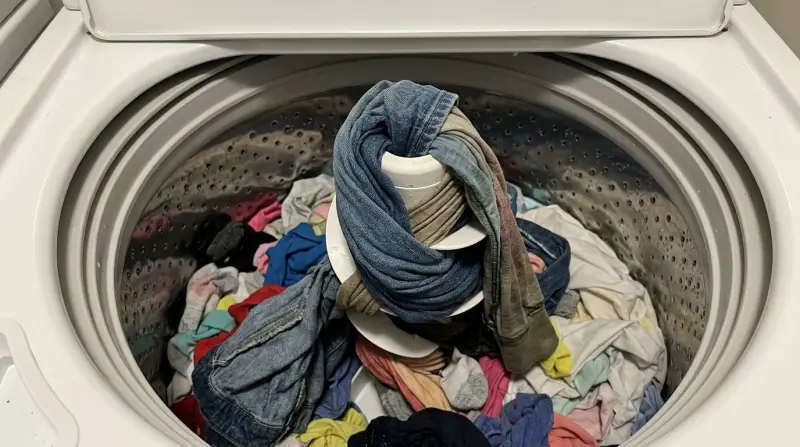
An agitator is a tall, central post in the middle of some top-loading washing machines. Its fins or vanes move back and forth, helping to shake and rub clothes together. This motion is designed to loosen dirt and stains during a wash cycle.
Not all washers use agitators. Some models use impellers—low, cone-shaped discs at the bottom instead. But agitators remain common, especially in traditional top-loaders, because they provide powerful cleaning. However, their design also makes them prone to wrapping issues.
Why Do Clothes Wrap Around An Agitator?
Several factors cause clothes to twist and wrap tightly:
- Overloading the machine: When you put too many clothes in, there’s not enough room for them to move freely. Fabrics tangle and get pulled around the agitator.
- Long items: Sheets, jeans, towels, and drawstrings often get caught. Their length makes them more likely to wrap.
- Unbalanced loads: Mixing heavy and light items can make the load spin unevenly, increasing the chance of tangling.
- Type of fabric: Stretchy or thin materials, like leggings or delicates, are more likely to twist and wrap.
- Agitator design: Some older or high-profile agitators have sharper fins, which catch and pull clothes more easily.

Credit: www.youtube.com
How Clothes Wrapped Around An Agitator Cause Problems
You might think, “It’s just tangled clothes—no big deal.” But the consequences can be serious:
- Damaged fabrics: Constant twisting can stretch, tear, or weaken fibers.
- Poor cleaning: Wrapped clothes may not move through water and detergent evenly, leaving spots dirty.
- Washer strain: Excessive tangling creates unbalanced loads, stressing the motor and bearings.
- Drainage issues: Sometimes, wrapped items block the drain holes, causing water to remain in the drum.
- Wasted time: Untangling clothes after each cycle is frustrating and time-consuming.
Real-life Example
A family in Ohio found their king-size bed sheet wrapped so tightly around the agitator that it took two adults and a pair of scissors to free it. The sheet was ruined, and the washer drum was slightly bent—a costly lesson in laundry care.
Simple Ways To Prevent Clothes Wrapping Around An Agitator
Luckily, you can greatly reduce tangling with a few easy steps.
1. Don’t Overload The Washer
Most manuals recommend filling the drum no more than three-quarters full. Clothes should move freely. Overloading not only causes wrapping but also leads to poor cleaning.
2. Load Clothes Evenly
Mix large and small items. Don’t wash only sheets or towels at once—add some smaller pieces to help break up long, twisting fabric. Place items loosely and evenly around the agitator, not in one big clump.
3. Use The Right Cycle
Heavy-duty cycles spin faster and agitate more, increasing tangling. For mixed loads, use a gentle or normal cycle.
4. Fasten Closures
Zip zippers, tie strings, and button buttons. This prevents items from catching on the agitator or each other.
5. Use Mesh Laundry Bags
For delicates, small items, or things with straps, mesh bags can prevent wrapping. They allow water through but keep clothes together.
6. Wash Long Items Separately
If possible, wash sheets, blankets, or long towels alone or with just a few small items. This reduces the chance of them wrapping around the agitator.
7. Pause And Rearrange
For tricky loads, pause the cycle halfway and untangle any long items before continuing. This is especially helpful for new machines you’re still learning to use.
Fixing Clothes That Are Already Wrapped Around An Agitator
Sometimes, even with care, you’ll find clothes tightly wrapped after a cycle. Here’s how to handle it:
- Turn off and unplug your washer for safety.
- Gently pull and untwist clothes by hand. Do not yank—this can damage the fabric and the machine.
- If needed, rotate the agitator back and forth to loosen items.
- For stuck clothes, use scissors carefully to cut the fabric, but only as a last resort.
- Check for any lost buttons or broken zippers that may have gotten caught.
If you find wrapping happens every load, inspect your machine. A damaged or loose agitator may be making things worse.
How Different Washers Compare
Not all washers have the same risk of wrapping. Here’s a quick comparison.
| Machine Type | Agitator Presence | Tangling Risk | Best For |
|---|---|---|---|
| Top-Load Agitator | Yes | High | Heavy-duty cleaning |
| Top-Load Impeller | No | Medium | Gentle on clothes |
| Front-Load | No | Low | Large, mixed loads |

Common Mistakes To Avoid
Even experienced users make errors that lead to wrapping. Here are mistakes and what to do instead:
- Washing only large items together: Always add smaller pieces to keep big items from tangling.
- Ignoring load size: Filling the drum too much or too little both cause issues. Find a balance.
- Skipping maintenance: Worn agitators or rough edges catch fabric more easily. Check for cracks or sharp spots regularly.
- Neglecting proper cycle choice: Using “heavy” for every load is not always better. Match the cycle to the laundry.
- Not checking after wash: Quickly check after each cycle, especially for long or delicate items, to spot tangles before they become worse.
How Modern Agitators Are Improving
Manufacturers are aware of the problem. Newer agitator designs aim to reduce tangling while keeping cleaning strong. Features include:
- Low-profile agitators: Shorter, wider posts that move clothes without wrapping tightly.
- Soft-edge fins: Rounded shapes instead of sharp vanes.
- Variable agitation speeds: Slow for delicates, fast for tough stains.
Some high-end washers use sensor technology to detect load balance and adjust the cycle automatically. While these machines cost more, they help avoid many common tangling problems.

When To Call A Professional
If you notice these signs, it’s time for expert help:
- Clothes are always wrapped, no matter what you try.
- The agitator is loose, noisy, or wobbles.
- You see broken plastic pieces or cracks inside the drum.
- The washer makes loud banging sounds during a cycle.
Persistent tangling may mean a mechanical issue. Fixing it early can save your machine and clothes from bigger damage.
Cost Of Damage: What Can Go Wrong?
Wrapping may seem small, but repair bills can add up. Here’s a comparison of typical costs if things go wrong:
| Problem | Possible Repair | Estimated Cost (USD) |
|---|---|---|
| Stretched or torn clothes | Replacement | $20–$100 per item |
| Bent agitator | Agitator replacement | $150–$250 |
| Broken washer drum | Drum repair/replacement | $350–$600 |
Even a single wrapped load can cost more than a year’s worth of careful washing.
Non-obvious Tips Most People Miss
While general advice helps, here are two less-known ways to prevent wrapping:
- Reverse the drum direction (if possible): Some washers allow you to set the drum to spin both ways. Alternating direction can loosen tangles before they set.
- Use fabric softener or a little vinegar: These can reduce static and friction, making clothes less likely to stick together or wrap.
One more expert tip: If you have a lot of long items, like sheets or towels, give them a quick shake before putting them in the washer. This separates folds and reduces the chance of tight wrapping.
When Agitators Are Actually Useful
Despite the wrapping problem, agitators have benefits:
- Deep cleaning: Their strong motion removes heavy dirt, making them great for work uniforms or sports gear.
- Shorter cycles: Agitators often clean faster than impellers or front-loaders.
The key is using them wisely—know your machine, your laundry, and how to load it.
Should You Consider A Different Washer?
If wrapping is a constant battle, you might think about switching machines. Here are some points to consider:
- Front-load washers almost never cause wrapping but may cost more upfront.
- High-efficiency top-loaders with impellers are gentle but may take longer to clean.
- Agitator models are still best for tough, dirty loads.
Think about your laundry habits before deciding. If you mostly wash long items, a front-loader may be worth the investment. For families with lots of sports clothes or workwear, an agitator might still be best with good habits in place.
For more information on washing machine designs and best practices, you can check the Wikipedia page on washing machines.
Frequently Asked Questions
Why Do Sheets Always Wrap Around The Agitator?
Sheets are large, flat, and flexible. In a wash cycle, they often twist and wrap because there’s nothing to break up their movement. Mixing sheets with smaller items and loading them evenly helps prevent this.
Can Clothes Get Stuck Permanently Around The Agitator?
In rare cases, clothes can become so tightly wrapped that they are very hard to remove. If gentle pulling doesn’t work, unplug the machine and try rotating the agitator. Avoid using too much force, and cut the fabric only as a last resort.
Is It Safe To Remove The Agitator To Prevent Wrapping?
Removing the agitator will reduce wrapping but also makes your washer less effective at cleaning. Most machines are not designed to run without an agitator. Always check your model’s manual or consult a technician before making changes.
Do Washing Machines Without Agitators Tangle Clothes?
Washers with impellers or front-loaders have a lower risk of wrapping, but tangling can still happen, especially with long or delicate items. Proper loading and cycle selection are still important.
What Should I Do If My Agitator Is Damaged?
A cracked or bent agitator can catch and ruin clothes. Stop using the washer and contact a professional for repair or replacement. Using a damaged agitator can lead to more serious washer problems.
Taking a little extra care when loading your washer can save you time, money, and frustration. By understanding why clothes wrap around an agitator and following these simple tips, you’ll enjoy cleaner laundry and a longer-lasting machine.