
If you own an LG microwave and suddenly find it’s not heating your food, you’re not alone. This is one of the most common problems with microwaves, and it can be frustrating—especially when you’re hungry or in a hurry. Microwaves are complex machines, but the reasons for no heat are often clear and fixable.
Understanding these causes, and knowing what to do, can save you money, time, and possibly even a call to the repair shop.
Below, you’ll learn what makes an LG microwave stop heating, how to troubleshoot, and when you should consider repair or replacement. By the end, you’ll know the steps to take and what to watch out for in the future.
How Lg Microwaves Heat Food
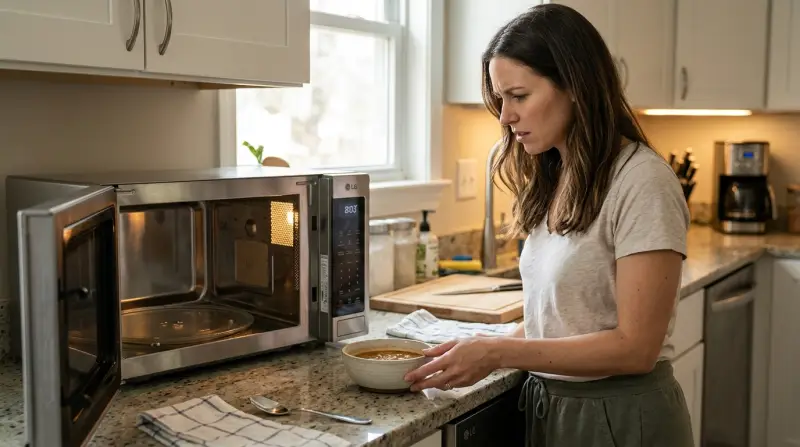
Before you start troubleshooting, it helps to know how a microwave heats food. LG microwaves use a part called the magnetron. This device creates microwaves (radio waves) that make water molecules in your food vibrate, producing heat. When the magnetron or related parts fail, your microwave runs but food stays cold.
Other key parts involved in heating include:
- High voltage diode: Converts electricity for the magnetron.
- Capacitor: Stores and releases energy.
- Door switches: Ensure the microwave runs only when the door is closed.
If any of these fail, your microwave may stop heating.
Common Causes: Why Your Lg Microwave Is Not Heating
Several reasons can cause an LG microwave to run but not heat. Here are the most common:
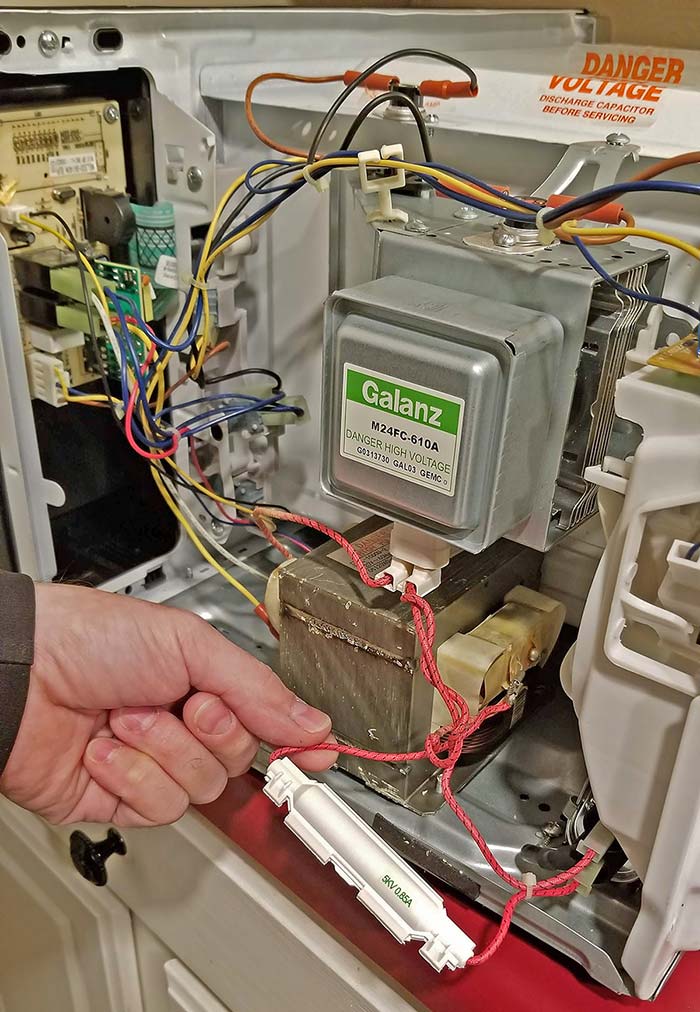
- Faulty Magnetron: The magnetron is the heart of your microwave’s heating system. If it burns out, the microwave will not heat food. Magnetrons are not repairable; they must be replaced.
- Burned-out High Voltage Diode: The high voltage diode sends power to the magnetron. If it fails, the magnetron won’t work, so there’s no heat.
- Defective Door Switches: Your microwave has door switches to ensure it only works when the door is closed. If these switches are broken or misaligned, the microwave may run but not heat.
- Capacitor Failure: A faulty capacitor can stop the flow of energy to the magnetron. This is harder to diagnose without special tools.
- Blown Fuse Or Thermal Fuse: Fuses protect your microwave from power surges. If blown, they cut off power to key heating parts.
- Control Board Issues: The control board is the “brain” of your microwave. If it malfunctions, signals may not reach the magnetron.
- Power Supply Problems: Sometimes, the outlet itself is the issue. If the microwave is not getting enough power, it won’t heat.
Here’s a quick comparison of these issues:
| Cause | Symptom | Can You Fix? |
|---|---|---|
| Magnetron failure | Microwave runs, no heat | No, needs replacement |
| Diode failure | No heat, possible humming noise | Possible, if skilled |
| Door switch | Runs but no heat, or won’t start | Yes, if careful |
| Capacitor problem | No heat, loud humming | No, needs technician |
| Blown fuse | No power or no heat | Yes, replace fuse |
| Control board | Unusual operation | No, complex repair |
Step-by-step Troubleshooting Guide
If your LG microwave is not heating, you can try these steps to narrow down the issue. Always unplug the microwave before starting.
1. Check The Basics
- Make sure the microwave is plugged in and the outlet works.
- Try another appliance in the same outlet.
- Check if the microwave’s display is working.
2. Test With Water
- Place a cup of water inside.
- Run the microwave for 1–2 minutes.
- If the water is still cold, heating is not working.
3. Listen For Unusual Noises
- A loud humming or buzzing could mean a magnetron or diode problem.
- Silence, but with the display working, may signal a blown fuse.
4. Inspect Door Latches And Switches
- Open and close the door firmly.
- If the microwave starts only when you push the door a certain way, a door switch might be faulty.
5. Reset The Microwave
- Some LG models have a reset button. If not, unplug the microwave for 2–3 minutes, then plug in again.
6. Look For Error Codes
- LG microwaves may show error codes on the display. Look these up in your manual or on the LG website.
7. Examine Fuses (if You’re Comfortable)
- Unplug the microwave.
- Remove the outer cover (this may void warranty).
- Locate and check the fuse or thermal fuse. Replace if blown.
The capacitor can hold a dangerous charge even after unplugging. If you’re unsure, do not open the microwave further.
When To Call A Professional
Some repairs are safe for a DIY approach, such as checking outlets or replacing a fuse. But for anything involving the magnetron, diode, or capacitor, it’s best to call a professional. These parts can deliver a dangerous electric shock.
Here’s when you should seek help:
- You suspect a magnetron, diode, or capacitor problem.
- You’re not comfortable opening the microwave.
- The microwave is still under warranty.
LG offers support and may even cover repairs if your microwave is new. Check your warranty before calling a repair shop.
Cost Of Repair Vs. Replacement
Sometimes, fixing an LG microwave is not worth the price. Here’s a look at average costs in the US:
| Repair | Average Cost | Worth Repairing? |
|---|---|---|
| Magnetron replacement | $100–$200 | Usually no, buy new |
| Door switch | $50–$100 | Yes |
| Fuse replacement | $30–$70 | Yes |
| Control board | $150–$300 | No, buy new |
For microwaves over five years old, or with repair costs more than half the price of a new unit, replacement is usually smarter. Newer models also use less energy and have better safety features.
Preventing Heating Problems In The Future
You can help prevent heating problems with a few simple habits:
- Don’t run the microwave empty. This can damage the magnetron.
- Keep the inside clean. Food splatters can affect sensors and airflow.
- Close the door gently. Slamming the door can break switches.
- Avoid overloading. Too much food at once can stress the magnetron.
- Check vents. Blocked vents cause overheating.
Here are two less obvious tips most owners miss:
- Use microwave-safe containers only. Some plastics or metals can interfere with microwaves, causing uneven heating and stressing the magnetron.
- Let the microwave cool between uses if cooking multiple items. This protects the magnetron from overheating.

Real-world Example: User Story
Maria from Texas noticed her LG microwave’s turntable spun and the light came on, but her coffee stayed cold. She tried resetting the microwave and checking the outlet, but nothing worked. After searching online, she learned about the magnetron and realized it wasn’t worth fixing, since her microwave was six years old.
She bought a new LG model with better energy efficiency, and now always lets it cool between uses.
Are Lg Microwaves Reliable?
LG is known for reliable home appliances, but like any brand, issues can happen. In a 2023 US customer survey, LG microwaves scored 4. 4 out of 5 for reliability, with less than 10% of owners reporting major problems in the first five years.
Most common issues were minor, like buttons wearing out or interior lights failing.

Credit: www.youtube.com
How To Choose A New Lg Microwave
If you decide to replace your microwave, consider these factors:
- Size: Will it fit your space and plates?
- Power (Wattage): Higher watts mean faster heating.
- Features: Look for sensor cooking, child lock, or easy-clean interiors.
- Warranty: LG offers 1–2 years on most models.
- Price: Entry-level models start at around $100, premium ones can cost $300+.
For more on picking the right model, see the Consumer Reports Microwave Buying Guide.
Frequently Asked Questions
Why Does My Lg Microwave Run But Not Heat?
This usually means the magnetron or a related part (like the high voltage diode) has failed. Sometimes, a faulty door switch or fuse can also cause this. If you hear humming but no heating, it’s likely the magnetron or diode.
Can I Fix An Lg Microwave That’s Not Heating By Myself?
You can check the fuse or door switches if you’re careful and unplug the microwave first. However, repairs involving the magnetron, diode, or capacitor are dangerous and should be done by professionals.
Is It Worth Repairing A Microwave That’s Not Heating?
If your microwave is under five years old and the repair is minor (like a fuse or door switch), it’s usually worth fixing. If it needs a new magnetron or control board, replacement is often better.
What Causes A Magnetron To Fail In Lg Microwaves?
Running the microwave empty, old age, and power surges are common causes. Using the wrong containers or blocking vents can also stress the magnetron and shorten its life.
How Long Do Lg Microwaves Usually Last?
Most LG microwaves last 7 to 10 years with normal use. Cleaning regularly and avoiding running it empty can help your microwave last longer.
If your LG microwave is not heating, don’t panic. Start with basic checks, and remember that safety comes first. For complex repairs, professional help is always the safest option. With the right care, your next LG microwave should give you years of reliable service.
1 thought on “LG Microwave Not Heating: Top Fixes and Troubleshooting Tips”