
A loud popping sound coming from your house electrical system can be alarming. It often leaves homeowners worried about safety, potential fire risks, and the cost of repairs. While some noises are harmless, others can signal serious issues that need quick attention.
Understanding what causes these sounds, how to identify them, and what steps to take can help you protect your home and family.
Why Do Electrical Systems Make Loud Popping Sounds?
Electrical systems are designed to run quietly. When you hear popping sounds, it usually means something is wrong. Sometimes, the sound comes from a single outlet or appliance. Other times, it’s from behind the walls or ceiling.
Common causes include:
- Loose wiring: When wires are not connected tightly, electricity jumps between gaps, making popping noises.
- Faulty switches or outlets: Damaged or old outlets can make noise when electricity flows through them.
- Circuit overload: Too many devices on one circuit can cause sudden pops as breakers trip.
- Short circuits: When a wire touches another wire or metal, it creates a spark and noise.
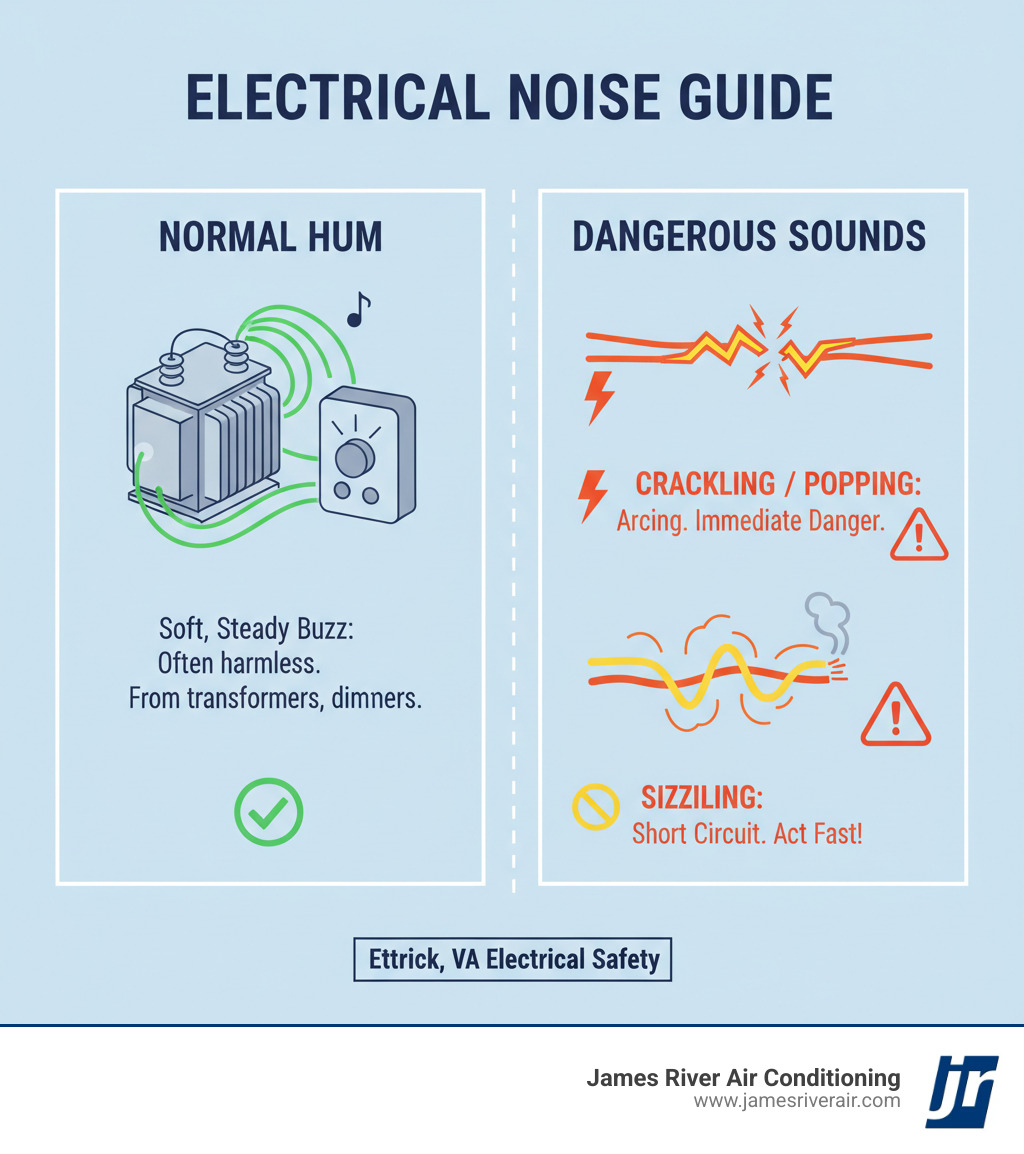
- Arcing: Electricity jumps across a gap, producing a loud pop and sometimes visible sparks.
These sounds are not normal. If ignored, they can lead to dangerous situations like electrical fires or shocks.
Where Do Loud Electrical Pops Usually Come From?
Finding the source of the noise is key. Here are typical places:
- Wall outlets: Most common, especially if damaged or overloaded.
- Light switches: Old or worn switches may crackle or pop when used.
- Electrical panels: If a breaker trips or wiring is loose inside, you may hear a pop.
- Ceiling fixtures: Sometimes, wires in ceiling lights or fans become loose.
- Appliances: Fridges, microwaves, or air conditioners may pop if their internal wiring fails.
If the popping sound comes from behind a wall or ceiling, it’s often a sign of hidden wiring problems.

How Dangerous Are Loud Popping Sounds In Electrical Systems?
Not all electrical noises are equal, but a loud pop is rarely harmless. Here’s a comparison to help judge risk:
| Type of Sound | Possible Cause | Risk Level |
|---|---|---|
| Soft crackling | Loose connection, old wiring | Moderate |
| Loud pop | Short circuit, arcing | High |
| Continuous buzzing | Overloaded outlet, faulty device | Moderate to High |
| Occasional click | Breaker tripping | Low to Moderate |
A loud pop often comes with a flash or burnt smell. This is a clear warning sign. According to the US National Fire Protection Association, about 51,000 home fires each year are caused by electrical faults. Many start with sounds like popping or crackling.
Immediate Actions If You Hear Loud Popping
Safety should be your first concern. If you hear a loud pop, follow these steps:
- Turn off power: Switch off the main breaker or unplug affected devices. Never touch outlets or switches if you smell burning.
- Check for fire: Look for smoke or scorch marks. If you see fire, call 911.
- Evacuate if needed: If the smell is strong or you see sparks, leave the area.
- Call an electrician: Do not try to fix electrical issues yourself unless you are trained.
Never ignore a loud popping sound. Even if the noise stops, the problem may still exist.

Common Causes Of Loud Popping Sounds
Let’s look deeper at the main reasons:
Loose Or Damaged Wiring
Loose wires create gaps where electricity jumps. This makes a popping sound. It can happen in:
- Old homes with aging wires
- Outlets that are used often
- Areas with frequent temperature changes
Loose wiring is a top cause of electrical fires. Many homeowners miss this because the wires are hidden behind walls.
Faulty Outlets And Switches
Outlets and switches wear out over time. When internal parts break, they make noise as electricity tries to flow. Signs include:
- Outlet feels hot
- Visible cracks or discoloration
- Pops when plugging in devices
Replacing damaged outlets quickly can prevent bigger problems.
Circuit Overload
Plugging too many devices into one outlet or circuit causes overloads. The breaker may trip with a loud pop, or you may hear the sound as wires heat up.
Short Circuits
When a wire touches another wire or metal, it creates a short circuit. This causes a sudden electrical surge and a loud pop. It’s very dangerous and can cause fire.
Electrical Arcing
Arcing is when electricity jumps across a gap. It makes a loud pop and sometimes visible sparks. Arcing can happen in:
- Old outlets
- Damaged wires
- Loose breaker connections
According to the US Consumer Product Safety Commission, arcing is a leading cause of electrical fires.
How To Find The Source Of A Loud Pop
Identifying where the sound comes from helps you explain the problem to an electrician. Here’s a simple guide:
| Location | Common Causes | Signs |
|---|---|---|
| Wall Outlet | Loose wiring, overload | Hot to touch, burn marks |
| Light Switch | Worn contacts, arcing | Clicks when used, discoloration |
| Electrical Panel | Breaker trip, loose wires | Popping sound, breaker won’t reset |
| Appliance | Internal wiring fault | Device stops working, smell |
Listen carefully. Note if the sound happens when turning something on or off, or randomly. Check for other signs like flickering lights, burning smell, or devices not working.
How Electricians Diagnose Popping Sounds
Professional electricians use tools and experience to find and fix electrical issues. Here’s what they typically do:
- Visual inspection: Look for burn marks, loose wires, or damaged outlets.
- Testing outlets and switches: Use meters to check voltage and current.
- Check electrical panel: Inspect breakers and connections.
- Thermal imaging: Some use cameras to find hot spots behind walls.
- Circuit testing: Turn circuits on and off to isolate the problem.
Most issues can be found quickly if you describe when and where the sound happened.
Prevention Tips For Loud Electrical Pops
Preventing electrical problems is easier than fixing them. Here’s how you can protect your home:
- Don’t overload outlets: Plug only one high-power device per outlet.
- Replace old outlets: If your home is over 20 years old, consider updating outlets and switches.
- Check for loose plugs: Make sure devices fit snugly into outlets.
- Have yearly inspections: Electricians can spot hidden problems before they become dangerous.
- Install arc fault breakers: These detect arcing and shut off power before damage occurs.
Many homeowners skip regular inspections, thinking their electrical system is safe. But hidden problems can grow over time.
Real-life Examples And Statistics
Let’s look at some real cases:
- In 2022, a family in Ohio noticed a loud pop from their living room outlet. Within minutes, smoke started coming from the wall. The cause was a loose wire behind the outlet that had overheated.
- A homeowner in Texas heard popping sounds from their ceiling fan. An electrician found frayed wires inside the ceiling box. Fixing it prevented a possible fire.
Statistics show that electrical fires are more common in older homes. According to the US Fire Administration, homes built before 1970 are twice as likely to have wiring issues leading to pops and fires.
Repair Costs And What To Expect
Repairing electrical problems can be costly, but ignoring them is riskier. Here’s a comparison of typical repair costs:
| Issue | Average Cost (US) | Repair Time |
|---|---|---|
| Replace outlet | $100 – $200 | 30 min – 1 hour |
| Fix loose wiring | $150 – $400 | 1 – 2 hours |
| Replace breaker | $150 – $250 | 1 hour |
| Full panel repair | $800 – $2,000 | 4 – 8 hours |
These prices are averages. Complex issues hidden behind walls can cost more. Always get a quote before work starts.
Common Mistakes Homeowners Make
Many people ignore small electrical noises or try to fix them themselves. Here are mistakes to avoid:
- Ignoring the sound: Waiting can make the problem worse.
- Using extension cords: They can overload circuits and cause pops.
- Covering outlets: Hiding burn marks or cracks doesn’t fix the problem.
- DIY repairs: Without proper training, you can make things worse or get hurt.
If you’re unsure, always call a professional.
When To Call An Electrician Vs. Handle It Yourself
Some simple issues, like a loose plug, can be fixed by the homeowner. But for anything involving wiring, outlets, or the panel, call an electrician.
Signs you need a pro:
- Loud popping sounds
- Burning smell
- Visible sparks
- Repeated breaker trips
Electricians have the tools and training to fix the problem safely.
Extra Insights Most Beginners Miss
- Humidity can worsen electrical issues. In damp climates, moisture gets into outlets and switches, increasing the risk of arcing and popping. Always check for leaks or condensation near electrical areas.
- Renovations can create hidden problems. If you’ve recently remodeled, check for nails or screws that may have pierced wires behind walls. Many electrical pops start after construction.
Frequently Asked Questions
What Should I Do If I Hear A Loud Popping Sound From An Outlet?
Turn off power at the breaker, unplug all devices, and call a licensed electrician. Do not use the outlet until it’s inspected.
Can A Loud Popping Sound Mean My House Is At Risk Of Fire?
Yes. Loud pops often signal short circuits or arcing, which are leading causes of electrical fires. Take action immediately.
Is It Safe To Use An Appliance After Hearing A Popping Sound?
No. Unplug the appliance and have it checked. Using it could cause more damage or a shock.
How Can I Prevent Electrical Popping Sounds In The Future?
Avoid overloading outlets, replace old switches and outlets, and schedule regular inspections. Install arc fault circuit breakers for added safety.
Are Electrical Pops More Common In Older Homes?
Yes. Older wiring is more likely to be loose, damaged, or overloaded, especially in homes built before modern codes. Regular updates and inspections are essential.
If you want more technical details, check out Wikipedia’s page on electrical fires for deeper information.
A loud popping sound in your house electrical system is a warning you should never ignore. By learning the causes, taking the right steps, and seeking professional help, you keep your home and loved ones safe. Stay alert, and protect your home from hidden electrical dangers.