
If you own a Nesco appliance—like a food dehydrator, roaster oven, or pressure cooker—you know it’s a trusted brand. But even good products face challenges. Many Nesco users report specific problems that can affect their experience and results. This article explores the 12 most frequent issues, explains why they happen, and gives you practical solutions. Whether you’re a beginner or a regular Nesco user, you’ll find useful tips and data to help you avoid mistakes and fix problems fast.
Understanding Nesco Appliances
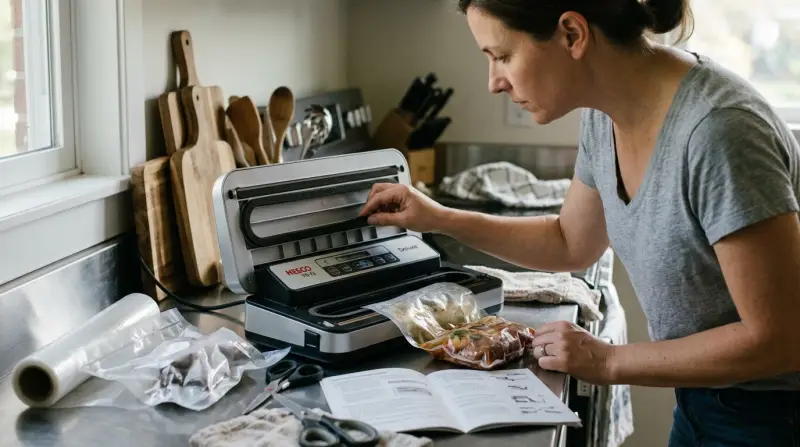
Nesco makes several kitchen tools, but their food dehydrators and roaster ovens are the most popular. These products are known for durability, but users sometimes face technical or usability issues. Before we dive into the problems, it helps to know that Nesco models have different features and parts. For example, the Nesco FD-75A dehydrator is famous for its adjustable thermostat and expandable trays, while the Nesco 6 Qt Roaster is used for slow cooking and roasting.
The 12 Most Common Nesco Problems
Let’s break down each problem, explain why it happens, and share practical solutions. Each section focuses on one problem, with clear advice to help you fix it.
1. Uneven Drying
Many users notice that food dries unevenly in their Nesco dehydrator. Some trays produce crisp results, while others leave food moist.
Why it happens: Heat and airflow may not reach all trays equally, especially if you stack many trays.
Solution: Rotate trays every few hours. Place thicker slices on the bottom trays and thinner ones on top. Avoid overloading the dehydrator—most models work best with 4–6 trays at a time.
2. Trays Warping
Plastic trays in Nesco dehydrators can warp after repeated use or exposure to high temperatures.
Why it happens: Using trays at temperatures above their recommended limit, or washing them in a dishwasher with high heat, causes warping.
Solution: Wash trays by hand with warm water. If you must use a dishwasher, place trays on the top rack. Keep dehydrating temperatures below 160°F (71°C) unless the manual says otherwise.
3. Inaccurate Thermostat
Some Nesco appliances, especially older models, have thermostats that don’t match actual temperatures.
Why it happens: Thermostats can drift over time, or sensors may fail.
Solution: Use an external thermometer to check accuracy. If the temperature is off by more than 10°F, contact Nesco for replacement parts or recalibration. This simple step can prevent undercooked or over-dried food.
4. Motor Noise
A noisy fan or motor is common, especially after a few years of use.
Why it happens: Dust buildup or worn bearings can cause grinding or humming sounds.
Solution: Clean the fan area regularly. If noise persists, lubricate moving parts with food-safe oil. For severe noise, replacing the motor may be necessary.
5. Inconsistent Power
Sometimes, Nesco devices turn off unexpectedly or fail to start.
Why it happens: Loose power cords, faulty sockets, or internal wiring issues are typical causes.
Solution: Check the power cord and plug for damage. Plug into a different outlet to rule out socket problems. If the device still doesn’t work, consult a technician or Nesco support.
6. Overheating
Some users report their Nesco appliance gets too hot, risking food burning or appliance damage.
Why it happens: Blocked vents, faulty thermostat, or using the appliance for longer than recommended.
Solution: Make sure vents are clear. Do not cover the appliance during use. If overheating continues, test the thermostat and avoid using the device for extended periods.
7. Difficult Cleaning
Cleaning Nesco appliances can be a challenge, especially with sticky residues.
Why it happens: Food juices and oils stick to trays and heating elements, making it hard to remove.
Solution: Soak trays and removable parts in warm, soapy water. Use a soft brush for stubborn spots. For roaster ovens, wipe the heating element with a damp cloth—never submerge it.
8. Poor Seal (pressure Cookers)
Some Nesco pressure cookers don’t seal properly, causing steam leaks.
Why it happens: Worn gaskets or misaligned lids.
Solution: Inspect the gasket for cracks or wear. Clean the lid and gasket area carefully. Replace the gasket if needed—Nesco sells replacements online.
9. Short Cord Length
Many Nesco appliances come with short power cords, making placement tricky.
Why it happens: Safety regulations require short cords to reduce tripping or accidental unplugging.
Solution: Use a certified extension cord rated for kitchen appliances. Place the appliance near a wall outlet whenever possible.
10. Limited Timer Settings
Some Nesco models have simple timers or lack automatic shut-off.
Why it happens: Budget models often have basic controls to keep prices low.
Solution: Use an external kitchen timer as a backup. For dehydrators, check progress manually to avoid over-drying.
11. Replacement Parts Hard To Find
Finding replacement trays, gaskets, or thermostats for Nesco products can be challenging.
Why it happens: Older models may be discontinued, and parts are not always stocked.
Solution: Visit the official Nesco website or large online retailers. Check the appliance’s model number before ordering. In some cases, universal parts may fit.
12. Incomplete User Manual
Some Nesco appliances come with user manuals that lack clear instructions or troubleshooting tips.
Why it happens: Manuals are often brief, with few diagrams or detailed steps.
Solution: Search for detailed guides or video tutorials online. The Nesco website offers additional resources, and forums like Reddit have user-contributed solutions.

Credit: www.youtube.com
Comparing Nesco With Other Brands
To see how Nesco stacks up, let’s look at a few key differences with other popular brands. Here’s a simple comparison of dehydrator features:
| Brand | Trays Included | Max Temp (°F) | Noise Level (dB) |
|---|---|---|---|
| Nesco FD-75A | 5 | 160 | 52 |
| Excalibur 3926TB | 9 | 165 | 58 |
| Presto 06300 | 4 | 155 | 50 |
Nesco stands out for quiet operation and moderate temperature range. However, it offers fewer trays compared to Excalibur, a premium brand.
Data On Customer Satisfaction
Nesco products usually get high ratings, but some models score lower due to the problems listed above. Here’s a look at customer reviews:
| Model | Avg. Rating (out of 5) | Top Complaint |
|---|---|---|
| FD-75A Dehydrator | 4.4 | Uneven drying |
| 6 Qt Roaster Oven | 4.2 | Short cord length |
| Pressure Cooker | 3.9 | Poor seal |
The data shows that uneven drying and short cords are the most frequent complaints.

Practical Tips To Avoid Nesco Problems
Here are some actionable tips to minimize issues:
- Read the manual fully before first use.
- Rotate trays and check food regularly.
- Clean parts after every use to prevent buildup.
- Store your appliance in a cool, dry place.
- Use model-specific replacement parts.
One insight that beginners often miss: Regular cleaning of the fan area and checking the power cord can prevent most technical problems before they start. Another tip: Always check the actual temperature with an external thermometer, especially if you’re making jerky or yogurt.
Real-world Example
A Nesco FD-75A owner noticed their dried apples were chewy on some trays but crispy on others. By rotating trays every two hours and slicing apples evenly, they fixed the problem. This simple step improved drying and saved time.
Another user of the Nesco roaster oven struggled with the short power cord. Using a UL-rated extension cord solved the issue and allowed safe cooking on the kitchen counter.
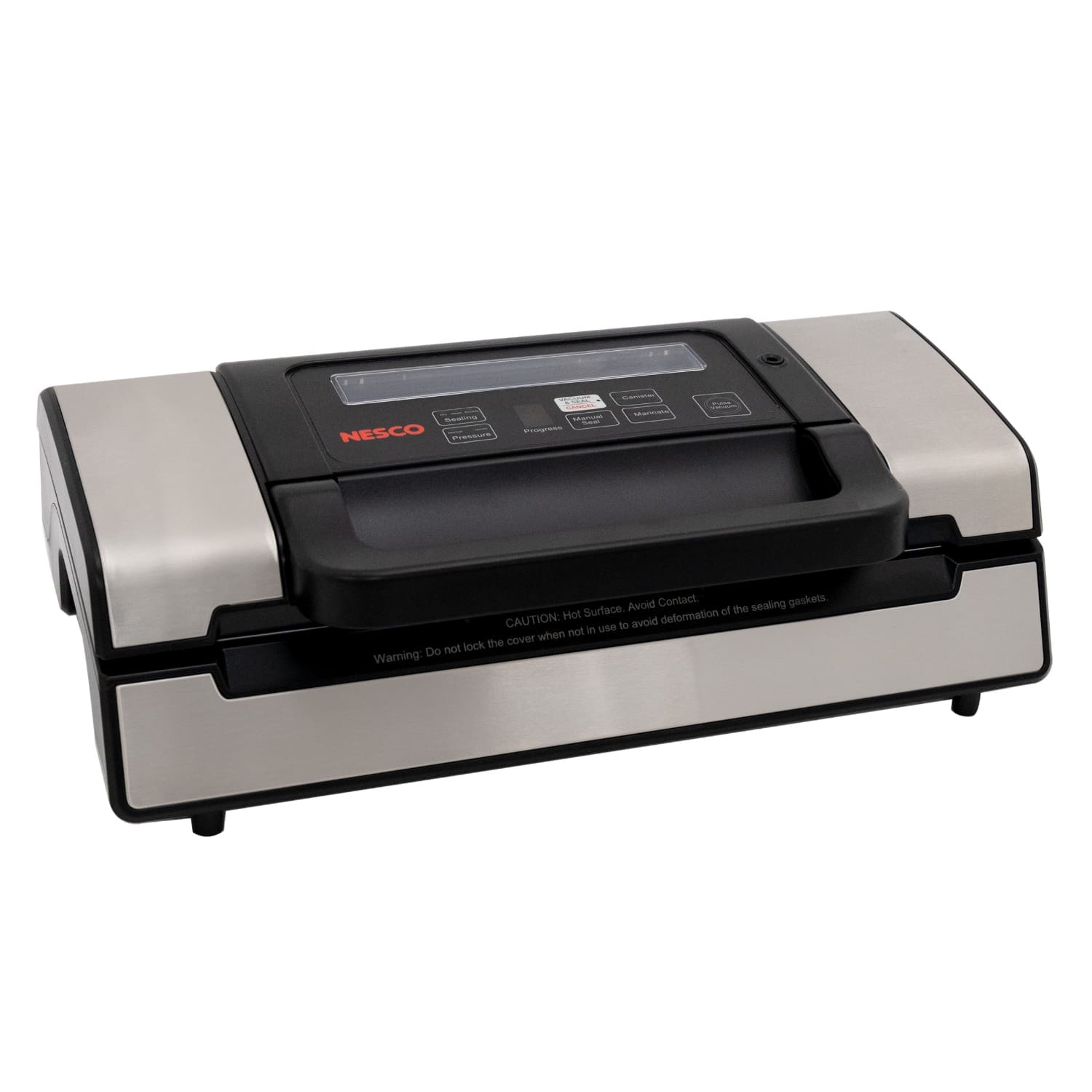
Table: Nesco Model Features At A Glance
| Model | Appliance Type | Capacity | Timer | Replacement Parts Available |
|---|---|---|---|---|
| FD-75A | Dehydrator | Up to 12 trays | No | Yes |
| 6 Qt Roaster | Oven | 6 quarts | No | Yes |
| Pressure Cooker | Cooker | 6 quarts | Yes | Limited |
Frequently Asked Questions
What Is The Best Way To Fix Uneven Drying In Nesco Dehydrators?
Rotate trays every 2–3 hours. Place thicker foods on lower trays and thinner foods on top. Avoid stacking more than 6 trays unless you monitor drying closely.
Can I Wash Nesco Trays In The Dishwasher?
Yes, but only on the top rack and with low heat. Hand washing is safer and helps prevent warping.
How Can I Find Replacement Parts For Nesco Appliances?
Check the official Nesco website or major retailers. Always use the correct model number to avoid mismatches. For discontinued models, try universal parts or online forums.
Why Does My Nesco Appliance Overheat?
Overheating is usually caused by blocked vents or a faulty thermostat. Clean vents often and check the thermostat with an external thermometer. If overheating persists, contact Nesco support.
Is Nesco A Reliable Brand Compared To Others?
Nesco is reliable and durable for most users. It’s quieter than some brands, but has fewer trays and simpler controls. For more details, visit Wikipedia.
Nesco appliances offer great value, but understanding these 12 problems will help you get the most from your kitchen tools. With the right care, troubleshooting, and practical tips, you can enjoy reliable performance and delicious results every time.