
A Samsung fridge is a trusted appliance in many homes. But when it starts humming, that sound can be worrying or simply annoying. Is the humming noise normal, or is it a sign that something is wrong? Understanding why your Samsung fridge hums can help you decide when to relax and when you need to act. This guide will explain the common causes, what noises are normal, and when you should consider calling a professional.
Why Do Samsung Fridges Hum?
Most refrigerators, including Samsung models, make some level of noise during normal operation. However, not every humming sound means trouble. In fact, some humming is part of how the fridge works.
Normal Operating Sounds
Samsung fridges use compressors, fans, and motors to keep your food cool. Each of these parts can produce a low humming noise. For example, the compressor turns on and off, making a gentle hum that often blends into the background. The evaporator fan inside the freezer also hums as it moves cold air around.
These sounds usually come and go. They might get a little louder when the fridge starts cooling after you open the door or add warm food. If the noise is steady, not too loud, and doesn’t change much, it’s probably normal.
When Humming Is A Problem
If the humming noise is louder than usual, continuous, or changes suddenly, it may signal a problem. Sometimes, a new or unusual hum means a part is wearing out, blocked, or not working as it should. It’s important to notice the character of the noise—has it become a buzz, rattle, or high-pitched whine? These details can help you troubleshoot.
Common Causes Of Humming In Samsung Fridges
Not all humming comes from the same source. Here are the most frequent reasons:
Compressor Operation
The compressor is the heart of your fridge. It pumps refrigerant through the cooling system. When it runs, you may hear a steady hum or low vibration. However, if the compressor is failing, the hum can become loud or irregular.
Condenser And Evaporator Fans
Your fridge has fans to move air across the coils and throughout the fridge and freezer. Dirty or blocked fan blades can cause the hum to increase. If the fan is damaged or loose, you might also hear rattling.
Ice Maker Function
If your Samsung fridge has an automatic ice maker, it can create extra noise. The hum may come from the water valve filling the ice tray or the motor ejecting ice. If the ice maker is not connected to water, the motor may still run, making a humming or clicking sound.
Vibration Against Cabinets Or Walls
Sometimes, the fridge vibrates slightly as it runs. If it’s too close to a wall or cabinet, this vibration can turn into a loud hum. Even uneven flooring can make the humming worse.
Faulty Or Worn Parts
Old or worn-out parts like motor bearings or fan blades can create a noticeable hum. Over time, these parts may fail, making the noise worse and possibly affecting cooling.
Temperature Changes
A fridge works harder to keep cool if the temperature outside is high or if you open the door often. This can make the compressor and fans run longer, increasing the humming noise.
Diagnosing The Humming Noise
Pinpointing the source of the hum is the first step to solving it. Here’s a practical way to diagnose:
- Listen carefully: Is the hum coming from the back, bottom, or inside the fridge?
- Check when it happens: Does it start after opening the door, during ice making, or all the time?
- Feel for vibration: Lightly touch the sides and back. Does the hum get stronger in certain spots?
- Move the fridge: Pull it away from the wall and see if the noise changes.
- Open the freezer: If the noise gets quieter, the issue might be with the evaporator fan.
Non-obvious tip: Place a glass of water on top of the fridge. If it ripples with the hum, vibration is a key factor.
Fixes For Common Humming Problems
Not every hum needs a technician. Many issues have simple solutions:
Adjust The Fridge Position
If vibration is the problem, move the fridge slightly away from the wall or cabinets. Make sure all four feet are touching the floor evenly. Use a level to check for tilting.
Clean The Condenser Coils
Dusty or dirty coils make the compressor work harder, which can increase noise. Unplug your fridge, locate the coils (usually at the back or bottom), and use a soft brush or vacuum to clean them.
Check The Fan Blades
Turn off the fridge and remove the back panel if possible. Spin the fan blades gently by hand. Remove any debris or ice buildup. If the fan wobbles or feels loose, it may need replacement.
Inspect The Ice Maker
If the ice maker is not connected to water, turn it off. This stops the motor from running needlessly. If it’s making too much noise even when connected, check for jammed ice cubes.
Replace Worn Parts
If you find a damaged fan or loud compressor, it’s best to call a qualified technician. Attempting to repair these parts yourself can be risky.
When To Call A Professional
Some humming noises are signs of bigger issues. Call a technician if:
- The noise is very loud or gets worse quickly
- The fridge is not cooling properly
- You notice a burning smell or see sparks
- The humming is joined by clicking, buzzing, or knocking
Non-obvious insight: Modern Samsung fridges often have a “self-diagnosis” mode. Check your user manual to see if your model supports error code checks. This can help you identify problems without opening the fridge.
Comparing Normal And Problematic Humming
Here’s a comparison to help you decide if your Samsung fridge’s humming is normal or needs attention.
| Sound Type | Normal? | Possible Cause | Action Needed |
|---|---|---|---|
| Low, steady hum | Yes | Compressor running | None |
| Loud, irregular hum | No | Worn parts, blocked fan | Check & repair |
| Humming with vibration | Maybe | Fridge touching wall | Reposition fridge |
| Humming with clicking | No | Compressor problem | Call technician |
Preventing Humming Issues
Preventative care keeps your Samsung fridge running quietly:
- Clean coils every 6 months to a year.
- Level the fridge to stop vibration.
- Don’t overload shelves, which can block airflow and stress the compressor.
- Check the ice maker regularly for jams.
- Leave space around the fridge for proper airflow.
Many Samsung fridge owners overlook the importance of keeping the back of the fridge clear. Even a few inches of space can reduce noise and help the fridge cool efficiently.
Example: Real-world Humming Problems And Fixes
Let’s look at two real-life scenarios:
Example 1: New Samsung Fridge, Constant Humming
A user installs a new Samsung fridge and hears a steady hum. After adjusting the fridge to sit level and moving it two inches from the wall, the hum becomes quieter. In this case, the noise was normal, and a simple reposition made a big difference.
Example 2: Old Fridge, Loud Humming And No Cooling
Another user notices a sudden loud hum and finds the fridge isn’t cold. The problem turns out to be a failing compressor. A technician replaces the compressor, and the fridge works quietly again.
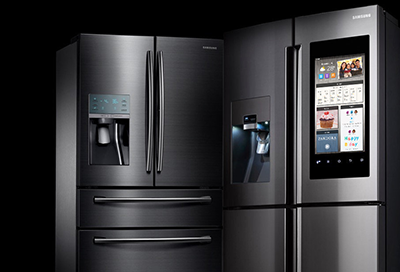
How Samsung Fridges Compare To Other Brands
Samsung refrigerators are known for advanced features and energy efficiency. But how do their noise levels compare?
| Brand | Average Noise Level (dB) | Common Complaints |
|---|---|---|
| Samsung | 36–40 | Humming, ice maker noise |
| LG | 35–38 | Clicking, compressor buzz |
| Whirlpool | 37–42 | Vibration, fan noise |
| GE | 38–43 | Humming, water valve noise |
As you can see, a Samsung fridge hums at a similar volume to other major brands. Quiet operation is typical, but any brand can develop noise issues if not cared for.
Cost To Fix Humming Issues
Understanding the cost helps you decide whether to repair or replace. Here’s a quick breakdown:
| Repair Type | Estimated Cost (USD) | DIY or Professional? |
|---|---|---|
| Clean coils | $0–$50 | DIY |
| Replace fan motor | $100–$250 | Professional |
| Compressor repair | $300–$600 | Professional |
| Ice maker fix | $80–$200 | DIY/Professional |
DIY fixes like cleaning coils are inexpensive. Repairs to the compressor or fan motor are best left to professionals due to the complexity and safety risks.
Energy Efficiency And Humming
A fridge that hums too much may be working harder than it should, affecting energy use. High energy bills often mean the fridge is running constantly. Keeping your Samsung fridge clean and well-maintained keeps noise down and lowers your energy costs.
According to the U. S. Department of Energy, well-maintained fridges use up to 15% less electricity.
Latest Features: Noise Reduction In Samsung Fridges
Samsung continues to improve noise control in their new models. Some features that help reduce humming:
- Digital inverter compressors: These run at variable speeds, avoiding loud start-stop noise.
- Improved insulation: Thicker walls and doors trap noise inside.
- Quieter fan motors: Newer fans are designed to move air more quietly.
If you’re buying a new fridge, look for these features to enjoy a quieter kitchen.

Frequently Asked Questions
Why Is My Samsung Fridge Humming Loudly All Of A Sudden?
A sudden loud hum usually means a part is struggling, like the compressor or a fan motor. It could also be due to something stuck in the fan or the fridge being out of level. Check for visible issues first, but if the noise continues, call a technician.
Is Humming From A Fridge Dangerous?
Most humming is harmless and part of normal operation. However, if the hum is very loud, joined by a burning smell, or the fridge stops cooling, turn it off and call for help. These could be signs of an electrical or mechanical problem.
Can A Humming Fridge Increase My Electric Bill?
Yes, if the humming is due to the fridge running constantly or working too hard, it can use more power. Dirty coils, blocked vents, or a failing compressor make the fridge less efficient. Regular maintenance helps keep energy use (and noise) low.
How Do I Make My Samsung Fridge Quieter?
Try these steps:
- Move the fridge away from walls
- Level the feet
- Clean the coils and fans
- Turn off the ice maker if not in use
If these tips don’t help, ask a professional to check for worn or broken parts.
Where Can I Find More Information About Fridge Noises?
For deeper technical details and support, visit the Samsung official support page. They offer user manuals, troubleshooting guides, and contact information for repairs.
A little humming from your Samsung fridge is usually nothing to worry about. But if the noise is new, louder, or comes with other problems, it pays to investigate. With the right care, your fridge can run quietly and efficiently for years.