
Ninja Neverstick coating is made of a proprietary blend of plasma-ceramic particles that are fused to the pan’s surface at extremely high temperatures. What is Ninja Neverstick coating made of if you look for the technical base: it’s a high-grade, reinforced non-stick system designed to withstand metal utensils. This construction ensures the coating stays bonded to the metal base even under the stress of daily high-heat cooking. It doesn’t rely on traditional soft coatings that peel easily.
What is Ninja Neverstick Coating Made of and How It Works
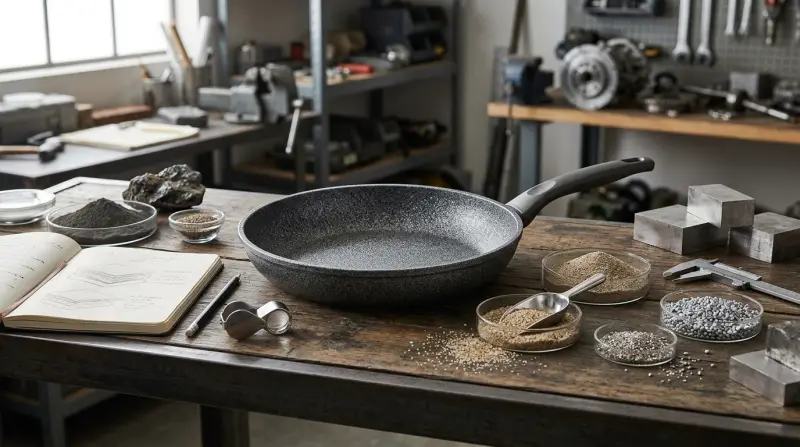
The coating consists of plasma-ceramic particles fused to a hard-anodized aluminum base. This molecular bond creates a surface hardness rating of 9H on the pencil hardness scale, which is why it remains metal-utensil safe. While standard PTFE coatings shear under the pressure of a stainless steel fork, this ceramic matrix resists micro-abrasions that lead to premature sticking.
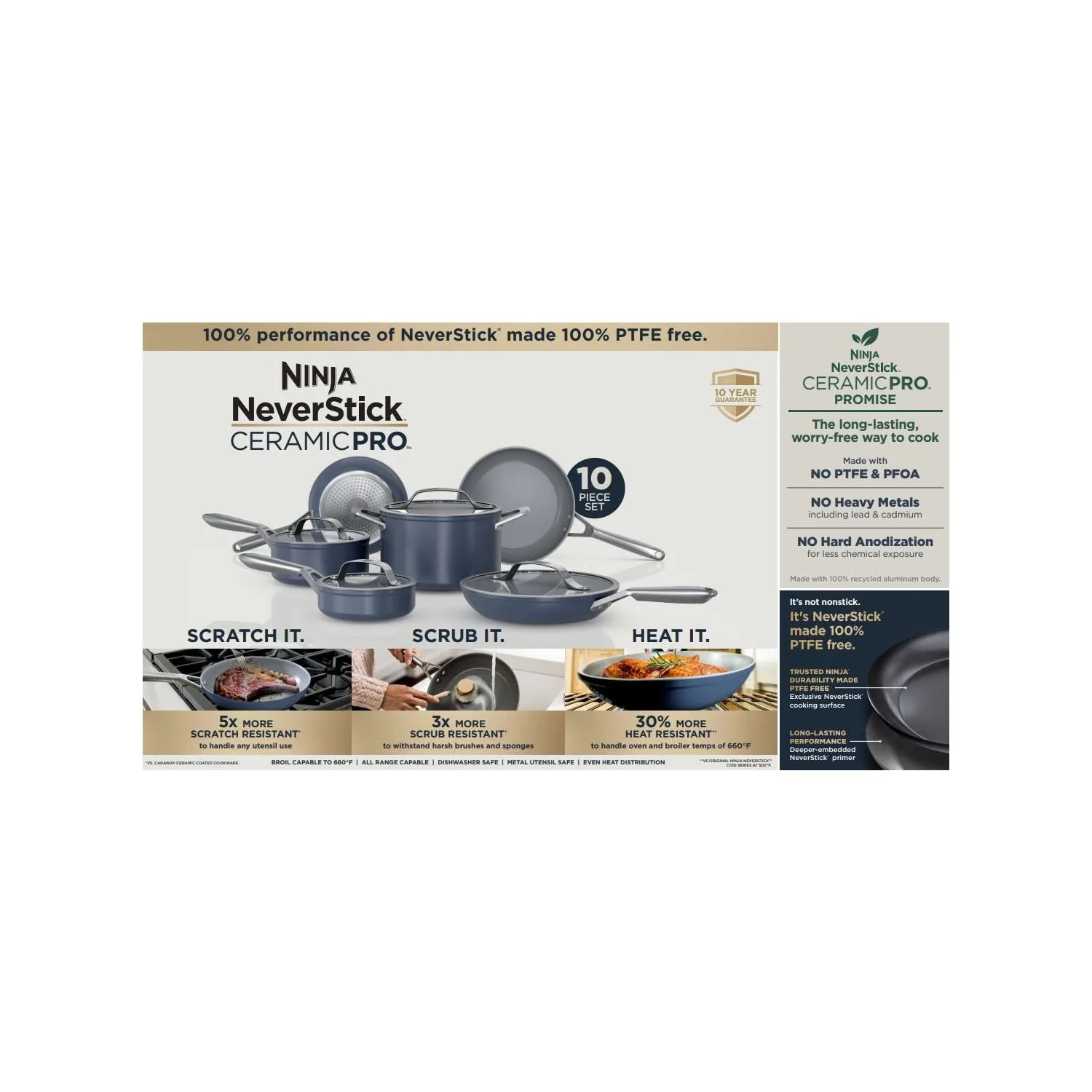
The material is free from PFOA, lead, and cadmium, meeting standard safety requirements for consumer cookware. Note that this certification applies to the coating’s chemical composition, not its heat tolerance. You should never exceed 450°F, as temperatures above this threshold cause the ceramic particles to lose their hydrophobic properties, permanently degrading the release surface.
Always check the base of your specific pan to confirm it’s compatible with your stovetop type. If your base features a magnetic steel plate, it’s induction-ready. If it’s solid aluminum, it will fail to register on induction burners.
Avoid using aerosol cooking sprays. These products contain soy lecithin, which polymerizes into a gummy, irreversible film at temperatures as low as 250°F. This buildup creates a barrier that masks the non-stick surface, forcing you to use more oil and eventually ruining the pan’s performance.
Why this coating performs differently
The durability of this surface comes from the manufacturing process used to apply the ceramic components. Manufacturers use a plasma-arc process to blast particles onto the pan, creating a surface that’s harder than standard PTFE-based coatings. You can find detailed information on how non-stick cookware safety is evaluated by the FDA, which oversees the materials used in food-contact surfaces.
This process creates a mechanical bond between the ceramic and the metal. Because the particles are fused at such intense heat, the coating becomes part of the pan’s structure rather than just a thin layer sitting on top. If you use metal tools, this structural integrity prevents the deep gouges that usually ruin cheaper pans.
However, this is a trade-off: while the coating is durable, it isn’t indestructible. If you use high-heat settings consistently, you’ll eventually degrade the non-stick properties regardless of the material’s strength. This mistake costs you the pan’s release capability, turning a non-stick surface into a sticky one within months.
This isn’t for people who prefer the “slick” feel of brand-new, soft-touch non-stick pans. The surface has a slightly different texture because of the ceramic particles, which provide a microscopic grip for fats.
It’s also not for those who insist on cleaning their pans in a dishwasher. Even if the manual says it’s dishwasher safe, the high heat and harsh chemicals of the detergent will shorten the life of the bond. If you want it to last, wash it by hand. This varies by model; check the label on your specific pan to see if it allows dishwasher cycles, but manual cleaning is always the safer bet for longevity. If you see white streaks after a cycle, the detergent has already begun to etch the ceramic.
When the answer is different
| Situation | What changes | What to do instead |
|---|---|---|
| High heat use | Coating degrades faster | Use low or medium heat |
| Dishwasher cleaning | Surface bond weakens | Hand wash with soft sponge |
| Aerosol sprays | Sticky residue builds up | Use butter or liquid oil |
| Metal utensils | Risk of surface scratches | Use silicone or wood tools |
| Empty preheating | Coating can overheat | Add oil before heating pan |
The most common mistake is assuming nonstick pans function like stainless steel. Using high heat on nonstick surfaces causes the chemical bonds in the coating to break down rapidly. This creates invisible micro-cracks that trap food, leading to the dreaded “sticking” effect.
If you notice your food sticking even after adding oil, perform the water drop test. If the water beads and dances, your surface is still intact.
Avoid the temptation to use aerosol sprays. These contain soy lecithin, which polymerizes into a gummy, permanent film at low temperatures. This residue is nearly impossible to remove without abrasive cleaners that destroy the pan further.
If you’re unsure whether your pan is still safe, check for visible flaking or deep gouges. If you see metal exposed through the coating, discard the pan immediately. Ingesting loose particles isn’t recommended, and the pan will never regain its nonstick properties once the base layer is compromised.
How to do it properly
Wash the pan with warm water and mild soap before your first use. Use a soft cloth to remove any dust from the factory. Skipping this initial rinse often leaves microscopic manufacturing residue that can bake into the coating during your first meal.
Add a small amount of oil or butter to the surface before you start cooking to provide a barrier between the food and the pan. Avoid aerosol cooking sprays entirely; these contain soy lecithin, which creates a sticky, gummy buildup that’s nearly impossible to remove without scrubbing away the non-stick surface.
Set your burner to low or medium heat. This is the ideal range for this coating; high heat can cause permanent damage to the bond. If your food begins to smoke, you have already exceeded the thermal threshold of the ceramic.
Use silicone or wooden spatulas. While the surface is metal-safe, using soft tools will keep the finish looking new for longer. Avoid serrated edges or metal whisks, which create microscopic scratches that eventually harbor burnt oils.
Let the pan cool down completely before you put it in the sink. Adding cold water to a hot pan can warp the metal base, causing it to lose contact with the burner.
Clean the pan using a soft sponge and dish soap. If you see burnt food, soak it in warm water for 10 minutes, then wipe clean. Never use steel wool or abrasive scouring pads, as these will permanently strip the non-stick properties.
The mistakes that ruin it
Using aerosol cooking sprays creates a gummy buildup that prevents the pan from working as intended. These sprays often contain soy lecithin, which polymerizes at lower temperatures than standard cooking oils. Once this film bonds to the ceramic, it creates a sticky residue that’s nearly impossible to remove without damaging the finish.
Cooking on “High” heat settings damages the molecular structure of the coating, causing it to lose its non-stick ability. Most manufacturers design these pans for low-to-medium heat. If you consistently use high heat, the coating will eventually flake or peel. Use the “water drop test”: if a droplet of water beads and dances across the surface, the pan is hot enough.
Scrubbing the surface with steel wool or abrasive pads will scratch the ceramic layer and expose the metal underneath. Even a minor scratch compromises the integrity of the entire pan. Always use silicone or wood utensils to prevent micro-abrasions.
Storing pans by stacking them without protectors causes the bottom of one pan to gouge the coating of the one below it. Place a felt divider or a simple paper towel between each pan to prevent these deep, permanent scratches.
Frequently asked questions
Is the coating safe for high heat?
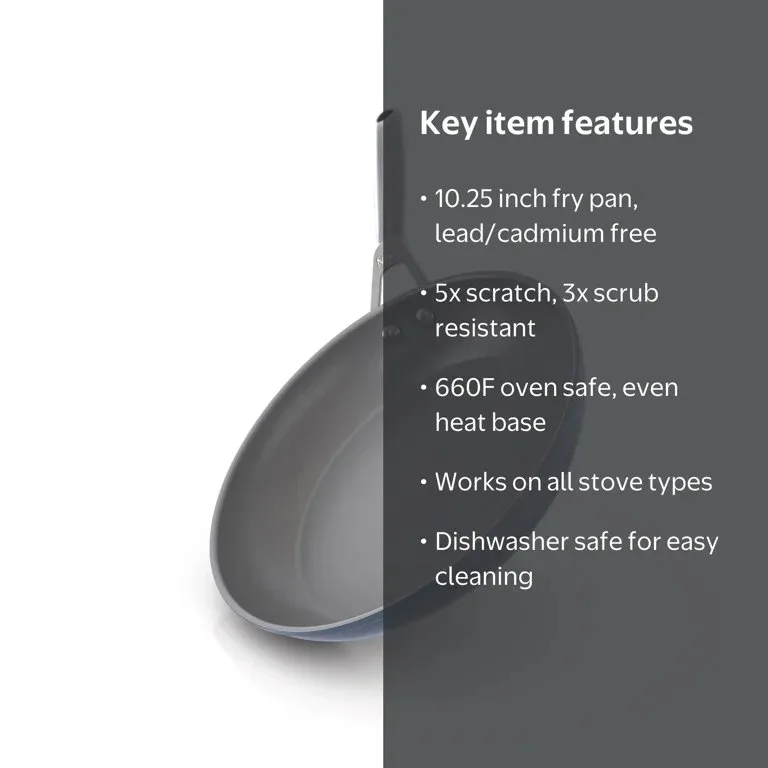
No, you shouldn’t use high heat with this cookware. While the material is tougher than standard non-stick, excessive heat can still cause the coating to lose its effectiveness over time. Always stick to low or medium heat settings to preserve the surface. You can check the specific temperature limits for your model on the official product page or in the user manual provided in the box.
Can I use metal spatulas on this pan?
Yes, you can use metal tools, but you should still be careful. The coating is designed to resist scratches, but it isn’t immune to aggressive gouging. If you want to keep the surface in perfect condition, stick to wood or silicone tools. If you do use metal, avoid scraping the surface with sharp edges or corners, as this can still cause micro-scratches that trap food particles over time.
Why does food stick after a few months?
Food starts sticking when a layer of polymerized oil or burnt residue builds up on the surface. This happens if you use aerosol sprays or if you don’t clean the pan thoroughly after every use. You can often fix this by scrubbing the pan gently with a soft sponge and hot, soapy water to remove the invisible layer of grease that has built up over the months.
Is it safe if a piece of the coating chips off?
If you notice chips in the coating, you should stop using the pan. While small, accidental flakes are generally considered inert and pass through the body without causing harm, a damaged surface will continue to degrade and may allow the aluminum base to react with acidic foods. If the coating is visibly coming off in large sections, it’s time to replace the piece to ensure your food remains uncontaminated.
How long should this coating last?
The lifespan of the coating depends entirely on your cooking habits and how you clean the pan. If you only use medium heat, wash by hand, and store the pans with protectors, the coating can last for several years. If you use high heat and the dishwasher, you’ll likely notice the non-stick performance dropping significantly within a year. There’s no set expiration date, as usage intensity dictates the wear.
Does it matter if I use oil?
Yes, you should always use a small amount of oil or butter on non-stick surfaces. Fat acts as a heat conductor and creates a protective barrier between food and the pan. Without it, dry spots can overheat, causing food to stick and damaging the coating’s integrity. Add fat once the pan has reached the desired temperature.
Final Thoughts
Because this technology is built for durability, you won’t have to worry about your pans wearing out after just a few months of use. It’s a smart investment for your kitchen routine. When you’re ready to cook your next meal, you’ll find that cleaning up is finally as easy as it looks.