
The most common reason for a Whirlpool Cabrio Dryer Not Drying properly is a restricted exhaust vent that prevents moist air from escaping the drum. In most cases, this blockage occurs in the ductwork leading outside, though it can also happen within the dryer’s internal lint trap or blower housing. You can verify this quickly by disconnecting the vent hose from the back of the machine and running a test cycle; if the clothes dry normally with the vent disconnected, your home’s exhaust path is the culprit.
Why your Cabrio dryer isn’t drying
| Cause | How common | How to confirm it | Fix it yourself? |
|---|---|---|---|
| Blocked exhaust vent | Very common | Disconnect hose, test run | Yes |
| Clogged lint screen | Common | Check screen for film | Yes |
| Failed heating element | Common | Check for cold air | Yes with care |
| Blown thermal fuse | Frequent | Multimeter continuity test | No |
| Broken drive belt | Occasional | Drum won’t spin | No |
| Faulty door switch | Rare | Light stays on | Yes |
Most homeowners assume the heating element has failed when clothes remain damp, but a restricted exhaust vent is the culprit 80% of the time. If the dryer runs for 30 minutes and the exterior vent hood shows no airflow, your ductwork is likely obstructed by lint buildup.
Distinguish between a heating element failure and a thermal fuse issue by checking the air temperature. If the dryer runs but blows only cold air, the element is likely burnt out. If the dryer motor fails to start but the control panel remains illuminated, the thermal fuse may have tripped. Never bypass a thermal fuse; it blows to prevent fires caused by overheating. If your fuse fails repeatedly, your vent is definitely blocked. Replacing the fuse without clearing the ductwork will cause the new part to fail within days, costing you the price of a cheap part and an hour of labor.
Restricted airflow in the vent system
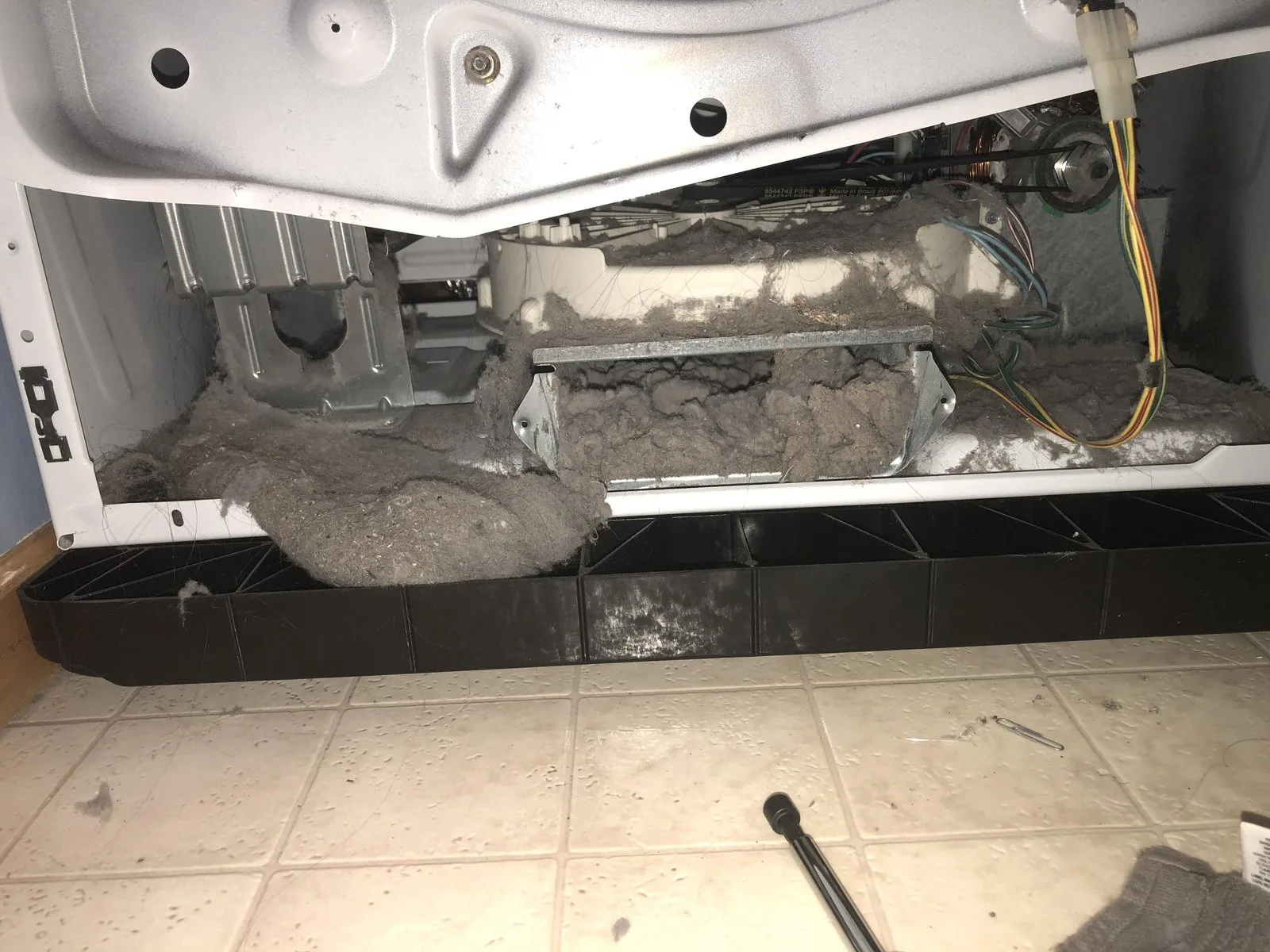
A clogged vent system prevents the dryer from cycling air, which keeps moisture trapped inside the drum. This happens when lint builds up over time, especially if the ductwork has long runs or tight turns. If the air can’t exit, the internal sensors detect high heat and cycle the heater off prematurely, leaving your clothes damp even after a long cycle.
To test this, pull the dryer away from the wall and disconnect the flexible vent hose from the back. Clear any visible debris from the hose and the dryer outlet. Run a short “Timed Dry” cycle with the hose still disconnected. If the machine produces heat and dries a small load of towels, the problem is definitely in your wall ducting. You should clean your dryer vent system regularly to maintain efficiency, as noted by the U.S. Fire Administration’s clothes dryer fire safety guidance.
Cleaning the duct requires a vacuum or a dryer vent brush kit. If you have a long, winding vent path, you may need a professional cleaning service. This fix usually takes thirty to sixty minutes. If your vent is short and straight, you can clear it yourself with a standard shop vacuum. If you find the vent is damaged or crushed, replace it immediately, as a kinked hose restricts airflow regardless of how clean it is. This varies by model — check your dryer’s installation manual for the maximum recommended duct length.
Dirty or blocked lint screen
A lint screen covered in a waxy film stops air from flowing through the machine. This film often comes from fabric softener sheets, which leave a invisible residue on the fine mesh of the screen. Even if the screen looks clean, it might be clogged at a microscopic level, causing the dryer to overheat and shut down the heat source.
You can identify this by removing the screen and holding it under a running faucet. If the water beads up or pools on the surface instead of passing through easily, your screen is clogged. To fix this, scrub the mesh with a soft toothbrush, warm water, and a small amount of liquid dish soap. Rinse it thoroughly and let it air dry completely before putting it back. This takes about ten minutes and costs nothing but your time.
If your screen has any rips or holes, replace it. A hole allows lint to bypass the trap and collect in the blower housing or the heater assembly, which creates a fire hazard. This is a common mistake people make; they keep using a damaged screen, which eventually forces them to pay for a professional interior cleaning. If you use dryer sheets regularly, perform this water test once a month. If you switch to wool dryer balls, you’ll find the screen stays clear much longer.
Heating element or thermal fuse failure
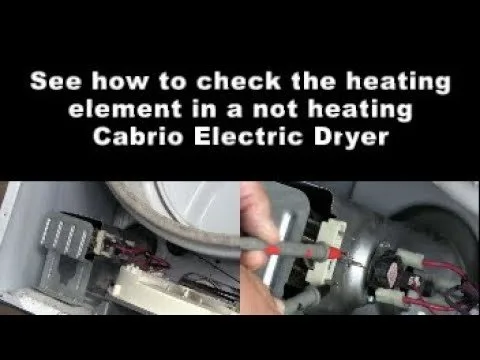
A failed heating element will result in the dryer running for the full duration of the cycle while the clothes remain cold and wet. If you feel the drum while the machine is running and it’s completely cold, the heating element has likely burned out. This component works like a large toaster coil and wears out after several years of use.
The thermal fuse is a safety device that blows if the dryer gets too hot, usually due to the vent issues mentioned earlier. If the thermal fuse is blown, the dryer will typically fail to start. Testing these parts requires a multimeter to check for electrical continuity. Since the dryer uses mains voltage, internal repairs are technician-only work. If you aren’t comfortable using a multimeter or working with internal wiring, call a qualified appliance repair person.
This is who this is NOT for: if you don’t own a multimeter or have experience with electrical safety, don’t attempt to replace the heating element yourself. The trade-off is between the cost of a service call and the safety risk of working with high-voltage components. If the fuse blew, you must also fix the underlying vent blockage, or the new fuse will blow immediately. Always check the dryer’s manual for the specific part number before ordering a replacement.
The less likely causes
-
Broken drive belt: The drum won’t turn at all, and you’ll hear the motor running but see no movement. If you can rotate the drum freely by hand with zero resistance, the belt has snapped. This repair costs a significant amount if you hire a pro, but the part itself is often less than a new unit.
-
Faulty moisture sensors: The metal strips inside the drum are dirty and can’t detect if clothes are dry, so the cycle ends too early. Wipe them down with a cotton ball soaked in rubbing alcohol to remove fabric softener residue. If the machine still stops prematurely, the sensor wiring is likely frayed.
-
Control board glitch: The main computer fails to send power to the heater. This is rare and requires a diagnostic scan by a pro. Before calling, unplug the unit for ten minutes to force a hard reset.
-
Gas supply issues: If you have a gas model, the gas valve might be stuck or the igniter may have failed. Check your home’s main gas shut-off valve first. If the valve is open but the dryer remains cold, you must contact a certified gas technician immediately.
What a fix usually involves
Fixing a dryer requires different levels of effort depending on the root cause. Clearing a lint screen is a simple maintenance task that costs nothing. Cleaning a vent system might require a specialized brush kit, which is a small part of the price of a new dryer. If the issue is a heating element or a blown fuse, you’ll need to pay for the replacement part and potentially a service fee.
The total cost depends on whether you can perform the repair yourself or if you need professional help. You can get a real quote by looking up the specific part number on the manufacturer’s official website and comparing it to local labor rates. Never guess when it comes to electrical components, as the wrong part can damage the control board.
Frequently asked questions
Can I use my dryer if the vent is clogged?
No, you shouldn’t use the dryer until the vent is clear. A clogged vent is a major fire hazard because the trapped heat can ignite the lint buildup inside the machine. Even if it doesn’t cause a fire, the dryer will continue to run inefficiently, which puts extra strain on the motor and heating components, leading to a much shorter lifespan for the unit.
How long does a typical drying cycle take?
A normal cycle should take about forty to sixty minutes for a full load of cotton clothes. If your dryer is taking two or three cycles to dry the same amount of clothing, this is a clear sign that the airflow is restricted or the heating system is failing. Check your vent first, as this is the most common reason for extended cycle times.
Is it safe to replace the thermal fuse myself?
While this involves accessing internal components, it’s a common repair; ensure the unit is unplugged before proceeding. While the part itself is inexpensive, the risk of injury from internal components or damaging the control board is high. If you suspect the thermal fuse has blown, schedule a visit with a professional appliance repair person to ensure the machine is tested safely.
Why does my clothes dryer stop after a few minutes?
The dryer stops because the moisture sensors or the high-limit thermostat are detecting an overheat condition. This usually happens when the air can’t move through the machine, causing the temperature to rise rapidly. The internal computer shuts down the heat to prevent a fire. Clean your lint screen and check your outside vent hood for any obstructions or debris.
Does the brand of dryer change the drying method?
Yes, the specific technology varies by model — check the label on your machine to see if it uses moisture-sensing cycles or strictly timed cycles. While the basic principle of airflow remains the same, high-end models have sensitive electronics that can be more prone to throwing error codes when they detect a problem. Refer to your owner’s manual for the specific error codes your model uses.
How do I know if the heating element is broken?
You’ll know the heating element is broken if the dryer runs for the full time but the clothes are still cold and damp at the end. If you can hear the dryer tumbling but the air coming out of the back is room temperature, the element is likely burned out. This is a common part failure that happens after several years of heavy use.
Final Thoughts
If your laundry still feels damp after checking the airflow, it’s time to inspect the heating element or thermal fuse for damage. Don’t hesitate to call a local repair technician if you’re uncomfortable working with electrical parts. They’ll get your machine back in shape so you won’t have to worry about wet clothes again.