
Every home relies on a safe electrical system, but nothing disrupts your day like when the circuit breaker keeps tripping. The lights go out, your appliances stop working, and you’re left wondering, “Is something wrong with my wiring?” If this sounds familiar, you’re not alone. Many homeowners and renters face this issue, and it’s important to understand why it happens, what you can do, and when it’s time to call a professional. This article will guide you through the common causes, how to troubleshoot safely, and smart steps to prevent future problems. Whether you have a modern breaker box or an older panel, you’ll learn practical solutions to keep your power running smoothly.
How Does A Circuit Breaker Work?
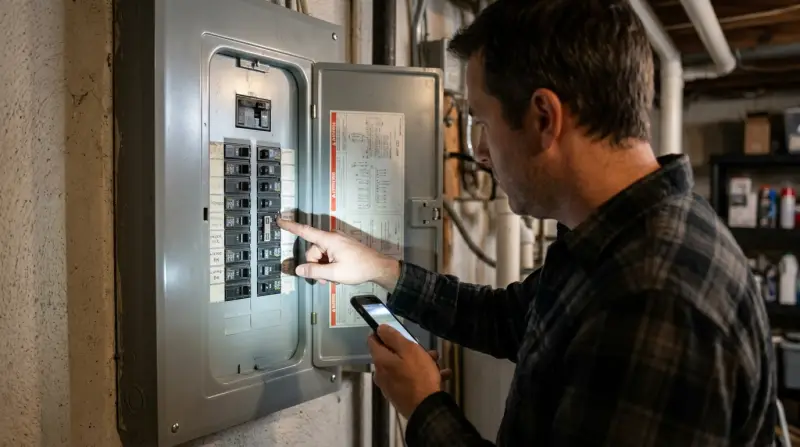
A circuit breaker is a safety device in your electrical panel. Its job is to stop the flow of electricity if there’s too much current, which helps prevent fires and damage. When it “trips,” the breaker moves to the OFF position. This cuts power to the part of your home with a problem. The breaker can trip for many reasons, but its main role is to keep you and your property safe.
When you reset a tripped breaker, you simply flip the switch back ON. But if it keeps tripping, this means something is wrong—either with your electrical system, your devices, or the breaker itself.
Main Reasons Your Circuit Breaker Keeps Tripping
Several issues can cause a breaker to trip. Understanding these causes helps you fix small problems and avoid bigger risks.
1. Overloaded Circuit
This is the most common reason. If you plug too many things into one circuit, it draws more current than the wiring can handle.
Example: You plug in a microwave, toaster, and coffee maker on the same kitchen circuit. The total current exceeds the safe limit, so the breaker trips.
2. Short Circuit
A short circuit happens when a hot wire touches a neutral wire. This creates a sudden, large flow of electricity. It’s dangerous and can cause sparks or even fires.
Signs of a short circuit:
- Breaker trips instantly after resetting
- Burning smell or black marks near outlets
- Sometimes a loud “pop” sound
3. Ground Fault
This occurs when a hot wire touches the ground wire or the metal box. It’s similar to a short circuit but involves the ground path. Ground faults are especially risky in kitchens, bathrooms, and outdoors.
4. Faulty Appliances
Some appliances can develop internal faults that cause breakers to trip. An old refrigerator, space heater, or even a power strip can be the culprit.
Unplug all devices from the affected circuit. Plug them back in one by one to find out which one is faulty.
5. Bad Breaker Or Wiring
Sometimes, the breaker itself is worn out or the wiring is damaged. This is less common but possible, especially in older homes.
6. Arc Faults
Arc faults are electrical discharges between wires, often caused by loose connections or damaged cords. Modern homes may have special Arc Fault Circuit Interrupters (AFCI) to detect these problems.
How To Troubleshoot A Tripping Circuit Breaker
Before you start, remember: Safety first. If you’re unsure, always contact an electrician.
- Turn off and unplug devices on the affected circuit.
- Go to your electrical panel and find the tripped breaker. It will be in the middle or OFF position.
- Flip the breaker fully to OFF, then back to ON.
- If it trips immediately, you may have a short circuit or ground fault.
- If it stays on, plug in devices one at a time. When the breaker trips again, you’ve found the likely source.
Step-by-step Troubleshooting Example
Let’s say your living room breaker keeps tripping.
- Unplug everything in the room.
- Reset the breaker.
- Plug in the TV: Breaker stays on.
- Plug in the lamp: Breaker stays on.
- Plug in the space heater: Breaker trips.
Now you know the space heater is causing the issue.
Signs You Need A Professional Electrician
Some problems are too risky to solve alone. Call a licensed electrician if:
- The breaker trips even with all devices unplugged.
- You see burn marks, smell burning, or hear buzzing from outlets.
- Breakers trip in several rooms at once.
- You notice flickering lights or electrical shocks.
These signs point to serious wiring or panel issues.
Common Myths And Mistakes
Many people make the same errors when dealing with tripping breakers. Avoid these common mistakes:
- Replacing the breaker without fixing the cause. The problem will return if the real issue isn’t solved.
- Using higher-rated breakers. Never upgrade to a bigger breaker just to stop tripping. This is dangerous and can cause fires.
- Ignoring repeated trips. A breaker that keeps tripping is warning you of a real problem. Don’t just reset it and forget it.
How To Prevent Circuit Breakers From Tripping
Preventing future trips is easier if you follow a few smart habits.
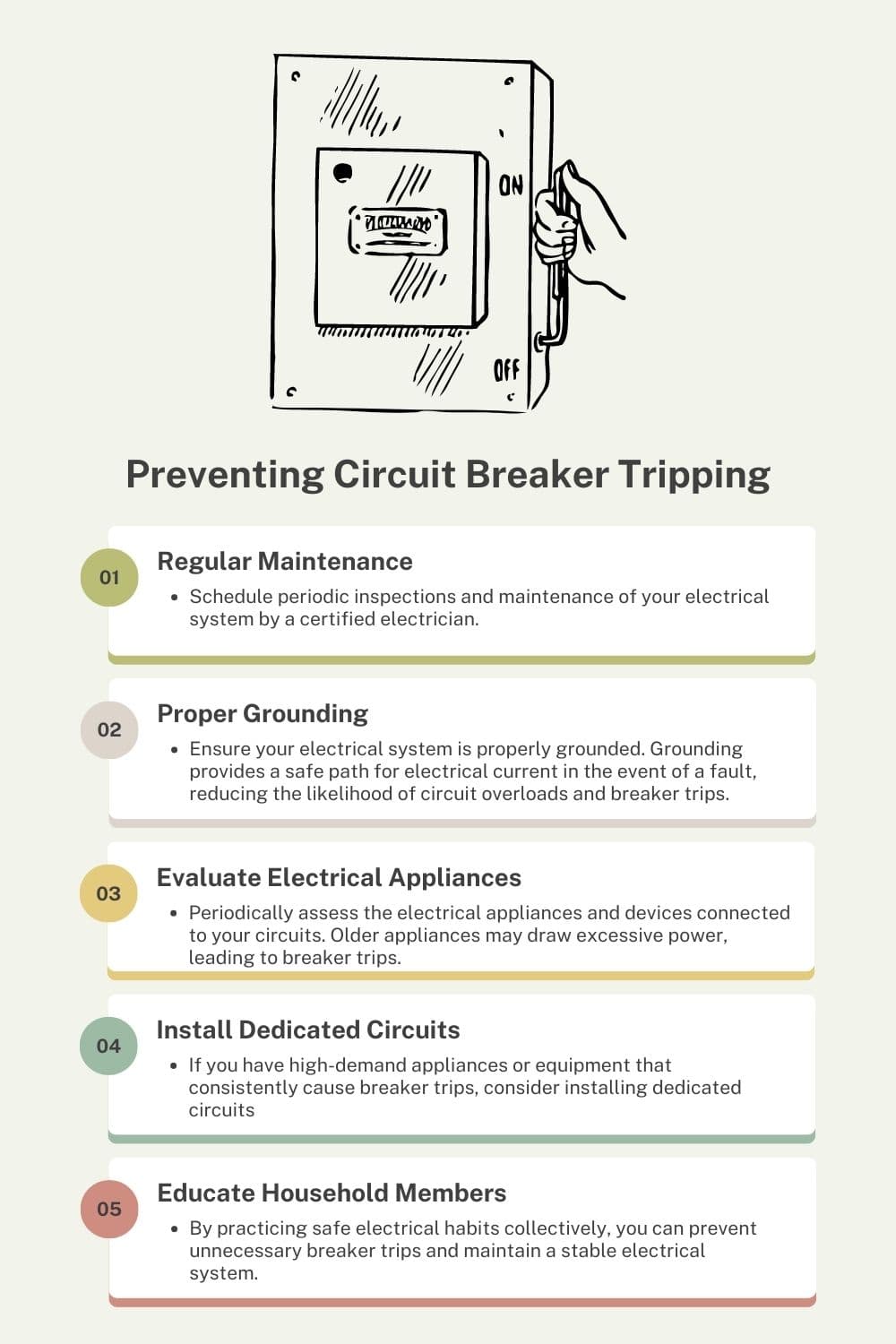
1. Spread Out Appliances
Don’t use many high-power devices on the same circuit. For example, run the microwave and toaster at different times.
2. Upgrade Old Wiring
Older homes may have wiring that can’t handle modern devices. Consider an electrical upgrade if your house is over 40 years old.
3. Install Dedicated Circuits
Large appliances like refrigerators, washers, or air conditioners should have their own circuits.
4. Test Gfci And Afci Outlets
Test your Ground Fault Circuit Interrupter (GFCI) and AFCI outlets monthly. These devices add extra safety in wet or risky areas.
5. Regular Electrical Inspections
Have a professional check your system every few years. This finds problems before they get dangerous.
Credit: www.ahs.com
Typical Household Appliance Power Usage
Understanding how much electricity different appliances use can help avoid overloads. Here’s a quick comparison:
| Appliance | Average Power (Watts) | Typical Circuit |
|---|---|---|
| Microwave Oven | 1000 | Kitchen |
| Toaster | 800 | Kitchen |
| Refrigerator | 150 | Dedicated |
| Space Heater | 1500 | Bedroom/Living Room |
| Vacuum Cleaner | 1200 | General |
| Hair Dryer | 1400 | Bathroom |
As you can see, running several high-power devices at once can quickly overload a standard 15-amp circuit.
Circuit Breaker Types And Their Uses
Not all breakers are the same. Here’s a look at three common types:
| Breaker Type | Main Function | Where Used |
|---|---|---|
| Standard Breaker | Protects against overloads/short circuits | Most circuits |
| GFCI Breaker | Protects against ground faults | Kitchens, bathrooms, outdoor |
| AFCI Breaker | Protects against arc faults | Bedrooms, living areas |
Modern electrical codes require GFCI and AFCI protection in certain areas for extra safety.
Real-world Example: Why A Breaker Kept Tripping
Let’s look at a real case. A family found their kitchen breaker tripping every morning. They used a coffee maker, toaster, and microwave at the same time. Each device used 800 to 1000 watts.
A standard 15-amp circuit can handle about 1800 watts safely. With all three devices running, they reached almost 2800 watts. This overloaded the circuit, so the breaker tripped to prevent overheating.
Lesson: Know what’s on each circuit and avoid using several big appliances at once.
Two Insights Most People Miss
- Breaker Age Matters: Breakers can wear out after 20-30 years, especially if they trip often. A weak breaker might trip at lower currents than it should, causing nuisance outages.
- Hidden Wiring Problems: Sometimes, mice or water leaks damage wires inside walls. These hidden issues can cause repeated trips without obvious signs outside. Only a qualified electrician can safely inspect inside walls.
Safety Tips For Handling Breakers
- Always stand to the side of the panel when resetting a breaker.
- Use only one hand to flip the switch (keep the other hand away from metal parts).
- If a breaker feels hot, don’t touch it—call a professional.
- Never force a breaker to stay ON.
When Upgrading Your Electrical Panel Is Needed
If your home is older, has frequent breaker trips, or you’re adding new appliances, you might need a new panel. Modern panels offer more safety features and space for extra circuits.
| Panel Age | Common Problems | Upgrade Recommendation |
|---|---|---|
| Over 40 years | Obsolete breakers, limited capacity | Upgrade strongly advised |
| 20-40 years | Some wear, outdated safety features | Consider upgrade if problems appear |
| Under 20 years | Modern safety features | Usually sufficient |

Practical Advice For Homeowners And Renters
- Label your breaker panel clearly—know which breaker controls each room.
- Don’t ignore a tripping breaker. It’s better to fix a small problem now than face a fire or blackout later.
- If you rent, tell your landlord immediately if a breaker keeps tripping. Electrical safety is their responsibility, too.
For more detailed electrical safety information, you can visit the National Fire Protection Association.
Frequently Asked Questions
Why Does My Breaker Trip When I Use The Microwave And Toaster Together?
These appliances use a lot of power. If they’re on the same circuit, using both at once can overload the circuit, causing the breaker to trip. Try running them one at a time or plug one into a different outlet on another circuit.
Is It Safe To Keep Resetting A Tripped Breaker?
No. If a breaker keeps tripping, something is wrong. Continuously resetting it can cause more damage and increase fire risk. Find and fix the problem or call an electrician.
Can I Replace A Breaker Myself?
Replacing a breaker can be dangerous if you’re not trained. You risk electric shock or causing wiring problems. Only attempt this if you understand electrical safety and have the right tools. When in doubt, hire a licensed electrician.
What Does It Mean If The Breaker Trips With Nothing Plugged In?
This usually means there’s a short circuit or wiring problem in the wall, not with your devices. This is a serious issue—turn off the breaker and call a professional to inspect your system.
Are Old Homes More Likely To Have Tripping Breakers?
Yes. Older homes often have wiring that isn’t designed for modern power needs. They may also have worn-out breakers or outdated panels. Regular inspections and upgrades help prevent frequent trips.
If your circuit breaker keeps tripping, don’t ignore the warning signs. Take simple steps to troubleshoot and prevent overloads, but know when it’s time to call a professional. Keeping your electrical system safe protects your home, your family, and your peace of mind.
3 thoughts on “Circuit Breaker Keeps Tripping: Causes and Quick Fixes”