
If you own a GMC truck or SUV with power running boards, you know how convenient they can be. These retractable steps make getting in and out much easier, especially for families and older adults. But what happens when your power running boards stop working as expected? Problems with these boards are more common than many realize, and they can range from simple annoyances to costly repairs. In this article, you’ll learn why power running boards fail, what symptoms to watch for, and how to fix or prevent these issues. Whether you’re a new GMC owner or someone dealing with ongoing board problems, you’ll find clear advice and practical tips to keep your vehicle safe and comfortable.
Common Gmc Power Running Board Problems
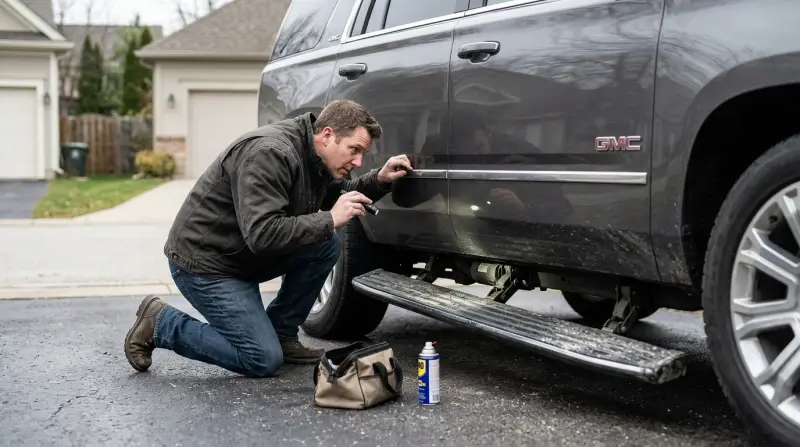
GMC’s power running boards are designed for reliability, but several problems can affect their performance. Understanding these issues helps you spot trouble early and avoid bigger headaches.
1. Failure To Deploy Or Retract
One of the most frequent complaints is when the running boards don’t extend or fold away. You might notice the boards stay stuck in one position, even after opening or closing the door. This can make it harder to enter the vehicle and may even cause safety issues.
- Common causes: Faulty sensors, broken motors, or electrical wiring problems.
- Example: Owners of the GMC Yukon have reported boards staying deployed after parking, which can drain battery power.
2. Slow Movement Or Noise
Some boards start moving slowly or make grinding, squeaking, or clicking sounds. This signals wear and tear or parts needing lubrication.
- Causes: Dirt buildup, lack of maintenance, or worn gears.
- Data: According to owner forums, 1 in 5 GMC Sierra trucks with power boards show these symptoms after three years.
3. Partial Deployment
Boards that only extend halfway or retract incompletely can cause tripping hazards. This often happens when mechanical linkages are blocked or misaligned.
- Causes: Obstructions, bent arms, or weak motors.
- Insight: Many drivers overlook the importance of cleaning the hinges, leading to this problem.
4. Sensor Issues
Power running boards rely on sensors to detect door opening and closing. If sensors fail, boards may not respond.
- Causes: Faulty door switches, damaged sensors, or software glitches.
- Example: Some GMC Denali owners report boards failing after heavy rain, likely due to moisture affecting the sensors.
5. Electrical Failures
Since power boards use electric motors, wiring issues can stop them from working.
- Causes: Corroded connectors, blown fuses, or short circuits.
- Tip: Regular inspection of wiring under the vehicle helps prevent this, but many owners don’t realize it’s necessary.
Symptoms And Warning Signs
Early detection is key to avoiding expensive repairs. Look for these clear signs that your GMC’s power running boards need attention:
- Stuck boards: Not moving when doors open or close.
- Unusual sounds: Grinding, clicking, or squeaking noises.
- Erratic movement: Boards move intermittently or unpredictably.
- Warning lights: Dash alerts for running board malfunction.
- Battery drain: Vehicle battery losing charge, especially overnight.
If you notice any of these, it’s best to act quickly. Delaying repairs often leads to higher costs or more serious safety risks.
Causes And Why They Happen
Power running board issues don’t just happen randomly. Understanding the root causes helps you make smarter decisions about repairs and maintenance.
Environmental Factors
- Mud and debris: Off-road use or driving in bad weather can clog moving parts.
- Salt and moisture: Winter conditions cause corrosion and rust, especially in northern states.
Mechanical Wear
- Frequent use: Families and work trucks see more wear, leading to early failures.
- Age: Older vehicles naturally develop problems as motors and gears wear out.
Electrical Problems
- Water intrusion: Rain, snow, or car washes can seep into electrical connections.
- Loose wires: Vibrations from driving can shake wires loose, causing intermittent issues.
Manufacturing And Design
- Defective parts: Some GMC models have recalls for running board motors or sensors.
- Poor sealing: Gaps in the board assembly allow water and dirt inside.
Non-obvious insight: Many owners assume power running board problems are always mechanical, but software glitches can also cause boards to misbehave. Updating your vehicle’s software or resetting modules may solve some issues.
Data Comparison: Gmc Power Running Board Vs Traditional Fixed Steps
Some GMC owners debate whether power running boards are worth the hassle compared to fixed steps. Here’s a comparison:
| Feature | Power Running Board | Fixed Step |
|---|---|---|
| Convenience | Retracts when not in use | Always available |
| Maintenance | Needs regular checks | Minimal maintenance |
| Failure rate (3 yrs) | ~18% | ~5% |
| Repair cost (avg.) | $300–$900 | $100–$250 |
As shown, power boards offer more convenience but a higher chance of problems and higher repair costs. If you drive mostly in cities or don’t need extra ground clearance, fixed steps may suit you better.

Troubleshooting Gmc Power Running Board Problems
If your running boards stop working, you don’t always need a professional right away. Try these troubleshooting steps to identify or fix the issue:
1. Check For Obstructions
Look under the boards for mud, rocks, or ice. Remove anything blocking the path. Sometimes, cleaning alone restores full function.
2. Inspect Fuses And Wiring
Open the fuse box and check for blown fuses related to the running boards. Examine wiring for signs of corrosion or loose connections.
3. Test Door Sensors
Manually open and close doors to see if boards respond. If not, the door sensor may be faulty. Try cleaning the sensor or gently tapping it.
4. Listen For Motor Sounds
If you hear humming or clicking, the motor may be working but the board is stuck. Apply silicone spray to hinges and moving parts.
5. Reset Vehicle Systems
Some issues are caused by software glitches. Try disconnecting the battery for a few minutes to reset the system. If your GMC supports module updates, check for new software.
6. Consult The Owner’s Manual
GMC’s manuals often have specific advice for troubleshooting power running board problems. Follow step-by-step instructions for your model.
Non-obvious insight: Many owners forget to check the running board switch (usually located in the driver’s area). Accidentally turning off the board system causes it to stay retracted even when doors open.
Repair Solutions And Costs
When troubleshooting doesn’t solve the problem, repairs may be necessary. Here’s what to expect:
Common Repairs
- Motor replacement: $400–$600, including labor.
- Sensor replacement: $120–$250.
- Wiring repair: $100–$200.
- Board realignment: $80–$150.
Diy Vs Professional Service
If you’re handy, some repairs (like cleaning and lubricating) are easy. Electrical or motor issues usually need a qualified technician.
Warranty Coverage
Many GMC models offer a limited warranty for power running boards. Check your coverage; repairs may be free if the failure happens within the warranty period.
Cost Comparison: Repair Vs Replacement
Here’s a quick data table on repair and replacement options:
| Repair Type | Estimated Cost | DIY Difficulty |
|---|---|---|
| Clean/Lubricate | $0–$40 | Easy |
| Sensor Replace | $120–$250 | Medium |
| Motor Replace | $400–$600 | Hard |
| Full Board Replace | $900–$1,500 | Very Hard |
Most owners choose repairs over full replacement unless the boards are severely damaged.
Credit: www.youtube.com
Preventing Gmc Power Running Board Problems
Prevention is always better than cure. Follow these tips to keep your GMC’s power running boards working well:
- Clean regularly: Remove dirt, mud, and salt after off-road trips or winter driving.
- Lubricate moving parts: Use silicone spray every few months on hinges and joints.
- Check wiring: Inspect for corrosion and loose connections, especially before long trips.
- Avoid harsh impacts: Don’t step on boards when they’re retracting or extending.
- Inspect after storms: Check for water or debris after heavy rain or snow.
- Update software: If your vehicle allows, update board control modules to fix glitches.
Practical tip: Keeping a maintenance log helps track board performance and spot problems early.
Real-world Examples And Owner Stories
GMC power running board problems are not just theory—they affect real people. Here are a few stories:
- A GMC Sierra owner in Michigan reported boards failing after a deep snowstorm. Cleaning and lubricating the linkages fixed the issue.
- Another GMC Yukon driver had boards stuck after a car wash. Water reached the sensor, causing a malfunction. Drying and resetting the system solved it.
- One Denali owner experienced repeated motor failures. After three replacements, they discovered a faulty wiring harness was the real culprit.
These examples show that sometimes, the obvious fix isn’t the solution. Careful diagnosis saves time and money.

Credit: www.amazon.com
Gmc Model Comparison: Power Running Board Reliability
Some GMC models are more likely to have running board issues. Here’s a comparison:
| GMC Model | Problem Rate (5 yrs) | Common Issue |
|---|---|---|
| Sierra 1500 | 15% | Motor failure |
| Yukon | 18% | Sensor malfunction |
| Denali | 21% | Electrical faults |
If you’re shopping for a used GMC, ask about running board maintenance and check for signs of trouble before buying.
When To Seek Professional Help
Some problems are too complex for DIY fixes. Seek help if:
- The board won’t move at all, even after basic checks.
- You see exposed wiring or sparks.
- Multiple boards fail at the same time.
- The repair is covered by warranty.
Professional technicians have diagnostic tools and access to genuine GMC parts. This ensures a safer and longer-lasting repair.
Frequently Asked Questions
How Do I Know If My Gmc Power Running Board Needs Repair?
If your board is stuck, making noise, or not responding to doors, it’s time to check for repairs. Dash warning lights or battery drain are also signs.
Can I Fix Running Board Problems Myself?
Yes, for simple issues like cleaning or lubricating. For motor or sensor failures, seek professional help unless you have experience.
How Much Does It Cost To Repair Gmc Power Running Boards?
Typical repair costs range from $100–$600 depending on the issue. Full replacements can cost up to $1,500.
Are Running Board Problems Covered By Gmc Warranty?
Most new GMC vehicles cover running board repairs under the factory warranty. Always check your coverage before paying out-of-pocket.
Where Can I Find More Information About Gmc Power Running Board Maintenance?
For official guides and detailed troubleshooting, visit GMC Support.
Power running boards offer great convenience, but they need regular attention to stay reliable. By recognizing symptoms early, understanding the causes, and following maintenance tips, you can enjoy your GMC’s features for years to come. If you’re ever unsure, don’t hesitate to consult a professional or check GMC’s official resources for help.