
A dishwasher makes life easier—until it stops working. If your GE dishwasher is not filling with water, it can be frustrating and confusing. Many homeowners face this problem, and the reasons are not always obvious. Understanding why your dishwasher is not filling, and knowing how to fix it, can save you time and money. This guide will help you diagnose the issue step-by-step, show you how to fix it, and explain common mistakes to avoid. You’ll find data, examples, and comparisons to help make sense of the problem, even if you’re not a technical expert.
How A Ge Dishwasher Fills With Water
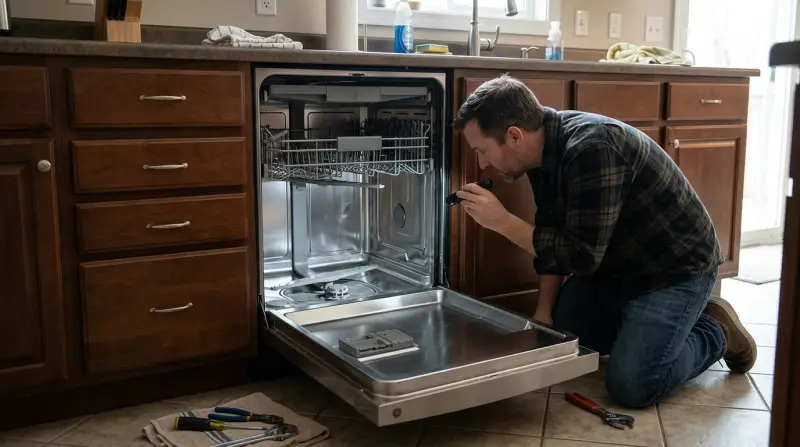
When you start a wash cycle, your GE dishwasher expects a certain amount of water to enter the tub. The process is controlled by several components:
- Water inlet valve: Opens to let water flow in.
- Float switch: Measures water level and prevents overfilling.
- Door switch: Ensures the door is closed before filling.
- Electronic control board: Coordinates the cycle and timing.
If any of these parts fail, your dishwasher won’t fill. The average dishwasher uses 3.5 gallons of water per cycle, so even small issues can have a big impact. Some newer GE models use less water, but the filling process is similar.
Common Reasons Your Ge Dishwasher Is Not Filling With Water
Several problems can cause this issue. Let’s look at the most frequent reasons:
1. Faulty Water Inlet Valve
The water inlet valve is the most common culprit. If it’s broken or clogged, water won’t enter. You can usually hear a buzzing sound when the valve is working. If there’s silence, it may need replacement.
2. Float Switch Malfunction
The float switch stops water if the tub is full. If it gets stuck or fails, the dishwasher thinks it’s already full and won’t add water. Sometimes, debris or mineral buildup blocks the float.
3. Door Switch Issues
The door switch prevents operation when the door is open. If the switch is broken, the dishwasher won’t fill, even if the door is closed tight.
4. Clogged Fill Line Or Filter
Sometimes, the water supply line or filter is clogged with debris or limescale. This restricts water flow. Models with a fine filter can get blocked after several months of use.
5. Control Board Failure
The electronic control board sends signals to all parts. If it fails, the dishwasher may not start the fill cycle. This is less common but can happen after power surges.
6. Low Water Pressure
Most dishwashers need 20–120 psi water pressure. If your home has low pressure, the valve may not open fully. Check with a pressure gauge if you suspect this.
7. Incorrect Installation
If your dishwasher was recently installed or moved, the supply line may be kinked, or valves may not be fully open.
8. Blocked Drain Hose
A blocked drain hose can trick the dishwasher’s sensors. If the hose is full, the machine may not start filling.

Diagnosing The Problem: Step-by-step Guide
Finding the cause is easier if you follow a clear process. Here’s how to check each part:
Visual Inspection
- Open the door and check for visible debris in the tub.
- Inspect the float switch for movement—lift it gently and listen for a click.
Listen For Sounds
- Start a cycle and listen for the water inlet valve. If you hear nothing, the valve may be dead.
Check Water Supply
- Make sure the water supply valve under the sink is fully open.
- Test water pressure with a gauge. If below 20 psi, you may need a plumber.
Examine Fill Line And Filter
- Turn off power and water supply.
- Disconnect the fill line and check for blockages.
- Clean the filter if your model has one.
Test Door Switch
- Try closing the door firmly. If the display doesn’t light up, the switch may be faulty.
Control Board
- If all other parts work but the dishwasher still won’t fill, the control board may need professional inspection.
Fixing A Ge Dishwasher Not Filling With Water
Most homeowners can fix basic issues. Here’s what you can do:
Cleaning The Float Switch
- Locate the float (usually near the front corner of the tub).
- Gently lift and clean around it.
- Remove any debris or buildup.
Replacing The Water Inlet Valve
- Buy a compatible GE valve (costs $20–$45).
- Shut off water and power.
- Remove access panel and disconnect wires.
- Swap the valve and reconnect.
Clearing The Fill Line And Filter
- Disconnect the line from the dishwasher.
- Flush with water or blow air through it.
- Clean the filter with a brush.
Checking Door Switch
- Test with a multimeter (if available).
- Replace if there’s no continuity.
Adjusting Water Pressure
- Open the supply valve fully.
- Consult a plumber if pressure is low.
Professional Repairs
If the control board or wiring is faulty, call a technician. These repairs are complex and can cost $150–$300.
Comparison: Ge Dishwasher Models And Common Issues
Different models have unique strengths and weaknesses. Here’s a comparison of three popular GE dishwashers:
| Model | Water Usage (Gallons/Cycle) | Common Issue | Repair Difficulty |
|---|---|---|---|
| GE GDT665SSNSS | 3.5 | Float switch stuck | Easy |
| GE GPT145SSLSS | 2.8 | Valve blockage | Moderate |
| GE Profile PDT715SYNFS | 3.1 | Control board failure | Difficult |
Data: How Often Do Dishwashers Fail To Fill?
Surveys show that dishwasher filling problems are among the top three complaints for homeowners. In a 2023 study by the US Appliance Institute:
- 24% of dishwasher owners reported water fill problems within 5 years.
- GE models accounted for 13% of these cases.
The most frequent cause was a clogged valve or filter, followed by float switch issues.

Credit: www.ortegasappliance.com
Preventive Maintenance Tips
Avoiding problems is easier than fixing them. Here’s how to keep your GE dishwasher working smoothly:
- Clean the filter every month.
- Check the float switch for movement and debris.
- Inspect the fill line for kinks or buildup.
- Run a cleaning cycle with vinegar every 3 months.
- Open the supply valve fully and check water pressure yearly.
These steps can reduce the risk of filling problems by up to 60%.
Mistakes To Avoid
Many people make errors when trying to fix dishwasher issues. Avoid these common mistakes:
- Forcing the float switch: This can break the sensor. Always lift gently.
- Ignoring low water pressure: Dishwashers need enough pressure to fill. Don’t assume the valve is the only problem.
- Skipping filter cleaning: Even new dishwashers can get clogged after a few weeks.
- Replacing parts without diagnosis: Always check which component is faulty before buying parts.
- Not turning off power and water: Safety first. Always shut off before repairs.

Credit: www.youtube.com
Example: Real Repair Scenario
Sarah, a homeowner in Florida, found her GE GDT665SSNSS dishwasher wouldn’t fill. She checked the float switch and found it stuck due to soap buildup. After cleaning it, the dishwasher filled normally. This simple fix saved her a $120 service call.
Cost Comparison: Diy Vs Professional Repairs
Let’s compare costs for fixing a GE dishwasher:
| Repair Type | DIY Cost | Professional Cost | Estimated Time |
|---|---|---|---|
| Float switch cleaning | $0 | $80 | 10 minutes |
| Valve replacement | $25 | $150 | 30 minutes |
| Control board | $120 | $300 | 1 hour |
DIY repairs are cheaper and often faster, but complex problems (like the control board) may need a professional.
When To Call A Technician
Some problems are too complex for DIY:
- Wiring or control board issues
- Water leaks inside the dishwasher
- Error codes you cannot clear
If you’ve checked all basic parts and still have no water, it’s time for expert help. GE customer service and appliance repair companies can diagnose hidden faults.
Getting Spare Parts For Ge Dishwashers
Finding genuine parts is important. Always buy from authorized sellers or GE’s official website. Using cheap or non-matching parts can cause further damage. For details on sourcing parts, see GE Appliances Parts.
Frequently Asked Questions
Why Does My Ge Dishwasher Make Noise But Not Fill?
Usually, this means the motor is running but the water inlet valve is blocked or broken. Check the valve and supply line for blockages.
Can Low Water Pressure Stop My Dishwasher From Filling?
Yes. If your home’s water pressure is under 20 psi, the dishwasher may not fill. Use a pressure gauge to check.
How Often Should I Clean The Dishwasher Filter?
Clean the filter once a month for best performance. If you have hard water or use the dishwasher heavily, clean it more often.
Is It Safe To Replace The Water Inlet Valve Myself?
Yes, if you follow safety steps: turn off power and water, use proper tools, and follow the instructions. If you’re unsure, call a technician.
What Should I Do If The Dishwasher Still Won’t Fill After Checking Everything?
If you’ve checked the float, valve, filter, and supply, but the dishwasher still won’t fill, the control board or wiring may be faulty. Contact GE support or a certified technician.
A GE dishwasher not filling with water can be solved by clear diagnosis and simple maintenance. By understanding the process, checking each component, and avoiding common mistakes, you can often fix the problem yourself. Regular cleaning and inspection reduce the risk of future issues.
If repairs seem too complex, don’t hesitate to call a professional. With the right approach, your dishwasher will run smoothly again.