
Many people depend on their refrigerators to keep food fresh. When your GE refrigerator starts making a revving noise, it can be worrying. Is it a sign of a big problem? Or just normal? Understanding the reasons for this sound can save you time, money, and stress. In this article, you’ll learn what causes this noise, how to fix it, and how to decide when you need professional help. The goal is to help you feel confident and safe about your refrigerator. Even if you’re not a technical expert, you’ll understand what’s happening and what to do next.
What Does “revving Noise” Mean?
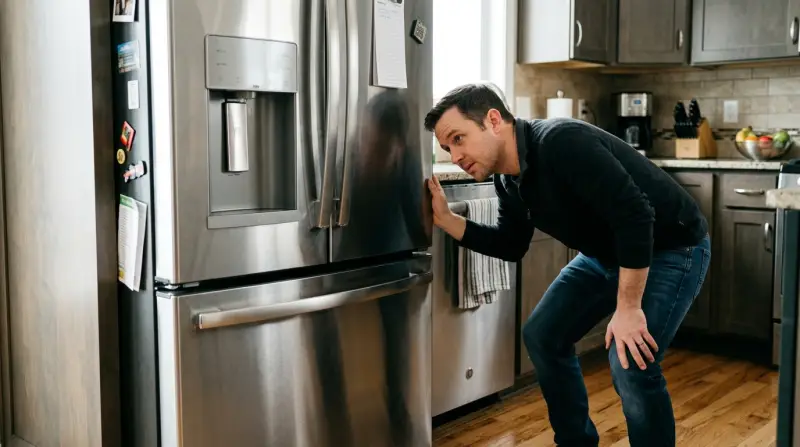
A revving noise sounds similar to a car engine speeding up and slowing down. It is not a steady humming or clicking. Instead, it gets louder and softer, often cycling every few seconds or minutes. If your GE refrigerator makes this noise, it’s important to notice when it happens. Is it constant, or only at certain times? Does it get louder when the door is open? These details can help you find the cause.
Common Causes Of Revving Noise In Ge Refrigerators
Several parts in a refrigerator can make a revving noise. Here are the most frequent reasons:
1. Compressor Problems
The compressor is the heart of your refrigerator. It pumps refrigerant to keep things cold. If the compressor is old or damaged, it may make a revving sound as it tries to start or run.
2. Condenser Fan Motor
The condenser fan cools the compressor. If the motor or blades are dirty, bent, or faulty, the fan may spin unevenly, making a revving sound.
3. Evaporator Fan Motor
This fan circulates cold air inside the fridge. If the motor is failing, it may speed up and slow down, producing a revving noise.
4. Ice Maker Or Water Dispenser
Sometimes, moving parts in the ice maker or water dispenser can create a similar noise, especially during cycles.
5. Vibration Against Surroundings
If the fridge is not level or something is touching it, vibrations can make revving or rumbling sounds.
6. Control Board Issues
Modern GE refrigerators have electronic boards. If the board malfunctions, it may send wrong signals to motors, causing them to rev unexpectedly.
Example: Compressor Vs. Fan Noise
It’s easy to confuse compressor noise with fan noise. The compressor is usually located at the bottom rear of the fridge. Fan noises may come from inside or the back. If the noise stops when you open the door, it’s likely the evaporator fan. If it continues, it may be the compressor.

How To Diagnose The Revving Noise
Finding the source of the noise is important before deciding what to do. Here’s a step-by-step guide:
- Listen Carefully: Stand near the refrigerator. Try to locate where the noise comes from: inside, back, or bottom.
- Check When It Happens: Does the noise happen all the time or only when the compressor runs? Does it stop when you open the door?
- Inspect The Surroundings: Make sure nothing is touching the fridge. Remove items on top or around it.
- Open The Back Panel: If you feel comfortable, unplug the refrigerator and open the rear panel. Look for dust or debris on the fans.
- Look For Ice Build-up: Ice inside the fridge can block fans and cause them to rev.
- Test The Ice Maker: Run the ice maker cycle and listen for noises.
- Check Leveling: Use a spirit level to make sure the fridge is not tilted.
| Source of Noise | Location | Noise Stops When Door Opened? | Common Solution |
|---|---|---|---|
| Compressor | Bottom rear | No | Professional repair |
| Evaporator Fan | Inside freezer | Yes | Replace fan motor |
| Condenser Fan | Back panel | No | Clean or replace |
| Ice Maker | Freezer compartment | No | Reset or repair |
How To Fix A Revving Noise
Once you know the cause, you can fix the problem. Some solutions are easy and safe for homeowners. Others need professional help.
Easy Home Fixes
- Clean the Condenser Fan
Unplug the fridge. Open the back panel. Use a vacuum or brush to remove dust from the fan and compressor area.
- Adjust Leveling
Use adjustable feet to make sure the fridge is level. This reduces vibrations.
- Remove Nearby Objects
Make sure nothing is leaning against or touching the fridge.
- Check Ice Build-up
Defrost the fridge if you see ice blocking the fans.
- Reset Ice Maker
If the noise comes from the ice maker, unplug the fridge for five minutes and restart it.
When To Call A Professional
Some problems are too risky for DIY fixes:
- Compressor Repair or Replacement
Compressors are complex and expensive. Only trained technicians should repair or replace them.
- Evaporator Fan Motor Replacement
If the fan is broken, it needs replacement. This may require removing panels and wiring.
- Control Board Issues
Electronics are sensitive. If you suspect a control board problem, contact a certified GE technician.
Non-obvious Insights
- Many people ignore cleaning the condenser coils. Dirty coils force the compressor to work harder, making revving noises. Clean coils once every six months.
- A revving noise can sometimes be caused by a power surge. If your area had a recent outage or surge, the electronic board may be confused. Unplugging for 10 minutes can reset the board.

How Serious Is The Revving Noise?
Not all revving noises are dangerous. Sometimes, they are normal during certain cycles. However, if the noise is new, louder, or lasts longer, it may signal a problem. A failing compressor is serious and can lead to food spoilage. Ignoring a broken fan can cause ice build-up and poor cooling.
Statistics: Refrigerator Noise And Repairs
According to the National Appliance Repair Association:
- About 17% of refrigerator repairs are due to abnormal noises.
- Compressor repairs account for 32% of costly fixes.
- Average repair cost for compressor: $350–$600.
- Fan motor replacement: $120–$250.
| Repair Type | Percentage of Cases | Average Cost (USD) |
|---|---|---|
| Compressor | 32% | $350–$600 |
| Fan Motor | 41% | $120–$250 |
| Control Board | 12% | $200–$400 |
| Ice Maker | 15% | $100–$220 |
How To Prevent Revving Noise
Prevention can save you from expensive repairs. Here are some practical tips:
- Clean Coils and Fans Regularly
Dust makes motors work harder. Clean coils twice a year.
- Keep Fridge Level
Uneven placement causes vibrations. Adjust feet and check with a level.
- Avoid Overloading
Heavy items can block air flow and stress fans.
- Check Door Seals
Broken seals let warm air in, making the compressor run more.
- Use Surge Protectors
Protect electronics from power surges.
- Schedule Yearly Maintenance
A professional check-up keeps your fridge in good shape.
| Preventive Action | Frequency | Benefits |
|---|---|---|
| Clean condenser coils | Twice a year | Reduces compressor strain |
| Check leveling | Yearly | Less vibration noise |
| Inspect seals | Monthly | Improves cooling |
| Professional maintenance | Once a year | Finds hidden issues |

Credit: www.youtube.com
Signs You Need Immediate Help
Some problems should not wait:
- Food is not cold
This means cooling is failing. Call a technician.
- Burning smell
This may signal an electrical issue. Unplug and call for help.
- Noise gets louder or changes suddenly
Quick changes can mean a major breakdown.
- Water leaks
Could indicate ice maker or defrost issues.
How To Choose The Right Repair Service
Not all repair companies are equal. Here’s what matters:
- Certification
Choose technicians certified by GE or appliance organizations.
- Experience
More experience means faster, safer repairs.
- Warranty
Good companies offer a warranty on work.
- Customer Reviews
Check online reviews for reliability.
- Transparent Pricing
Avoid hidden fees or unclear charges.
One helpful resource for finding certified GE refrigerator technicians is the official GE Appliances website: GE Appliances Service & Support.
Frequently Asked Questions
Why Does My Ge Refrigerator Make A Revving Noise Only At Night?
Many refrigerators run longer cycles at night when doors are not opened. This lets the compressor and fans work harder, sometimes making revving noises. It’s normal unless the noise is loud or constant.
Can A Revving Noise Mean My Fridge Will Stop Working Soon?
It depends on the cause. If the noise is from the compressor, it could signal failure. If it’s from a fan or ice maker, it’s less serious but should still be checked. Watch for other signs like poor cooling.
Is It Safe To Keep Using My Fridge With A Revving Noise?
If cooling works and there is no burning smell or water leak, it’s usually safe for a short time. However, ignoring the noise can lead to bigger problems. Try basic fixes and call a professional if needed.
How Much Does It Cost To Fix A Ge Refrigerator Revving Noise?
Costs vary. Fan motor repairs cost $120–$250. Compressor repairs are $350–$600. Control board fixes are $200–$400. Prices depend on the model and local labor rates.
Can I Fix The Revving Noise Myself?
Some issues, like cleaning coils or leveling, are safe to do yourself. Compressor or electronic repairs should be done by professionals to avoid damage or injury.
A GE refrigerator making revving noise can be annoying and stressful. But many causes are easy to fix or prevent. Listen carefully, try simple solutions, and know when to call for help. Regular maintenance and cleaning are your best defenses. By understanding your refrigerator, you can keep your food safe and your kitchen quiet.