
A washing machine that shakes or moves during spinning is more than just annoying. It can scratch your floor, damage itself, and even create safety issues. If you’ve ever watched your washer “walk” across the laundry room, you know this is a real problem.
But the good news is, you can usually fix it yourself without calling a technician. This guide will show you practical steps, common causes, and smart solutions for keeping your washing machine stable when it spins.
Why Washing Machines Move During Spin Cycle
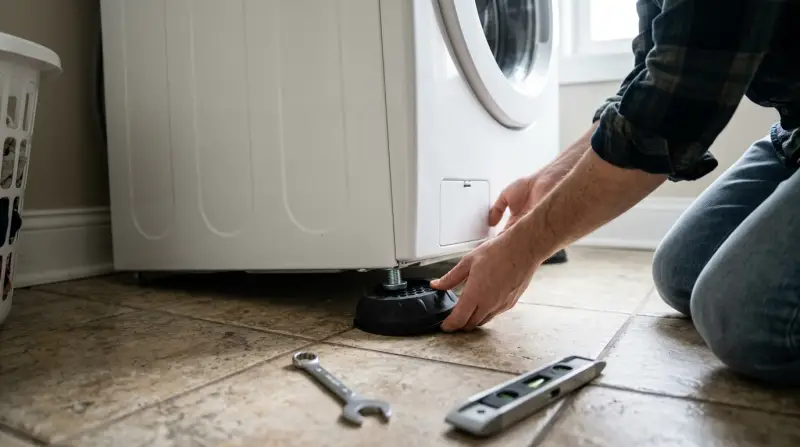
Most washing machines vibrate a little during spinning, but excess movement is a sign of trouble. The main cause is the high-speed spin cycle, which forces the drum to rotate very fast to remove water from clothes. If the machine is unbalanced or installed incorrectly, this movement gets worse.
Other factors include:
- Unlevel flooring
- Incorrect installation
- Worn or missing parts
- Overloading or underloading
- Shock absorbers or dampers wearing out
Understanding these reasons helps you find the right fix.
Quick Checks Before You Start
Before you grab your toolbox, do these simple checks:
- Check the load. Is the drum too full or too empty? Both can cause shaking.
- Pause and rearrange clothes. Sometimes, heavy items (like towels or blankets) stick to one side. Redistribute them evenly.
- Look for shipping bolts. If your machine is new, make sure the shipping bolts at the back are removed. These keep the drum locked during transport but must be taken out before use.
- Examine the floor. If your floor is uneven or soft, it can make things worse.
If these quick fixes don’t help, move on to the steps below.

Credit: removeandreplace.com
Step 1: Level The Washing Machine
A washing machine must sit perfectly level to stay in place during spin cycles. Even a small tilt can create big movement.
How To Level Your Washer
- Use a bubble level. Place it on top of your washer, both front to back and side to side.
- Adjust the feet. Most washing machines have adjustable legs. Turn them clockwise or counter-clockwise to raise or lower each corner.
- Lock the feet. Some washers have lock nuts. Tighten them after adjusting to prevent the legs from moving.
- Test stability. Push gently on each corner. The machine shouldn’t rock.
Example
A 2022 survey found that over 60% of washing machine vibration issues were solved just by leveling the machine. It’s a simple fix, but many people skip it.
Step 2: Add Anti-vibration Pads Or Mats
If your floor is slippery or your washer is on tile, anti-vibration pads can help. These are thick rubber or foam pieces that go under each machine leg.
Benefits Of Anti-vibration Pads
- Reduce noise and shaking
- Protect your floor from scratches
- Help keep the washer in place
Types Of Anti-vibration Solutions
Here’s a comparison of common options:
| Type | Effectiveness | Cost | Installation |
|---|---|---|---|
| Rubber feet pads | High | Low | Very easy |
| Anti-vibration mats | Medium | Medium | Easy |
| DIY foam pieces | Low-Medium | Low | Easy |
For most homes, rubber feet pads are the best choice.
Step 3: Check And Adjust The Load
The way you load your washing machine matters. If heavy items clump together or if there are only a few clothes, the drum becomes unbalanced.
Good Loading Practices
- Mix heavy and light clothes. Don’t wash only towels or only jeans at once.
- Do not overload. Clothes need space to move.
- Do not underload. Too few items cause the drum to bang around.
Example
Imagine washing a single blanket. During spinning, the blanket can stick to one side, making the washer shake. Adding a few more towels can balance the load.
Step 4: Inspect The Floor And Location
The surface under your washer should be hard, flat, and stable. Soft floors, like carpet or old wood, can make vibration worse.
Flooring Comparison
| Floor Type | Vibration Level | Risk of Washer Moving |
|---|---|---|
| Concrete | Low | Low |
| Tile | Medium | Medium |
| Wood | High | High |
| Carpet | Very high | Very high |
If your washer is on wood or carpet, consider moving it to a more stable surface or using a thick rubber mat.
Step 5: Check Internal Parts
Sometimes, the problem is inside the washer.
Key Parts To Check
- Shock absorbers (dampers): These connect the drum to the frame. If they wear out, the drum shakes more.
- Suspension springs: These hold the drum in place. If one breaks, the machine moves a lot.
- Drum bearings: Worn bearings can make the drum loose and noisy.
If you hear loud banging or grinding, or if the drum moves too freely, these parts might need repair. For most people, it’s best to call a professional for this step.
Step 6: Secure Hoses And Cords
Loose water hoses or power cords can vibrate against the wall and make the shaking seem worse. Use clips or zip ties to keep them snug and out of the way.

Credit: www.youtube.com
Step 7: Consider Machine Weight And Size
Lightweight or compact washers are more likely to move when spinning. If your washer is smaller than standard, add extra anti-vibration pads or a heavy mat under the machine.
Step 8: Use Spin Speed Settings Wisely
Most modern washers let you adjust spin speed. High speeds remove more water but increase vibration. If your washer shakes a lot, try using a lower spin speed for heavy loads.
Step 9: Maintain Your Washing Machine
Regular maintenance prevents many vibration problems. Every few months:
- Check and clean the drum.
- Inspect the feet for wear.
- Look for loose parts.
- Clean out lint and debris from under the machine.
These small steps make a big difference over time.
Common Mistakes To Avoid
Even experienced users make some mistakes that cause washers to move. Here are some to watch out for:
- Ignoring the problem. Small vibrations can become big repairs if left unfixed.
- Using old anti-vibration pads. Worn pads can lose their grip and need replacement.
- Washing heavy items alone. Always balance heavy items with lighter ones.
- Skipping regular checks. Monthly checks catch problems early.
- Not removing transport bolts on new machines. This is a frequent issue with new installations.
When To Call A Professional
If you’ve tried all the steps above and your washer still moves or makes loud noises, it’s time to call for help. Some problems—like broken suspension springs or worn bearings—require special tools and experience. Attempting these repairs yourself can be dangerous or may void your warranty.
Real-world Example
Consider the case of a family who bought a new high-efficiency washer. After installation, they noticed the machine shook violently during every spin cycle. They tried moving it, putting down a mat, and even switching rooms. Nothing worked.
A technician later found the shipping bolts were still in place—a common mistake with new washers. Once these bolts were removed, the washer ran smoothly and quietly. This shows how one small missed step can cause big problems.
How To Choose The Right Anti-vibration Solution
With so many products available, it’s hard to know what’s best for your home. Here’s a quick reference:
| Feature | Rubber Pads | Thick Mat | DIY Solutions |
|---|---|---|---|
| Price | Low | Medium | Low |
| Durability | High | High | Low |
| Effectiveness | High | Medium | Low |
| Installation | Very Easy | Easy | Easy |
Non-obvious tip: Some high-end washers come with built-in vibration reduction systems. If your machine is older, adding high-quality rubber pads can make it nearly as stable as a newer model.

Additional Tips For Long-term Stability
- Leave space around the washer. Don’t push it tightly against walls; allow a few inches for airflow and movement.
- Keep the feet clean. Dirt or soap under the feet can make them slip.
- Check after moving. Each time you move or clean around the washer, recheck the level and position.
Useful Resources
For more technical details on washing machine installation and stability, see the Washing machine page on Wikipedia.
Frequently Asked Questions
Why Does My Washing Machine Shake Only During Spinning?
During spinning, the drum moves at very high speed to remove water from clothes. Any imbalance in the load, uneven floor, or worn parts become more noticeable at these speeds, causing shaking and movement.
Can An Unbalanced Load Damage My Washing Machine?
Yes. Repeated unbalanced loads can put stress on the drum, bearings, and suspension, leading to expensive repairs. Always try to balance your loads to protect your machine.
Are Anti-vibration Pads Worth Buying?
For most homes, anti-vibration pads are a cost-effective way to reduce noise and movement. They are especially helpful on tile, wood, or upstairs laundry rooms.
How Do I Know If My Washer’s Shock Absorbers Are Bad?
If you hear loud bangs or your washer shakes much more than before, your shock absorbers may be worn out. The drum may also feel very loose when you push it by hand. A technician can confirm and replace them if needed.
Is It Better To Use A Mat Or Individual Feet Pads?
Individual rubber feet pads often provide better grip and vibration control. Mats can work well for very large machines or if you want to protect a delicate floor, but may not reduce movement as much as high-quality feet pads.
A washing machine that stays in place will last longer, run quieter, and keep your laundry room safe. With the steps and tips above, you can stop your washer from moving during spinning and enjoy a smoother laundry experience.
1 thought on “How to Stop a Washing Machine from Moving When Spinning Fast”