
Cocker Spaniels are loved for their soft eyes, gentle nature, and beautiful coats. But many owners quickly discover one hidden challenge: skin problems. These adorable dogs are more likely than most breeds to develop itchy, flaky, or sore skin. If you’re worried about your Cocker Spaniel’s skin, you’re not alone. In this guide, you’ll learn why these issues happen, how to spot them early, and what you can do to keep your dog comfortable and healthy.
Why Cocker Spaniels Get Skin Problems
Cocker Spaniels have a unique coat and skin type. Their fur is thick and often wavy, which can trap moisture and dirt. This breed also has more sebaceous glands (oil-producing glands) than most, leading to oily skin and sometimes clogged pores. Genetics play a role: studies show about 30% of Cocker Spaniels will have skin issues in their lifetime. Allergies, poor grooming, and even diet can make things worse.
Common Causes
- Allergies: Food, pollen, dust, and flea bites are frequent triggers. Cocker Spaniels are particularly sensitive.
- Seborrhea: This is a condition where the skin produces too much oil or becomes dry and scaly. It’s common in this breed.
- Ear and skin infections: Their floppy ears can trap moisture, leading to infections that spread to nearby skin.
- Hormonal issues: Problems like hypothyroidism affect skin health.
- Parasites: Fleas, ticks, and mites cause itching and inflammation.
Typical Skin Problems In Cocker Spaniels
Cocker Spaniel skin issues can vary. Here are the most frequent ones:
- Seborrhea: Seborrhea is seen in up to 20% of Cocker Spaniels. It leads to greasy, smelly skin and sometimes yellow flakes. Dogs may scratch a lot and develop sore spots. Primary seborrhea is inherited, while secondary seborrhea happens due to allergies or infections.
- Atopic Dermatitis: This allergic reaction causes itchy red skin, often on the feet, belly, or ears. Dogs may lick or chew their skin, making things worse. Atopic dermatitis affects about 15% of Cocker Spaniels.
- Pyoderma: Pyoderma is a bacterial skin infection. It shows as red bumps, pus, or crusty sores. Often, it starts after scratching or licking, which breaks the skin barrier. Chronic cases need antibiotics.
- Hot Spots: Hot spots are red, moist, painful patches. They can appear suddenly, often after swimming or grooming. Bacteria grow fast in these areas, so quick treatment is important.
- Ear And Skin Yeast Infections: Yeast thrives in warm, moist areas. Cocker Spaniels’ ears and skin folds are perfect spots. Signs include brown discharge, foul odor, and persistent itching.
- Flea Allergy Dermatitis: Even a few fleas can trigger severe reactions. Dogs scratch and bite, leading to hair loss and open sores. Treating fleas is crucial.
Signs Your Cocker Spaniel Has Skin Problems
Spotting skin problems early prevents bigger issues. Look for:
- Excessive scratching or licking
- Redness or swelling
- Hair loss or bald patches
- Oily or flaky skin
- Bad smell
- Open sores or scabs
- Ear discharge or odor
Sometimes, your dog may act restless or seem uncomfortable. These signs often mean the skin is irritated or infected.
How To Diagnose Skin Problems
Veterinarians use several methods to find the cause:
| Diagnostic Method | Purpose | Typical Findings |
|---|---|---|
| Skin Scrapings | Check for mites or infections | Mite presence, yeast, bacteria |
| Allergy Testing | Identify allergens | Food, environmental allergies |
| Blood Work | Assess hormone and organ health | Thyroid, immune problems |
| Biopsy | Check chronic or severe cases | Underlying skin disease |
If your vet suspects fleas or parasites, they may use a flea comb or look for flea dirt. Sometimes, a simple visual exam is enough, but chronic or severe cases need deeper tests.
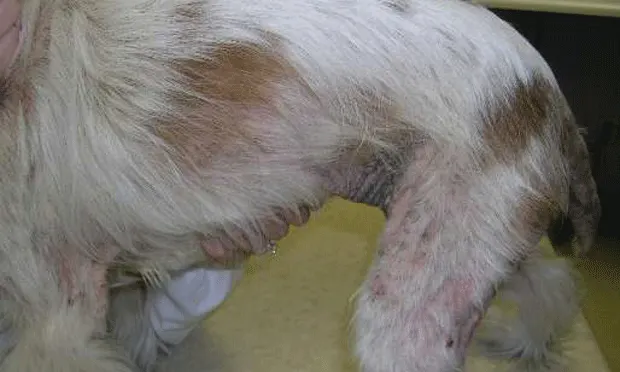
Treatment Options For Cocker Spaniel Skin Problems
Managing skin issues often takes patience. The best approach depends on the cause.
Medicated Baths
Special shampoos help with seborrhea and infections. Products with chlorhexidine or benzoyl peroxide are common. Baths are usually needed once or twice a week for severe cases.
Allergy Management
If allergies are the problem, your vet might suggest:
- Hypoallergenic diets
- Antihistamines
- Steroid creams or pills
- Immunotherapy (allergy shots)
Food allergies are often managed by switching to a novel protein or grain-free diet. Environmental allergies may need regular cleaning and air filters.
Antibiotics And Antifungals
For bacterial or yeast infections, oral or topical medicines are used. Most cases clear in 2-4 weeks, but chronic infections may require longer treatment.
Flea Control
Consistent flea prevention is critical. Products like Bravecto or Advantage are effective. Even indoor dogs need protection—fleas can enter homes on clothing or other pets.
Hormonal Therapy
If hypothyroidism is diagnosed, your dog will need thyroid medication. This often improves skin within weeks.
Home Care
Daily brushing removes dead hair and prevents matting. Clean ears regularly with vet-approved cleaners. Avoid over-bathing, as it dries out skin. Use gentle, non-perfumed grooming products.
| Treatment Type | Typical Duration | Effectiveness |
|---|---|---|
| Medicated Baths | 2–6 weeks | High for seborrhea/infections |
| Allergy Diet | 4–8 weeks | Moderate–High if allergy-related |
| Antibiotics | 2–4 weeks | High for bacterial infections |
| Flea Prevention | Ongoing | High for flea allergies |
| Hormonal Therapy | Lifelong | High for thyroid issues |
Preventing Skin Problems In Cocker Spaniels
Prevention is the best medicine. Here’s how to protect your dog:
- Regular grooming: Brush your Cocker Spaniel daily to prevent mats and remove debris.
- Frequent ear cleaning: Clean ears weekly to prevent infections.
- Balanced diet: Feed high-quality food rich in omega-3 and omega-6 fatty acids.
- Flea and tick control: Use vet-approved products year-round.
- Bathe wisely: Use gentle shampoos and avoid over-bathing.
- Monitor for allergies: Watch for changes after new foods, treats, or cleaning products.
- Routine vet visits: Early check-ups catch problems before they get serious.
Practical Tips
- Don’t ignore mild symptoms: Early redness or itching can lead to bigger issues.
- Trim hair around ears and paws: This prevents moisture and bacteria buildup.
- Use air filters: Helps reduce environmental allergens inside your home.
- Choose stainless steel bowls: They’re easier to clean and don’t harbor bacteria.
Many owners miss these small steps, but they have a big impact. For example, switching from plastic to stainless steel bowls can reduce bacteria and skin irritation. Regular ear cleaning can prevent yeast infections that often spread to nearby skin.
When To See A Vet
If your Cocker Spaniel has skin issues that don’t improve in a week, or if there’s bleeding, pus, or fever, see your vet right away. Chronic problems may need specialist care, like a veterinary dermatologist. Quick action can prevent pain and long-term damage.
Real-world Example: Cocker Spaniel Skin Recovery
Bella, a 4-year-old Cocker Spaniel, started showing signs of seborrhea. Her owner noticed greasy skin, a strong odor, and yellow flakes. After visiting the vet, Bella began medicated baths and switched to a fish-based diet. Within three weeks, her symptoms improved. The owner also began weekly ear cleaning and brushing, which kept Bella’s skin healthy. This case shows how a simple routine can make a big difference.

Data: How Common Are Skin Problems In Cocker Spaniels?
Recent studies show:
- Seborrhea: Affects 20% of Cocker Spaniels
- Allergic dermatitis: 15%
- Ear infections: 25% (often lead to skin issues)
- Flea allergy dermatitis: 10%
- Pyoderma: 8%
These numbers are higher than most breeds. This means owners should be extra careful and proactive.
| Skin Problem | Prevalence (%) | Risk Factors |
|---|---|---|
| Seborrhea | 20 | Genetics, diet, grooming |
| Allergic Dermatitis | 15 | Food, environment |
| Ear Infections | 25 | Ear shape, moisture |
| Flea Allergy Dermatitis | 10 | Flea exposure |
| Pyoderma | 8 | Scratching, licking |
Non-obvious Insights For Owners
Many owners focus only on visible symptoms, but early signs are often subtle. Look for small changes, like your dog rubbing its face more than usual or licking its paws. These behaviors can signal allergies before redness or hair loss appears.
Another overlooked factor is seasonal changes. Cocker Spaniels often develop more skin problems in spring and summer, when pollen and humidity rise. Adjust grooming routines and use air filters during these months.
Some owners forget that stress can worsen skin issues. Moving, new pets, or loud noises may trigger flare-ups. Keep routines stable and offer calming activities.

Frequently Asked Questions
How Often Should I Bathe My Cocker Spaniel?
Most Cocker Spaniels need a bath every 3–4 weeks. If your dog has skin problems, your vet may recommend medicated baths more often, but too much bathing can dry out the skin.
Can Diet Improve Skin Health In Cocker Spaniels?
Yes. High-quality food with omega-3 fatty acids helps reduce inflammation and keeps skin healthy. Avoid foods with fillers or artificial additives.
Are Skin Problems In Cocker Spaniels Contagious?
Most skin problems, like seborrhea or allergies, are not contagious. However, infections caused by mites or ringworm can spread to other pets or humans.
What Home Remedies Help With Mild Skin Irritation?
Oatmeal baths and coconut oil can soothe mild irritation, but always check with your vet before trying home remedies. Never use human medications or creams.
Is It Safe To Use Flea Products Year-round?
Yes. Fleas can survive indoors even in winter. Using vet-approved flea prevention all year protects your Cocker Spaniel from bites and related skin issues.
Cocker Spaniel skin problems are common, but with careful attention and the right treatment, your dog can live comfortably and happily. Stay alert to early signs, follow regular grooming routines, and work closely with your vet. For more detailed information, you can visit American Kennel Club. Your Cocker Spaniel depends on you to keep their skin healthy small actions make a big difference.