
A Samsung Refrigerator Icemaker Not Working usually happens because of a frozen fill tube, a clogged water filter, or an incorrect temperature setting in the freezer compartment. If you’re dealing with this, check your freezer temperature first to ensure it’s set to zero degrees Fahrenheit or colder. You should also verify that the water line is connected and not kinked. If the unit is brand new, it may simply need 24 hours to reach the proper temperature for ice production.
Why your Samsung Refrigerator Icemaker Not Working
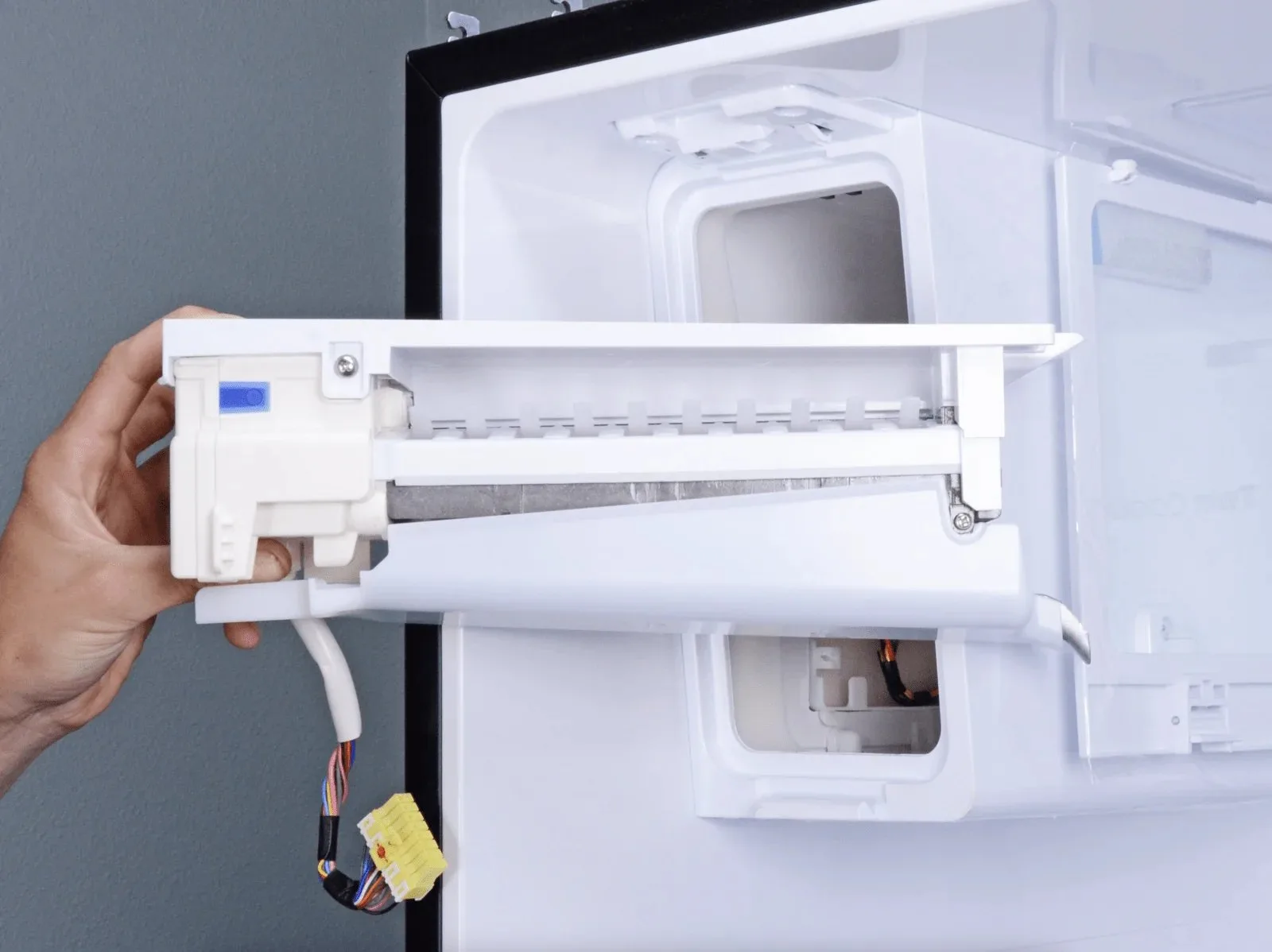
The most frequent reason for this issue is a blockage in the water supply system. Ice buildup often occurs at the fill tube, which is the small pipe that delivers water to the mold. If the water pressure is too low, the water may freeze before it enters the tray, creating a solid plug of ice that prevents new cycles. This often happens if the water filter is old or clogged. When a filter reaches the end of its life, it restricts the flow, leading to incomplete ice cubes or a total stop in production.
Another primary cause involves the freezer temperature. A Samsung refrigerator requires a consistent environment to trigger the ice-making mechanism. If the temperature fluctuates or stays above 5°F, the sensors may not signal the unit to harvest ice. This often occurs when the door is left slightly ajar, allowing warm, humid air to enter. The moisture from this air condenses and freezes over the ice mold, creating a “snow” buildup that jams the mechanical arm.
Finally, the ice bucket might not be seated correctly. If the bucket is slightly misaligned, it prevents the sensor from detecting that the bin is empty. You can find official guidance on troubleshooting these specific mechanical components through the Samsung support help center. These systems are designed to stop ice production automatically when the bucket is full or out of position to prevent overflowing.
Safety: Inside a mains-powered machine, the parts behind the outer cover can hold a dangerous electrical charge even after it has been unplugged — that’s why they sit behind a cover. Opening the housing, or testing or replacing anything behind it, is a job for a qualified technician, never a home repair.
Reset the ice maker
If you have verified that the freezer is cold enough and the water line is clear, a simple reset often resolves the issue. This is for users who have checked for obvious blockages but still see no ice. To perform this, locate the test button on the ice maker assembly. You’ll usually find this on the side or bottom of the unit after you remove the ice bucket. Press and hold the button for about three to five seconds until you hear a chime or the motor starts to turn.
This reset forces the machine to run a harvest cycle. If it moves but stops halfway, the motor or the internal sensors may be failing. If it doesn’t move at all, check the control panel on the front of the fridge to ensure the “Ice Off” icon isn’t illuminated. If the icon is lit, the system is disabled, and you must toggle it back to the “On” position.
This fix isn’t for users who hear loud grinding noises, as that indicates a broken gear or a frozen auger. If you hear grinding, stop immediately and contact a professional. For standard resets, if the unit completes the cycle and produces ice within 24 hours, the issue is resolved. If it fails to produce ice after three cycles, the problem likely lies with the water valve or the control board, both of which require professional service.
Inspect the water filter
A dirty water filter is a common bottleneck that owners often overlook. If your water flow is slow or the ice cubes are smaller than usual, the filter is likely saturated with sediment. To check this, remove the filter and attempt to run the ice maker; if the system works, replace the filter as part of your usual clean.
This fix is for anyone who hasn’t changed their filter in over six months or who lives in an area with hard water. If you choose to use a non-Samsung brand filter, ensure it’s certified for your specific model, as poor-quality filters can cause leaks or restrict flow too much. If the filter housing itself is cracked or leaking, don’t attempt a repair. Replacing the housing involves removing the interior liner and internal plumbing, which can void your warranty or cause severe water damage to your kitchen flooring.
If the filter is clean and the water line is properly connected, but you still get no ice, the water inlet valve at the back of the fridge may have failed. Testing the voltage of this valve is a task for a licensed technician. Since this involves accessing electrical components and plumbing, don’t attempt to test the valve yourself if you aren’t comfortable with appliance repair.
Check the freezer temperature
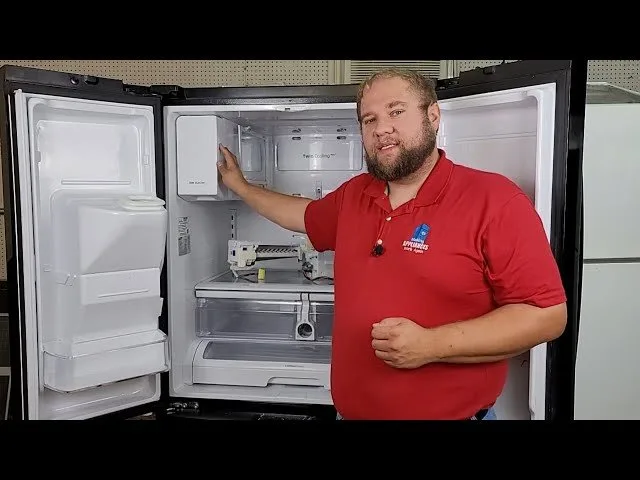
The internal temperature of the freezer is the most critical factor for ice production. If the freezer is warmer than 5°F, the ice maker won’t operate to prevent the system from trying to harvest slushy water. This often happens if the condenser coils are covered in dust or if there’s poor airflow around the unit. To check this, use a separate thermometer inside the freezer for an accurate reading.
If the temperature is too high, clear any items blocking the air vents at the back of the freezer. Ensure the door seal is tight by placing a piece of paper in the door; if it pulls out easily, the seal is worn and needs replacement. This fix is worth the time because a warm freezer also wastes electricity and risks food safety.
However, if the freezer is at the right temperature and the ice maker still fails, the internal thermostat of the ice maker assembly might be faulty. This is a common issue in older units. Replacing the entire ice maker assembly is often more cost-effective than trying to repair individual internal sensors.
What not to do
- Don’t use a hair dryer to melt ice inside the freezer, as the high heat can warp the plastic interior liners and damage the sensitive electronic sensors.
- Avoid pouring hot water directly into the ice mold to break up a jam, because the excess moisture will likely refreeze and create a larger, more solid block of ice.
- Don’t try to disassemble the motor housing or the internal control board, as these parts contain electrical circuits that aren’t user-serviceable and can cause injury.
- Never use a screwdriver or knife to chip away at ice buildup, because you risk puncturing the evaporator coils, which will cause the refrigerator to lose all cooling capacity permanently.
- Don’t ignore grinding noises, as these indicate that the mechanical gears are struggling against an obstruction; continuing to run the unit will strip the gears and lead to a total failure.
How to stop it happening again
Consistent maintenance prevents most ice maker failures by keeping the water supply clean and the airflow unobstructed.
| If you’re doing this | Do this instead | Why |
|---|---|---|
| Stacking food high | Keep vents clear | Allows cold air to circulate properly |
| Forcing the door shut | Check the seal | Prevents warm air from entering |
| Ignoring small cubes | Check water pressure | Small cubes mean a clogged filter |
| Leaving it for weeks | Use it regularly | Prevents ice from clumping together |
Frequently asked questions
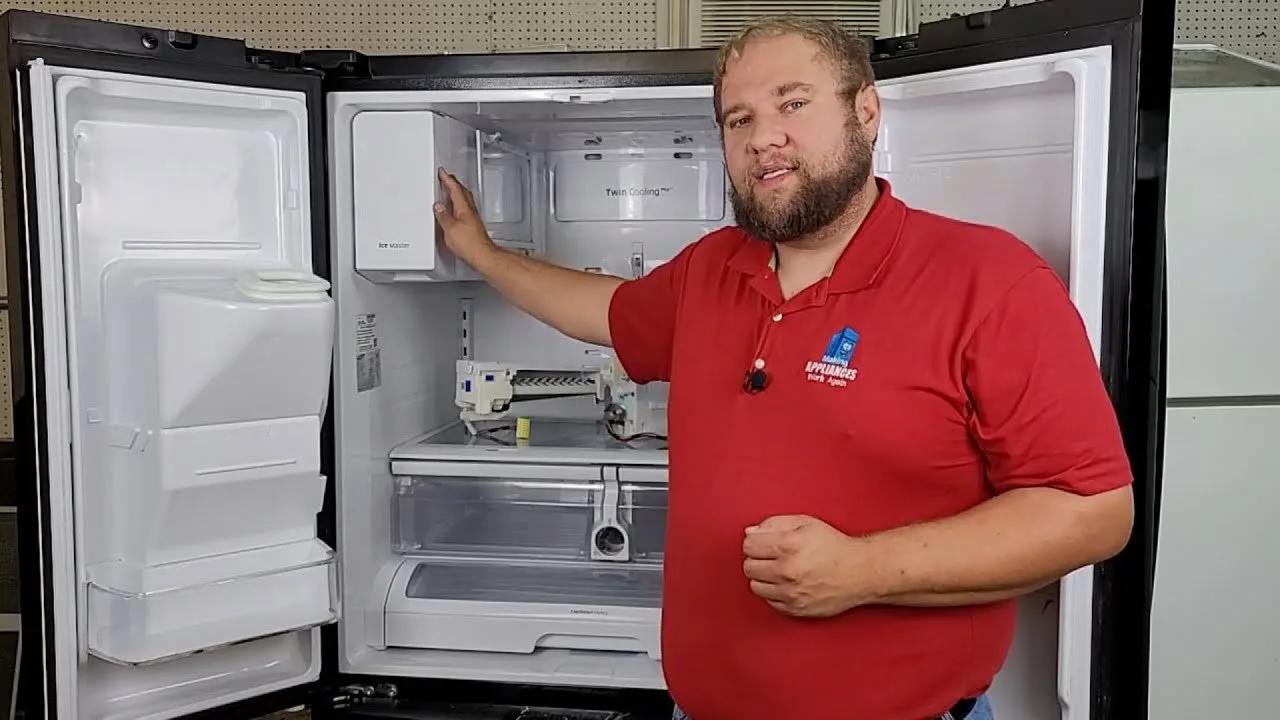
Can I fix a Samsung refrigerator icemaker by myself?
You can perform basic troubleshooting like resetting the unit, checking the temperature, and replacing the water filter to resolve most common issues. These steps often fix clogs or setting errors. However, stop immediately if the problem involves electrical components, the water inlet valve, or internal cooling sensors, as these require professional repair.
Why is my Samsung icemaker making a loud noise?
Grinding noises usually indicate that the motor is struggling to turn the ice tray or auger due to a physical blockage. This often happens when ice builds up around the harvest arm or the bucket auger. If the noise persists after clearing the ice, the internal gears may be stripped or the motor failing.
How long does it take for a Samsung fridge to make ice?
It typically takes 24 hours for a new or recently reset refrigerator to produce its first batch of ice. The system must reach the proper operating temperature before the cycle begins. If you have no ice after 24 hours, verify that the “Ice Off” setting is disabled and the water supply is on.
Is it safe to leave the ice maker on if it’s not working?
It’s best to turn the ice maker off if it isn’t producing ice or is making grinding noises. Leaving a malfunctioning unit on can cause the motor to overheat or the water valve to stick, potentially leading to leaks. Use the control panel to select “Ice Off” until you can troubleshoot the cause.
What happens if I use the wrong water filter?
Using a non-compatible or low-quality water filter can restrict water flow, resulting in small or misshapen ice cubes. A poor fit can also cause the filter housing to leak, damaging the refrigerator interior. Always check your owner’s manual to find the specific filter model required to ensure proper water pressure and reliable cycling.
Final Thoughts
If you’ve tried these basic fixes and still aren’t seeing any ice, don’t worry. It’s likely time to reach out to a professional technician who can inspect the internal components for you. They’ll quickly identify if a part needs replacing so you can get back to enjoying cold drinks again.