
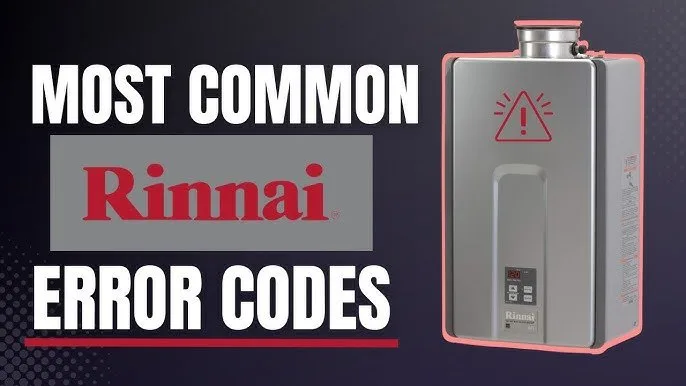
A Rinnai Water Heater Error Code 12 means the unit has lost its flame, usually due to gas supply issues or air intake blockages. The unit safely shuts its gas valve to prevent leaks, so you can resume use once the issue is cleared. Check other gas appliances; if they also fail to ignite, the problem lies with your gas supply rather than the heater.
Common Rinnai water heater error codes and fixes
| What you notice | What it usually means | What to do first |
|---|---|---|
| No gas to house | Main gas supply is off | Check main meter valve |
| Error appears cold | Gas line air pocket | Open and close hot tap |
| Loud rumbling sound | Obstructed exhaust flue | Inspect vent for debris |
| Error after rain | Water in intake pipe | Clear air intake vent |
| Ignition clicking heard | Low gas pressure | Call your gas provider |
| Fan runs constantly | Blocked air intake | Clean the air filter |
If the unit clicks but fails to ignite, verify that your stove burners light. If they do not, the issue is likely a service interruption rather than the appliance.
When you hear a loud rumbling, stop the unit immediately. This sound indicates incomplete combustion, which can lead to carbon monoxide buildup. If the vent is clear, don’t attempt further repairs.
Distinguish between a “hard” lockout and a “soft” error. A hard lockout requires a manual power cycle at the breaker.
Many users mistakenly assume the flame failure is electrical. If the fan runs but the igniter stays silent, check the pressure switch tubing. A loose hose costs you a service call fee but takes seconds to reseat. If you see water droplets in the clear plastic tube, the intake vent is compromised.
Gas supply interruptions
The most common reason for this error is a lack of gas reaching the burner. When the gas pressure drops below the required level, the flame can’t stay lit, and the system triggers a safety shutdown. To check this, try turning on a gas burner on your kitchen stove. If the burner fails to light or has a weak, yellow flame, your gas supply is likely restricted. This is often caused by a closed gas valve near the heater or a problem with the utility company’s delivery.
If the valve is fully open, ensure you haven’t recently had the gas line serviced. Air in the lines can prevent ignition; you can often clear this by opening a hot water tap for 60 seconds to purge the system. If the water heater remains in error mode after the gas supply is verified, the unit may need a reset. Press the “On/Off” button on the controller twice to clear the code. If the flame establishes and the error doesn’t return, the system is working correctly. This assumes the unit has adequate gas pressure; for homes with long gas runs, the pipe diameter must be large enough to support the BTU load of the heater, as specified in the Rinnai operation and installation manual. If your gas supply is sufficient but the error persists, the issue may involve the flame rod or ignition assembly.
Airflow and venting issues
A Rinnai water heater requires a precise mix of air and gas to maintain a stable flame. If the air intake or exhaust vent is blocked, the combustion chamber won’t receive enough oxygen, causing the flame to extinguish. Debris, such as leaves, bird nests, or even heavy snow, can clog the external vent termination. To check this, look at the vent pipes on the exterior of your home. Ensure there’s at least 12 inches of clearance around the intake and exhaust terminals.
If the intake is clear, check the internal air filter located near the bottom of the unit. A clogged filter restricts airflow and forces the heater to work harder, which often leads to flame instability. Simply slide the filter out and rinse it with warm water to remove dust.
If the filter is clean and the vents are unobstructed, the issue might be a faulty fan or an internal sensor error. This varies by model; check the label on your specific unit to see if it requires a specific clearance distance from walls or other structures.
A common mistake is ignoring the length of the vent run. If your intake pipe exceeds 40 feet, the fan may struggle to pull sufficient oxygen, triggering a safety lockout. If you hear the fan spinning but the burner never ignites, the unit is likely not sensing the air pressure change. In this case, stop attempting resets immediately. Repeatedly forcing the ignition can flood the combustion chamber with gas, creating a hazardous buildup that requires professional intervention to clear safely.
Flame sensor contamination
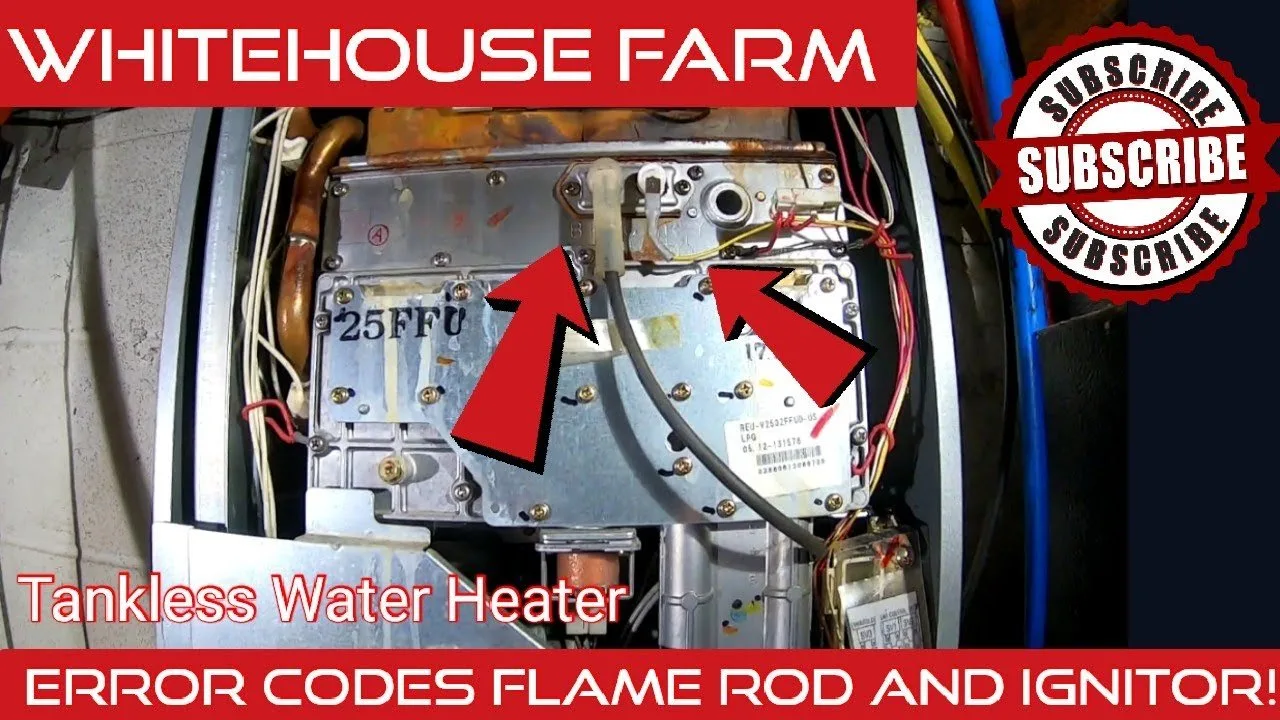
The flame sensor is a small rod that detects the presence of the fire. Over time, carbon or mineral deposits can build up on the rod, preventing it from reading the flame correctly. When this happens, the heater thinks the flame has gone out even when it’s burning, triggering the safety code. This is common in older units or areas with poor air quality that creates soot buildup. To fix this, you must access the burner chamber to gently clean the sensor rod with a fine-grit abrasive pad.
This is a delicate task that requires care to avoid damaging the ceramic insulation surrounding the rod. If you aren’t comfortable opening the unit housing, don’t attempt this. A common mistake people make is using steel wool, which leaves metal particles that can cause further ignition issues; only use a non-conductive, fine-grit pad.
If the sensor is clean and the unit still displays the error, the sensor wire might be loose or broken. Check the spade connector for signs of corrosion or a loose fit. A tight, clean connection is vital for the low-voltage signal to return to the control board.
If you have to clean the rod regularly, it indicates an issue with the quality of combustion. This frequent fouling suggests the burner is running “rich.” You should have a professional evaluate the gas-to-air ratio immediately. Ignoring this underlying imbalance often leads to premature heat exchanger failure, which is a significantly more expensive repair than a simple sensor adjustment.
When to stop and get help
-
Smell of gas: If you detect a rotten egg odor, immediately leave the home and call your gas provider or emergency services. Don’t flip light switches or use your phone until you’re safely outside.
-
Burner housing damage: If you see charred wires or melted components near the burner, stop all attempts to fix it and contact a licensed plumber. These signs indicate a dangerous overheating event that likely compromised the integrity of the heat exchanger.
-
Leaking water or gas: Any visible moisture on the gas valve or internal plumbing requires a certified technician to avoid fire or flooding risks. A small leak often signals a failing gasket that can burst under full line pressure without warning.
-
Electrical components: The internal electronics and gas valve are low-voltage or gas-sealed systems. A capacitor can hold a lethal charge even when unplugged, so never attempt to repair these parts yourself. If you lack a multimeter to verify zero voltage, stay away.
-
Persistent error: If you have checked the gas supply and cleared the vents but the error returns within five minutes, the fault lies with the circuit board or the gas control valve. These require professional diagnostic equipment to confirm.
Frequently asked questions
Does a power outage cause this error?
No, a power outage won’t cause this error, but it will cause the unit to reset. When power returns, the heater should resume normal operation. If it shows the error code after the power comes back on, it’s likely because the gas valve didn’t open correctly during the restart sequence. You can usually clear this by turning the unit off and on again at the controller.
Is it safe to keep resetting the heater?
No, you shouldn’t reset the unit more than twice if the error continues to appear. Frequent resets can cause the system to cycle the ignition sequence repeatedly, which may wear out the igniter or cause gas to build up in the venting system. If the code persists after the second reset, there’s a mechanical failure that requires professional attention.
Can I clean the burner myself?
No, you shouldn’t attempt to clean the burner assembly yourself. The burner is a precision-engineered component that requires a specific gas-to-air mixture to operate safely. Improper cleaning can lead to incomplete combustion, which produces carbon monoxide. Only a licensed professional with the correct gas pressure testing tools should service the internal burner components or the gas valve.
How long does the flame sensor last?
The flame sensor typically lasts for the life of the unit, but it may need occasional cleaning depending on your environment. If you live in an area with high humidity or use the heater heavily, carbon buildup can occur faster. If you find the sensor needs cleaning frequently, it’s a sign that the combustion process isn’t optimized, and you should have a technician check the gas pressure.
Does the error mean the unit is broken?
No, the error is a built-in safety feature designed to protect your home. It indicates that the heater has detected a condition where it can’t operate safely, such as low gas or blocked air. It’s a sign that the safety systems are functioning exactly as intended. Once the underlying cause is resolved, the unit will return to its normal, reliable operation.
Final Thoughts
If the unit still won’t stay lit after you’ve checked the gas supply, it’s time to call a professional technician. They’ll safely inspect the internal components for hidden blockages or sensor faults. Don’t try to take the heater apart yourself, as you’ll want to keep your home’s plumbing system running smoothly.
Related guides
- Tall Vs Short Hot Water Heaters: Which Is Best for Your Home?
- Ao Smith Vs Rheem Water Heaters: Which Is Best for Your Home?
- Tankless Water Heater Goes Cold After a Few Minutes? Fix It Fast