
If you own a Samsung refrigerator, you probably expect it to run quietly in the background. So when you start hearing strange sounds—humming, clicking, buzzing, or rattling—it can feel worrying. Is it a sign of a big problem? Do you need to call a repair person right away?
Or is it just normal for your fridge to make some noise? Let’s break down why your Samsung refrigerator might be making noise, what those sounds mean, and how you can fix them or know when to get help.
Why Do Samsung Refrigerators Make Noise?
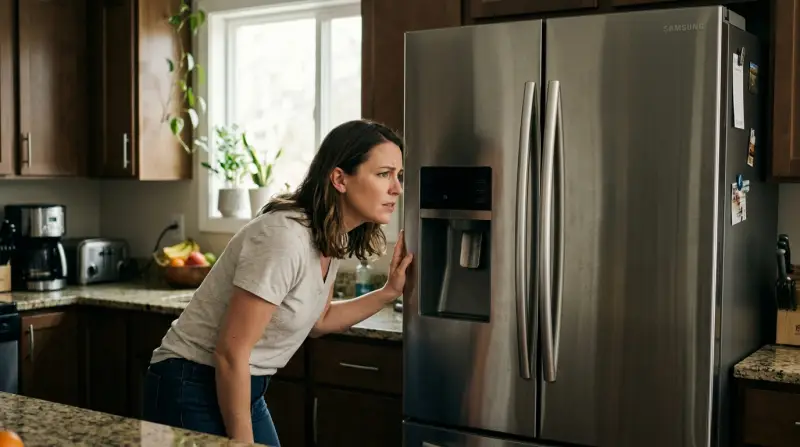
Even the best refrigerators make some noise. Compressor cycles, fans, and ice makers all create sounds as part of normal operation. Samsung, like other brands, designs refrigerators to be as quiet as possible, but a few noises are expected, especially in newer, more energy-efficient models.
Normal sounds include:
- Soft humming from the compressor
- Clicking when the temperature control turns on or off
- Gurgling or bubbling from refrigerant moving through coils
- Cracking or popping as plastic parts expand or contract with temperature changes
However, some sounds are not normal and could signal a problem. Knowing the difference can save you time, money, and stress.
Common Causes Of Unusual Noise In Samsung Refrigerators
Several issues can cause your Samsung refrigerator to become noisy. Here are the most common:
1. Faulty Or Dirty Fan
The evaporator fan circulates cold air inside the fridge and freezer. If it’s dirty or blocked, it may create a loud whirring or scraping noise. Sometimes, ice buildup can hit the fan blades, causing a repetitive “tick-tick” sound. A worn-out or damaged fan motor can also create grinding or squealing noises.
2. Ice Maker Problems
If your fridge has an automatic ice maker, it can be a source of noise. Common noises include:
- Buzzing during the water fill cycle
- Clicking as the ice maker arm moves
- Loud knocking if ice cubes jam in the tray
If you hear a repeated loud noise from the ice maker area, it may need cleaning or repair.
3. Compressor Issues
The compressor is the heart of the refrigerator, pumping refrigerant through the system. A healthy compressor will hum quietly, but a failing one may start to rattle, click, or make a loud buzz. Unusual compressor sounds often mean it’s working too hard or has an internal problem.
4. Vibration And Leveling Problems
If your refrigerator isn’t sitting flat on the floor, it might vibrate or rattle, especially when the compressor is running. Loose panels or items on top can also vibrate and add extra noise.
5. Water Line And Valve Noises
For models with water dispensers or ice makers, a clogged water line or faulty water inlet valve can cause buzzing, banging, or vibrating sounds, especially when filling the ice tray.
6. Defrost Heater Operation
Samsung fridges use a defrost heater to melt ice off the evaporator coils. During this cycle, you may hear hissing, sizzling, or popping as ice melts and drips onto the heater.
7. Other Causes
- Loose shelves or bins rattling inside the fridge
- Objects touching the rear panel of the fridge
- Expansion and contraction of plastic parts during temperature changes

Credit: www.youtube.com
How To Identify And Fix Samsung Refrigerator Noises
Now that you know the main causes, let’s go through practical steps to diagnose and fix them.
Step 1: Identify The Noise Location And Type
Listen carefully and try to locate the source of the noise. Is it coming from the back, inside, or underneath the fridge? What kind of noise is it—humming, rattling, buzzing, or clicking?
Example:
- Back of the fridge: Likely compressor or fan
- Inside, near the top: Possible evaporator fan or ice maker
- Bottom or floor: Could be vibration or something stuck under the fridge
Step 2: Check For Leveling And Loose Parts
A fridge that isn’t level can vibrate loudly. Place a bubble level on top and adjust the front leveling legs if needed. Remove any items from on top or behind the fridge that could vibrate. Check shelves and bins to make sure they’re seated properly.
Step 3: Inspect The Fan
Unplug the fridge and remove the panel covering the evaporator fan (usually inside the freezer). Look for ice buildup, dirt, or obstructions. If there’s ice, let it defrost completely. Clean any debris from the fan blades. If the fan is damaged or still noisy, you might need to replace it.
Step 4: Examine The Ice Maker
Turn off the ice maker and listen if the noise stops. Check for stuck ice cubes or build-up in the tray. Clean the ice maker and ensure the arm moves freely. If the noise continues, the motor or water valve may need service.
Step 5: Check The Compressor
A compressor that rattles or clicks loudly may be failing. Unfortunately, compressor repair is complex and usually requires a professional. However, some clicking is normal as the compressor turns on and off.
Step 6: Inspect Water Lines And Valves
For fridges with water features, check for kinks or blockages in the water line. Listen for banging or vibrating during ice maker cycles. If the water inlet valve is noisy, it may need cleaning or replacement.
Step 7: Clear The Area And Defrost
Make sure nothing is touching the back or sides of the fridge. If you suspect ice buildup is causing noise, unplug the fridge and allow it to defrost fully (usually 24 hours). This can solve many fan and airflow-related noises.
Comparing Normal Vs. Problematic Samsung Refrigerator Noises
Understanding what’s normal and what’s not can save you unnecessary worry. Here’s a quick comparison:
| Noise Type | Normal | Problematic |
|---|---|---|
| Humming | Soft, steady (compressor) | Loud, constant or vibrating |
| Clicking | Occasional (defrost, compressor) | Frequent, rapid, or very loud |
| Buzzing | Brief (water fill, ice maker) | Continuous or harsh |
| Rattling | None (unless shelf is loose) | From back or underneath |
| Popping/Cracking | Occasional (expansion) | Loud, repeating, with cooling problems |
When To Call A Professional For Refrigerator Noise
Some noises mean you need expert help. If you notice any of these, call a qualified technician:
- Loud, ongoing buzzing from the compressor
- Clicking with no cooling (fridge is warm)
- Burning smells or visible smoke
- Loud banging when water fills or ice drops
- Noisy fan even after cleaning and defrosting
If your fridge is under warranty, contact Samsung support before trying any major repairs.
Cost Comparison: Diy Fixes Vs. Professional Repair
How much will it cost if you need to fix a noisy Samsung refrigerator? It depends on the problem:
| Problem | DIY Cost (parts/tools) | Pro Repair Cost (estimate) |
|---|---|---|
| Leveling/loose shelves | $0 (just adjust) | $50–$100 (service call) |
| Fan cleaning/replacement | $20–$60 | $120–$250 |
| Ice maker repair | $30–$100 | $150–$300 |
| Water valve replacement | $40–$80 | $120–$200 |
| Compressor replacement | Not recommended | $500–$900 |
DIY is cost-effective for simple fixes, but major repairs like compressors should always be handled by professionals.

Credit: diy.stackexchange.com
How To Reduce Noise In Your Samsung Refrigerator
While you can’t make your fridge totally silent, these steps can help lower noise:
- Level the fridge: Use the adjustable feet to make sure it sits flat.
- Space around the fridge: Keep a few inches of space on all sides for air circulation.
- Avoid overloading shelves: Too much weight can cause shelves or bins to rattle.
- Clean fans and vents regularly to prevent dust buildup.
- Check ice maker settings: Turn off if you don’t use it often.
One tip many people miss is to place a thin rubber mat under the fridge. This absorbs vibrations and makes the whole unit quieter. Also, make sure your fridge isn’t touching the wall or cabinets, as this can amplify vibrations.
Preventive Maintenance For A Quieter Refrigerator
Regular maintenance keeps your Samsung fridge running quietly and efficiently. Here’s what to do:
- Vacuum the coils at least twice a year (located at the back or underneath)
- Clean the door seals to prevent air leaks and extra compressor work
- Check for ice buildup in the freezer and defrost as needed
- Run the ice maker cleaning cycle if your model has one
These simple habits not only reduce noise but also extend the life of your fridge.
Examples: Real-world Samsung Refrigerator Noise Issues
Let’s look at two real examples:
Case 1: A family in Texas heard a loud rattling every time the fridge door closed. The cause? A loose shelf vibrating against the side panel. Tightening the shelf brackets solved the problem.
Case 2: A Samsung French-door model in Florida developed a loud buzzing noise. After some investigation, the owner found ice had built up around the evaporator fan. A full defrost cleared the ice, and the fridge ran quietly again.
Small noises can have simple fixes, but it’s important to act early to avoid bigger problems.
The Value Of Warranty And Customer Support
If your Samsung refrigerator is still under warranty, take advantage of free support. Attempting major repairs yourself can void your warranty. Samsung’s official support team can guide you through simple troubleshooting or send a technician if needed. For more details on warranty terms and support, visit the official Samsung Support site.
Frequently Asked Questions
Why Is My Samsung Refrigerator Suddenly Making A Loud Noise?
A sudden loud noise often means something has changed, like ice buildup on the fan, a loose part, or a blocked water line. Check for visible ice, make sure shelves are secure, and listen for where the sound is coming from.
Is It Normal For The Samsung Fridge To Make Popping Or Cracking Sounds?
Yes, popping and cracking are common as the fridge cools down or defrosts. These sounds come from plastic parts expanding or contracting and are usually not a problem unless they’re very loud or frequent.
How Do I Reset My Samsung Refrigerator After Fixing A Noise Issue?
You can reset most Samsung fridges by unplugging them for 5–10 minutes and then plugging them back in. Some models have a dedicated reset button—check your user manual for details.
What Should I Do If The Noise Gets Worse Over Time?
If the noise increases or is joined by other issues (like the fridge not cooling properly), stop using the appliance and call a professional. Delaying repairs can lead to more expensive damage.
Can Using A Surge Protector Help Reduce Refrigerator Noise?
A surge protector won’t reduce mechanical noise, but it can protect your fridge’s electronics from power spikes. For noise reduction, focus on leveling, cleaning, and checking for loose parts.
A noisy refrigerator can be annoying, but with a little knowledge and regular care, most sounds are easy to fix or prevent. Acting quickly when you hear something new can help keep your Samsung fridge running smoothly for years.
1 thought on “Samsung Refrigerator Making Noise: Top Fixes and Expert Tips”