
The most common Maytag Mvwc565Fw1 problems involve error codes related to the lid lock or sensing cycle, often caused by moisture or physical obstruction. You can confirm these issues by checking the blinking light patterns on the console against the official Maytag troubleshooting guide. A solid light usually indicates a sensor error, while a flashing light often points to a mechanical lock failure.
Common Maytag washer problems
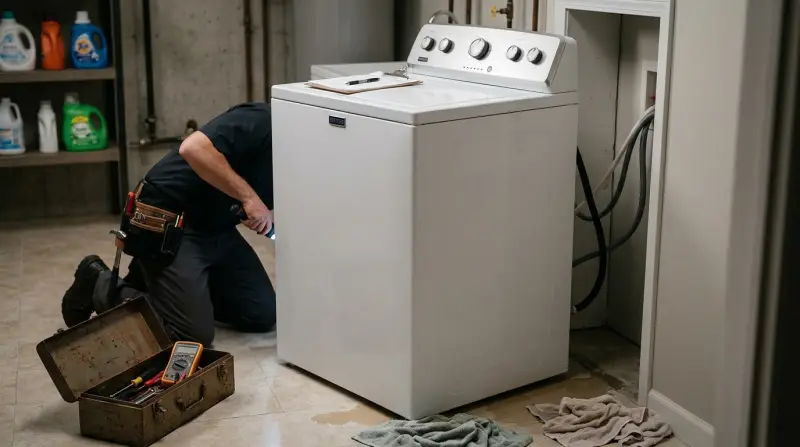
| Cause | How common | How to confirm it | Fix it yourself? |
|---|---|---|---|
| Lid lock failure | Very common | Blinking status light | Yes with care |
| Unbalanced load | Common | Excessive shaking | Yes |
| Water inlet clog | Moderate | Slow fill time | Yes |
| Sensor calibration | Moderate | Odd cycle times | Yes |
| Drain pump debris | Rare | Standing water left | Yes with care |
| Control board fault | Very rare | Blank display panel | No |
Most users mistake a faulty lid switch for a broken motor. If the machine hums but refuses to tumble, check the door latch for physical debris. A simple cleaning with a damp cloth often restores the electrical contact.
If your washer vibrates violently, the load is likely uneven. Distribute heavy items evenly around the drum to maintain balance. If the machine still shakes, verify the leveling feet are touching the floor.
Slow fill times usually point to sediment buildup in the inlet screens. Turn off the water supply and unscrew the hoses to inspect the mesh filters. If you see white mineral deposits, soak the screens in vinegar for thirty minutes. This simple maintenance step prevents premature valve failure and saves you a costly service call.
Lid lock failure mechanics
The lid lock mechanism is a safety feature that prevents the drum from spinning while the door is open. If the sensor fails to register the door as locked, the machine will pause the cycle to prevent potential injury. You can confirm this by checking if the “Lid Lock” light is flashing rhythmically. If the light flashes, the control board isn’t receiving the signal that the latch has engaged.
To fix this, first unplug the machine for one minute to reset the board. If the error returns, inspect the latch area for any lint, coins, or small clothing items that might block the metal hook. If you find debris, remove it with a pair of tweezers. If the latch is clear but the error persists, the switch itself may have worn out. This varies by model — check the label inside the lid for the exact part number before searching for a replacement. Replacing the switch requires removing the top console, which takes about 30 minutes of careful work. If you aren’t comfortable working with electrical components, contact a professional. This isn’t for anyone who hasn’t performed minor appliance repairs, as a mistake here can lead to a damaged control board. If the unit is under warranty, don’t attempt a repair yourself, as it voids your coverage.
Unbalanced loads and sensing errors
An unbalanced load happens when heavy items like blankets or rugs clump to one side of the drum. This causes the machine to stop spinning to prevent the tub from banging against the frame. You’ll notice the washer pausing mid-cycle or filling with water again to try and redistribute the weight.
If your machine is stuck in this loop, open the lid and manually spread the clothes out. If you have one heavy item, add a few smaller towels to balance the drum. If the machine is on an uneven floor, it will struggle with this every time. Use a bubble level on the top of the washer to ensure all four feet are touching the floor firmly. The trade-off is that a perfectly level machine is quieter, but it takes about 15 minutes to adjust the legs correctly. A mistake people often make is leaving the shipping bolts in the back of the unit, which costs them the entire suspension system over time. Always check that the drum moves freely by hand before you start a load. This isn’t for users who can’t lift the unit to access the leveling legs underneath.
Water inlet and flow restrictions
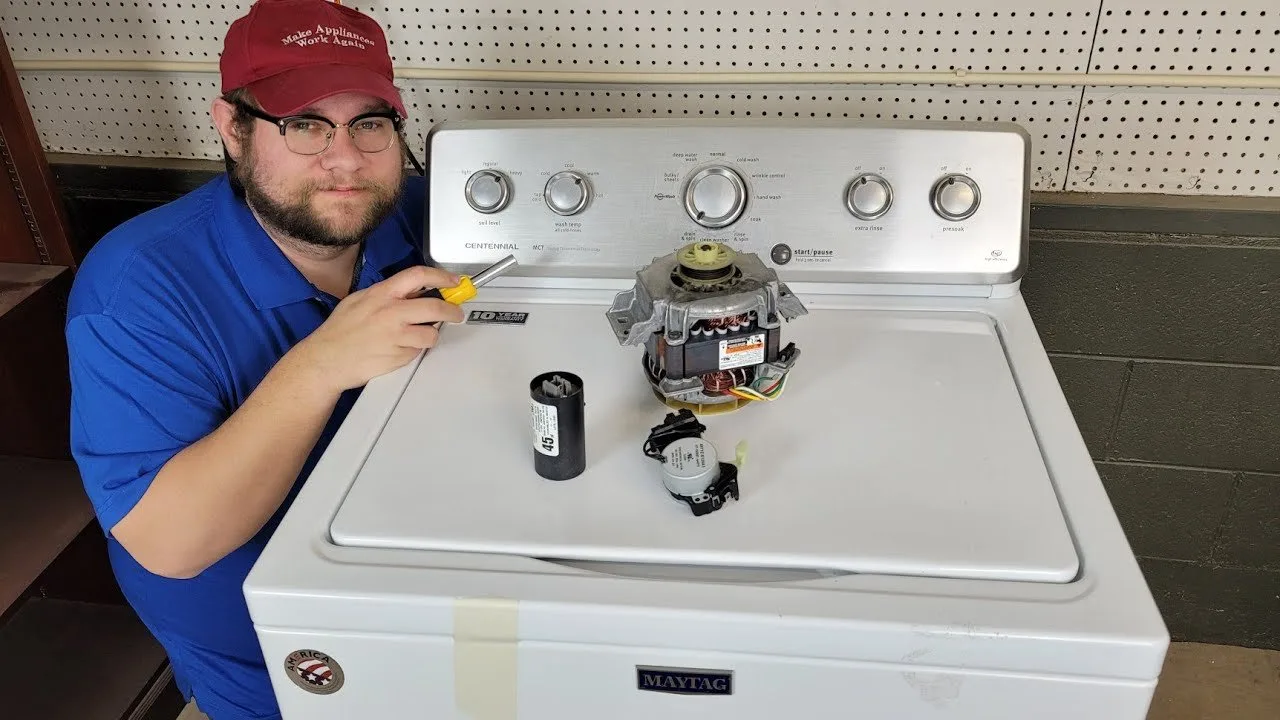
Water inlet clogs occur when sediment from your home’s plumbing builds up in the mesh screens behind the hose connections. This reduces the water flow, causing the machine to take longer than usual to fill. You can confirm this by timing how long it takes for the tub to reach the expected level; if it takes more than 10 minutes, your flow is restricted.
To fix this, turn off the water supply valves at the wall. Unscrew the hoses from the back of the washer and look into the inlet valves. You’ll see small plastic screens. Use a soft brush to clean any white or brown buildup from these screens. If the screens are damaged, you must replace the inlet valve assembly. This takes about 20 minutes if you have a pair of pliers and a clean bucket to catch the water in the hoses. If you live in an area with “hard” water, you should check these screens regularly to prevent a total blockage. If you see water leaking from the connection, ensure the rubber washer inside the hose isn’t cracked or missing. If you’re unsure about your home’s water pressure, check it at a nearby sink to see if the issue is the machine or the house plumbing.
The less likely causes
-
Drain pump debris: A small object like a coin or hair pin is stuck in the pump filter, preventing water from leaving the tub. This requires removing the front panel. If you hear a persistent humming sound but no water drains, you’re dealing with a physical obstruction rather than a failed pump motor.
-
Control board fault: The electronic brain of the washer has failed, which shows as a blank or flickering display. This requires a qualified service technician. Don’t attempt a DIY repair here, as you risk shorting the board further or triggering a fire hazard.
-
Faulty water level pressure switch: The tube that senses water depth has become disconnected or pinched, leading to overfilling. Check the clear plastic hose for kinks. If the machine continues to fill past the door seal, shut off the water supply immediately to prevent flooding.
-
Loose drive belt:
What a fix usually involves
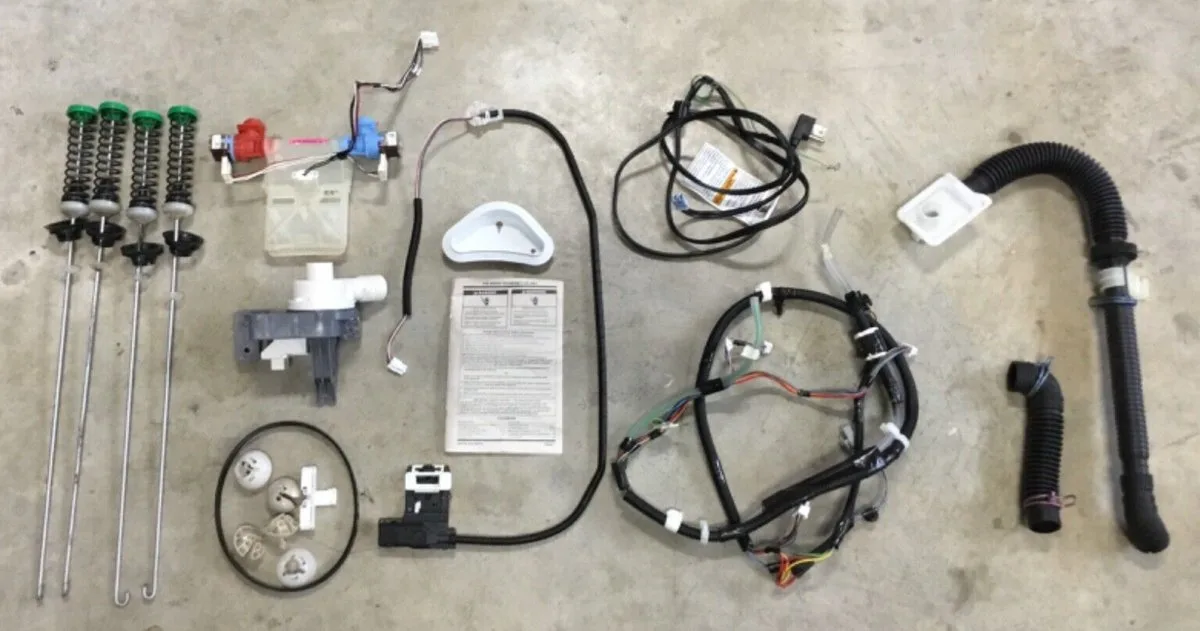
Most fixes for this machine require basic household tools like a screwdriver, pliers, and a spirit level. The time required varies from 15 minutes for a simple balance adjustment to an hour for replacing a lid lock switch.
If you need a part, it’s usually a small component that costs a fraction of a new machine. You should prioritize original manufacturer parts for critical components like sensors or pumps, as generic alternatives often lack the precise calibration needed for internal electronics. Using a generic part in a high-voltage circuit can trigger a short, effectively frying the control board and turning a simple repair into a total loss.
You can find the exact part numbers you need by looking at the sticker on the back or inside the lid of your washer. Always cross-reference this number against the official manual for your specific serial number. If the manual lists the task as “professional only,” don’t attempt it.
A common mistake is assuming that a rattling noise always indicates a loose part. If the machine vibrates excessively even after leveling, the issue is likely a worn suspension rod rather than a loose bolt. If you’re still unsure, contact the manufacturer’s support line to get a quote for a service visit in your area.
Frequently asked questions
Can I reset my Maytag washer?
Yes, you can reset the machine by unplugging it from the power source for exactly one minute. This clears the temporary memory of the control board and often resolves minor software glitches or “frozen” cycle issues. If the error code returns immediately after plugging it back in, there’s a mechanical issue that a reset won’t fix.
Why is my washer not spinning?
The most likely reason is an unbalanced load, which triggers a safety sensor to stop the spin cycle. Open the lid to check if the clothes are bunched up on one side of the drum. If the load is balanced and it still won’t spin, the lid lock switch or the drive belt may be broken and require a physical inspection.
How long should a wash cycle take?
A standard load typically takes about 50 to 60 minutes to complete. If your cycles are consistently lasting longer than 90 minutes, the machine is likely struggling to sense the load or fill with water properly. Check your inlet hoses for clogs and ensure the drain hose isn’t pushed too far into the standpipe.
Is it safe to use the machine with a blinking light?
No, it isn’t recommended to use the machine while an error light is blinking. The light indicates that the system has detected a fault, and continuing to run it may cause further damage to the motor or the control board. Address the specific error code indicated by the light pattern before you run another load.
What happens if I ignore the lid lock error?
If you ignore a lid lock error, the machine will refuse to start or will stop mid-cycle, leaving you with a tub full of wet, soapy clothes. The washer is programmed to prioritize safety; if it can’t confirm the lid is locked, it won’t engage the high-speed spin. You must fix the latch or the sensor to restore functionality.
Does it matter what detergent I use?
Yes, you must use high-efficiency (HE) detergent in this washer. Using regular soap creates too many suds, which can confuse the water sensors and leave a residue on your clothes. Always follow the amount recommended on the detergent bottle, as using too much soap often leads to sensor errors and poor cleaning results.
Final Thoughts
If your machine still won’t start after you’ve checked these parts, it’s time to call a professional technician. Don’t let a small glitch turn into a bigger headache. Reach out to a local repair service today so you can get back to your laundry routine without any more stress.