
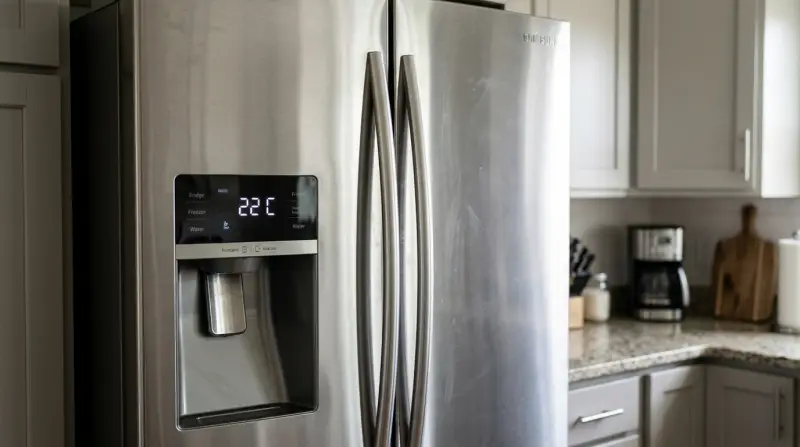
A faulty damper motor or stuck air duct is the most common cause of Samsung Refrigerator Error Code 22C, which indicates a failure in the fan circuit moving air to the fridge. While generally safe to use, your food may spoil due to inadequate cooling. If you hear silence when the door is open, the motor is likely stalled.
What the sign is telling you
| What you notice | What it usually means | What to do first |
|---|---|---|
| Fridge getting warm | Damper motor failure | Check for ice buildup |
| Loud clicking sound | Stuck damper flap | Clear surrounding items |
| Error code persists | Electronic control fault | Power cycle the unit |
| No air movement | Fan motor failure | Inspect the duct |
| Frost near vents | Air leak | Check door seals |
| Ice inside fridge | Blocked airflow path | Defrost the unit |
If your fridge warms up, look for ice blocking the damper first. If the motor hums but the flap stays shut, the motor is likely dead. Replacing it’s a cheap part, but you must unplug the unit for at least ten minutes before touching the internal wiring.
A loud clicking sound often indicates the flap is hitting an obstruction. If you clear the shelf and the sound continues, the plastic housing may be warped. Don’t force the flap open manually. You risk snapping the plastic gears, which turns a simple clearing task into a full assembly replacement.
When you see frost near the vents, check the door seals using a dollar bill. Close the door on the bill; if it slides out with zero resistance, the gasket has lost its suction. Replace the seal immediately to prevent the compressor from burning out.
If you power cycle the unit to clear an error code, wait exactly five minutes before plugging it back in. This allows the capacitors to fully discharge. If the code returns instantly, the control board is faulty and requires professional diagnostics.
Damper motor airflow blockage
The damper motor acts as a gatekeeper, opening and closing to allow chilled air from the freezer into the fresh food compartment. When this gate gets stuck due to ice buildup or a mechanical failure, the internal sensors detect the lack of airflow and trigger the alert. You can confirm this by removing the shelves and drawers near the back wall of the fridge. If you see visible frost or ice blocking the small air vent at the top or back, the motor can’t move the flap.
To distinguish between a simple freeze-up and a failed motor, listen for a faint clicking sound when you adjust the temperature setting. If you hear the motor whirring but the flap remains stationary, the internal gears are stripped. If the unit is silent, the motor has likely burned out.
To fix this, perform a manual defrost. Unplug the refrigerator for at least 24 hours while leaving the doors open to allow all ice to melt completely. If the motor is simply jammed by ice, it will operate normally once the path is clear.
Many owners make the mistake of using a hairdryer to speed up the melting process. This often warps the plastic housing or melts the delicate internal seals, leading to permanent air leaks. If you find the damper is physically broken or the housing is cracked, the part requires replacement. This varies by model; check the label on the side of the fridge for your specific serial number before ordering parts. If you aren’t comfortable disassembling the interior trim, contact a professional to avoid damaging the plastic clips. This isn’t for those who lack basic tools, as forcing the vent cover can snap the mounting tabs permanently.
Electronic control board failure
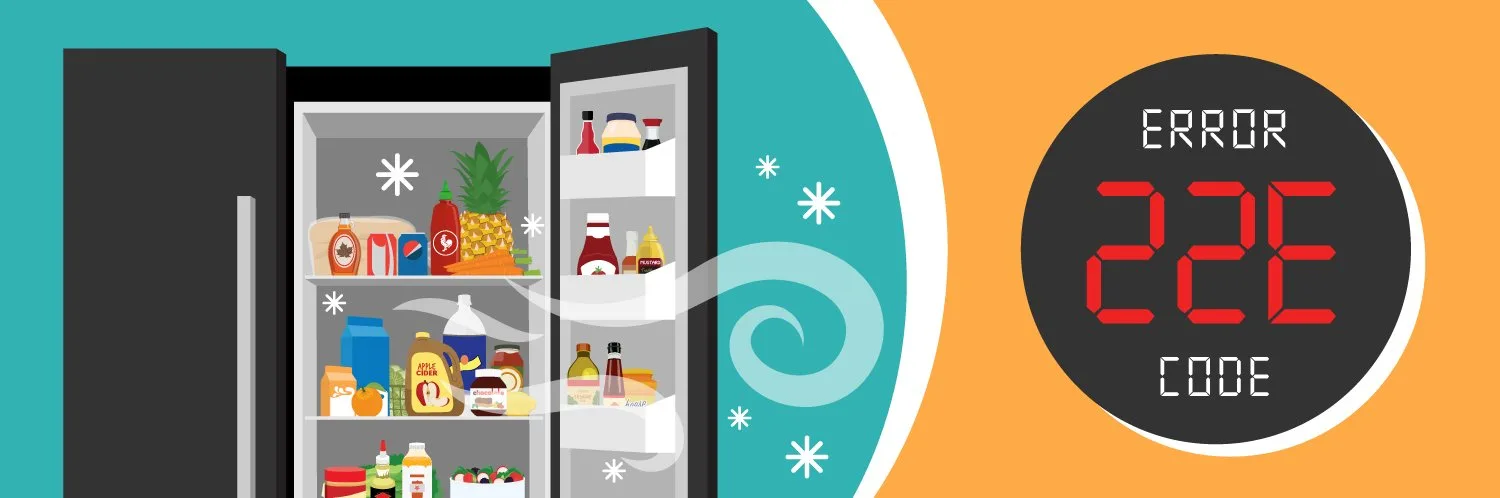
The main control board sends the signal to the damper motor to open or close based on temperature readings. If the board fails to send this signal, the damper remains stuck in one position regardless of the temperature. You can tell this apart from a mechanical blockage because the vent will remain closed even after the fridge has been fully defrosted and dried.
To check for this, perform a hard reset by unplugging the unit for 10 minutes, then plugging it back in to force a system reboot. If the error code returns immediately while the fridge is empty and free of ice, the control board is likely failing to communicate with the damper.
Many owners mistakenly assume a stuck damper is always a mechanical issue, leading them to waste hours using hair dryers to melt non-existent ice. If you hear no clicking sound from the damper motor during the reboot sequence, the board isn’t sending the 12-volt signal required to actuate the motor.
This is a trade-off: you can attempt to reset the system, but if the internal relay on the board is fried, no amount of button-pressing will solve the issue. If the error stays on the screen after a reset, you need a technician to test the voltage at the damper connection. Don’t attempt to open the control board housing yourself, as the internal capacitors can hold a dangerous electrical charge even when the power is disconnected. If the board shows visible burn marks or smells of ozone, replace the control board to prevent a potential fire hazard.
Sensor and wiring connection issues
A loose wire or a faulty temperature sensor can lead the system to report a false error code. Sensors monitor the air temperature and tell the board when to move the damper; if the sensor sends a bad reading, the system assumes the damper is the problem. You can distinguish this from a mechanical failure because the fridge temperature might fluctuate wildly or show strange readings on the display panel.
If your display shows a temperature like -40 or 99 degrees, the sensor has likely failed open or shorted. A mechanical damper failure, by contrast, usually results in a steady, warm temperature despite the compressor running constantly.
The fix involves checking the wiring harness for any signs of corrosion or disconnected plugs near the hinge or the back panel. According to the official Samsung support guide, you should inspect the wire harness for damage if the error code doesn’t clear after a standard power cycle.
Many owners mistakenly replace the entire damper assembly first. This is often less than a new unit and takes hours of labor, yet it fails to resolve the issue if the culprit is a corroded connector. Always test for continuity with a multimeter before buying parts. If the wires are intact, the sensor itself may need to be replaced. This is a delicate process, as the sensor wires are thin and easily damaged. If you find no issues with the wiring, it’s time to stop and call for service.
When to stop and get help
-
Sparking or burning smells: Stop immediately. This indicates a short circuit creating a fire risk. If you smell burning plastic or notice electrical arcing, pull the plug or flip the breaker instantly. Don’t attempt to restart the unit, as the heat can melt surrounding insulation and cause a structural fire.
-
Frozen display panel: If buttons remain unresponsive after a hard power cycle—leaving the unit unplugged for ten minutes—the control board is fried. This requires expert diagnostics to determine if the board is salvageable or needs a full replacement.
-
Damaged power cord: Never attempt to repair or splice a power cord with electrical tape. A compromised cord has increased resistance, which generates enough heat to ignite nearby surfaces. Call a licensed electrician or appliance repair technician to replace the entire cord assembly.
-
Internal sealed system access: If you must access the sealed refrigerant lines, you must hire a certified professional. Handling refrigerants requires specialized EPA-certified equipment and legal licensure. Attempting this yourself isn’t just dangerous; it’s a federal violation that can lead to significant fines and permanent damage to the compressor.
Frequently asked questions
Can I keep using my fridge with this code?
Yes, you can keep using the fridge, but you should move sensitive items like meat or dairy to the freezer or a cooler. The code means your fridge section isn’t receiving cold air, so food will spoil faster than usual. It’s safe to run the unit while you wait for parts, provided the freezer section is still maintaining a safe temperature for your frozen goods.
How long does a manual defrost take?
Leave the doors open until the ice has melted. If you try to speed this up with a hairdryer, you risk melting the plastic liner or damaging the sensors. Always place towels on the floor to catch the water as the ice melts.
Is it safe to replace the damper motor myself?
Yes, it’s safe if you’re comfortable with basic household repairs and have the right replacement part for your model. You must unplug the unit before starting any work. If you find the screws are stripped or the housing is fused to the wall, stop and call a professional to avoid breaking the plastic interior trim, which is very expensive to replace.
Why does the code come back after I reset it?
The code returns because the underlying mechanical or electrical fault is still present. A reset only clears the memory of the error; it doesn’t fix a broken motor or a bad sensor. If the code reappears within minutes of plugging the unit back in, the system has detected the same failure again and requires a physical repair of the components.
Does the error code affect the freezer?
No, the error code specifically refers to the airflow between the freezer and the fridge. Your freezer should continue to function normally, as the cooling system for the freezer is separate from the damper mechanism. If your freezer is also failing to cool, you have a more serious issue with the compressor or the sealed system, which requires a professional repair technician.
How do I check my specific model number?
You can find your model number on the rating label located inside the refrigerator compartment on the left or right wall. Look for a sticker that lists the “Model Code” or “Model Number” followed by a series of letters and numbers. Use this exact code when searching for replacement parts on the official manufacturer website to ensure you get the correct component for your specific build.
Final Thoughts
If these quick checks don’t get the cold air flowing again, it’s best to call a professional technician. They’ll have the right tools to test the internal wiring safely. Don’t wait too long, as you don’t want your groceries to go to waste while the fridge isn’t cooling properly.