
When your GMC Acadia temperature gauge stops working, it can be worrying. The temperature gauge is a simple tool on your dashboard, but it tells you if your engine is safe or overheating. If this gauge fails, you lose a key warning sign. Driving without it can lead to engine damage, high repair costs, and even dangerous breakdowns. In this article, we’ll look at why the temperature gauge might not work, how to check and fix it, and what you should do next.
Why The Temperature Gauge Matters
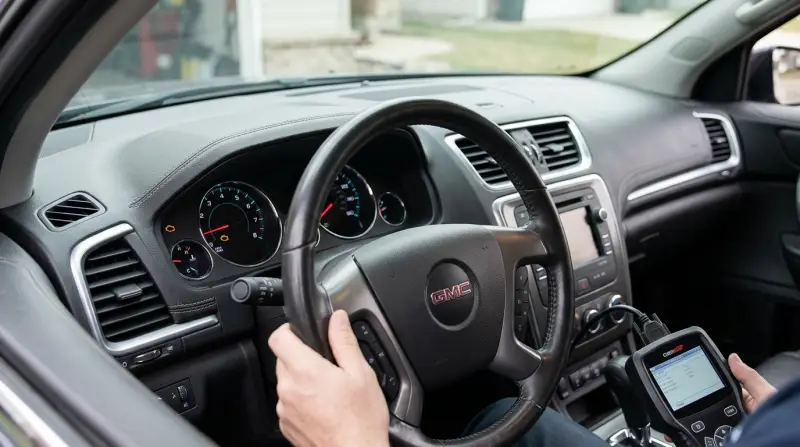
The temperature gauge is not just another dashboard display. It helps you:
- Know if your engine is running at the right temperature.
- Spot overheating before it causes damage.
- Prevent breakdowns and expensive repairs.
A working temperature gauge is especially important in the GMC Acadia, a midsize SUV known for its reliability but also for some electrical issues. Without this gauge, you may not notice problems until it’s too late.
Common Reasons For A Broken Temperature Gauge
Understanding the cause is the first step to fixing the gauge. Here are the most frequent reasons your GMC Acadia temperature gauge might not work:
- Faulty coolant temperature sensor: This sensor measures the engine’s temperature and sends the signal to the gauge. If it fails, the gauge gets wrong or no information.
- Wiring issues: Damaged, loose, or corroded wires between the sensor and the gauge can break the signal.
- Blown fuse: The gauge needs power. If its fuse blows, it won’t work.
- Bad gauge itself: Sometimes, the gauge mechanism fails due to age or electrical issues.
- Low coolant levels: If there’s not enough coolant, the sensor may not read correctly.
- ECU (Engine Control Unit) problems: The ECU processes temperature data. If it malfunctions, the gauge might not show the right reading.
- Instrument cluster failure: Rare, but the whole dashboard may stop working if the cluster fails.
Here’s a quick comparison showing how often these issues appear in GMC Acadia models (based on dealership reports):
| Problem Type | Frequency (out of 100 cases) | Repair Complexity |
|---|---|---|
| Coolant Temperature Sensor | 35 | Medium |
| Wiring Issues | 25 | High |
| Blown Fuse | 15 | Low |
| Bad Gauge | 10 | Medium |
| Low Coolant | 8 | Low |
| ECU Issues | 5 | High |
| Instrument Cluster Failure | 2 | Very High |

Credit: www.youtube.com
How To Diagnose The Problem
If your Acadia temperature gauge is not working, you can check a few things before visiting a mechanic. Here’s a step-by-step approach:
Step 1: Check The Coolant Level
Open the hood when the engine is cool. Look at the coolant reservoir. If it’s below the minimum line, add coolant. Low coolant can cause false readings.
Step 2: Inspect The Fuse
Locate the fuse box (usually under the hood or near the dashboard). Find the fuse for the temperature gauge or instrument cluster. Use the owner’s manual if needed. If the fuse is burned out, replace it with one of the same rating.
Step 3: Examine The Wiring
Check the wires connecting the coolant temperature sensor to the gauge. Look for visible damage, loose connections, or corrosion. If you see problems, fix or replace the wires.
Step 4: Test The Coolant Temperature Sensor
The sensor is usually near the thermostat housing. Use a multimeter to test its resistance. If it’s outside the normal range (usually 2,000–3,000 ohms at room temperature), it’s likely faulty.
Step 5: Scan For Ecu Errors
Modern vehicles have an OBD-II port. Plug in a scanner to see if there are error codes related to the temperature gauge, sensor, or ECU. Common codes include P0118 (sensor circuit high) or P0128 (coolant thermostat).
Step 6: Inspect The Gauge And Instrument Cluster
If the above steps don’t solve the issue, the gauge or instrument cluster may need replacement. This is more complex and usually requires a professional.
Here’s a table summarizing which tools you need for each step:
| Diagnostic Step | Tool Needed | Difficulty |
|---|---|---|
| Check Coolant | None | Easy |
| Inspect Fuse | Fuse puller | Easy |
| Examine Wiring | Flashlight, screwdriver | Medium |
| Test Sensor | Multimeter | Medium |
| Scan ECU | OBD-II scanner | Medium |
| Check Gauge | None/special tools | Hard |
Fixing The Temperature Gauge: What To Do Next
Once you know the cause, you can decide whether to fix it yourself or get help. Here’s what you can do for each problem:
Coolant Sensor Replacement
If the sensor is bad, buy a new one (about $20–$50). Disconnect the battery, unplug the sensor, and install the new one. Make sure to top up coolant if needed.
Fuse Replacement
Changing a fuse is easy. Buy the right fuse (usually $2–$5), pull out the old one, and insert the new one.
Wiring Repair
Wiring issues can be tricky. If you see a broken wire, use electrical tape or replace it. If wires are corroded, clean the contacts. For bigger wiring issues, see a mechanic.
Gauge Or Instrument Cluster Replacement
Replacing the gauge itself is hard and expensive ($200–$600 for parts and labor). Most people let professionals handle this.
Ecu Problems
If your ECU is faulty, it often needs special tools and programming. This is not a DIY job. Repairs can cost $300–$800.
Low Coolant
Simply add the correct coolant (about $10–$20). Never use water only; always use the recommended type.
Here’s a cost comparison table for common fixes:
| Repair | DIY Cost | Professional Cost |
|---|---|---|
| Sensor Replacement | $20–$50 | $70–$150 |
| Fuse Replacement | $2–$5 | $15–$30 |
| Wiring Repair | $10–$40 | $50–$120 |
| Gauge Replacement | $200–$400 | $400–$600 |
| ECU Repair | N/A | $300–$800 |
| Add Coolant | $10–$20 | $20–$40 |
Credit: www.acadiaforum.net
Two Insights Most Beginners Miss
- Sensor location changes: Many people assume the coolant temperature sensor is always in the same spot. In the GMC Acadia, it can be hidden under hoses or near the thermostat. Always check the manual or search online for the exact location.
- Multiple sensors: Some Acadia models have two coolant sensors—one for the gauge, one for the ECU. Replacing the wrong sensor won’t fix the gauge. Double-check which one you need.

When To See A Mechanic
If you try the steps above and the gauge still doesn’t work, it’s best to visit a professional. Warning signs you shouldn’t ignore:
- The temperature gauge doesn’t move at all, even after repairs.
- You see dashboard warning lights (like “Check Engine”).
- The engine overheats or makes strange noises.
- You notice electrical smells or burning.
A mechanic can run advanced diagnostics and check for hidden issues.
Preventing Future Problems
To keep your GMC Acadia temperature gauge working:
- Check coolant levels every month.
- Inspect wires and fuses during regular maintenance.
- Use the right coolant type for your Acadia.
- Avoid rough driving, which can shake loose connections.
- Keep your battery and electrical system healthy.
Regular maintenance helps you spot issues early and avoid big repair bills.
Frequently Asked Questions
What Happens If I Drive With A Broken Temperature Gauge?
Driving without a working temperature gauge is risky. You won’t know if your engine is overheating, which can lead to serious damage. It’s best to fix the gauge before driving long distances.
How Do I Find The Coolant Temperature Sensor In My Acadia?
Check your owner’s manual for the exact location. Usually, it’s near the thermostat housing or on the engine block, but the position can change depending on the engine type.
Can I Fix The Temperature Gauge Myself?
If the problem is a blown fuse or low coolant, most people can fix it. For wiring, sensor, or gauge replacement, basic tools and knowledge help. For ECU or instrument cluster issues, see a mechanic.
Are Temperature Gauge Problems Common In Gmc Acadia?
Dealership reports suggest that sensor and wiring issues are fairly common in the Acadia, especially models from 2012–2017. Regular checks can help prevent failures.
Where Can I Find More Information About Acadia Repairs?
For detailed guides and diagrams, visit GM’s official service website. It covers all GMC models and offers expert advice.
A working temperature gauge is a small but vital part of your GMC Acadia’s safety. Fixing it may seem hard, but with the right steps, you can solve most problems yourself. If unsure, always trust a professional. By staying alert and doing regular checks, you’ll keep your Acadia running smoothly and avoid costly surprises.