
If your Bosch dishwasher is leaking, you’re not alone. Many people face this frustrating problem, but with the right guidance, you can often solve it without calling a technician. Bosch is known for reliable, high-quality dishwashers, but leaks can still happen due to wear, blockages, or installation issues. Understanding why leaks start and how to fix them will help you avoid water damage, higher bills, and even bigger repairs.
Below, you’ll find clear explanations of the main causes of Bosch dishwasher leaks, how to identify the source, step-by-step repair advice, prevention tips, and answers to common questions. This guide is written for everyday users—no complex language or technical jargon—so you can get your dishwasher working again with confidence.
Why Is My Bosch Dishwasher Leaking?
A leaking dishwasher can leave puddles on your kitchen floor, damage cabinets, and even cause mold. It’s important to find the reason quickly. Here are the most common causes specific to Bosch dishwashers:
- Faulty Door Gasket: The rubber seal around the door keeps water inside. If it gets old, cracked, or dirty, water can escape.
- Clogged or Damaged Spray Arm: Spray arms can get blocked by food or debris, causing water to spray in the wrong direction.
- Loose or Broken Hoses: Bosch dishwashers use several hoses. If any are loose, cracked, or not properly attached, leaks may follow.
- Detergent Issues: Using the wrong soap or too much detergent creates excess suds, which can push water out of the machine.
- Drainage Problems: If the drain filter, pump, or hose is blocked, water can back up and overflow.
- Faulty Water Inlet Valve: This controls water flow into the dishwasher. If it fails, water might leak even when the machine is off.
- Cracked Tub or Sump: In rare cases, the dishwasher’s base can crack, especially if it’s old or has been overloaded.
How To Identify The Source Of The Leak
Finding exactly where the leak is coming from saves time and effort. Here’s a practical process:
- Turn Off Power and Water: Always unplug the dishwasher and turn off the water supply before inspection.
- Wipe Down the Area: Dry the outside and inside of the dishwasher. This makes it easier to spot fresh leaks.
- Run a Short Cycle: Watch closely as the dishwasher runs. Look for drips under the door, at the back, or from underneath.
- Check for Water Trails: Trace any visible water back to its highest point. Water flows down, so the source will be above where you see puddles.
Spotting Common Leak Locations
| Leak Location | Likely Cause |
|---|---|
| Front bottom of door | Worn door gasket, clogged spray arm |
| Underneath the unit | Loose hoses, cracked tub, drain pump issue |
| Back of dishwasher | Leaky water inlet valve or supply hose |
| Inside when opening door | Clogged filter, excess suds, spray arm |
Knowing the area helps you focus your repair efforts for a quicker fix.
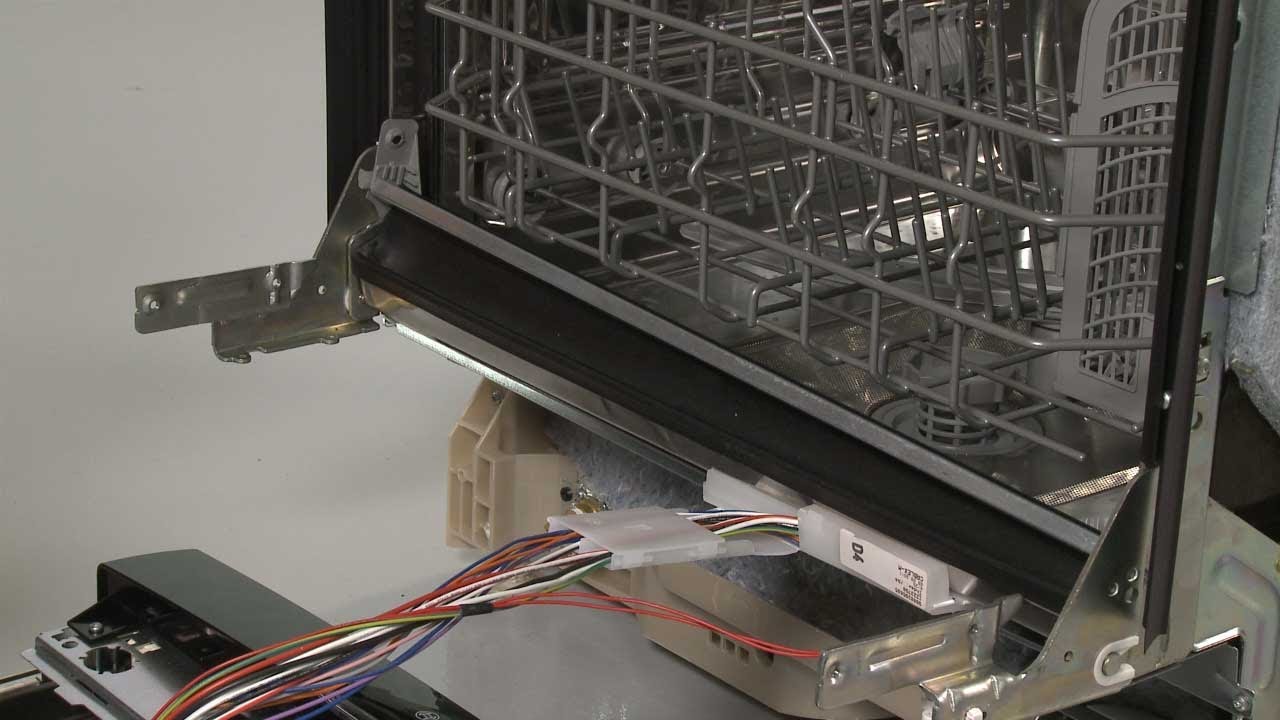
Step-by-step Solutions For Bosch Dishwasher Leaks
Before you start, always disconnect power and water for safety. Here’s how to fix the most common issues:
Fixing A Faulty Door Gasket
- Inspect the Gasket: Open the door and look for cracks, splits, or debris on the rubber seal.
- Clean: Wipe the gasket with a soft cloth and warm, soapy water. Remove any food or buildup.
- Replace if Needed: If you see damage, buy a Bosch-compatible replacement gasket. Pull out the old one and press the new seal firmly into the groove.
- Test: Run a short cycle to check for leaks.
Cleaning Or Replacing Spray Arms
- Remove the Spray Arm: Usually, you twist or unclip it from the bottom or top rack.
- Check for Blockages: Hold it under running water. Use a toothpick or small brush to clear blocked holes.
- Inspect for Cracks: Replace the arm if it’s cracked or warped.
- Reinstall and Test: Make sure it spins freely.
Checking Hoses And Clamps
- Access the Bottom Panel: Remove the kick plate at the front base of the dishwasher.
- Inspect Hoses: Look for drips, cracks, or loose connections.
- Tighten or Replace: Use a screwdriver to tighten clamps. Replace any damaged hoses.
- Reassemble: Put the panel back and test the unit.
Preventing Detergent-related Leaks
- Use Dishwasher-Safe Detergent Only: Never use dish soap or hand soap.
- Follow Dosage Instructions: Too much detergent causes excess foam, which can leak out.
- Consider Water Hardness: Hard water needs more detergent, soft water less. Adjust accordingly.
Clearing Drainage Issues
- Remove and Clean the Filter: Take out the bottom filter. Rinse it under water and scrub away any stuck food.
- Check the Drain Hose: Look for kinks, clogs, or blockages.
- Inspect the Pump: If you hear loud noises or see standing water, the pump might be blocked or faulty.
Replacing A Faulty Water Inlet Valve
- Access the Valve: Usually located at the bottom rear of the dishwasher.
- Check for Leaks: Look for drips or corrosion.
- Replace if Needed: Shut off water supply, unscrew the old valve, and install a compatible Bosch replacement.
- Reconnect and Test: Turn water back on and check for leaks during a cycle.
Dealing With A Cracked Tub Or Sump
- Inspect for Cracks: Shine a flashlight inside the dishwasher, especially at the bottom.
- Small Cracks: Some minor cracks can be sealed with waterproof epoxy, but this is often a temporary fix.
- Large Cracks: Usually means the tub or sump needs replacement. For older models, replacement may not be cost-effective.
Data And Bosch Dishwasher Leak Statistics
Bosch dishwashers are among the most popular brands in the US, with a strong reputation for durability. However, a 2022 consumer appliance report found that about 8% of Bosch dishwasher owners reported a leak within the first five years. This rate is below the industry average, but leaks still happen, especially in homes with hard water or improper installation.
Below is a comparison of common leak causes and their frequency:
| Cause | Estimated % of Leaks | Repair Difficulty |
|---|---|---|
| Door gasket failure | 35% | Easy |
| Drainage issues | 25% | Moderate |
| Hose problems | 18% | Easy-Moderate |
| Faulty inlet valve | 12% | Moderate |
| Spray arm issues | 7% | Easy |
| Cracked tub/sump | 3% | Difficult |
Understanding these numbers can help you decide whether to try a repair yourself or call a professional.
Preventing Future Leaks
Taking care of your Bosch dishwasher will help you avoid leaks in the future. Here are expert tips:
- Clean the Filter Regularly: At least once a month, remove and rinse the filter to prevent clogs.
- Wipe the Door Gasket: A quick wipe after every few washes keeps the seal tight and prevents buildup.
- Use the Right Detergent: Only use dishwasher-safe powders, gels, or pods. Too much soap is a common mistake.
- Check and Tighten Hoses Annually: Make sure water and drain hoses remain secure and undamaged.
- Inspect Spray Arms: Clean them every two months to prevent blockages.
- Run Hot Water Before Starting: Let the kitchen faucet run hot for 1–2 minutes before starting a wash. This helps dissolve detergent and prevents residue.
- Don’t Overload the Dishwasher: Too many dishes can block spray arms and lead to leaks.
- Schedule Annual Maintenance: Even if nothing is wrong, a yearly checkup by a technician can catch small issues before they cause leaks.
One non-obvious insight: Water hardness in your area can affect seals and hoses. Hard water leaves mineral deposits that weaken rubber and plastic. Consider using a dishwasher-safe water softener if you notice white spots or buildup inside your machine.
When To Call A Professional
While many leaks can be fixed at home, some situations require an expert:
- You see electrical wires exposed or smell burning.
- The leak continues after you’ve replaced the gasket and hoses.
- The dishwasher is very old, and parts are hard to find.
- There is a large crack in the tub or sump.
Water leaks can cause hidden mold and damage if left unresolved. If you’re unsure, it’s safer to call a certified Bosch repair technician. They have specialized tools and replacement parts and can ensure your machine is safe to use.
If you need more in-depth repair guides or want to check if your Bosch dishwasher is under warranty, visit the official Bosch Home Appliances Support page.

Cost Of Bosch Dishwasher Leak Repairs
Repair costs can vary depending on the cause:
| Repair Type | Typical Cost (Parts + Labor) |
|---|---|
| Replace door gasket | $25 – $80 |
| Replace spray arm | $30 – $60 |
| Replace hoses | $20 – $50 |
| New water inlet valve | $70 – $130 |
| Drain pump replacement | $100 – $200 |
| Cracked tub repair/replacement | $200 – $600 |
Simple repairs like gaskets and hoses often cost less and can be done at home. More complex repairs, such as pump or tub replacement, may require a professional.

Frequently Asked Questions
Why Is My Bosch Dishwasher Leaking From The Door?
This usually means the door gasket is dirty, worn, or damaged. Check for food buildup or cracks in the seal and clean or replace it as needed. Overloading the bottom rack or using too much detergent can also cause leaks here.
Can I Use Regular Dish Soap In My Bosch Dishwasher?
No, only use detergents made for dishwashers. Regular dish soap creates too many suds, which can overflow and cause leaks. Stick to dishwasher pods, gels, or powders.
How Often Should I Clean My Bosch Dishwasher’s Filter?
For best results, clean the filter once a month. If you use your dishwasher heavily or notice dirty dishes, clean it more often to prevent blockages that can lead to leaks.
Is A Leaking Bosch Dishwasher Dangerous?
Leaking water can cause electrical hazards and mold growth if left unchecked. Always unplug the dishwasher and turn off the water supply before inspecting. If the leak is near electrical parts or continues after basic repairs, call a professional.
My Bosch Dishwasher Is New And Leaking. Is This Normal?
No, new dishwashers should not leak. Check installation especially hose connections and leveling. If everything looks correct, contact Bosch customer support. Your dishwasher may be covered under warranty for repairs or replacement.
A leaking Bosch dishwasher can be stressful, but most problems can be solved with some simple checks and regular care. By understanding the common causes, fixing leaks quickly, and maintaining your appliance, you can keep your kitchen dry and your dishwasher running smoothly for years to come.
If you ever feel unsure, don’t hesitate to seek help from a professional or visit the official Bosch support site for reliable advice.