
A good espresso starts with a reliable machine. If your Breville espresso machine is not pumping water, your morning routine can quickly turn frustrating. Many people face this problem, and while it might look serious, most causes are simple and can be fixed at home. Understanding why your machine isn’t pumping water can save you time, money, and even prevent future issues. In this guide, you’ll learn the main reasons for water flow problems, how to troubleshoot, and what steps to take if the issue persists. With clear explanations, practical advice, and useful examples, you’ll be able to get your machine running again — or know when it’s time to seek expert help.
Common Causes Of Breville Espresso Machine Not Pumping Water
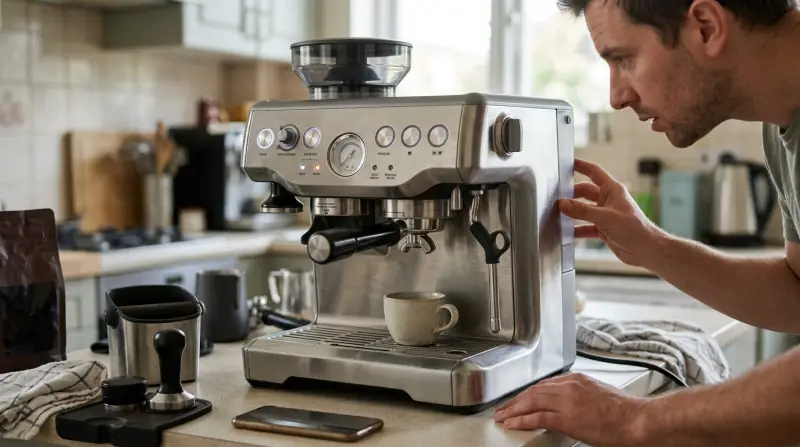
When your espresso machine stops pumping water, several things could be wrong. Let’s break down the most frequent causes:
- Water tank issues: If the water tank isn’t correctly seated, the machine can’t detect it. Sometimes, there’s not enough water, or the tank is dirty and blocks the water sensor.
- Airlock in the system: After long periods of no use or when the tank runs dry, air can get trapped in the pipes, stopping water flow.
- Clogged or dirty components: Mineral buildup from hard water or coffee grounds can block the filter, pump, or pipes.
- Pump failure: The internal pump may be malfunctioning, either due to age or electrical problems.
- Blocked group head or portafilter: Coffee oils and old grounds can clog these parts.
- Electrical or software issues: Sometimes, a glitch in the circuit board or sensors causes the machine to act as if there’s no water.
These causes are not always obvious. For example, a tank that looks full might still be incorrectly placed, and a hidden airlock is easy to miss.
How To Troubleshoot Your Breville Espresso Machine
Before panicking or calling for service, try these practical troubleshooting steps. Most problems can be resolved with basic tools and patience.
Step 1: Check The Water Tank
- Remove the water tank and inspect it for cracks, dirt, or mineral buildup.
- Make sure it’s filled with fresh, clean water.
- Re-seat the tank firmly until you hear a click. The sensors must detect it.
- If your machine has a water filter, check it for clogs or replace it if it’s old.
Step 2: Remove Airlocks
Airlocks are a common but often overlooked problem. Here’s how to clear them:
- Turn off the machine and unplug it.
- Remove the water tank and fill it completely.
- Reattach the tank and plug the machine back in.
- Run the “prime” or “flush” cycle (if available) or try to dispense hot water through the steam wand for 30 seconds.
Some users skip this step, not realizing that air in the pipes can stop water flow even when everything else looks fine.
Step 3: Clean Key Components
Mineral deposits and coffee residue can block the system.
- Remove the portafilter and group head. Clean them with warm water and a brush.
- Run water through the machine without coffee to flush out any blockages.
- If the machine has a descaling cycle, use it with a descaling solution. This removes mineral buildup.
Step 4: Inspect The Pump
Breville pumps are reliable but can fail over time.
- Listen for the pump when you start a shot. If you hear no sound, the pump may be broken.
- If you hear a weak or strange noise, the pump could be clogged.
- Sometimes, power fluctuations or loose connections cause pump issues. Unplug and replug the machine.
Step 5: Check For Software Or Sensor Errors
- Reset the machine by unplugging it for 10 minutes.
- Check for blinking lights or error codes. Refer to your machine’s manual.
- If the machine still doesn’t pump water, the problem may be internal.

Comparing Breville Models: Pump And Water System Reliability
Different Breville models have various pump types and water systems. Here’s a quick comparison of three popular machines:
| Model | Pump Type | Water Tank Capacity | Common Water Issues |
|---|---|---|---|
| Barista Express | 15-bar Thermocoil | 67 oz | Airlocks, mineral buildup |
| Bambino Plus | 15-bar | 64 oz | Misplaced tank, clogged filter |
| Infuser | 15-bar | 61 oz | Pump failure, sensor errors |
Some models are more sensitive to tank placement. Others have easier descaling cycles. Always check your machine’s manual for specific instructions.
How To Prevent Water Pumping Problems
A few simple habits can keep your Breville running smoothly for years.
- Use filtered water to reduce mineral deposits.
- Clean the water tank weekly and descale the machine every 2-3 months.
- Store the machine in a dry area to prevent mold and moisture damage.
- Never let the tank run empty; refill before every use.
- Clean the group head and portafilter after each shot.
Many users ignore regular cleaning and then face expensive repairs. Prevention is easier and cheaper than fixing a broken pump.

When To Call For Professional Help
If you’ve tried the steps above and your machine still won’t pump water, it’s time to contact Breville support or a certified technician. Here’s when you should seek expert help:
- The pump makes no sound or clicks, but nothing happens.
- Error codes that won’t clear even after resetting.
- Water leaks inside the machine.
- Visible damage to internal components.
Professional repair can cost between $100 and $250, depending on the issue. If your machine is under warranty, repairs may be free.
Real-life Examples And Data
Many Breville owners report water pumping problems online. A survey from Home Barista forums showed that about 15% of users experienced water flow issues within the first year. Most cases were solved with cleaning and tank adjustment.
One user reported that their Barista Express stopped pumping after a vacation. The cause? An airlock in the pipes. After running a flush cycle, the machine worked perfectly.
Another example: a Bambino Plus owner noticed weak water flow. Descaling fixed the issue, showing that regular maintenance makes a big difference.
Comparing Solutions: Diy Vs. Professional Repair
Here’s a quick comparison to help you decide between fixing the problem yourself or calling a technician:
| Solution | Cost | Success Rate | Time Needed |
|---|---|---|---|
| DIY Troubleshooting | $0–$30 (cleaners) | 85% | 30–60 min |
| Professional Repair | $100–$250 | 95% | 2–7 days |
Most water pumping problems are fixed at home. Only serious pump failures or electrical issues need professional repair.
Common Mistakes To Avoid
Many beginners make mistakes that can make the problem worse:
- Ignoring regular cleaning: Mineral buildup is a silent killer for pumps.
- Using unfiltered tap water: Hard water causes fast deposits.
- Not seating the tank properly: Even a small misalignment stops water flow.
- Forgetting to check the group head and portafilter: Blockages here are common.
- Skipping the reset step: Sometimes, a simple reset solves software errors.
Avoid these mistakes, and your machine will last longer.

Practical Tips For Long-term Espresso Machine Health
- Always use filtered or bottled water.
- Clean the tank and group head weekly.
- Descale every 2-3 months, even if water seems to flow well.
- Store the machine in a cool, dry place.
- Read the manual for your specific model and follow care instructions.
Don’t wait for a problem before starting maintenance. Regular care prevents most issues.
Frequently Asked Questions
Why Isn’t My Breville Espresso Machine Pumping Water After Descaling?
Descaling sometimes loosens mineral deposits, which can temporarily block pipes. Run a flush cycle with clean water to remove any remaining buildup. If the problem persists, check for airlocks and make sure the tank is properly seated.
Can I Use Tap Water In My Breville Espresso Machine?
You can, but it’s not recommended. Tap water often contains minerals that build up quickly and block the pump. Using filtered water helps prevent clogs and extends your machine’s life.
How Often Should I Clean And Descale My Machine?
Clean the water tank and group head weekly. Descale every 2–3 months, depending on water hardness and usage. Some machines have reminders or auto-descaling cycles. Regular cleaning prevents most water flow problems.
What Should I Do If The Pump Makes Noise But No Water Comes Out?
This usually means there’s an airlock or a blockage. Try running the steam wand or hot water cycle to clear air from the pipes. If that doesn’t help, clean the tank, group head, and portafilter thoroughly.
Is It Worth Repairing A Breville Espresso Machine With Pump Failure?
If your machine is less than five years old and not severely damaged, repair is usually worth it. New pumps cost less than buying a new machine. If the machine is very old or has multiple issues, replacement may be better.
Always check warranty status before deciding.
If you follow these steps and tips, your Breville espresso machine should work reliably for many years. Regular care, quick troubleshooting, and knowing when to ask for help are key. If you want more details on espresso machines, visit Wikipedia for technical background and history.
With the right attention, your machine will brew rich, smooth espresso every time. Even if water flow stops, most problems can be fixed at home. Don’t let a small issue ruin your coffee experience — stay informed, stay prepared, and enjoy your espresso.