
If your Frigidaire refrigerator is not keeping food cold or seems to freeze everything inside, the problem often points to temperature control issues. Modern refrigerators are complex machines, and a small fault in the temperature control system can lead to spoiled groceries, wasted money, and frustration. Understanding the possible causes and solutions for Frigidaire refrigerator temperature control problems can help you solve issues faster, avoid costly repairs, and extend the life of your appliance.
How Frigidaire Refrigerator Temperature Control Works
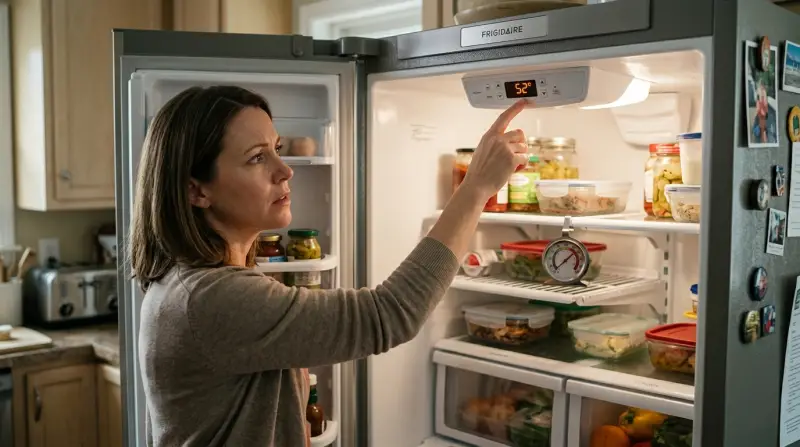
At the heart of your fridge is the temperature control system. This system includes sensors, thermostats, control boards, and fans that work together to keep food at a safe temperature. When you set a temperature, the control system reads the inside air, signals the compressor to turn on or off, and activates fans to move cold air where it’s needed.
Frigidaire refrigerators usually have a digital control panel, but older models may use manual dials. Both systems rely on accurate readings from sensors, so any disruption can create problems. For example, if a sensor fails, the system might run too cold, too warm, or cycle on and off repeatedly.
Common Signs Of Temperature Control Problems
You might not realize there’s a temperature control problem until you notice your milk spoiling too soon, ice cream turning soft, or vegetables freezing in the crisper. Here are some clear signs:
- Food spoils before the expiration date
- Ice builds up in the refrigerator section
- Items in the back freeze while the front stays warm
- The fridge runs constantly or not enough
- Display shows error codes or flashes unusual numbers
If you notice any of these, it’s time to check your temperature control system.
Main Causes Of Temperature Control Issues
Several things can go wrong with a refrigerator’s temperature control. Let’s explore the most common causes and what they mean for your Frigidaire fridge.
1. Faulty Temperature Sensor (thermistor)
The thermistor reads the fridge’s temperature and tells the control board when to cool or stop. If it fails, your fridge might become too cold or too warm. Most thermistors can be tested with a multimeter for resistance. If it shows an open circuit or wrong reading, replacement is needed.
2. Malfunctioning Control Board
The main control board acts like the brain of your refrigerator. If it gets damaged (from power surges, moisture, or age), it can send the wrong signals. This might cause the compressor or fans to run at the wrong times. Control boards are expensive, so it’s smart to check other simpler causes first.
3. Stuck Or Broken Thermostat
Some Frigidaire models still use a mechanical thermostat. If the dial or internal contacts fail, the temperature will not adjust as you expect. You might find the fridge stays too cold or refuses to cool down, no matter what you set.
4. Damaged Air Damper
The air damper controls how much cold air moves from the freezer to the refrigerator section. If it gets stuck open, the fridge section can freeze. If it’s stuck closed, the fridge becomes too warm.
5. Blocked Vents Or Fans
Blocked air vents or faulty fans can prevent cold air from circulating. Overfilled shelves, plastic bags, or ice buildup can block airflow, causing uneven temperatures. Sometimes, the evaporator fan can fail, leading to similar problems.
6. Incorrect Temperature Settings
It’s easy to accidentally change the setting, especially on digital panels. If your fridge or freezer is set too high or too low, cooling will suffer. Always check the user manual for the recommended range.
7. Door Seal Problems
A damaged door gasket lets warm air in and cold air out, making the fridge work harder and causing inconsistent temperatures. Check for cracks, tears, or dirt on the seals.
How To Troubleshoot Temperature Control Problems
Before you call a technician, there are several steps you can take to diagnose and even fix common temperature control issues.
Step 1: Check Temperature Settings
Make sure your fridge is set to the correct temperature. For most Frigidaire models:
- Refrigerator: 37°F (3°C)
- Freezer: 0°F (-18°C)
Small changes can have a big effect. Wait 24 hours after adjusting settings to see results.
Step 2: Inspect Door Seals
Close the fridge door on a thin piece of paper. If you can pull it out easily, the seal may be worn or dirty. Clean with warm, soapy water and replace if damaged.
Step 3: Clear Vents And Shelves
Don’t block air vents with food containers or bags. Leave space around vents and use adjustable shelves to improve airflow.
Step 4: Test The Thermistor
Unplug the fridge. Locate the thermistor (check your manual), remove it, and test its resistance with a multimeter. Compare readings to the manual’s chart.
Step 5: Listen For The Fan
With the fridge running, open the door and listen for the evaporator fan. If you don’t hear it, the fan motor may have failed.
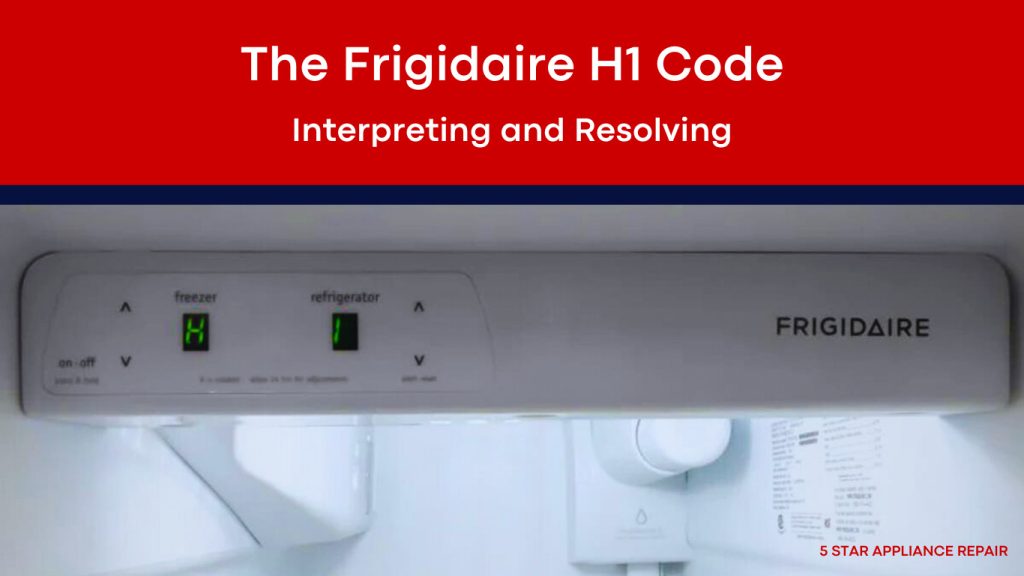
Step 6: Check For Error Codes
Many modern Frigidaire models show error codes on the display. Look up the code in your manual or online for guidance.
Step 7: Reset The Control Board
Sometimes, unplugging the fridge for five minutes and plugging it back in can reset the system. This can clear minor glitches.
Credit: 5starappliancerepair.pro
When To Call A Professional
Some repairs, like replacing a door gasket or cleaning vents, are easy for most people. But if you suspect a bad control board or can’t find the problem, it’s best to call a qualified technician. Working with electrical parts or refrigerant lines can be risky.
Two situations that almost always require professional help:
- Repeated temperature swings even after resetting and cleaning
- Unusual noises or smells coming from the control board area
Frigidaire’s customer service or a certified appliance repair shop can help diagnose and fix complex issues.
Comparing Frigidaire Temperature Control To Other Brands
How does Frigidaire’s system compare to similar models from other brands? Here’s a quick look at some key features:
| Brand | Temperature Adjustment | Control Board Type | Common Sensor Issue |
|---|---|---|---|
| Frigidaire | Digital & Dial | Standard (some Smart) | Thermistor failure |
| Samsung | Touchscreen | Smart | Board glitches |
| LG | Digital | Smart Inverter | Sensor freezing |
| Whirlpool | Dial & Digital | Standard | Damper stuck |
Frigidaire’s design is reliable but can be less advanced than premium smart models. However, this also means repairs are usually more affordable and parts are easy to find.
Preventing Temperature Control Problems
Most fridge temperature problems are preventable with good habits and simple maintenance. Here are practical steps you can take:
- Keep the fridge 2/3 full for best air circulation.
- Clean door seals every month with mild detergent.
- Defrost freezer if you see ice buildup.
- Avoid blocking vents with large containers.
- Set the correct temperature after a power outage.
- Check for error codes regularly on digital models.
- Unplug during major electrical storms to avoid power surges.
Following these steps can help your Frigidaire refrigerator stay at the right temperature for years.
Real-world Example: Diagnosing A Frigidaire Problem
A common scenario: Your Frigidaire fridge is cold, but the freezer is too warm. You check the vents and find ice blocking airflow. After defrosting the freezer and cleaning vents, you notice the problem returns. This usually points to a faulty defrost thermostat or defrost timer—parts that tell the fridge when to melt frost. Replacing these parts often solves the issue, but if not, the control board might be to blame.

Credit: www.youtube.com
Cost Of Fixing Temperature Control Problems
How much does it cost to repair a Frigidaire temperature control issue? It depends on the part and labor. Here’s a quick comparison:
| Part | DIY Cost | Professional Repair |
|---|---|---|
| Thermistor | $15–$35 | $80–$150 |
| Control Board | $120–$250 | $250–$400 |
| Door Gasket | $20–$60 | $90–$180 |
| Defrost Timer | $20–$40 | $90–$160 |
| Fan Motor | $30–$70 | $100–$200 |
DIY repairs are usually cheaper, but only if you are confident and follow safety steps. For major parts, it’s safer to invest in professional help.
Two Key Insights Most Owners Miss
- Small temperature changes matter: A difference of just 2°F can mean the difference between safe and unsafe food. Always use an appliance thermometer to double-check the actual temperature inside your fridge, not just the display.
- Power surges silently damage boards: Even if your fridge seems fine after a power outage, a small surge can weaken the control board. Consider using a surge protector designed for refrigerators to prevent future problems.

Credit: www.youtube.com
When Replacement Makes More Sense
If your Frigidaire refrigerator is over 10 years old and needs several expensive parts, it may be smarter to buy a new model. Newer fridges are more energy efficient and have improved control systems. Check for Energy Star models, which can save you money on electricity.
Where To Find More Help
The official Frigidaire website has troubleshooting guides, manuals, and customer support. You can also visit Consumer Reports for in-depth reviews and reliability ratings.
Frequently Asked Questions
Why Is My Frigidaire Refrigerator Not Getting Cold Enough?
This can be due to incorrect temperature settings, a faulty thermistor, blocked vents, or door seal issues. Always check the easiest solutions first: settings and airflow.
What Temperature Should I Set My Frigidaire Refrigerator And Freezer?
For best results, set the refrigerator to 37°F (3°C) and the freezer to 0°F (-18°C). Use an appliance thermometer to confirm.
How Do I Reset The Temperature Control On My Frigidaire Fridge?
Unplug the refrigerator for five minutes, then plug it back in. This can reset the control board and clear minor software glitches.
Is It Safe To Repair The Temperature Control Board Myself?
Most people should not attempt control board repairs, as it involves working with electricity and sensitive electronics. Leave this job to a qualified technician.
Can Temperature Control Issues Cause Food To Spoil Faster?
Yes, unstable temperatures can allow bacteria to grow, leading to spoiled food and possible health risks. Fix temperature problems promptly to keep food safe.
If you spot temperature problems early, you can often fix them before they lead to costly repairs or spoiled food. Regular maintenance and understanding your fridge’s control system are key to a long-lasting and reliable refrigerator.