
If you own a GE dishwasher and see an FTD code on the display, it’s easy to feel confused or worried. What does this code mean? Is it a serious problem, or can you fix it yourself? This article explains everything about GE dishwasher FTD codes in simple language. You’ll learn why these codes appear, what they mean, and how to solve the problem step by step. Whether you’re a first-time dishwasher owner or someone who’s fixed appliances before, this guide gives you practical advice and real examples to help you get your dishwasher running smoothly again.
What Are Ftd Codes On Ge Dishwashers?
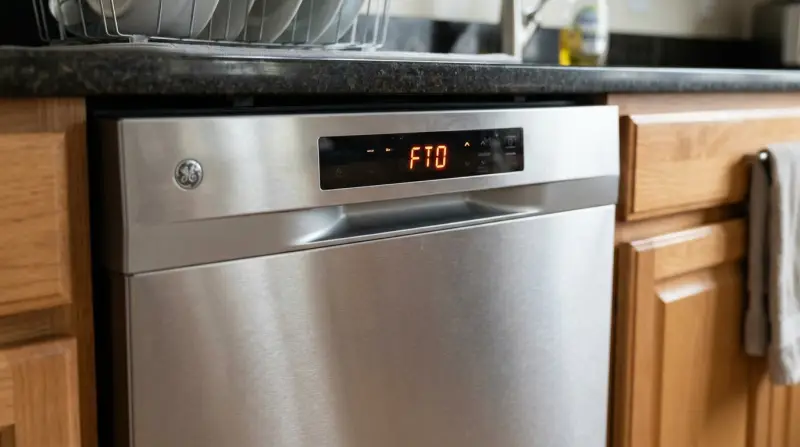
An FTD code on a GE dishwasher stands for “Failure to Drain.” When your machine can’t pump out water at the end of a wash cycle, it shows this code to alert you. GE dishwashers use error codes to help owners and technicians quickly find out what’s wrong. FTD is one of the most common and important codes because draining problems can stop your dishwasher from working altogether.
Not every GE dishwasher will display “FTD” exactly. Some models use “Ftd,” “F.T.D.,” or even just a flashing light. But all of these mean the same thing: your dishwasher has trouble draining.
Why Ftd Codes Happen: Main Causes
When you see an FTD code, it usually means something is blocking the water from leaving the dishwasher. Here are the most common reasons:
- Clogged filter: Food, grease, and debris can block the filter at the bottom of your dishwasher.
- Blocked drain hose: The hose that carries water from the dishwasher to your sink or garbage disposal might be kinked or clogged.
- Garbage disposal plug: If you recently installed a new garbage disposal, the drain plug might still be in place, blocking water flow.
- Pump problems: The drain pump itself could be jammed or broken.
- Air gap issues: The air gap (a small cylinder near your sink faucet) can get blocked and stop water from draining.
- Electrical faults: Sometimes, a wiring issue or faulty control board prevents the pump from working.
These issues can develop over time or suddenly, especially after installing new kitchen equipment or during heavy use periods like holidays.

How To Fix Ge Dishwasher Ftd Codes
You can often fix FTD errors yourself. Here’s a step-by-step guide, starting with the easiest solutions.
1. Reset The Dishwasher
Sometimes, the code appears by mistake or after a power surge. Try this first:
- Turn off the dishwasher. Unplug it or switch off the circuit breaker.
- Wait 2–5 minutes.
- Plug it back in or turn the power back on.
- Start a short wash cycle and see if the code returns.
If the code is gone, it was probably a glitch. If not, continue with the next steps.
2. Check And Clean The Filter
A dirty or blocked filter is a top reason for FTD codes.
- Open the dishwasher and remove the bottom rack.
- Find the filter assembly at the base (center or back).
- Twist and lift out the filter (check your manual if unsure).
- Rinse the filter under hot water. Use a soft brush to clean off food and grease.
- Replace the filter and start the dishwasher.
Regular cleaning (once a month) helps prevent FTD errors.
3. Inspect The Drain Hose
The drain hose carries water from your dishwasher to the sink or garbage disposal.
- Locate the hose (usually at the back or underneath the dishwasher).
- Look for kinks, bends, or pinched spots.
- Disconnect the hose (put a towel down for spills).
- Check for clogs by running water through the hose or blowing air into it.
- Reconnect the hose and run a cycle.
If the hose is damaged, replace it with a GE-approved part.
4. Remove The Garbage Disposal Plug
When installing a new disposal, there’s a plastic plug inside the drain inlet. If not removed, it blocks water flow.
- Turn off power to the disposal.
- Disconnect the dishwasher hose from the disposal.
- Use a screwdriver to check for a hard plastic plug in the inlet.
- Knock it out and remove the loose plastic.
- Reconnect everything and test the dishwasher.
Many people forget this step after a new disposal installation—causing sudden FTD codes.
5. Check The Drain Pump
If the above steps don’t work, the drain pump might be stuck or broken.
- Unplug the dishwasher and remove the kick plate (front lower panel).
- Find the pump (usually in the center under the tub).
- Look for debris (broken glass, food) blocking the pump impeller.
- If possible, turn the impeller gently by hand to see if it’s stuck.
- Reassemble and test. If the pump still doesn’t work, it may need replacement.
Pump issues are less common but can happen, especially in older machines.
6. Inspect The Air Gap
If your sink has an air gap (a small silver or plastic cylinder), it can get blocked.
- Twist off the air gap cap.
- Remove any visible debris or buildup.
- Rinse the inside with water.
- Replace the cap and check the dishwasher.
An air gap is required by plumbing codes in many states to prevent dirty water from flowing back into your dishwasher.
7. Rule Out Electrical Issues
If nothing else works, the problem could be electrical.
- Check for loose or damaged wiring under the dishwasher.
- Test the drain pump for power using a multimeter (if you’re comfortable).
- If you suspect a control board problem, call a professional.
Electrical issues are rare but important for safety.
Signs That Your Dishwasher Isn’t Draining
Sometimes, FTD codes don’t appear instantly, but you’ll notice these signs:
- Water left in the bottom after a cycle
- Dishes coming out dirty or still wet
- Musty or foul smell from standing water
- Gurgling sounds or slow draining
If you see these symptoms, it’s best to act quickly to prevent bigger problems.
Key Differences Between Ftd And Other Ge Dishwasher Error Codes
GE dishwashers use several error codes. Here’s a quick comparison to help you know if FTD is the right code for your issue:
| Error Code | Meaning | Usual Causes |
|---|---|---|
| FTD | Failure to Drain | Clogged filter, hose, pump or air gap |
| F56 | Water Intake Error | Low water pressure, blocked inlet valve |
| F34 | Heater Error | Faulty heating element |
| F51 | Leak Detected | Water in base pan, faulty seal |
Knowing the difference helps you fix the right problem fast.
Preventing Ftd Codes: Best Practices
You can avoid most FTD errors by following these maintenance tips:
- Scrape food off plates before loading, but don’t pre-rinse (modern dishwashers work best with some food residue)
- Clean the filter every month
- Check the drain hose twice a year for kinks or clogs
- Run hot water at your sink before starting the dishwasher
- Use the right detergent (check your owner’s manual)
- Inspect the air gap regularly
Some users believe “rinse aids” or “dishwasher cleaners” prevent all errors, but these only help with hard water or buildup—not drain clogs.

Credit: www.youtube.com
When To Call A Professional
If you’ve tried all the steps above and your dishwasher still won’t drain, it’s time to call for help. Here’s when you should contact a repair expert:
- Water leaks onto your floor
- Electrical smells or burning
- Error code reappears after resets and cleaning
- You’re unsure about wiring or pump replacement
A skilled technician can diagnose and repair issues that are too complex or risky for most homeowners.
The Cost Of Fixing Ftd Errors
How much does it cost to repair an FTD error? It depends on the cause. Here’s a quick cost comparison for common fixes:
| Problem | DIY Cost | Professional Repair Cost |
|---|---|---|
| Cleaning filter/hose | $0 (just your time) | $80–$150 |
| Replacing drain hose | $10–$30 | $120–$200 |
| Drain pump replacement | $50–$100 | $150–$350 |
| Control board issue | Rare DIY ($100–$200) | $200–$400 |
Cleaning and small parts are easy and cheap to fix yourself. Pump or board issues may need an expert.
Real-world Example: Fixing An Ftd Error
Sarah, a homeowner in Dallas, noticed her GE dishwasher wouldn’t drain. The FTD code flashed after every cycle. She opened the bottom panel, cleaned out a large piece of pasta blocking the filter, and checked the drain hose for kinks.
After this, her dishwasher worked perfectly, saving her a $120 repair visit. This shows that many FTD problems can be solved with simple steps.
Non-obvious Insights For Ge Dishwasher Owners
- Water temperature matters: Hotter water (120°F or above) helps break down grease and food, reducing the risk of drain blockages that lead to FTD codes.
- Dishwasher detergent pods can leave residue: If not dissolved fully, pods can clog the filter or pump. Try switching to liquid or powder if you see frequent FTD codes.
- FTD codes can sometimes appear after a power outage: The dishwasher may get “confused” and display FTD even if there’s no real drain issue. A reset usually fixes this.

Where To Find More Information
For detailed repair guides and official manuals, visit the GE Appliances official website. They have videos, diagrams, and support chat if you get stuck.
Frequently Asked Questions
What Does Ftd Mean On My Ge Dishwasher?
FTD stands for Failure to Drain. It means the dishwasher cannot pump out water at the end of a cycle. This is often caused by a clogged filter, blocked drain hose, or a problem with the drain pump.
Can I Use My Dishwasher With An Ftd Error?
No, you should not run your dishwasher with an FTD code. Water left inside can cause mold, smells, and even leaks. Fix the problem before using your dishwasher again.
How Often Should I Clean My Dishwasher Filter To Avoid Ftd Codes?
It’s best to clean the filter once a month. If you use your dishwasher daily or have hard water, clean it more often. Regular cleaning helps prevent blockages that trigger FTD errors.
What Should I Do If Cleaning Doesn’t Fix The Ftd Code?
If cleaning the filter and hose doesn’t work, check the drain pump and air gap. If those are clear and the problem continues, call a professional technician. Electrical issues or pump failures are harder to fix yourself.
Are Ftd Codes Covered By Ge Warranty?
Most new GE dishwashers come with a limited warranty that covers parts and labor for some problems. Check your warranty paperwork or contact GE support for details. Normal maintenance issues (like clogs) are usually not covered.
Solving an FTD error on your GE dishwasher can feel stressful, but most causes are simple and easy to fix. With regular cleaning, smart use, and the right troubleshooting steps, you can keep your dishwasher running smoothly and avoid costly repairs.
Remember, understanding what the FTD code means is the first step to a quick solution.
1 thought on “GE Dishwasher FTD Codes: Quick Troubleshooting Guide”