
A clothes dryer that will not spin can disrupt your entire laundry routine. If you own a GE dryer and suddenly find it not spinning, you’re not alone—this is a common issue, but the causes and fixes can vary. Understanding what’s going wrong, and how to safely diagnose and repair the problem, can save you both time and money. In this article, you’ll learn the main reasons your GE dryer isn’t spinning, how to troubleshoot, what steps you can try at home, and when to call a professional. You’ll also find helpful tables comparing repair costs and common part lifespans, plus answers to the questions most owners have.
Why Your Ge Dryer Stops Spinning
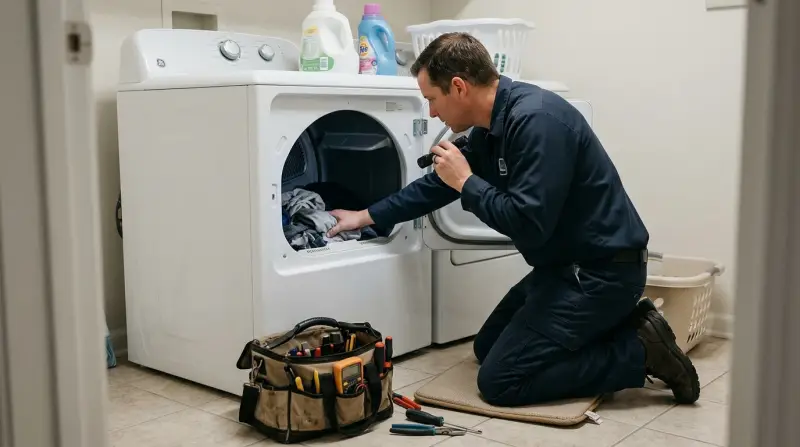
A GE dryer depends on a set of mechanical and electrical parts to rotate the drum. When it stops spinning, it usually means something in this system has failed or is blocked. Here are the most frequent causes:
- Broken drive belt: The thin, rubber belt wraps around the drum and motor. If it snaps, the motor runs but the drum won’t turn.
- Worn drum rollers: These small wheels support the drum. If they’re worn out, the drum can’t move freely.
- Defective motor: If the motor fails, the drum can’t rotate at all.
- Faulty door switch: The dryer won’t spin if the door isn’t fully closed, or if the switch is broken.
- Jammed idler pulley: This part keeps tension on the belt. If it’s stuck, the belt may slip or break.
- Blown thermal fuse: This safety device can cut power to the motor if the dryer overheats.
- Control board issues: Rarely, the electronic control board may be at fault.
Many of these problems sound similar, but they require different solutions. The next sections explain how to pinpoint what’s wrong and what you can do about it.
Initial Checks: What To Do First
Before opening your dryer or calling for repair, there are a few simple things you can check. Sometimes, the solution is easier than you think.
Power And Settings
- Make sure the power cord is plugged in and the outlet is working. Try another appliance in the same outlet to be sure.
- Check your circuit breaker. If it’s tripped, reset it.
- Confirm the dryer is set to a cycle that includes drum movement. Some cycles, like “Air Fluff” or “Wrinkle Guard,” may not spin immediately.
- Close the door firmly. Many dryers won’t operate unless the door is fully shut.
Listen For Clues
When you press “Start,” pay attention:
- Do you hear the motor running but the drum is still? This often means a broken belt.
- Is there a humming noise but no movement? The motor might be jammed or failed.
- No sound at all? The issue might be electrical, such as a blown fuse or faulty switch.

Credit: www.youtube.com
Common Causes Explained
Let’s look at the main reasons a GE dryer stops spinning and how you can identify each one.
1. Broken Drive Belt
The drive belt loops around the drum and motor pulley. Over time, belts can dry out, crack, or snap.
Symptoms:
- Dryer runs (you hear motor), but drum doesn’t turn.
- Sometimes you may find bits of belt under the dryer.
How to check: Unplug the dryer, open the top or front panel, and inspect the belt. If it’s loose, broken, or missing, it needs replacing.
2. Worn Drum Rollers
Drum rollers help the drum rotate smoothly. When they wear out, the drum gets stuck or squeaks loudly.
Symptoms:
- Drum is hard to turn by hand (with dryer unplugged).
- Loud rumbling or squeaking during use.
How to check: Remove the drum and spin the rollers by hand. If they don’t move freely or have flat spots, replace them.
3. Faulty Motor
A defective motor means no spinning at all, even if other parts are fine.
Symptoms:
- Humming or buzzing sound when starting.
- Dryer stops mid-cycle or won’t start.
How to check: Motors can be difficult to test without tools. If you suspect the motor, it’s often best to call a technician.
4. Door Switch Failure
The door switch acts as a safety feature. If it’s not engaged, the dryer won’t spin.
Symptoms:
- Dryer won’t start, but lights and controls work.
- No click sound when closing the door.
How to check: Press the switch by hand with the door open. If you don’t hear a click or the dryer doesn’t respond, the switch may be bad.
5. Jammed Idler Pulley
The idler pulley keeps tension on the belt. If it seizes up, the belt may come off or break.
Symptoms:
- Squealing noise before failure.
- Loose or broken belt.
How to check: Inspect the pulley for cracks, chips, or resistance when turning.
6. Blown Thermal Fuse
A thermal fuse protects the dryer from overheating. When it blows, the dryer often won’t start or spin.
Symptoms:
- Dryer won’t run at all.
- No sounds or movement.
How to check: Use a multimeter to test the fuse for continuity. Replace if necessary.
7. Control Board Issues
Rarely, the control board fails, especially in newer electronic models.
Symptoms:
- Dryer is dead, or cycles act unpredictably.
- Error codes on display.
How to check: If all other parts check out, the control board may need inspection by a professional.
How To Fix A Ge Dryer That’s Not Spinning
Some repairs are simple, while others require more skill or tools. Here are steps you can try for the most common problems.
Replacing The Drive Belt
- Unplug the dryer and move it to a workspace.
- Remove the top and/or front panel (refer to your model’s manual).
- Locate the drum and the belt. Slide off the old belt.
- Install the new belt around the drum, making sure it sits in the grooves.
- Loop the belt around the motor and idler pulleys.
- Reassemble the dryer and test.
Take a photo before removing the old belt to remember the routing.
Fixing The Door Switch
- Unplug the dryer.
- Locate the switch near the door latch.
- Remove mounting screws and disconnect the wires.
- Install the new switch, reconnect wires, and reattach the panel.
Replacing Drum Rollers
- Unplug the dryer.
- Remove panels and the drum.
- Slide off the old rollers and install new ones.
- Lubricate the shafts if recommended.
When To Call A Professional
Not all repairs are safe or easy for beginners. If you’re unsure, or if the problem involves the motor, control board, or wiring, hire a qualified technician. Electrical repairs can be dangerous without training.
Cost Comparison: Diy Vs Professional Repair
Here’s a quick look at typical costs for common GE dryer spinning issues.
| Problem | DIY Cost (Parts Only) | Professional Repair Cost |
|---|---|---|
| Drive Belt | $15–$40 | $120–$200 |
| Drum Rollers | $20–$50 | $150–$250 |
| Motor | $70–$150 | $200–$400 |
| Door Switch | $10–$25 | $90–$150 |
| Thermal Fuse | $10–$20 | $80–$130 |
Insight: While parts are affordable, labor makes professional repair much more expensive. If your dryer is old or has multiple issues, compare the cost of repair to buying a new dryer.
Part Lifespan And Maintenance Tips
Dryer parts don’t last forever. Here’s how long you can expect major components to work, plus some maintenance advice to help extend their life.
| Part | Average Lifespan | Maintenance Tip |
|---|---|---|
| Drive Belt | 5–7 years | Don’t overload dryer |
| Drum Rollers | 8–12 years | Clean lint regularly |
| Motor | 10–15 years | Vacuum motor area yearly |
| Door Switch | 10+ years | Close door gently |
| Thermal Fuse | 10+ years | Clean vent ducts yearly |
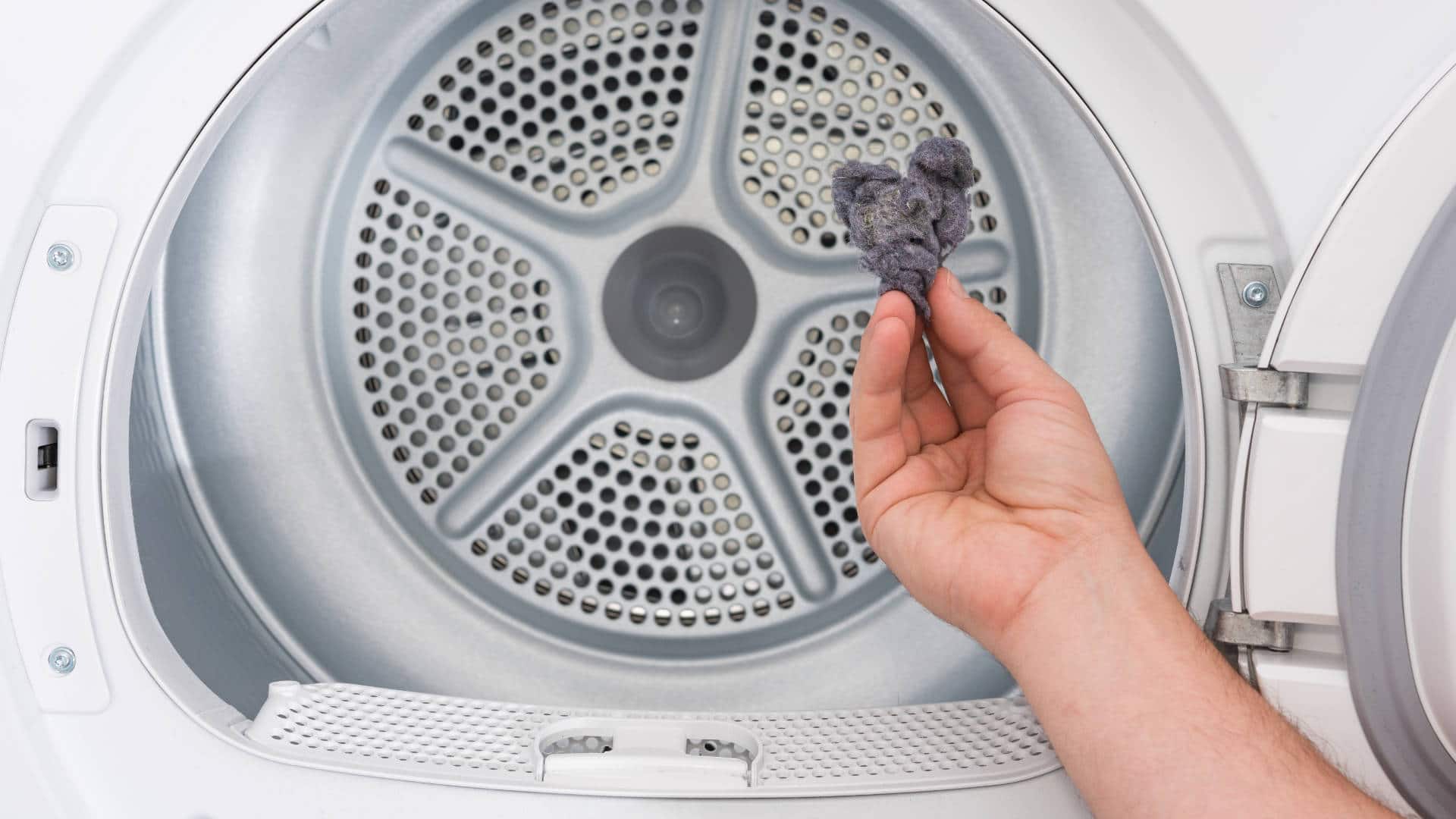
Non-obvious tip: Many breakdowns are caused by lint buildup, which overheats the dryer. Cleaning the vent and lint filter regularly can prevent most issues.
Credit: academy.fredsappliance.com
Preventing Future Spinning Problems
A little routine care goes a long way with GE dryers. Follow these steps to keep your machine running smoothly:
- Clean the lint filter after every load.
- Check and clean the vent hose every 6–12 months. A clogged vent makes the motor work harder and may trip the thermal fuse.
- Don’t overload the dryer. Heavy loads strain the belt and motor.
- Listen for noises: Squeaks or thumps usually mean rollers, belt, or pulley are wearing out—fix them before they break.
- Level the dryer: An unbalanced dryer puts extra stress on moving parts.
Pro insight: Most users only clean the lint filter, but the vent hose and ducts are just as important. Lint buildup here is a hidden cause of many dryer failures and even home fires.
When To Replace Instead Of Repair
Sometimes, fixing an old dryer is more expensive than replacing it. Here are signs you might be better off buying a new machine:
- Dryer is 10+ years old and needs an expensive part (like a motor or control board).
- Multiple problems at once: E.g., rollers and belt both worn out.
- Repeated breakdowns: Repairs are becoming a yearly event.
- Energy bills rising: Old dryers use more electricity as they age.
A new dryer may cost $400–$900, but comes with a warranty and better efficiency.

Credit: www.ortegasappliance.com
Choosing A New Dryer: Features That Matter
If you decide to buy a new dryer, consider these features:
| Feature | Why It Matters | Good For |
|---|---|---|
| Moisture Sensor | Saves energy, stops when clothes are dry | All households |
| Steam Cycle | Reduces wrinkles, refreshes clothes | Business attire |
| Stackable Design | Saves space | Small laundry rooms |
| High Capacity | Fewer loads needed | Large families |
| Wi-Fi Connectivity | Remote operation, alerts | Tech-savvy users |
For more details on dryer features and maintenance, the Consumer Reports Dryer Buying Guide is a trusted resource.
Frequently Asked Questions
Why Won’t My Ge Dryer Spin But It Still Heats Up?
This usually means the drive belt is broken. The heating element works, but without the belt, the drum won’t turn. You may also have a problem with the drum rollers or idler pulley.
Can I Replace The Dryer Belt Myself?
Yes, if you have basic tools and can follow instructions, replacing the dryer belt is a common DIY repair. Always unplug the dryer first and consult your model’s manual. Take photos as you work to help with reassembly.
How Do I Know If The Motor Has Failed?
If your GE dryer hums but won’t spin, or if it stops mid-cycle, the motor may be jammed or burned out. Motors can be difficult to test without a multimeter. If in doubt, call a technician.
How Often Should I Clean The Vent Hose?
Clean your vent hose and ducts at least once a year to prevent lint buildup. This improves dryer performance and reduces fire risk. If you notice longer drying times or excess heat, clean them sooner.
Is It Worth Repairing An Old Ge Dryer?
If your dryer is over 10 years old and needs a costly part, like a motor, it may be smarter to replace it. If the repair is minor (like a belt or switch), fixing it is usually cheaper than buying new.
A non-spinning GE dryer can be stressful, but with the right steps, most problems are fixable. Start with simple checks, then tackle repairs you’re comfortable with. For big repairs or if you’re unsure, professional help is wise. With regular maintenance, your dryer will keep spinning for years to come.