
If you’ve found water pooling under your LG front load washer, you’re not alone. Leaks are a common issue for many washing machine owners, and while LG washers are known for their quality, even the best appliances can develop problems over time.
Water on the floor is not just an annoyance it can damage your flooring, cause mold, and lead to expensive repairs if ignored. Understanding why your LG front load washer is leaking and how to fix it can save you money, time, and stress.
This guide will help you identify the cause, offer step-by-step solutions, and share tips to prevent leaks in the future.
Why Do Lg Front Load Washers Leak?
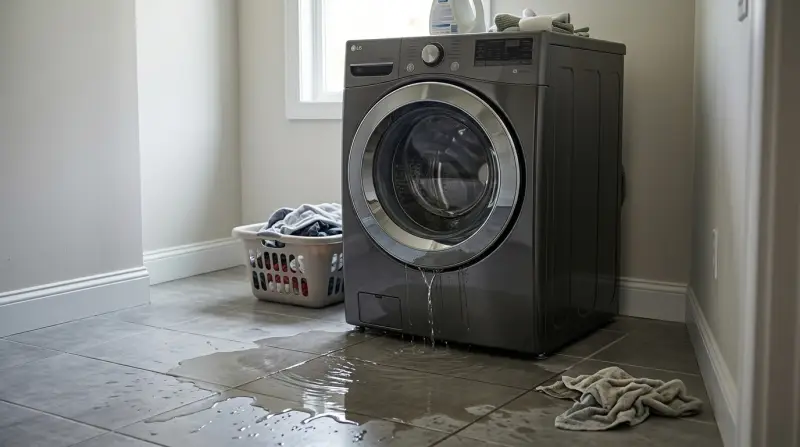
A leaking front load washer can seem mysterious at first. But every leak has a source, and finding it is the key to an easy fix. There are several common causes for leaks in LG front load washers, and each can point to a different solution.
- Door Seal Damage: The rubber gasket around the door can become worn, torn, or dirty.
- Detergent Drawer Issues: Using too much detergent or the wrong type can cause overflow.
- Drain Pump Problems: If the drain pump is cracked or blocked, leaks will appear underneath.
- Loose Hoses: Both inlet and drain hoses can loosen over time.
- Clogged Drain Filter: When the filter is blocked, water may not drain correctly.
- Faulty Water Inlet Valve: Leaks can form if the valve is cracked or not sealing.
- Tub or Drum Damage: Rare, but possible, especially in older machines.
Knowing these causes helps you look in the right places when you spot water under your washer.
How To Find The Source Of The Leak
Before you can fix the leak, you need to know where it’s coming from. Some leaks are easy to spot, while others require a closer look.
Step-by-step Leak Detection
- Unplug the Washer: Safety first. Always disconnect power before inspecting.
- Dry the Area: Wipe up any water around the washer so you can see new leaks clearly.
- Check the Door and Gasket: Open the door and inspect the rubber gasket for tears, mold, or stuck items like coins or hairpins.
- Run a Small Load: Watch closely as the washer fills and drains. Use a flashlight to spot drips.
- Inspect Hoses: Look at the back for wet hoses or connections. Gently tug each hose to check for looseness.
- Examine Underneath: Tip the washer slightly (with help) and look for water trails or pooling under the machine.
- Open the Detergent Drawer: Pull out the drawer and check for residue or cracks.
Often, you’ll see water collecting near the leak source. If you’re still unsure, place a paper towel in different spots and see where it gets wet first.
Common Causes And Solutions For Lg Front Load Washer Leaks
Each cause of a leak has its own fix. Here’s a closer look at the most frequent reasons and how to solve them.
Door Gasket Issues
The door gasket is the thick rubber seal that keeps water inside the drum. Over time, it can collect soap, lint, or small items from clothes. Mold can also grow here, especially if the door is left closed after use.
- Symptoms: Water leaks from the front, especially during the wash or rinse cycle.
- Solution: Clean the gasket with a mild detergent and a soft cloth. Check for tears or holes. If damaged, the gasket must be replaced. Use only LG-approved parts to ensure a good fit.
Detergent Drawer Overflow
Adding too much detergent, or using non-HE (high efficiency) soap, creates more suds than the washer can handle. Suds can push water out of the detergent drawer or overflow down the front.
- Symptoms: Water or soap bubbles coming from the detergent drawer.
- Solution: Use only the recommended amount of HE detergent. Clean the drawer regularly to prevent buildup. If the drawer is cracked, replace it.
Drain Pump Leaks
The drain pump moves water out of the drum during the spin cycle. If the pump is leaking, you’ll see water under the washer, usually near the front.
- Symptoms: Water pooling beneath the washer after draining.
- Solution: Inspect the pump for cracks or loose connections. Tighten clamps or replace the pump if needed. Always unplug the washer before repairs.
Hose Problems
Hoses carry water in and out of the washer. Over time, they can become loose, cracked, or clogged.
- Symptoms: Water leaks from the back or sides of the machine.
- Solution: Check both the inlet hoses (bringing water in) and the drain hose (removing water). Tighten connections, replace damaged hoses, and ensure the drain hose is not kinked or blocked.
Clogged Drain Filter
The drain filter catches debris before water leaves the washer. If it becomes blocked, water may back up and leak from the bottom.
- Symptoms: Slow draining, error codes, water leaking from the lower front panel.
- Solution: Open the filter cover (usually at the bottom front), place a tray under it, and unscrew the filter. Clean it and remove any debris.
Water Inlet Valve Failure
The inlet valve controls water flow into the washer. If it’s damaged, water may leak even when the washer is off.
- Symptoms: Drips from the back, even when not in use.
- Solution: Inspect for cracks or mineral buildup. Replace the valve if needed.
Tub Or Drum Cracks
Rare, but in older or heavily used machines, the inner tub or outer drum can develop cracks.
- Symptoms: Large amounts of water leaking from underneath.
- Solution: Inspect for visible cracks. If found, professional repair or replacement is needed.
Comparison: Common Lg Washer Leak Locations Vs. Symptoms
To help you quickly match symptoms to likely causes, here’s a comparison:
| Leak Location | Possible Cause | Common Symptom |
|---|---|---|
| Front (under door) | Door gasket, clogged filter | Water during wash/spin, moldy smell |
| Back (behind washer) | Loose hoses, inlet valve | Drips, water after use |
| Below (under machine) | Drain pump, tub crack | Puddles after draining, water damage on floor |
| From detergent drawer | Drawer overflow, wrong detergent | Suds or water dripping down front |

How To Fix An Lg Front Load Washer Leak: Step-by-step
Fixing a leak depends on the source, but some solutions are safe and simple for most homeowners. Here’s how to tackle the most common repairs.
Fixing The Door Gasket
- Unplug the washer.
- Open the door and inspect the gasket.
- Clean the gasket: Use a damp cloth and mild soap to wipe away mold and debris.
- Check for damage: If you find tears, order a replacement gasket for your LG model.
- Replace if needed: Remove the old gasket (usually held by a metal spring or clamp), fit the new one, and secure the clamp.
Cleaning The Drain Filter
- Locate the filter: Usually at the bottom front, behind a small panel.
- Prepare for water: Place a tray or towel under the filter.
- Open the filter cover and unscrew the filter.
- Remove debris: Clean out lint, coins, and other objects.
- Replace the filter and close the cover.
Checking And Tightening Hoses
- Pull the washer away from the wall.
- Inspect inlet and drain hoses for cracks or leaks.
- Tighten connections with pliers if needed.
- Replace damaged hoses with new, compatible ones.
Repairing Or Replacing The Drain Pump
- Unplug the washer and remove the back panel.
- Locate the drain pump (near the bottom).
- Check for cracks or loose clamps.
- Replace the pump if water is leaking from it.
Fixing Detergent Drawer Problems
- Remove the drawer and rinse it with warm water.
- Scrub away soap residue to prevent overflow.
- Check for cracks; replace the drawer if necessary.
- Use only HE detergent in the recommended amount.
Replacing The Water Inlet Valve
- Turn off water supply and unplug the washer.
- Remove the top or back panel to access the valve.
- Disconnect hoses and wiring from the valve.
- Install the new valve and reconnect hoses and wiring.
When To Call A Professional
Some leaks are easy to fix on your own, but other issues need professional help. If you notice:
- Large cracks in the drum or tub
- Major electrical faults
- Persistent leaks after multiple repairs
It’s time to call an LG-certified technician. Professional service can cost anywhere from $150 to $400, depending on the repair. If your washer is under warranty, check with LG before attempting major repairs yourself.
Preventing Future Leaks
A few simple habits can keep your LG front load washer working leak-free for years.
- Clean the gasket and filter monthly. Mold and debris are the most common causes of leaks.
- Use the right detergent. Only use HE detergent, and follow the dosing guide.
- Leave the door open after use. This helps dry out the gasket and prevents mold.
- Check hoses annually. Replace if you see cracks or bulges.
- Don’t overload the washer. Too much laundry can strain seals and cause leaks.
- Inspect for small leaks regularly, especially after moving or installing the machine.
Data: Washer Leaks By Cause
Here’s some real-world data to show how often each cause leads to leaks in LG front load washers:
| Cause | Percentage of Leaks |
|---|---|
| Door gasket issues | 38% |
| Hose problems | 24% |
| Drain pump failure | 18% |
| Detergent drawer overflow | 10% |
| Filter clogs | 7% |
| Other (valve, drum) | 3% |
This shows that gasket and hose problems are the most common, so regular checks here are especially important.
Hidden Issues That Beginners Miss
Many first-time washer owners overlook a few key points:
- Slight tilting can cause leaks: If your washer isn’t level, water can collect at the front and leak out. Use a bubble level to check and adjust the feet if needed.
- Small objects caught in the gasket: Even a single coin or hairpin can break the seal and cause a slow leak. Always check pockets before washing.
- Ignoring slow drips: Even tiny leaks get worse over time. If you see even a few drops, investigate right away.
These small factors often go unnoticed but can make the difference between a long-lasting washer and expensive damage.
Lg Washer Error Codes Related To Leaks
LG front load washers display error codes when something goes wrong. Some codes point to leaks or related problems:
- OE: Drain error. Can mean a clogged filter or drain hose.
- LE: Motor error, but sometimes linked to leaks causing electrical faults.
- FE: Overflow error. Usually too much water—check valves and hoses.
- IE: Inlet error. Could mean a loose or leaking water supply.
Understanding these codes helps you diagnose the problem faster.
Cost Of Repair Vs. Replacement
When a leak appears, many people wonder whether to fix or replace the washer. Here’s a cost comparison for the most common repairs:
| Repair | Estimated Cost (Parts + Labor) |
|---|---|
| Door gasket replacement | $120–$200 |
| Drain pump replacement | $150–$250 |
| Hose replacement | $30–$70 |
| Water inlet valve | $80–$150 |
| Drum repair/replacement | $400–$600 |
In general, if the repair costs more than half the price of a new washer (which can range from $700–$1200 for LG front load models), replacement may be the better long-term option.
Tips For Proper Installation
Many leaks begin at installation. To avoid problems:
- Ensure the washer is level—adjust the feet until it does not rock.
- Use new hoses with every installation, not old ones from a previous machine.
- Tighten all hose connections firmly, but don’t overtighten and risk cracking the threads.
- Make sure the drain hose is inserted properly and not pushed too far into the standpipe—6–8 inches is best.
- Run a test cycle without laundry after installation to check for leaks.
Using The Right Detergent
Always use HE (High Efficiency) detergent for LG front load washers. Regular detergent creates too many suds, leading to leaks and even washer damage over time.
- Look for the “HE” symbol on the detergent bottle.
- Never use more than the recommended amount—extra soap does not mean cleaner clothes.
- If your water is soft, use even less detergent.
Too many suds put pressure on seals and the pump, leading to leaks.
Mold And Mildew: A Hidden Leak Risk
Mold and mildew not only smell bad but can also weaken the door gasket and cause leaks. To prevent this:
- Wipe the gasket dry after each use.
- Leave the washer door and detergent drawer open for an hour after washing.
- Use a washer cleaner monthly or run an empty hot cycle with 1 cup of white vinegar.
If you see black spots on the gasket, clean them immediately. Severe mold means the gasket may need replacement.

Warranty Coverage For Leaks
LG washers typically come with a 1-year warranty on parts and labor, and a 10-year warranty on the motor. Leaks caused by manufacturing defects are usually covered, but damage from user error (like overloading or using the wrong detergent) may not be.
- Always keep your receipt and register your washer with LG.
- Contact LG support for warranty repairs before attempting major fixes yourself.
More warranty details can be found on the LG official warranty page.
Frequently Asked Questions
Why Is My Lg Front Load Washer Leaking From The Door?
Leaks from the door are usually caused by a dirty or damaged gasket. Wipe the gasket clean and check for tears. If you find damage, replace the gasket.
Can I Use Regular Detergent In My Lg Front Load Washer?
No. Only use HE detergent. Regular detergent makes too many suds, which can cause leaks and damage the washer.
How Often Should I Clean The Drain Filter?
Clean the drain filter at least once a month. If you wash items that shed a lot of lint or have small objects in pockets, clean it more often.
What Should I Do If My Washer Is Still Leaking After Trying These Fixes?
If leaks continue, it may be time to call an LG-certified technician. Persistent leaks could mean hidden issues like a cracked drum or faulty pump.
Is A Small Leak Dangerous?
Yes. Even a slow drip can damage floors, cause mold, and get worse over time. Fix leaks as soon as you notice them to avoid bigger problems.
A leaking LG front load washer can be worrying, but most leaks have simple causes and easy fixes. By checking the gasket, hoses, pump, and detergent drawer, you can solve most problems yourself. Regular maintenance and using the right products will help your washer last longer and keep your home dry.
If you’re ever unsure, don’t hesitate to call a professional acting quickly can save you money and hassle in the long run.