
If your washing machine has no power and no lights, it can be a frustrating problem. You press the button, but nothing happens. No display, no sound, no movement. It feels like your machine is completely dead. This issue can happen to any brand or model, whether it’s a simple top-loader or a high-tech front-loader. Many people worry it means the machine is broken forever, but often, the cause is simple and fixable. In this article, you’ll learn how to diagnose, fix, and avoid common mistakes when your washing machine has no power or lights.
Why Does A Washing Machine Lose Power?
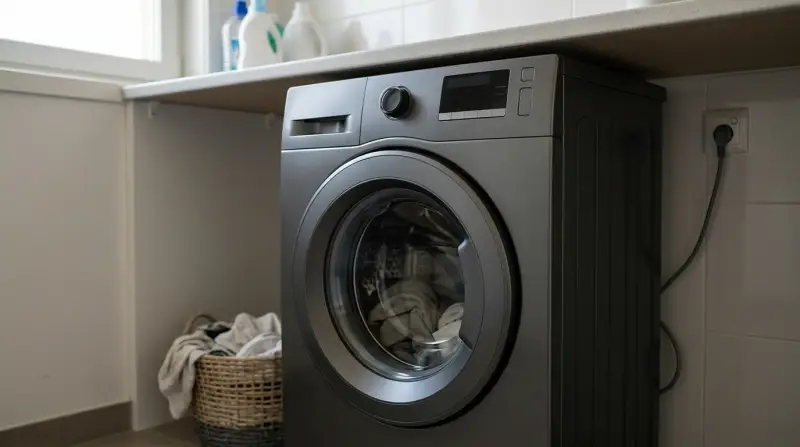
When your washing machine shows no power and no lights, the cause is usually electrical. Washing machines rely on several components to turn on. If any part fails, the machine may not respond at all. Here are the most common reasons:
- Power supply issues (outlet, plug, circuit breaker)
- Internal fuse problems
- Control board failure
- Door/lid switch malfunction
- Wiring faults
- Burnt-out components
- User mistakes
Understanding these reasons helps you find the real problem faster. Let’s look at each cause and how you can check for it.
Checking The Power Supply
The first step is to check the power supply. Many washing machines seem dead simply because they aren’t getting electricity.
Outlet And Plug
Check if other devices work in the same outlet. If not, the outlet may be faulty. Try plugging a lamp or phone charger. If it doesn’t work, the outlet might need repair.
Circuit Breaker
Washing machines use a lot of power. Sometimes the circuit breaker trips. Go to your electrical panel and check if the breaker for the washing machine is off. If yes, reset it. If it trips again, you may have a wiring problem.
Extension Cords
Using an extension cord can cause problems. Washing machines need stable power. Extension cords may not deliver enough voltage. Try plugging the machine directly into the wall outlet.
Power Supply Table
Here’s a quick comparison of power supply issues:
| Problem | Symptoms | How to Check |
|---|---|---|
| Faulty Outlet | No lights, no sound | Plug in another device |
| Tripped Breaker | No power to machine | Check breaker panel |
| Bad Extension Cord | Intermittent power | Plug directly into outlet |
Internal Fuses And Safety Features
Modern washing machines often have internal fuses to prevent electrical damage. If a fuse blows, the machine will not power up.
Where Is The Fuse?
Fuses are usually inside the machine, near the control board or power input. Some brands use a thermal fuse, which blows if the machine overheats.
How To Check The Fuse
Unplug the machine. Open the back panel carefully. Look for a small glass or ceramic fuse. If the fuse looks black or broken, it needs replacement. Use a multimeter to test for continuity.
Safety Tips
Always unplug the machine before checking internal parts. Fuses are cheap and easy to replace, but never use a higher rating than the original.
Control Board And Electronics
The control board is the brain of your washing machine. If it fails, nothing works. Control board failures are less common, but possible.
Signs Of Control Board Failure
- No lights or display
- Buttons do not respond
- No sound
Diagnosing The Board
If the power supply and fuse are fine, but the machine stays dead, the control board may be faulty. Sometimes, boards can be repaired by a technician. In other cases, you need a replacement.
Control Board Comparison Table
| Board Problem | Repair Cost | Replacement Cost |
|---|---|---|
| Minor Burnt Component | $50–$150 | N/A |
| Full Board Failure | N/A | $150–$300 |
Door And Lid Switch Problems
Most washing machines have a door or lid switch. This safety switch tells the machine when the door is closed. If it fails, the machine thinks the door is open and won’t start.
Common Signs
- No response when pressing buttons
- No lights
- Door/lid feels loose
How To Check
Open and close the door firmly. Listen for a click. If you don’t hear it, the switch may be broken. Some switches can be checked using a multimeter. If faulty, replacing the switch is often cheap.
Wiring And Connection Faults
Inside your washing machine, wires carry power to different parts. A loose or damaged wire can stop everything.
Signs Of Wiring Problems
- Machine stopped working after moving or shaking
- Burnt smell
- No lights, no sound
How To Inspect
If you are comfortable, unplug the machine and remove the back panel. Check for loose connectors or burnt wires. If you see damage, call a technician unless you are trained.
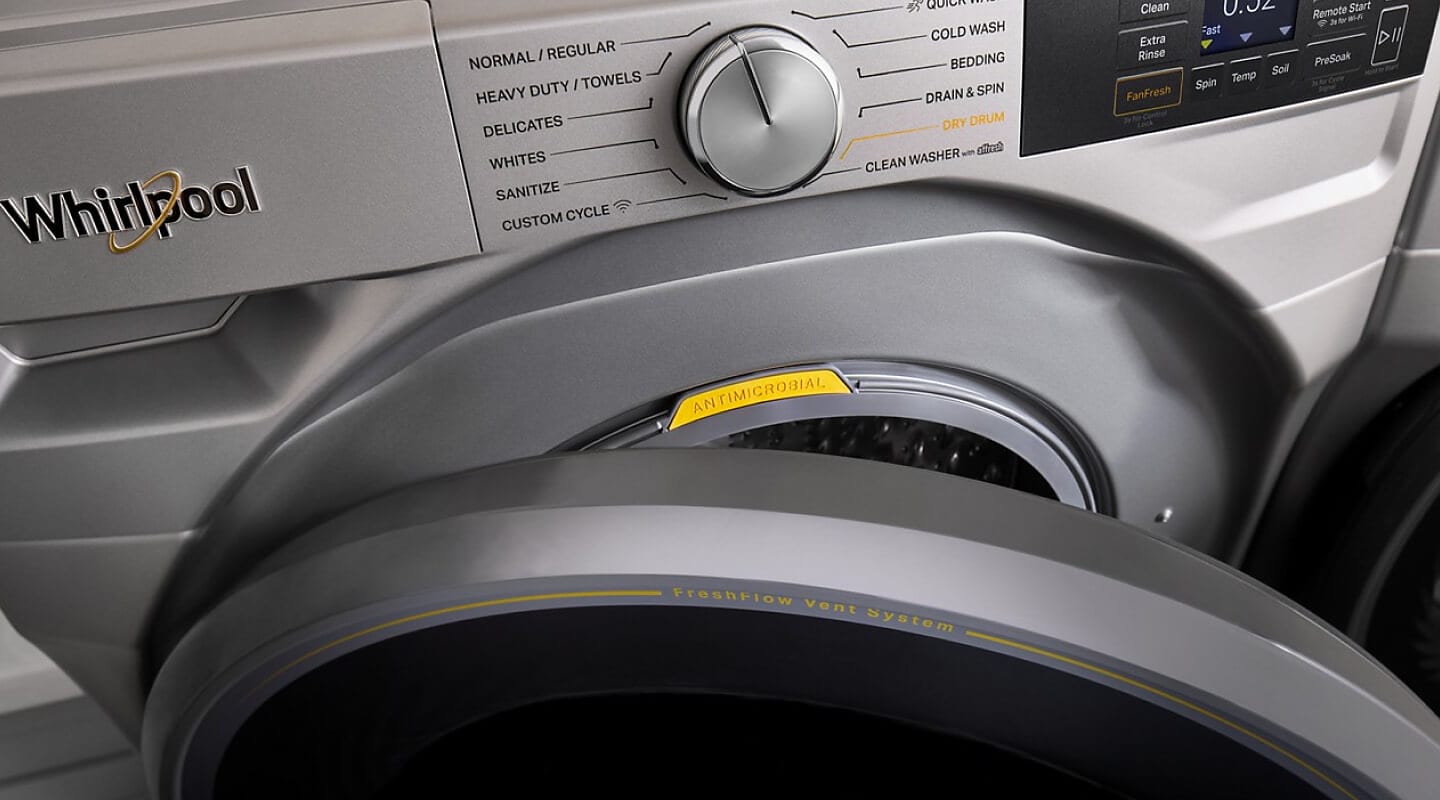
Credit: www.whirlpool.com
Burnt-out Components
Sometimes, a power surge or moisture causes components to burn. This can damage the control board, motor, or other parts.
What To Look For
- Burn marks near control board
- Smell of burnt plastic
- Dead machine after lightning storm
If you suspect burnt-out parts, professional repair is needed. Trying to fix burnt electronics without proper tools can be dangerous.
User Mistakes And Simple Fixes
Not every problem is technical. Sometimes, simple mistakes cause the machine to appear dead.
Common Mistakes
- Child lock or safety mode is on
- Timer delay setting is active
- Door not fully closed
- Machine paused, not off
Check the user manual for safety features. Many modern machines have hidden modes to prevent accidents.
Quick Troubleshooting Steps
If your washing machine has no power, follow these steps:
- Check the outlet with another device.
- Reset the circuit breaker.
- Plug the machine directly into the wall.
- Look for signs of child lock or timer delay.
- Open and close the door firmly.
- Inspect the fuse if you are comfortable.
- Call a technician if you see burnt wires or smell burning.
Repair Vs Replacement: What To Do Next
When your machine is completely dead, you must decide: repair or replace? Here’s how to make the right choice.
Age Of The Machine
If your machine is over 8 years old, repairs may not last long. Older machines can fail again soon.
Cost Of Repair
Compare the cost to repair vs buying a new machine. If repairs cost more than half the price of a new model, consider replacement.
Energy Efficiency
New machines are more energy efficient. Upgrading can save money on electricity.
Repair Vs Replacement Table
| Machine Age | Repair Recommended? | Replacement Recommended? |
|---|---|---|
| 1–5 years | Yes | No |
| 6–8 years | Sometimes | Depends |
| 9+ years | No | Yes |
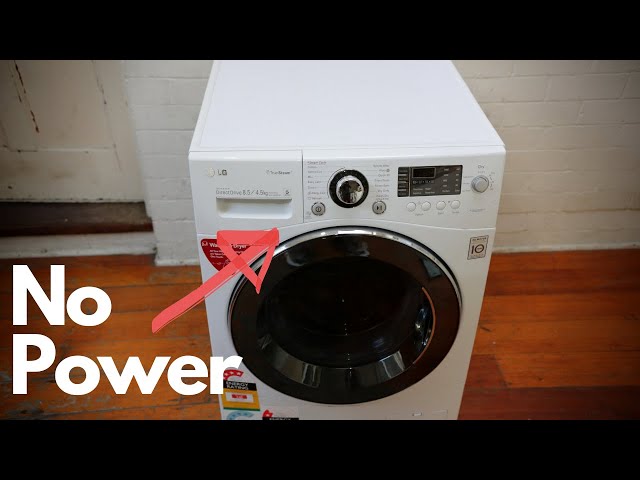
Credit: www.youtube.com
Preventing Future Power Issues
Once you fix the problem, you want to avoid it happening again. Here are tips to keep your washing machine running:
- Use a surge protector to protect against power spikes.
- Clean dust and moisture from the back of the machine every few months.
- Avoid overloading the outlet with other appliances.
- Check the cord and plug for damage regularly.
- Do not use extension cords for permanent installation.
- If you move the machine, inspect wires and connections.
These steps reduce the risk of future power failures and help your machine last longer.
Real-life Example: How A Small Mistake Caused A Big Problem
A family in Texas bought a new washing machine. After a few months, it stopped working. No lights, no sound. They called a technician. The problem? The machine was plugged into an old extension cord behind the wall. The cord had overheated and melted inside.
Changing to a proper outlet fixed everything. This simple mistake cost them $120 in technician fees. Always use the correct setup for powerful appliances.

When To Call A Professional
If you’ve checked the basics and your washing machine still has no power or lights, it’s time to call a professional. Some repairs are simple, but others need special tools and training. Trying to fix complicated electrical problems yourself can be risky.
A technician will:
- Test the power supply and fuses
- Check the control board
- Inspect wiring and switches
- Recommend repair or replacement
Professional help is especially important if you see burnt wires, smell burning, or suspect water damage.
Frequently Asked Questions
Why Does My Washing Machine Suddenly Have No Power?
Sudden loss of power usually means a tripped circuit breaker, blown fuse, or faulty outlet. Check these first before looking at internal parts.
Is It Safe To Open My Washing Machine To Check The Fuse?
It’s safe if you unplug the machine and follow basic safety rules. Wear gloves and avoid touching electrical parts. If you’re unsure, call a technician.
Can A Washing Machine Lose Power Due To A Child Lock?
Yes. Some machines have a child lock or safety mode. If activated, the machine may not respond. Check your user manual to turn it off.
Is It Expensive To Replace The Control Board?
Replacing the control board usually costs $150–$300, depending on the brand. Repairs may cost less if only a small part is damaged.
Where Can I Find More Information About Washing Machine Repairs?
You can find detailed guides at Wikipedia, which explains washing machine technology and repairs.
Fixing a washing machine with no power or lights is often easier than you think. By checking the basics and following the tips above, you can save money and avoid common mistakes. Always focus on safety first, and don’t hesitate to call a professional if needed.
With a little care, your washing machine will stay reliable for years.
1 thought on “Washing Machine Has No Power No Lights? Troubleshoot Fast”