
If your GE Profile dishwasher is not working as it should, it can be frustrating. Dishes might come out dirty, the machine could make strange noises, or maybe it just won’t turn on. The good news is that most problems have simple solutions. With the right steps, you can often fix issues yourself and avoid a costly repair call.
In this guide, you’ll learn how to troubleshoot common problems with GE Profile dishwashers. You’ll see practical steps for each issue, tips that most owners miss, and clear explanations. By the end, you’ll know what to check, when to repair, and when to call for help.
Let’s get started on making your dishwasher run like new again.
Common Problems With Ge Profile Dishwashers
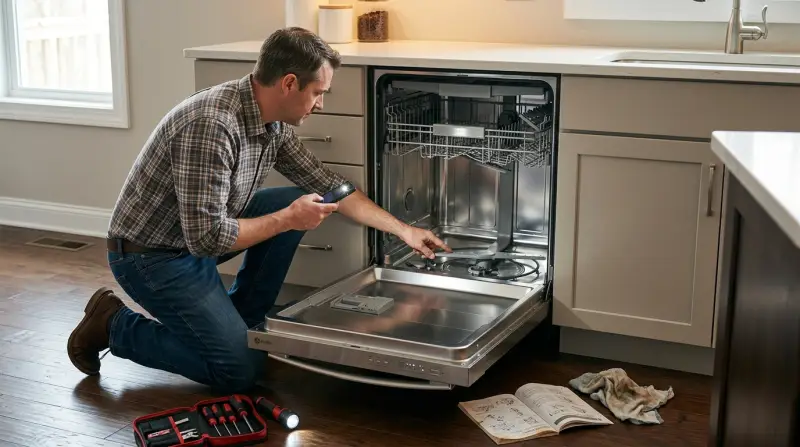
Some dishwasher problems are easy to spot, while others need a closer look. Here are the most frequent issues owners face:
- Dishwasher not starting
- Dishes not getting clean
- Water not draining
- Leaking water
- Strange noises
- Detergent not dispensing
- Bad smells
- Error codes
Understanding the root cause is key. Each issue can come from several reasons, so don’t skip the basics.
Dishwasher Not Starting
If your GE Profile dishwasher does not start, it’s usually due to a simple reason. Here’s what to check:
Power Supply
- Make sure the dishwasher is plugged in.
- Check your circuit breaker. Sometimes it trips, cutting power to the dishwasher.
- Test the outlet with another device to confirm it works.
Door Latch
The dishwasher won’t start if the door isn’t fully closed or the latch is broken.
- Push the door until you hear a click.
- If the latch feels loose, it might need replacement.
Control Lock
Many GE Profile models have a control lock feature. If this is on, the buttons won’t respond.
- Look for a lock symbol on the control panel.
- Hold down the lock button for 3 seconds to turn it off.
Delayed Start
Check if the delayed start option is active. If it is, the dishwasher will wait before starting.
- Cancel the delay by pressing the “Cancel” or “Start/Reset” button.
If the display is blank, try a hard reset. Unplug the dishwasher for 5 minutes, then plug it back in.
Dishes Not Getting Clean
A dishwasher that leaves dishes dirty can be annoying. Here’s how to solve it:
Loading And Spray Arms
- Overloading blocks water flow. Arrange dishes so water can reach every item.
- Check that the spray arms spin freely and are not blocked by utensils.
Detergent And Water Temperature
- Use the right detergent. Not all detergents work well with every dishwasher.
- Water should be at least 120°F (49°C). If not, run the hot tap for a minute before starting.
Filters
Clogged filters prevent water from circulating. Clean the filter every month.
How to clean the filter:
- Remove the bottom rack.
- Twist and lift out the filter.
- Rinse under running water.
Spray Arm Blockages
Small bits of food or hard water can block spray arm holes.
- Remove the spray arms if possible.
- Use a toothpick to clear blocked holes.
Comparison Of Cleaning Issues
| Problem | Likely Cause | Quick Fix |
|---|---|---|
| Dishes dirty on top rack | Blocked upper spray arm | Clear spray arm holes |
| Cloudy glasses | Hard water | Add rinse aid |
| Food stuck on dishes | Clogged filter | Clean filter |
Non-Obvious Insight: Many people skip cleaning the filter, but it’s one of the biggest reasons for poor cleaning. Also, using too much detergent can leave residue.
Water Not Draining
Standing water in your GE Profile dishwasher is a sign of a drainage problem. Here’s how to fix it:
Check The Drain Hose
- The drain hose can get kinked or clogged.
- Make sure it’s not bent behind the dishwasher.
- Remove the hose and flush it with water if you see debris.
Air Gap Or Garbage Disposal
If your dishwasher drains through a garbage disposal, food clogs in the disposal can block draining.
- Run the disposal to clear it.
- Check the air gap (small cylinder on the sink) for blockages.
Filter And Pump
- A clogged filter can stop water from draining.
- The drain pump can sometimes get jammed by broken glass or food.
How to check the drain pump:
- Disconnect power.
- Remove the bottom panel.
- Locate the pump and check for debris.
Table: Common Drainage Causes
| Symptom | Likely Issue | Action |
|---|---|---|
| Water remains after cycle | Clogged filter | Clean filter |
| Gurgling noises | Blocked drain hose | Check and clear hose |
| Water backs up into sink | Air gap blocked | Clean air gap |
Common Mistake: People often forget to check the garbage disposal connection. Even a small clog there can stop the dishwasher from draining.
Leaking Water
Leaks can cause damage to your kitchen. Here’s what to look for:
Door Gasket
A worn or dirty gasket can let water escape.
- Inspect the rubber seal around the door.
- Clean it with a damp cloth.
- Replace it if it’s cracked or loose.
Float Switch
The float switch prevents overfilling. If stuck, water can overflow.
- Open the dishwasher and find the float (usually a dome-shaped piece on the floor).
- Move it up and down. If it sticks, clean around it.
Detergent Use
Using the wrong detergent or too much can cause suds and leaks.
- Only use detergent made for dishwashers.
- Never use regular dish soap.
Installation Issues
If the dishwasher is not level, water can leak out.
- Use a level tool to check.
- Adjust the feet until the unit is even.
Non-Obvious Insight: Tiny cracks in the tub or a damaged spray arm can also cause leaks. Inspect these if other steps don’t solve the problem.
Strange Noises
Some sounds are normal, but others mean trouble.
Normal Sounds
- Water swishing
- Humming during wash
- Clicking as the detergent door opens
Unusual Noises
- Grinding: Something may be caught in the pump.
- Banging: Spray arm hitting dishes.
- High-pitched whine: Faulty motor or worn bearings.
How To Diagnose
- Listen to when the noise happens (start, wash, drain).
- Remove any large items from the bottom of the dishwasher.
- Inspect the spray arms for cracks or obstructions.
Quick Comparison Of Sounds
| Noise | Possible Cause | What To Do |
|---|---|---|
| Grinding | Foreign object in pump | Check pump area |
| Banging | Spray arm hitting items | Rearrange dishes |
| Squealing | Worn motor | Call technician |
If you hear a new noise, stop the dishwasher and inspect before running it again.
Credit: www.saltlaketriclub.com
Detergent Not Dispensing
If the detergent cup doesn’t open, dishes will stay dirty.
Latch And Spring
The cup uses a spring-loaded latch. If sticky or blocked, it won’t open.
- Clean around the detergent cup.
- Avoid blocking the cup with large dishes.
Water Spray
Spray arms must hit the detergent door for it to open.
- Don’t place tall items in front of the cup.
- Make sure spray arms are not blocked.
Sticky Detergent
- Use fresh, dry detergent.
- Old or damp detergent can clump and jam the door.
Common Mistake: Placing a large pan or cookie sheet in front of the detergent door can stop it from opening. Always leave space.
Bad Smells
A smelly dishwasher is unpleasant but easy to fix.
Food Buildup
- Food can collect in the filter or spray arms.
- Clean both monthly.
Mold Or Mildew
- Run an empty cycle with white vinegar in a bowl on the top rack.
- For tough odors, sprinkle baking soda on the bottom and run a short hot cycle.
Drain Issues
- Standing water can smell bad. Check for drainage problems.
Non-Obvious Insight: Running the dishwasher every day helps prevent odors, even if it’s a light cycle. Letting dirty dishes sit for days increases the chance of smells.
Error Codes
GE Profile dishwashers use error codes to show problems. These appear as letters or numbers on the display.
Common Codes
- C1: Drain time too long – Check for clogs.
- C2: Draining problem – Inspect pump and filter.
- C3: Water in the bottom – Check for leaks or clogs.
- F1: Flooding detected – Turn off water and call for service.
What To Do
- Look up the code in your user manual.
- Try basic fixes (clean filter, check hoses).
- If the code returns, contact GE support.
You can find more details and up-to-date code lists at the official GE Appliances Support page.
When To Call A Professional
You can fix many issues yourself, but some problems need expert help:
- Water leaks from under the dishwasher and won’t stop
- Electrical smells or sparks
- The dishwasher trips your circuit breaker every time
- Error codes that won’t clear after basic troubleshooting
If your dishwasher is still under warranty, always check with GE before trying advanced repairs.
Credit: www.youtube.com
Maintenance Tips To Prevent Problems
A little care goes a long way. Here are easy ways to keep your GE Profile dishwasher in top shape:
- Clean the filter every month.
- Wipe down the door gasket with a damp cloth.
- Check and clean the spray arms every few months.
- Run hot water at the sink before starting the dishwasher.
- Use a dishwasher cleaner every 2-3 months to remove buildup.
If you live in a hard water area, use rinse aid to prevent mineral deposits.
Frequently Asked Questions
Why Is My Ge Profile Dishwasher Not Filling With Water?
If your dishwasher isn’t filling, check the water supply valve under the sink. Make sure it’s fully open. Also, the float switch inside the dishwasher might be stuck. Lift and lower it to see if it moves freely. If you hear a humming sound but no water enters, the inlet valve may need replacement.
How Often Should I Clean The Filter?
For best performance, clean the filter once a month. If you wash many dirty pots or pans, do it more often. A clogged filter makes cleaning worse and can cause drainage issues.
What Should I Do If My Dishwasher Smells Bad?
First, clean the filter and check for trapped food. Run a cycle with white vinegar on the top rack. For stubborn smells, sprinkle baking soda on the bottom and run a hot cycle. Make sure to run the dishwasher regularly to prevent odors.
Can I Use Regular Dish Soap In My Ge Profile Dishwasher?
No, never use regular dish soap. It creates too many suds and can cause leaks. Always use dishwasher-specific detergent. Using the wrong soap can also damage your machine over time.
What Does The “lock” Light Mean On My Dishwasher?
The “Lock” light means the control panel is locked and buttons won’t work. To unlock, press and hold the “Lock” button for 3 seconds. This feature is handy to prevent children from changing settings.
A well-maintained GE Profile dishwasher can last many years. With these troubleshooting steps, most issues are easy to fix at home. Remember, regular cleaning and correct use prevent most problems before they start. If you need more help, the GE Appliances website and user manual are great resources. Happy dishwashing!