
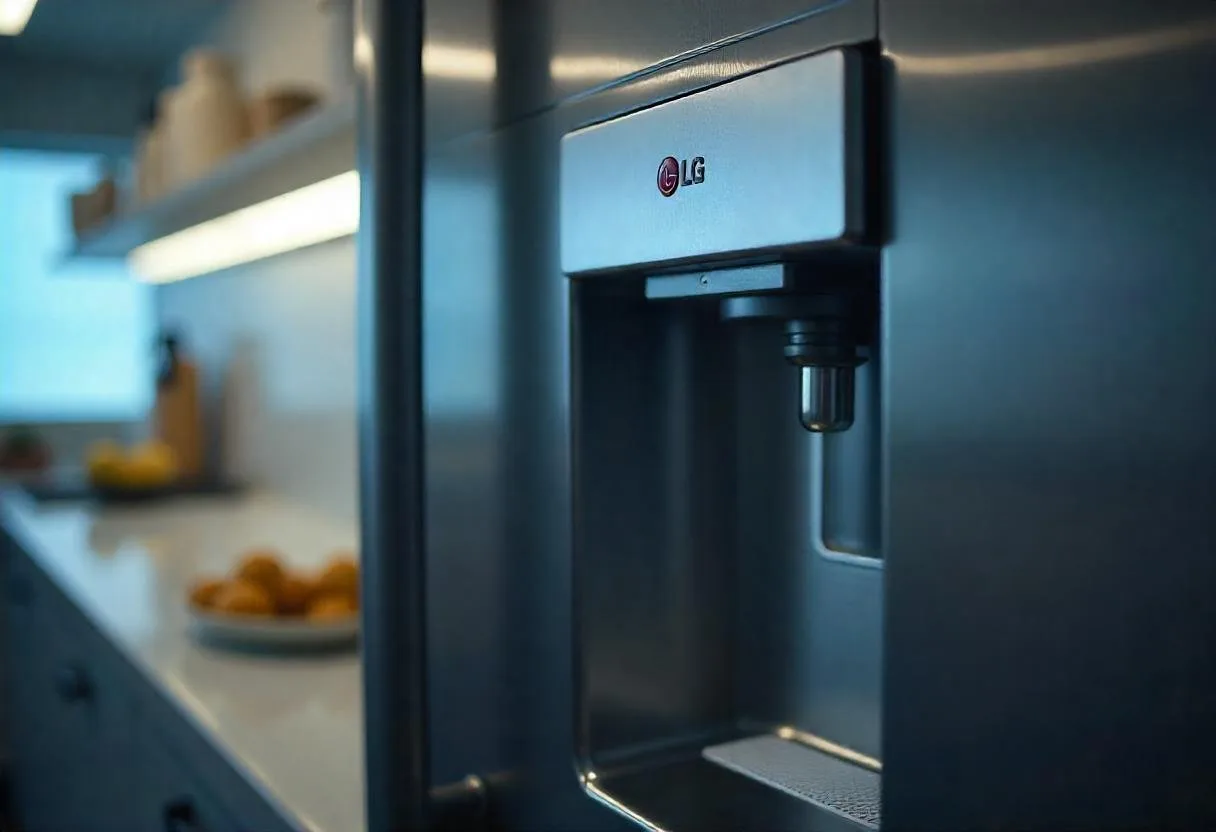
A lack of chilled water from an LG Refrigerator Water Not Cold is almost always caused by a small reservoir size, high usage, or a restricted flow of air around the internal tank. Most of the time, this happens because the cooling system needs time to recover after you pour several glasses of water in a short period. You can confirm this by checking the water temperature after the fridge has been closed for at least six hours. If the first glass is cold but the second is warm, your unit is working as intended.
Why your Lg Refrigerator Water Not Cold
| Cause | How common | How to confirm it | Fix it yourself? |
|---|---|---|---|
| Small reservoir capacity | Very common | Second glass is warm | No |
| High ambient temperature | Common | Fridge feels warm inside | Yes |
| Blocked air vents | Common | Check for stored items | Yes |
| Thermostat set too high | Occasional | Check digital display | Yes |
| Kinked water line | Rare | Look behind the fridge | Yes with care |
| Failing water valve | Rare | Listen for humming | No |
Understanding the reservoir capacity
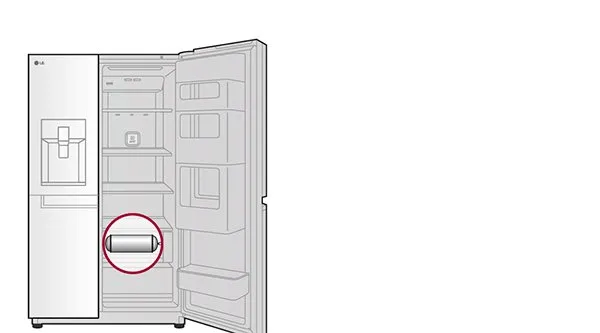
The internal water storage tank inside an LG refrigerator is small, usually holding less than one liter of liquid at a time. This design is standard for most side-by-side and French door models, meaning that once you empty the chilled supply, the system must refill and cool the new volume of water from your home’s supply line. If you’re drawing water frequently, the cooling system simply can’t keep up with the demand.
To confirm this, wait until the refrigerator has been undisturbed for at least six hours. Draw one glass of water and measure its temperature with a clean kitchen thermometer; it should be between 35°F and 40°F. If you then draw a second glass immediately and the temperature rises significantly, the issue is the reservoir size, not a mechanical fault. This limit is set by the manufacturer to fit the tank within the door or wall cavity. If you need colder water for a large group, keep a pitcher of filtered water in the main compartment. This assumes the unit is operating in a room with a standard temperature of about 70°F. If your kitchen is warmer, the cooling cycle must work harder, and you should allow more time between glasses. Never attempt to bypass the tank or modify the internal cooling coils, as this will void your warranty and may cause leaks inside the cabinet.
Airflow and temperature settings
Your refrigerator requires clear paths for cold air to circulate around the internal water tank to keep it chilled. If you pack items too tightly against the back wall or near the vents, the air can’t reach the reservoir effectively. Check the interior of your fridge and ensure there’s at least a two-inch gap between your food items and the rear wall. This space allows the cold air from the evaporator to reach the water tank.
Adjusting your thermostat is another step to ensure the water stays cold. For most LG models, the recommended setting is 37°F for the refrigerator compartment. If your display is set to 40°F or higher, the water won’t reach the crisp temperature you expect. To change this, press the “Fridge” button on your control panel until it shows 37°F or lower. Note that this change affects the entire compartment; if you go lower than 35°F, your fresh produce may begin to freeze. According to the FoodSafety.gov cold food storage charts, keeping your refrigerator at or below 40°F is essential for food safety, but staying closer to 37°F provides the best balance for both food preservation and cold drinking water. If you notice the fridge isn’t cooling food properly either, the issue is likely a larger cooling system problem rather than just the water tank. This varies by model — check the label inside your door for the specific cooling capacity and recommended temperature ranges.
External factors and line flow
A kinked or pinched water line behind the unit can restrict the flow of water, leading to slow dispensing and warmer temperatures because the water stays in the warm supply tube for too long. If you recently moved your refrigerator, the plastic tubing may have become compressed against the wall or the back panel of the machine. Carefully pull the refrigerator away from the wall to inspect the clear plastic water line for any sharp bends or white stress marks.
If the line is kinked, gently straighten it out. Don’t use heat to soften the plastic, as this can cause it to crack or leak. If the line is damaged, it must be replaced by a professional to ensure a proper seal. Another factor is the distance from your main water supply. If your home has long pipes running through a warm area like a crawlspace or a sun-drenched wall, the water reaching your fridge is already warm. In this case, the refrigerator’s cooling system has to work much harder to bring that initial temperature down. You can’t fix this without re-routing your home plumbing. If the water flow is very slow, check that your water filter isn’t clogged. A restricted filter reduces the flow rate of water, which may result in lower pressure at the dispenser. Replace the filter regularly as recommended by the manufacturer to maintain proper flow.
The less likely causes
Faulty thermistor: This sensor tells the fridge it’s cold enough, but if it fails, it may shut off the compressor too early. If your fridge temperature fluctuates by more than five degrees despite the dial being set correctly, the thermistor is the likely culprit.
Damaged door seal: If the gasket is torn, warm air enters the cabinet constantly, preventing the water tank from chilling. Test this by closing the door on a dollar bill; if you can pull it out without resistance, the seal is compromised and must be replaced to stop condensation buildup.
Compressor relay failure: If the compressor doesn’t start, the entire fridge will stop cooling, which requires a certified technician to test. Listen for a rhythmic clicking sound coming from the back. If you hear it, the relay is likely burnt out, preventing the motor from engaging.
Internal valve blockage: Mineral buildup inside the dispensing valve can slow the flow to a trickle, requiring a part replacement. If the water pressure is fine at the wall connection but weak at the door, the valve is clogged.
What a fix usually involves
A repair for this issue depends on whether the problem is environmental or mechanical. If your issue is caused by blocked vents or high temperature settings, the fix is free and takes only a few minutes of your time. If the water line is kinked, you may need a new length of tubing, which is a small part that costs very little. However, if the cause is a faulty sensor or a failing valve, you’ll need a professional technician to diagnose the electrical components. These repairs are complex and involve tools that the average person shouldn’t use. A technician will charge a service fee plus the cost of any proprietary parts. To get a real quote, look up the model number on the sticker inside your fridge door and contact an authorized service center. They can provide an estimate based on the specific parts needed for your machine. Never attempt to open the sealed cooling system yourself, as this can release refrigerant and create a safety hazard.
Frequently asked questions
Can I make the water colder by changing settings?
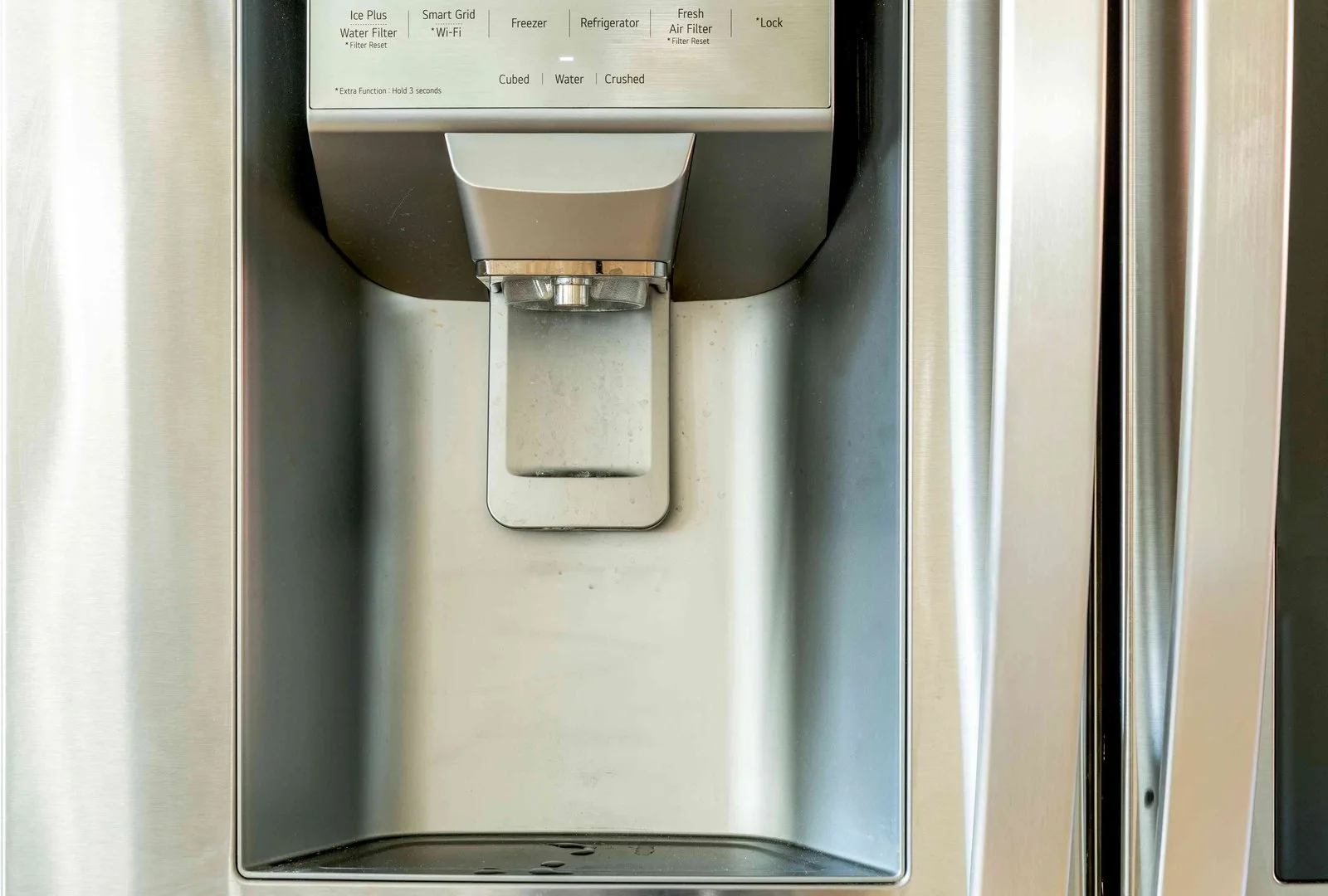
Yes, you can lower the refrigerator compartment temperature to 37°F or 36°F using the digital control panel. This forces the unit to work harder to maintain a lower temperature, which helps keep the water tank colder. Don’t set it below 35°F, or you risk freezing the food and liquids stored in the back of your refrigerator.
Why is the first glass cold but the next one warm?
This is normal behavior because the reservoir capacity is small. Once you pour the chilled water stored in the tank, the system must refill with room-temperature water from your home pipes. The refrigerator needs time to chill that new volume of liquid. Most units require several hours to fully cool a fresh tank of water after it has been emptied.
Is it safe to drink if the water isn’t cold?
Yes, the temperature of the water doesn’t affect its safety, provided your home water supply is clean. The cooling function is for comfort, not safety. However, always ensure your water filter is changed on schedule to maintain water quality and prevent sediment buildup. Check your owner’s manual for the specific filter replacement interval for your model.
What happens if I move the fridge too far?
If you pull the unit out too far, you risk kinking the water supply line or disconnecting the power cord. Always move the refrigerator slowly and check the connections behind it before you plug it back in. If the water line is pulled tight, the water flow will slow down, which makes it harder for the tank to stay cool.
Does it matter if the kitchen is hot?
Yes, a hot kitchen makes it difficult for the refrigerator to maintain its internal temperature. If the ambient temperature is high, the compressor runs more often, and the water tank may not chill as effectively. Keep the area around the fridge clear of clutter to allow heat to escape from the back of the machine.
How long does it take for the water to chill again?
It usually takes about three to six hours for the water in the reservoir to reach its lowest temperature after being replaced. This time depends on the current temperature of the fridge and how much water you removed. If you need cold water quickly, it’s better to keep a bottle in the main fridge compartment.
Final Thoughts
If your water still isn’t refreshing after you’ve given the system plenty of time to rest, there might be a deeper issue with the cooling coils or the internal thermostat. Don’t hesitate to reach out to a professional technician if you’re concerned, as they’ll help you get things running perfectly again.