
A Catit fountain not working usually stems from a buildup of debris in the pump or an incorrect water level. If your device has stopped, check the water level first, as running the unit dry can damage the internal motor. Most owners find that a simple cleaning of the pump impeller resolves the issue instantly. This varies by model, so check the label on your specific fountain base for the exact water capacity requirements.
Why your Catit fountain not working
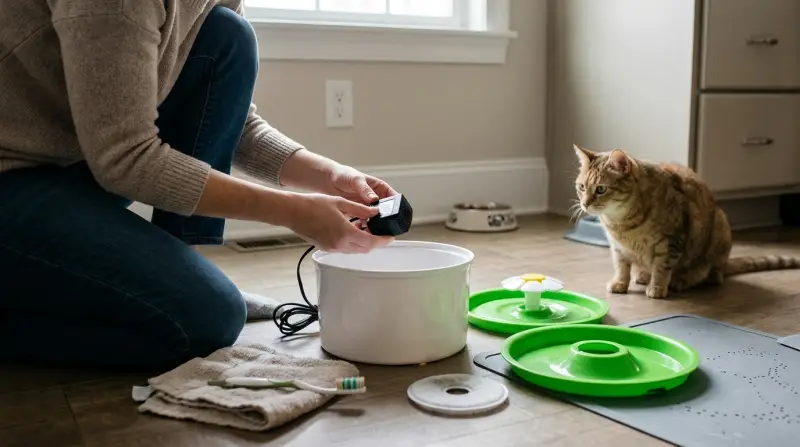
The most frequent cause for a silent or stalled fountain is mineral accumulation or hair blocking the pump impeller. Over time, calcium and magnesium from tap water create a hard crust inside the pump housing. This buildup acts like glue, preventing the small fan from spinning. If the pump isn’t spinning, it can’t pull water up the tube, even if the unit is plugged in.
Another common reason is the water level. These fountains use a centrifugal pump that requires full submersion to create the pressure needed to lift water. If the water drops below the intake ports, the pump will struggle, get loud, or stop working entirely to protect itself from overheating. Always keep the water level at the maximum fill line indicated on the inner wall.
Finally, an electrical connection issue can stop the flow. Check if the cable is fully seated in the power adapter or if the outlet itself has lost power. If you have ruled out a low water level and a dirty impeller, the internal motor might have reached the end of its functional life. If the pump remains silent after a deep cleaning and verification of the power supply, it’s likely time to replace the pump unit rather than the entire fountain system.
Safety: Inside a mains-powered machine, the parts behind the outer cover can hold a dangerous electrical charge even after it has been unplugged — that’s why they sit behind a cover. Opening the housing, or testing or replacing anything behind it, is a job for a qualified technician, never a home repair.
Clean the pump housing
This fix is for users whose fountain is plugged in but silent or making a clicking noise. To start, unplug the fountain from the wall outlet for your safety. Remove the pump from the base and take off the plastic cover. You’ll see a small propeller, known as the impeller, inside the chamber. Use a cotton swab to gently remove any hair, slime, or mineral deposits blocking the rotation of this fan. If you see white, crusty buildup, soak the pump parts in a solution of equal parts white vinegar and water for thirty minutes. This softens the minerals so you can wipe them away.
After cleaning, rinse everything thoroughly with fresh water to ensure no vinegar residue remains, as this can be harmful to pets. Reassemble the pump and place it back into the water basin, ensuring it’s fully submerged before plugging it back in. If the pump begins to hum and move water, the issue is solved. If the motor remains completely dead, don’t attempt to open the motor casing further, as it’s a sealed electrical component. If you’re uncomfortable handling electrical equipment or if the cord shows signs of fraying, stop immediately and contact a professional or purchase a replacement pump.
Adjust the power connection
This fix is for fountains that show no signs of life, such as no light or no motor vibration. First, verify the power source by plugging a small lamp or phone charger into the same wall outlet. If the other device doesn’t work, you have a tripped circuit breaker or a faulty wall socket. If the outlet is fine, inspect the fountain’s power cord for any visible kinks, bites, or sharp bends that might have broken the internal wiring.
If the cord looks healthy, disconnect the USB or power jack from the fountain and reconnect it firmly. Many models use a push-fit connector that can loosen if the fountain is moved frequently. Ensure there’s no water or corrosion inside the connection point. If the connection is clean and dry but the fountain still doesn’t turn on, try a different power adapter of the same voltage. Using an incorrect adapter can damage the motor, so check the label on your original unit to match the output voltage exactly. This is a common mistake that renders the pump unusable; if you don’t have a matching adapter, it’s safer to order an official replacement part from the manufacturer.
Check the flow control setting
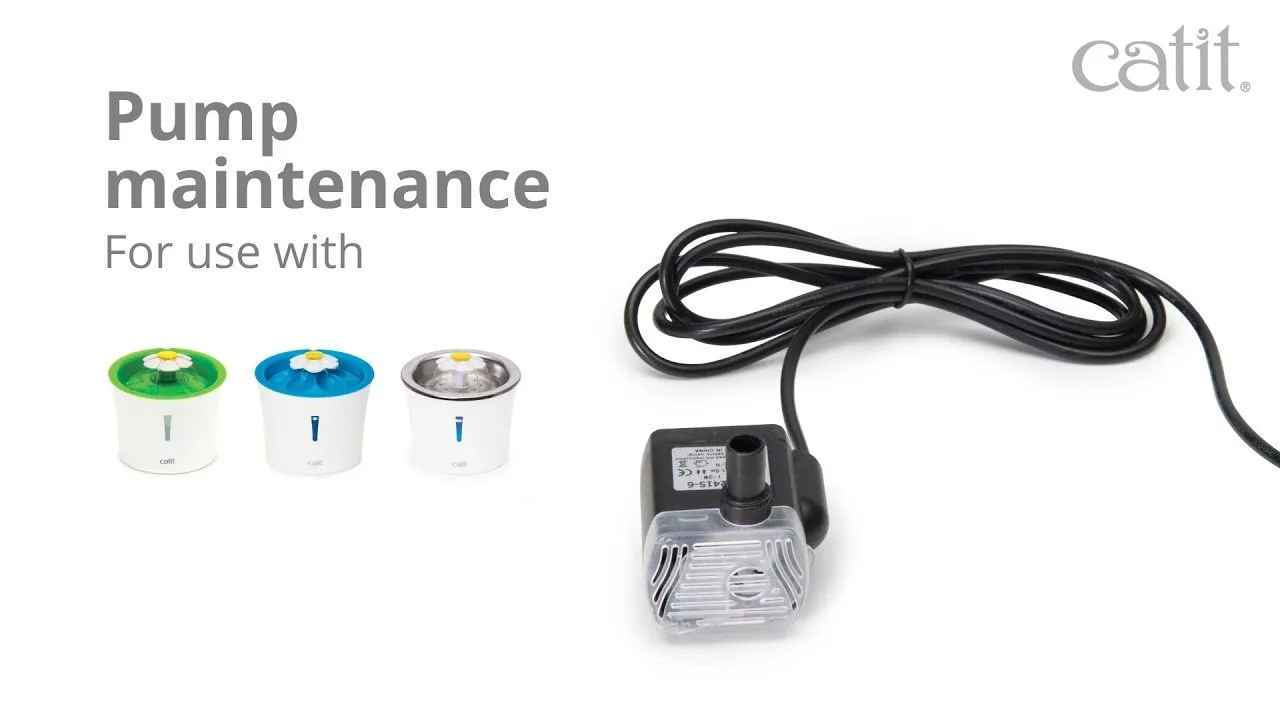
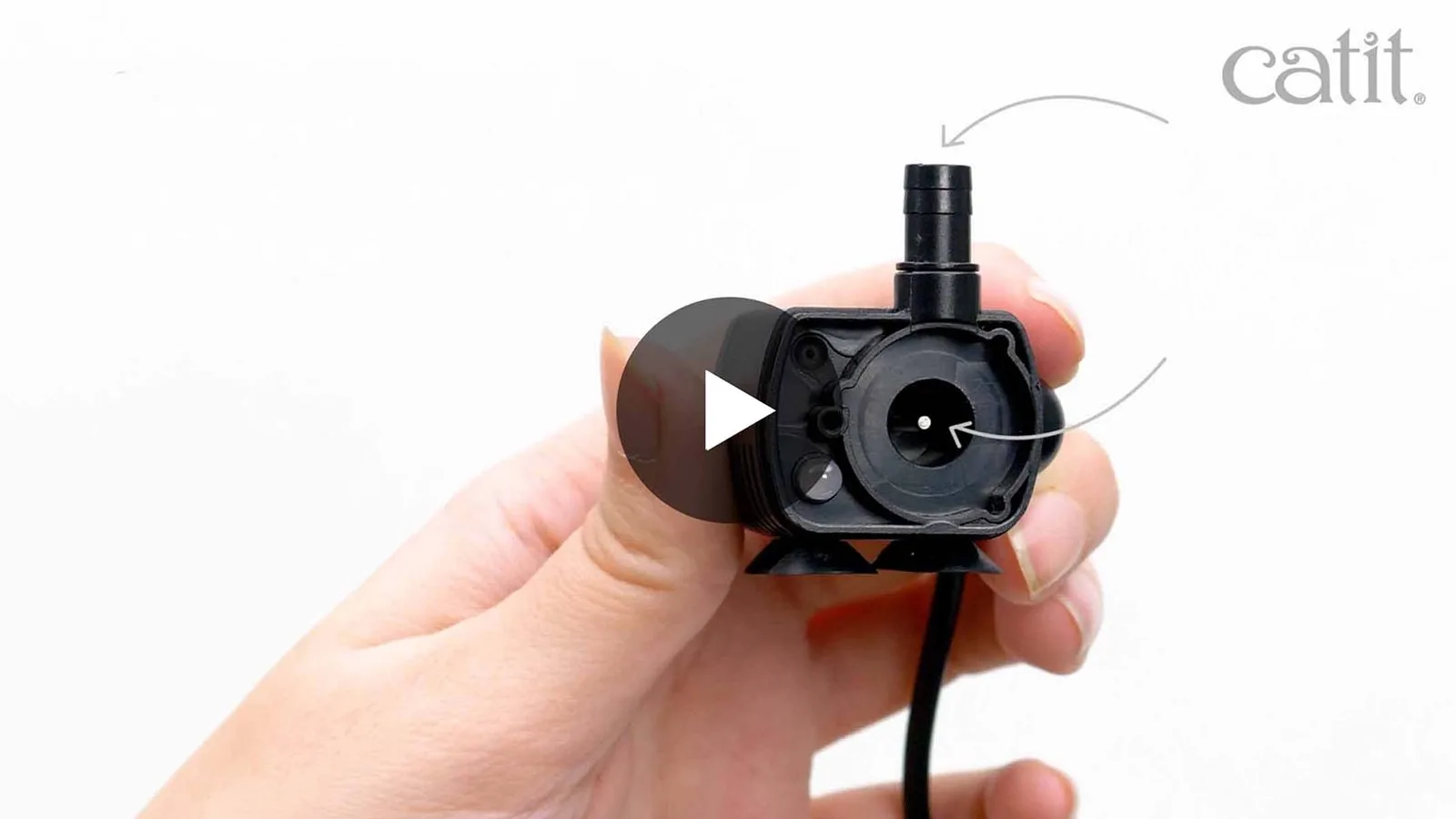
Sometimes the fountain is actually working, but the flow rate is set to the lowest level, making it appear broken. This fix is for owners who hear a faint hum but see no water movement. Locate the small slider or dial on the front or side of the pump. This switch regulates how much water the pump pushes through the tube. Move this slider back and forth several times to dislodge any debris caught in the flow gate.
If the pump is old, the plastic slider may become brittle or stuck. If you can’t move the switch, don’t force it with tools, as this will snap the plastic housing. In this case, it’s worth the effort to replace the pump, as the rest of the unit is likely still in good condition. If you have moved the slider to the maximum setting and the water still barely trickles, the impeller is likely worn out. This is a common trade-off with plastic pumps: they’re quiet and inexpensive, but their moving parts have a limited lifespan. Once the impeller blades wear down, they can’t move water effectively. If you aren’t comfortable replacing parts, a local pet supply store can often assist with testing your pump to see if it’s truly the source of the failure.
What not to do
Never use harsh chemicals like bleach or industrial cleaners on the pump. These leave toxic residues that can make your cat ill. If you must disinfect, use a solution of one part white vinegar to three parts water. Rinse all components thoroughly until the vinegar scent vanishes completely.
Don’t leave the pump running while it’s dry. This causes the motor to overheat and permanently destroys the internal seals. If the water level drops below the intake valve, the friction will melt the impeller housing within minutes.
Avoid using metal tools like screwdrivers to pry open the pump casing. This cracks the plastic and voids your warranty. Instead, use a plastic guitar pick or a dull butter knife to gently release the tabs.
Don’t plug the fountain into an outdoor outlet unless the unit is specifically rated for exterior use. Moisture causes a short circuit, which creates a fire hazard for your home.
How to stop it happening again
Regular maintenance is the most effective way to keep your fountain running for years. A simple schedule prevents the mineral crust that kills most pumps.
| If you’re doing this | Do this instead | Why |
|---|---|---|
| Topping off water | Empty and refill weekly | Stale water collects bacteria and debris. |
| Using hard tap water | Use filtered or bottled water | Reduces calcium deposits inside the motor. |
Most owners fail because they wait for visible slime before acting. If your water starts to look cloudy or the pump makes a faint buzzing sound, you have already waited too long. That hum indicates the motor is straining against internal friction.
If the pump remains loud after a deep clean, the impeller is likely permanently scored. In that case, replace the pump rather than the entire unit.
Frequently asked questions
Can I run a cat fountain without the filter?
You can run the fountain without a filter for a short time, though it isn’t recommended for long-term use. Filters catch hair and food particles that cause pump blockages. If you’re waiting for replacements, clean the pump housing frequently to prevent motor failure.
Why is my cat fountain making a loud buzzing noise?
A loud buzzing noise usually means the pump is vibrating against the basin or the impeller is blocked. Ensure the pump is secured firmly to the reservoir floor with suction cups. If the noise persists after cleaning the impeller chamber, the internal bearings are likely worn out.
How long does a cat fountain pump last?
A pump typically lasts between one and two years depending on water hardness and cleaning frequency. Mineral buildup in hard water areas can shorten this lifespan significantly. If flow decreases despite regular cleaning, the motor is likely reaching the end of its service life.
Is it safe to leave the fountain on 24/7?
Yes, it’s safe to leave the fountain running constantly because these devices are designed for continuous operation. Most units use low-voltage motors that consume very little electricity. Always maintain the recommended water level to prevent the pump from running dry and burning out.
What happens if the pump stays in vinegar too long?
Don’t soak the pump in vinegar for more than one hour to avoid damaging plastic components or the metal shaft. A thirty-minute soak is sufficient to loosen mineral deposits. Always rinse the pump thoroughly with fresh water afterward to remove all traces of acid.
How do I know if the pump is broken?
The pump is likely broken if it remains silent after you have cleaned the impeller and verified the power supply. A pump that’s warm to the touch but fails to move water has likely burned out. At this point, the unit must be replaced to restore function.
Final Thoughts
If your fountain still won’t start after a thorough cleaning, it’s likely time to replace the pump itself. You can easily find affordable replacements online that’ll get your pet’s water flowing again. Don’t worry, these parts aren’t expensive, and they’ll ensure your furry friend stays happy and hydrated for years to come.