
The most frequent reason for an Aerogarden pump not working is a blockage caused by root growth or mineral buildup after several months of use. Confirm this by checking if the water intake is clear and the impeller spins freely. If the unit has power but remains silent, the motor has likely failed.
Troubleshooting an Aerogarden Pump Not Working
| Cause | How common | How to confirm it | Fix it yourself? |
|---|---|---|---|
| Root blockage | Very common | Inspect intake area | Yes |
| Mineral buildup | Common | Look for white crust | Yes |
| Power supply failure | Occasional | Check indicator lights | No |
| Impeller jam | Occasional | Manually spin blades | Yes |
| Pump motor failure | Rare | Listen for humming | No |
| Loose connection | Rare | Check cable seating | Yes |
| Controller error | Very rare | Reset the unit | Yes |
If the intake screen remains clear but flow stays low, check the internal chamber for sediment.
Mineral buildup typically happens in areas with water hardness exceeding 120 parts per million. You can confirm this by soaking parts in white vinegar for one hour. If the crust dissolves, you have found the culprit.
Many users mistakenly assume a silent pump means motor failure. Before replacing the unit, manually spin the impeller. If it resists movement, a simple jam is the cause, not a dead motor.
If the flow returns, you have successfully bypassed a costly repair.
Debris and root obstructions
Roots are the primary culprit for a silent pump because they grow rapidly in the nutrient-rich water of your garden. As these roots reach toward the pump intake, they can easily get sucked into the mesh or the intake holes, physically stopping the impeller from turning. You’ll know this is the issue if you see white, fibrous material wrapped around or protruding from the bottom of the pump housing.
To test this, unplug the unit from the power source to ensure your safety. Carefully lift the garden deck and inspect the bottom of the pump. If you see roots, gently pull them away from the intake area. You should never force a tool deep into the motor housing, as this can break the internal plastic fins. If the roots are stubborn, use a pair of clean, blunt-ended tweezers to carefully extract the material. Once the obstruction is removed, replace the deck and plug the unit back in to see if the water begins to circulate.
This process takes about 5 to 10 minutes. If the pump still doesn’t run after clearing the area, the impeller might be stuck by dried minerals. The cost of this fix is zero, as it only requires your time and basic observation. If you find that the pump housing itself is cracked or the internal plastic is brittle, don’t attempt to glue it back together. You should contact the official Aerogarden support center for guidance on finding a compatible replacement pump assembly for your specific model.
Mineral deposits and scaling
Hard water minerals, such as calcium and magnesium, build up inside the pump over time, creating a hard, white crust that binds the moving parts. This is a common occurrence in areas with high water hardness. You can distinguish this from a root blockage by looking for a chalky residue on the pump exterior or the impeller blades themselves rather than organic matter.
To address this, fill the bowl with a mixture of water and white vinegar. A ratio of four parts water to one part vinegar is usually sufficient to break down light scaling. Let the pump sit in this solution for about 30 minutes. If the pump is removable according to your manual, you can soak the pump head separately in a small container. Don’t use harsh chemicals or abrasive brushes, as these can damage the delicate plastic components. After the soak, rinse all parts thoroughly with clean water to remove any acidic residue before restarting the system.
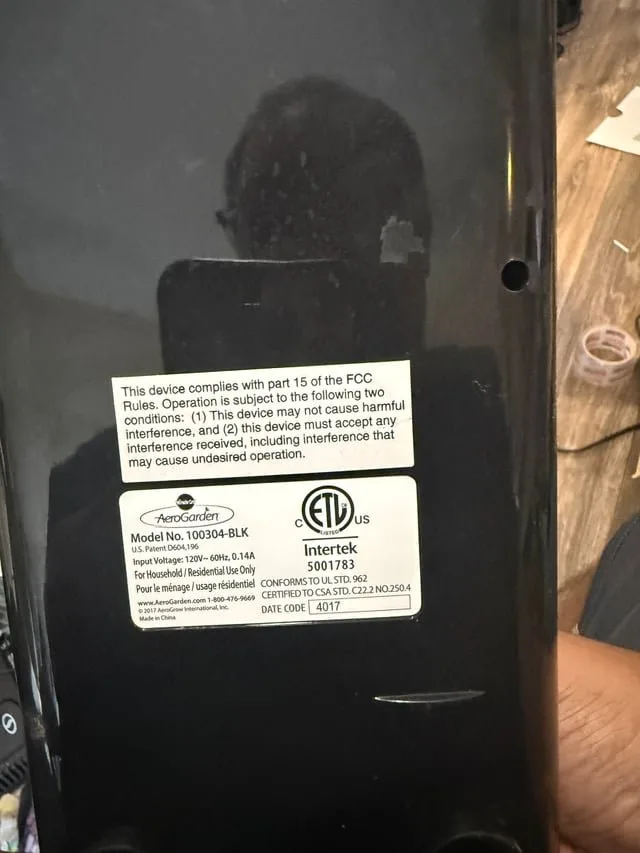
If the pump is still stuck after this cleaning, the mineral buildup may have reached the internal motor bearings, which you can’t access. This varies by model — check the label on the bottom of your base for the model name before looking for replacement parts. If the pump remains silent after the soak, it’s likely that the motor has failed internally and requires a full replacement of the pump module.
Electrical and connection issues
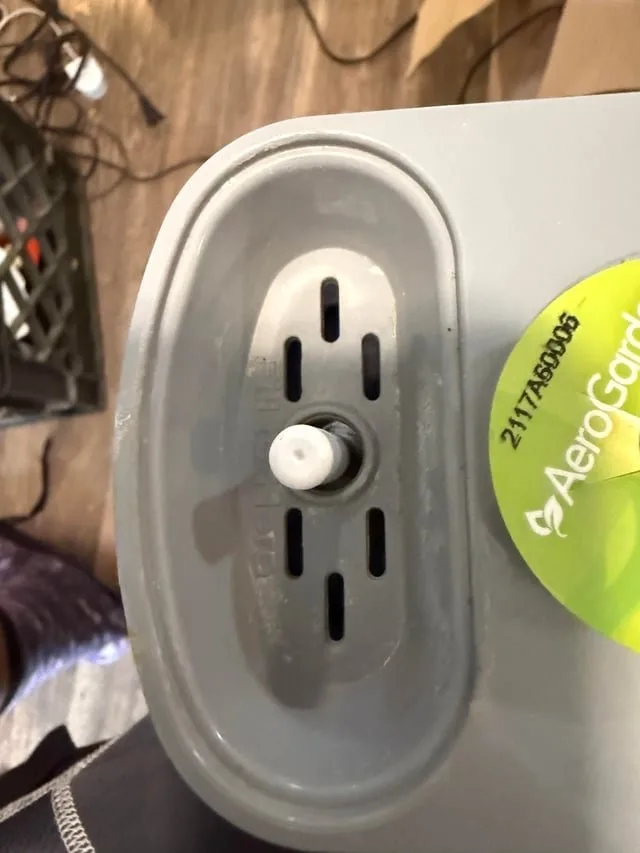
Sometimes the pump is physically fine, but the electrical signal isn’t reaching the motor. This is often caused by a loose connection at the base of the garden or a fault in the power adapter. You can tell if this is the issue by observing the garden lights; if the lights are off or flickering, the problem is almost certainly electrical rather than mechanical.
Check that the power cord is pushed firmly into the base of the unit. Inspect the entire length of the cable for any signs of fraying, kinks, or exposed wires. If you have another compatible power adapter, you can test the base with that, but never use an adapter with different voltage or amperage ratings than what is listed on the original power brick. Using the wrong power supply can cause permanent damage to the garden’s electronics.
If the cable and connection are secure, try a “hard reset” by unplugging the unit for 60 seconds and then plugging it back in. This clears minor glitches in the controller. If the unit still refuses to power the pump, the internal circuit board may be at fault. This isn’t a task for a home user, as opening the sealed base can void your warranty and poses a risk of electrical shock. If you reach this stage, it’s time to stop and reach out to the manufacturer or a qualified repair professional.
The less likely causes
-
Impeller shaft wear: The plastic pin holding the impeller can wear down over years of use, causing the blades to wobble and catch on the housing. If you hear a rhythmic clicking or grinding sound, the shaft is likely the culprit.
-
Failed controller logic: The internal computer may stop sending the “on” signal to the pump, which usually requires a full unit replacement. If the power light remains solid but the motor never hums, the logic board has likely fried.
-
Air lock: Occasionally, a large air bubble trapped in the intake prevents the pump from priming. You can fix this by gently tilting the base to let the air escape. If you hear a high-pitched whine, tilt the unit 45 degrees until the water flow stabilizes.
-
Broken impeller blades: If the pump was forced to run while jammed, the plastic blades may have snapped. The motor runs, but moves no water. Inspect the blades for jagged edges or missing fins.
What a fix usually involves
Most repairs for a pump that isn’t working require little more than a simple cleaning or a minor adjustment. If the issue is a buildup of minerals or roots, you only need a small amount of household vinegar and a few minutes of your time. These fixes cost essentially nothing. However, if the motor itself has burned out or the internal circuit board is damaged, you’ll likely need to replace the pump module or the entire base unit. This is a significant cost, often representing a large portion of the price of a new garden.
Before buying any parts, always check the official documentation that came with your unit or visit the manufacturer’s website to confirm which specific pump assembly is compatible with your model. Avoid buying generic pumps from online marketplaces unless you’re certain they meet the exact electrical and size requirements of your garden. If you’re unsure about the nature of the fault, contact support for a diagnostic assessment before spending money on parts that might not fix the underlying problem.
Frequently asked questions
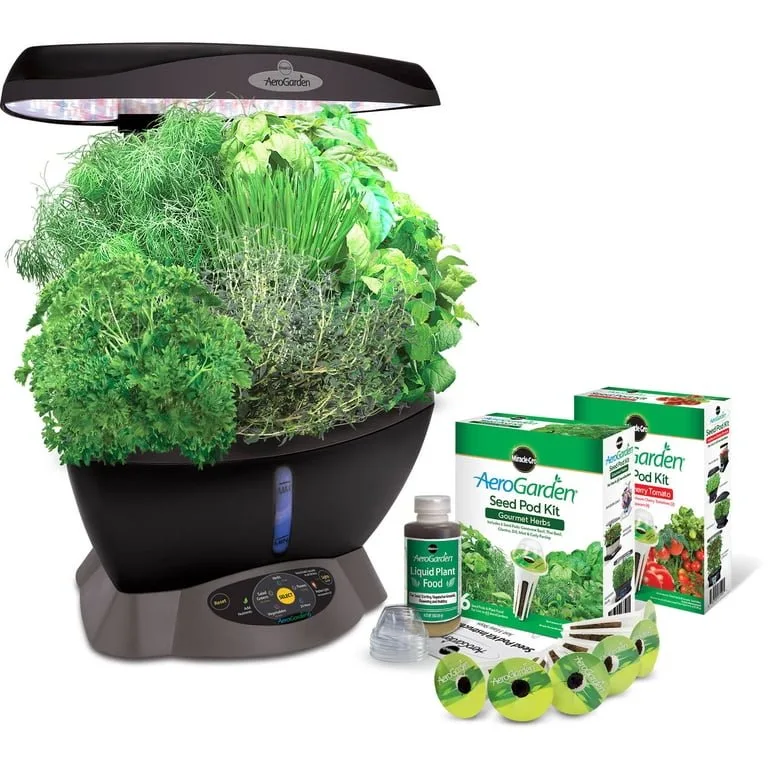
Can I run my Aerogarden without the pump?
No, you shouldn’t run the garden without the pump, as it’s essential for delivering oxygen and nutrients to the plant roots. Without the constant water circulation, the roots will quickly suffocate in the stagnant environment. If your pump is broken, you must replace it before starting a new grow cycle to ensure the health of your plants.
How long should the pump run?
The pump is designed to cycle on and off based on a pre-set schedule determined by your garden’s specific model and growth cycle. You can check your owner’s manual or the manufacturer’s website to see the exact timing for your unit. It’s normal for the pump to be silent for periods during the day, so don’t assume it’s broken just because it’s quiet.
Is it safe to use vinegar to clean the pump?
Yes, a diluted solution of white vinegar and water is safe for cleaning the pump housing and impeller. Ensure you rinse the parts thoroughly with fresh water after cleaning to prevent any acidic residue from harming your plants. Don’t use bleach or other harsh household cleaners, as these can leave toxic chemicals in the water reservoir.
What happens if I ignore a noisy pump?
If you ignore a noisy pump, it will eventually seize up entirely and stop circulating water. The noise often indicates that the impeller is struggling against a blockage or is worn out, which puts extra strain on the motor. Addressing the noise early by cleaning the intake can prevent a total motor failure later on.
Does it matter if I use tap water?
Yes, using hard tap water increases the speed at which mineral deposits build up inside the pump. You can extend the life of your pump by using distilled water or filtered water, which contains fewer minerals that can cause scaling. If you must use tap water, plan to clean your pump more frequently to prevent hard crusts from forming.
Why does my pump make a clicking sound?
A clicking sound usually means the impeller is hitting a piece of debris or the housing is slightly misaligned. Unplug the unit, remove the pump cover, and inspect the impeller for any physical obstructions or signs of wear. If the impeller spins smoothly when you touch it but clicks while running, the internal shaft may be damaged and the pump needs replacement.
Final Thoughts
If you’ve tried these fixes and the water still isn’t flowing, don’t worry. It’s likely time to reach out to the manufacturer’s support team for a replacement part. They’re usually happy to help, and you’ll be back to growing your favorite fresh herbs in no time at all.